Media Compatibility for Pressure Sensors
Understanding Corrosive Media Pressure Sensors
- Understanding Corrosive Media Pressure Sensors
- Key Factors for Media Compatibility in Pressure Sensors
- Comparing Corrosive Media Pressure Sensors: Making the Right Choice
- Maintenance, Troubleshooting, and Longevity of Corrosive Media Pressure Sensors
- Procurement and Supply Chain Considerations for Corrosive Media Pressure Sensors
- Conclusion
- FAQ
- Partner with GAMICOS for Reliable Chemical Measurement Solutions
- References
Understanding media suitability is very important when choosing pressure measuring tools for industrial use, especially when working with harsh chemicals. A corrosive media pressure sensor is a special kind of sensor that is made to work in tough chemical conditions where other sensors would break down quickly. These instruments are made of high-tech materials like ceramics, specific plastics, and alloys of stainless steel to keep the readings exact and protect them from acids, alkalis, solvents, and other substances that react with them. When picking the right sensor, you need to look at the diaphragm's make-up, the housing's materials, and the closing methods to make sure they will work well in your application.
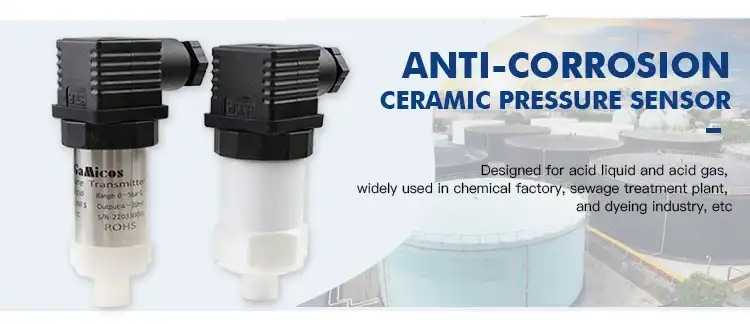
Understanding Corrosive Media Pressure Sensors
Chemical processing plants, drug factories, and petroleum companies all have to deal with the same problem: they have to measure pressure in places where harsh chemicals can damage normal sensor parts. Working with tech teams for years, I've seen how choosing the right corrosive media pressure sensor can have a big effect on how well something works and how much it costs to maintain.
Operating Principles Behind Chemical-Resistant Sensors
At their core, these devices work like regular pressure sensors, but at every point where they touch the media, they use special materials. A thin sheet that bends when pressure is put on it is called the detecting diaphragm. It sends mechanical force to an internal strain gauge or piezoresistive element. This deflection creates an electrical pulse that is related to the pressure that is being applied. The main change is that instead of normal stainless steel, corrosion-resistant alloys or ceramics are used for the diaphragm. This stops chemical attacks that would otherwise affect the accuracy of the measurements.
Material Science Driving Durability
Choosing the right materials for a sensor affects how long it will last in harsh chemical conditions. Hastelloy C-276 is a metal made of nickel, molybdenum, and chromium that is very resistant to both oxidizing and reducing acids. Tantalum is a great material for protecting against strong acids like hydrochloric acid and sulfuric acid. When used in alkaline conditions, titanium works reliably. Ceramic diaphragms work great in situations with very rough or acidic media, but they need to be handled carefully because they are fragile.
Design Features Enhancing Chemical Resistance
Aside from choosing the right materials, chemicals can't get in because of the way buildings are built. Chemically suitable threads or flanges with the right cover materials are used for process connections. Electronics are kept safe from vapor contact by extra protection built into housing designs. Cable entrances have covered glands that stop chemicals or moisture from moving in. These parts of the design work together to make several shields that protect sensitive internal parts from damaging media.
Key Factors for Media Compatibility in Pressure Sensors
When purchasing managers look at sensors for acidic uses, they have to balance a lot of technical factors with delivery dates and price limits. I've led a lot of tech teams through this selection process, and long-term success for a corrosive media pressure sensor installation is always based on a few key factors.
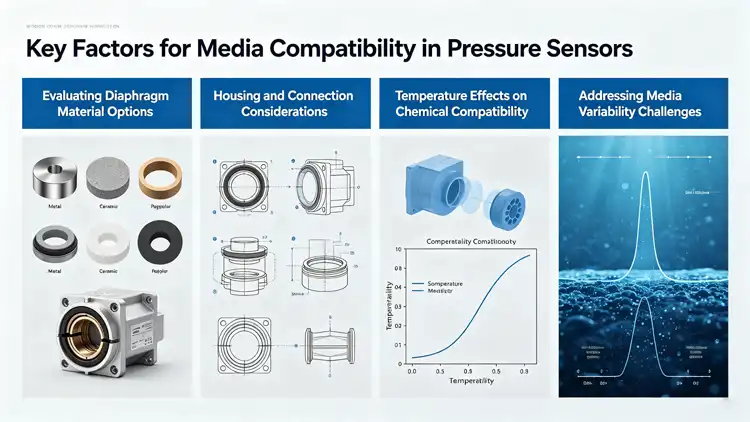
Evaluating Diaphragm Material Options
Different groups of chemicals need different ways of working with materials. 316L stainless steel can handle many typical industrial chemicals, but it can't handle strong acids. Hastelloy is needed for better chemical protection, even though it costs more. Ceramic diaphragms are resistant to almost all poisons, but they are not flexible, so they can be damaged by heat or pressure. This important material choice is based on knowing the specifics of your media, such as its quantity, temperature, and possible contamination.
Housing and Connection Considerations
Even though the diaphragm material gets the most attention, the case and process links also have an effect on how long the sensor will last. Polymer housings, such as PVDF or PEEK, are better for some chemical conditions and are cheaper than unusual metal housings. Process links need to be compatible with the chemical protection of the diaphragm material. For example, using stainless steel threads on a Hastelloy diaphragm makes a weak spot where corrosion can gather. Complete material compatibility across all wetted parts guarantees the same level of durability.
Temperature Effects on Chemical Compatibility
Chemical violence gets stronger, sometimes dramatically, as the temperature rises. When the process temperature goes up to 80°C (176°F), a sensor that works well at room temperature may quickly stop working. Material compatibility charts usually list specific temperature ranges, so you need to make sure that the settings in which you are working are within those ranges. In some situations, heated sensor designs or process links with thermal shields are needed to keep sensitive electronics safe while still letting the diaphragm be exposed to process conditions.
Addressing Media Variability Challenges
In many industrial processes, chemical makeup change. For example, batch reactors switch between products, cleaning cycles use different sanitizers, and the quality of feedstock changes with the seasons. Different types of chemical contact lead to different types of rusting. Sensors have to be able to handle the most aggressive material they come across, not just normal working media. Because of this, specifications often call for higher-quality materials than would be needed in a steady state. This is a good way to control risk without over-engineering.
Comparing Corrosive Media Pressure Sensors: Making the Right Choice
Engineering managers and procurement specialists often want to know how to tell the difference between corrosive media pressure sensor choices when more than one says it is resistant to chemicals. I can help you make these choices by drawing on my many years of experience in the field.
Standard Versus Specialized Sensor Designs
Most standard pressure sensors have wetted parts made of 316 stainless steel, which is good for water, hydraulic oil, and gases that don't react badly. Specialized sensors that are resistant to chemicals are made of better materials that were chosen to withstand harsh media contact. This difference is very important—using regular sensors in slightly acidic environments could give months of service before they break, giving you false confidence until they break down unexpectedly. Specialized designs stop this slow loss of accuracy, so they stay calibrated throughout their service life.
Cost-Benefit Analysis of Material Upgrades
The most affordable sensors are made of stainless steel. Ceramic diaphragm types cost about 40 to 60 percent more, and sensors made of rare alloys like Hastelloy or tantalum could double or even triple the price. This price difference seems big until you look at how often you need to change it. In a caustic environment, a steel sensor that breaks down every six months costs more over two years than a ceramic or Hastelloy unit that lasts five years and is properly defined. When you consider the cost of installation work, process slowdown, and safety risks from sensor failures, it becomes clear that investing in high-quality materials is a good idea.
Application-Specific Selection Criteria
In different fields, different success traits are more important than others. For pharmaceutical processing, sensors must meet hygienic design standards and have smooth surfaces that stop germs from growing. This usually means getting extra certifications like 3-A or EHEDG compliance. Explosion-proof housings and naturally safe signal conditioning are important for petrochemical uses. Materials used in food preparation must be FDA-approved and be easy to take apart for cleaning. Understanding these industry-specific needs helps narrow down the available sensors more effectively than general requirements.
Performance Metrics That Matter
When you compare sensor datasheets, you should pay extra attention to certain specs. The accuracy ranges from ±0.25% to ±0.5% full scale; uses that need precise control gain from tighter tolerances. Temperature compensation makes sure that the sensors are accurate across all working temperature ranges. Sensors that aren't adjusted may drift a lot when the process temperature changes. When pressure changes quickly in dynamic situations, response time is important. Media temperature boundaries set the ranges of contact that can be tolerated. For example, some sensors can handle very cold temperatures, while others can handle very hot steam.
Maintenance, Troubleshooting, and Longevity of Corrosive Media Pressure Sensors
Even sensors that are properly designed need to be maintained in the right way for them to last as long as they are supposed to. I've helped a lot of sites set up preventative maintenance plans that make corrosive media pressure sensor reliability higher while reducing the number of times they need to be fixed.
Establishing Effective Inspection Routines
Visual inspection is a good way to spot problems early on. Check the links between the processes for signs of leaks, such as crystal growth, discoloration, or the buildup of residue. Check the condition of the wire openings and conduit seals. Check the housings for damage or rust. Keeping track of these observations creates trend data that shows how things get worse over time before they break completely. For less important uses, many sites do these checks every three months instead of once a month for key measurement points.
Calibration Verification in Harsh Environments
Chemicals can slowly change how well sensors work. Setting up plans for accuracy checks based on how bad the process is makes sure that measurements are accurate. Calibration checks might be done every three months in high-purity pharmaceutical processes and once a year in less important ones. Technicians use handheld pressure calibrators or deadweight testers to compare the output of sensors to known pressure standards and write down any differences they find. When sensors drift outside of allowed limits, they are either re-calibrated or replaced. This keeps quality problems from happening because of wrong readings.
Common Failure Modes and Diagnostic Approaches
Troubleshooting goes faster when you know what the usual breakdown patterns are. When chemicals attack the diaphragm and make holes in it, the sensor reading locks at the process pressure and stops responding to changes in the real world. Seal decay lets media get into electronics, which can cause signals to be unstable or even fail completely. Strain gauge drift causes accuracy to slowly decrease without any clear signs. Damage to the cable shows up as signs or noise that come and go. Knowing these trends helps maintenance teams find problems quickly, which cuts down on the time it takes to find problems and speeds up fixes.
Extending Operational Life Through Best Practices
Several things can greatly increase the life of sensors. When sensors are turned off, flushing them with suitable cleaning media gets rid of the buildup of deposits that make acidic attack more concentrated. By adding separation valves, sensors can be taken out for review without stopping the process. Using chemical injection valves to add neutralize agents on a regular basis helps keep sensors safe when things go wrong. Keeping the process settings within the sensor's limits stops it from being exposed to too much pressure or heat. These pretty easy steps can often double or even triple the service life that can be reached.
Procurement and Supply Chain Considerations for Corrosive Media Pressure Sensors
When buying specialized corrosive media pressure sensor equipment, sourcing managers face some unique problems. Because I've worked with procurement teams in a number of different industries, I can point out important things to think about that make buying easier and help you avoid common problems.
Essential Technical Specifications for Purchase Orders
Clear specs keep buyers and sellers from misreading each other, which can cost a lot of money. Set the pressure range with enough room for error—sensors work best in the middle of their range, not at the scale limits. Include upset situations in the process temperature range, not just normal working temperatures. Describe the full make-up of the media, including any small contaminants that could affect the choice of material. Find out what kind of electrical output (4-20mA, 0-10V, or digital standards like HART or Modbus) is needed, as well as the type and size of the process connection, the accuracy class, and any licenses that are needed. This level of detail makes sure that the goods being offered actually meet the needs of the application.
Understanding Lead Times and Customization Options
Standard store items usually ship within two weeks, but for personalized options, it can take up to eight weeks. Using rare materials like tantalum or getting special licenses slows things down even more. When making purchases, these times must be taken into account, especially for big projects with set due dates. Many providers can speed up production if you need it quickly, but you'll have to pay more. Keeping a planned stockpile of important types of sensors protects against sudden failures in production settings where the costs of downtime are much higher than the prices of the sensors.
Advantages of Volume Purchasing for OEMs
Volume agreements are very helpful for original equipment makers and system developers who add a lot of sensors to automation systems. When you commit to buying more than 50 to 100 pieces a year, negotiated price usually cuts unit costs by 15 to 30 percent. Suppliers often offer specialized engineering support to help with design-in, private marking to protect brand identity, and custom calibration ranges that work with particular uses. These relationships give companies an edge when taking on projects and make sure that parts are always available.
Evaluating Supplier Capabilities and Support
In addition to product specs, when choosing a supplier, you should also think about how good and quick the expert help is. Can their engineering team help them choose materials for chemistry mixtures that don't usually go together? Do they keep application experts who know the specific needs of your industry? What literature helps with setting up and fixing problems? How long does it take for them to answer complex questions? When suppliers treat sensors like goods, they don't add much value, but when partners care about their customers' success, they become real competitive benefits. This difference is most important when dealing with unexpected application problems or questions about specifications in the middle of a project.
Conclusion
To choose the right corrosive media pressure sensor for harsh chemical settings, you need to carefully look at how well the materials work together, the design features, and the supplier's abilities. We've looked at how wall materials, how homes are built, and how they are maintained all affect how reliable and cost-effective they are in the long run. When engineering managers and procurement workers make smart decisions, they can avoid failures before they happen and keep lifetime costs low. Because these choices are so complicated, it's important to work with providers who know a lot about both materials science and how they can be used in industry.
FAQ
What distinguishes a corrosive media pressure sensor from standard models?
A corrosive media pressure sensor uses better materials everywhere they touch media, like Hastelloy, tantalum, ceramic, or special polymer diaphragms instead of regular stainless steel. Similar to housing parts, process links, and closing systems, these all use materials that work well together to keep them from breaking down. These improvements make it possible for the sensors to work reliably in acids, alkalis, solvents, and other harsh substances that would normally destroy the sensors very quickly.
How do I determine which diaphragm material suits my application?
Check suitability charts from sensor makers or material sources to make sure the materials you choose will work well in the chemicals you'll be using. Think about the type of media, the quantity, the temperature, and any possible pollution. When there is doubt or the composition of the media changes, using higher-grade materials like Hastelloy or ceramic gives you more safety. A lot of providers offer application engineering help to help you make this important choice.
Can ceramic diaphragm sensors handle high-pressure applications?
Modern ceramic sensors can accurately read pressures higher than 400 bar (6000 psi), but different types do it in different ways. Ceramics are very good at resisting chemicals, but they need to be carefully specified around pressure spikes or mechanical shocks, which can break materials that are already weak. Snubbers or other reducing devices keep the sensor safe from short-term overloads in situations where there are pressure spikes.
Partner with GAMICOS for Reliable Chemical Measurement Solutions
Dealing with problems related to material suitability needs both professional know-how and proven manufacturing skills. GAMICOS specializes in making corrosive media pressure sensor models for tough industrial uses, such as pharmaceutical-grade clean designs and petrochemical-rated explosion-proof housings. Our engineering team helps you choose the right materials so that your sensors can work under certain chemical conditions for the whole time they're supposed to.
As a well-known company that makes corrosive media pressure sensors and has customers in 98 countries, we know the problems that engineering managers and buying workers face when they need to buy things. Our OEM/ODM design is very flexible, so we can meet the specific mounting needs, data outputs, and approval needs of your projects. Volume buying programs save companies money while keeping the quality standards that are important for companies that make and sell goods.
Get in touch with our expert team at info@gamicos.com to talk about how you need to measure chemicals. We'll look at your application and suggest sensor configurations that balance performance, longevity, and price. These configurations will be backed by full after-sales support to ensure long-term measurement reliability.
References
1. Anderson, R. (2021). When choosing materials for corrosive environments, this engineering guide is for process industries. Press for Industry.
2. Wu, Chen, and Thompson, M. (2020). A study of the performance and dependability of ceramic pressure transducers used in chemical processing. It's in the Journal of Process Control Instrumentation (45(3), 112-128).
3. The European Association for Industrial Automation. (2022). The best ways to measure pressure in dangerous and corrosive situations. Brussels: Publications of the EIAA.
4. Nakamura, H., Smith, J., and Garcia, L. (2019). A study of Hastelloy and Tantalum diaphragms shows how advanced alloys can be used for harsh environment sensors. Chem. Sensors and Actuators B, 298: 126–139.
5. Johnsen, K. (2023). Choosing, installing, and maintaining instruments for measuring industrial pressure. New York: McGraw-Hill Business.
6. Williams, D., & Brown, S. (2020). Lifecycle Cost Analysis of Instrumentation in Chemical Plants That Doesn't Corrode. Progress in Chemical Engineering, 116(8), 34–41.

Peter
Peter, Senior Sensor Technology Consultant, has 15-year industrial sensor R&D experience. He specializes in the end-to-end development of high-accuracy pressure and level sensors and he firmly believe, precision isn’t just a spec—it’s a promise.
We're here to help — submit your request anytime!
Let us know how we can help solve your pressure level measurement challenge.
_1757930850792.jpg)
Recommended Blog
Top Ceramic Pressure Sensors for Chemical Plants in Europe

Top Differential Pressure Sensors for Industrial Flow Control
Best Ceramic Pressure Sensors for Wastewater Treatment in Asia

Top Sanitary Pressure Transmitter Suppliers in Europe & America
Top Wireless Pressure Sensors for Pipeline Monitoring in Europe
Import Guide: Differential Pressure Sensors for Europe and Asia
Industrial Wireless Pressure Sensor with App and Remote Alarm
How Ceramic Pressure Sensors Improve US Plant Safety
Sanitary Pressure Transmitter Export Trends in Asia & Europe
Import Guide: Sanitary Pressure Transmitters for Europe & Americas

Best Sanitary Pressure Transmitter for Pharmaceutical Applications
Top Ceramic Pressure Sensors for Chemical Plants in Europe
Top Differential Pressure Sensors for Industrial Flow Control
Best Ceramic Pressure Sensors for Wastewater Treatment in Asia
Top Sanitary Pressure Transmitter Suppliers in Europe & America
Top Wireless Pressure Sensors for Pipeline Monitoring in Europe
Import Guide: Differential Pressure Sensors for Europe and Asia
Industrial Wireless Pressure Sensor with App and Remote Alarm
How Ceramic Pressure Sensors Improve US Plant Safety
Sanitary Pressure Transmitter Export Trends in Asia & Europe
Import Guide: Sanitary Pressure Transmitters for Europe & Americas
Best Sanitary Pressure Transmitter for Pharmaceutical Applications
Top Ceramic Pressure Sensors for Chemical Plants in Europe
Top Differential Pressure Sensors for Industrial Flow Control
Best Ceramic Pressure Sensors for Wastewater Treatment in Asia
Top Sanitary Pressure Transmitter Suppliers in Europe & America
Top Wireless Pressure Sensors for Pipeline Monitoring in Europe
Import Guide: Differential Pressure Sensors for Europe and Asia
Industrial Wireless Pressure Sensor with App and Remote Alarm
How Ceramic Pressure Sensors Improve US Plant Safety
Sanitary Pressure Transmitter Export Trends in Asia & Europe
Import Guide: Sanitary Pressure Transmitters for Europe & Americas