Import Guide: Differential Pressure Sensors for Europe and Asia
Understanding Differential Pressure Sensors – Principles and Applications
- Understanding Differential Pressure Sensors – Principles and Applications
- Choosing the Right Differential Pressure Sensor for Your Business Needs
- Import and Installation – Ensuring Compliance and Optimal Performance
- Overcoming Procurement Challenges in Europe and Asia Markets
- Future Trends and Innovations in Differential Pressure Sensors
- Conclusion
- FAQ
- Contact GAMICOS for Your Differential Pressure Sensor Needs
- References
It is necessary to have a thorough awareness of regional compliance requirements, technical specifications, and procurement methods in order to import differential pressure sensors into European and Asian markets. In these areas, industrial automation, process control, and safety systems rely heavily on these precise measuring tools. Asian markets place more emphasis on cost-effective solutions and high-volume manufacturing capabilities than European markets do on strict environmental and safety certifications. Navigating various legal regimes, finding competent suppliers, and guaranteeing ongoing technical assistance are all essential to successful procurement. For engineering managers, sourcing experts, and procurement specialists looking for dependable pressure measuring devices that satisfy local requirements and provide peak performance in challenging industrial applications, this book covers important factors.
Understanding Differential Pressure Sensors – Principles and Applications
Fundamental Working Principles
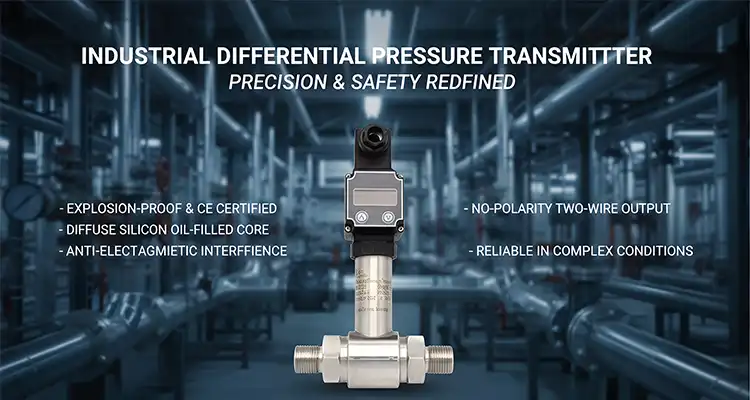
Differential pressure measurement technology makes use of intricate sensor systems in order to identify pressure variations that exist between two independent measurement locations. A sensitive diaphragm that responds to changes in pressure and generates a visible deflection that is proportional to the difference that is applied is the essential concept. In contemporary sensors, piezoresistive components are used in the design of the diaphragm. These components are responsible for converting mechanical stress into electrical signals via changes in resistance. Sensory components that are based on silicon are ideal for precise applications in a wide range of industrial settings. This is due to the amazing sensitivity and stability of these components.
Oil-filled cores are used by modern transmitters in order to maintain accurate pressure transfer while simultaneously insulating sensor parts from adverse environments. This method is most effectively shown by the GPT250 series, which is comprised of silicon piezoresistive oil-filled cores encased in protective housings made of stainless steel. These designs provide outstanding corrosion resistance and long-term stability, making them ideal for demanding applications in the chemical processing industry, pharmaceutical manufacturing facilities, and energy production facilities.
Industrial Applications Across Regions
The monitoring of clean rooms, heating, ventilation, and air conditioning (HVAC) systems, and environmental compliance applications are all common uses for pressure transmitters in European industrial facilities. The food processing and pharmaceutical industries need sensors that are compliant with stringent hygiene rules. These regulations often require the use of specialized materials such as diaphragms made of Hastelloy C276 or plates made of 316L stainless steel. The ability of these materials to withstand corrosive media spanning pH ranges ranging from 1 to 14 enables them to provide reliable performance in difficult chemical environments.
The manufacturing sectors in Asia are mostly focused on high-volume applications in heavy industries, electronics, and autos. The detection of pressure loss in filtration systems, the monitoring of levels in storage tanks, and the measurement of flow in oil pipelines are all examples of applications for process control. Because of their versatility, modern transmitters enable the monitoring of a wide variety of parameters, including differential pressure, liquid levels, and flow rates, all from a single device. This simplifies the installation process and reduces the amount of maintenance that is required.
Calibration and Maintenance Protocols
It is vital to use systematic calibration approaches that are customized to the requirements of specific applications in order to maintain the accuracy of measurements. In addition to the 4-20mA and Modbus communication protocols, digital output characteristics that enable remote calibration verification and interaction with modern control systems are also included. All of the following factors should be taken into account during normal calibration cycles: the circumstances of the process, the affects of the environment, and the accuracy requirements that are particular to the application.
Preventive maintenance programs extend the expected lifespan of sensors while also ensuring that they will continue to function reliably. Certain maintenance chores, such as periodic zero-point verification, span calibration, and evaluation of the diaphragm for any signs of contamination or damage, are essential functions. This allows for proactive maintenance scheduling, which in turn lowers unexpected downtime by giving early notification of any issues. Modern transmitters are equipped with advanced diagnostics tools that enable this scheduling.
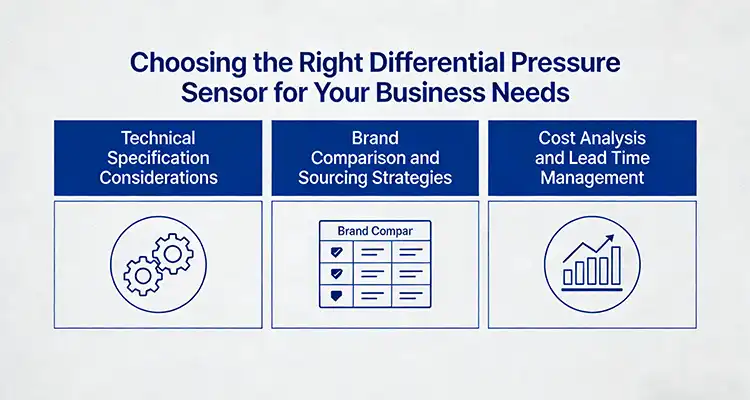
Choosing the Right Differential Pressure Sensor for Your Business Needs
Technical Specification Considerations
Environmental factors, measurement range, and accuracy needs must all be carefully considered when choosing pressure transmitters. In high-pressure applications, the system's static pressure capabilities become crucial, as sophisticated systems can withstand pressures of up to 25–40 MPa. Compatibility of output signals with current control systems, whether they are digital communication protocols like Modbus RTU or analog 4-20mA loops, is essential, especially when integrating a differential pressure sensor for accurate readings in demanding environments.
In certain applications, the choice of material has a big influence on the lifetime and performance of sensors. While specialty diaphragm materials like Hastelloy C276 allow operation in severely corrosive situations, stainless steel housings provide general-purpose corrosion resistance. To guarantee optimum performance across the sensor's operating life, temperature ratings, pressure ranges, and reaction times must match process requirements.
Brand Comparison and Sourcing Strategies
European markets have always favored well-known companies with substantial local support networks and thorough certification compliance, such as Siemens, ABB, and Honeywell. Although they often charge premium price, these firms have shown durability in crucial applications. Asian markets provide prospects for affordable substitutes from skilled producers that satisfy global standards and provide competitive price and personalization options.
Through stringent supplier certification procedures, OEM sourcing techniques allow for considerable cost savings without sacrificing quality requirements. Customization possibilities, such as particular mounting configurations, communication protocols, and calibration ranges, are made easier by direct manufacturer partnerships. In order to guarantee constant product quality, successful OEM relationships need comprehensive supplier audits, quality system verification, and continuous performance monitoring.
Cost Analysis and Lead Time Management
The original purchase price, installation needs, calibration charges, and ongoing maintenance expenditures must all be taken into account in a thorough cost analysis. Even though premium brands can cost more up front, their vast support networks and track record of dependability can lower total cost of ownership by extending service life and lowering maintenance needs.
When it comes to project-based procurement, where delayed delivery may affect vital milestones, lead time management becomes more crucial. Supply chain interruptions may be reduced by setting appropriate inventory levels for frequently used requirements. Developing connections with many eligible suppliers ensures competitive pricing via vendor competition and offers procurement flexibility.
Import and Installation – Ensuring Compliance and Optimal Performance
European Regulatory Requirements
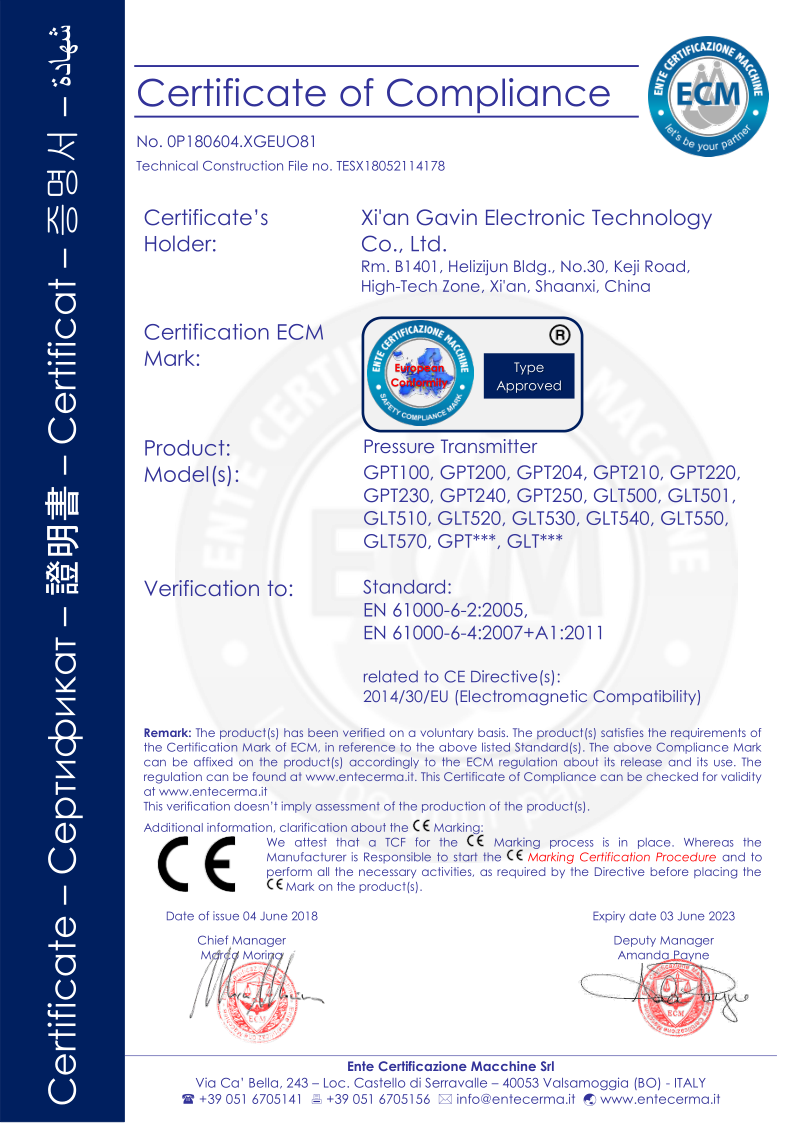
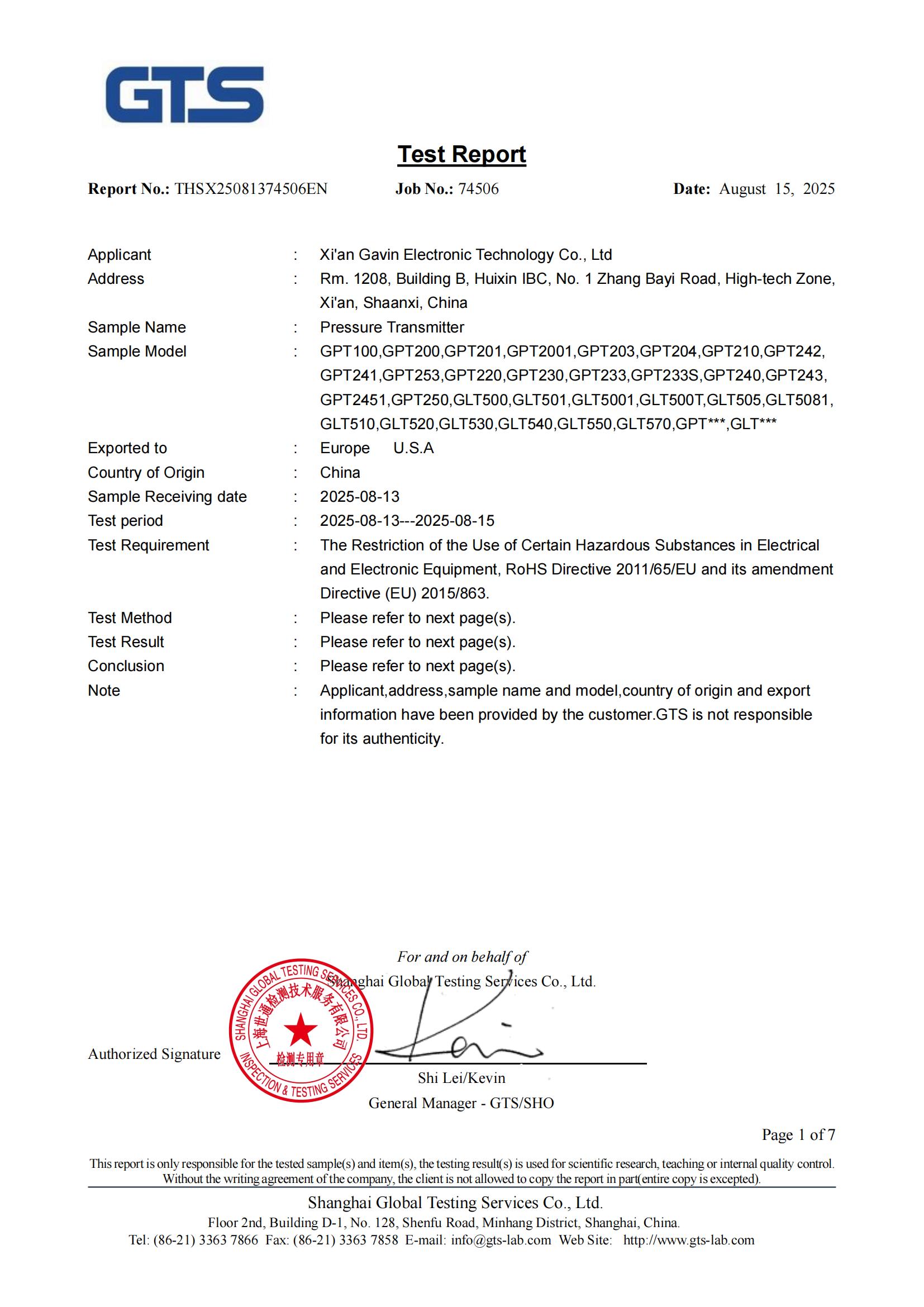
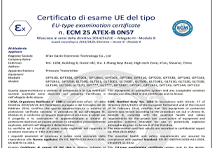
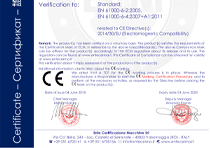
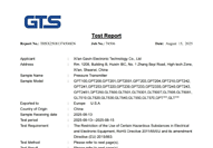
European markets require full adherence to a number of regulatory regimes designed to ensure electromagnetic compatibility, environmental protection, and product safety. The CE marking standards cover various regulations, such as the Electromagnetic Compatibility (EMC) Directive for electrical equipment and the Pressure Equipment Directive (PED) for components that withstand pressure. While REACH laws regulate the registration and assessment of chemical compounds, RoHS compliance limits the use of hazardous materials in electrical equipment, including in differential pressure sensor technologies used in industrial applications.
Importers are required to keep thorough technical records attesting to their adherence to relevant standards, such as ATEX guidelines for applications involving explosive atmospheres and EN 61010 for the safety of measuring equipment. For applications involving hazardous areas or certain pressure ranges, third-party certification from notified entities can be necessary. Declarations of conformance, test certifications, and user manuals in the local tongue are examples of proper documentation.
Asian Market Certification Standards
The accreditation standards for Asian markets vary greatly from one nation to the next. Many electrical equipment are subject to China's CCC (China Compulsory Certification), although applications for explosive atmospheres might be accepted in many nations thanks to IECEx certification. South Korea needs KC certification for telecommunications equipment, whereas Japan requires PSE branding for electrical equipment.
The Bureau of Indian Standards' (BIS) certification criteria for many types of industrial equipment are still growing. International certifications such as IEC standards are often accepted in Southeast Asian markets; however, local registration restrictions could be applicable. Comprehending the needs of each countries guarantees seamless customs clearance procedures and avoids expensive delays.
Installation Best Practices
The performance and dependability of sensors during their operating life are greatly impacted by proper installation methods. Thermal effects, vibration isolation, and accessibility for maintenance tasks are all factors to be taken into account while mounting. Potential pressure spikes, heat cycling, and exposure to corrosive substances must all be taken into consideration while connecting processes. Through threaded pressure ports that enable distant mounting configurations or direct pipeline installation, the GPT250 series provides a variety of mounting possibilities.
Signal conditioning, grounding, and preventing electromagnetic interference must all be carefully considered when integrating with current control systems. Digital communication methods provide improved diagnostic capabilities and are advantageous in noisy industrial settings. Documenting baseline performance characteristics, testing alarms, and confirming range are all part of proper commissioning processes.
Overcoming Procurement Challenges in Europe and Asia Markets
Supply Chain Risk Management
Transportation interruptions, raw material shortages, and geopolitical conflicts all contribute to the complexity of global supply chains. Diversified supplier networks that span many locations are necessary for successful procurement strategies in order to maintain continuity in the event of interruptions. Developing strategic alliances with important suppliers gives access to technological know-how and customized skills, as well as priority treatment during allocation shortages.
Carrying costs and stockout risks must be balanced in inventory management techniques, especially for important applications where production or safety might be affected by sensor failures. Inventory investment may be decreased while maintaining availability by putting vendor-managed inventory plans into place with approved suppliers. Frequent evaluations of suppliers' performance assist in spotting any hazards before they affect business operations.
Quality Assurance Protocols
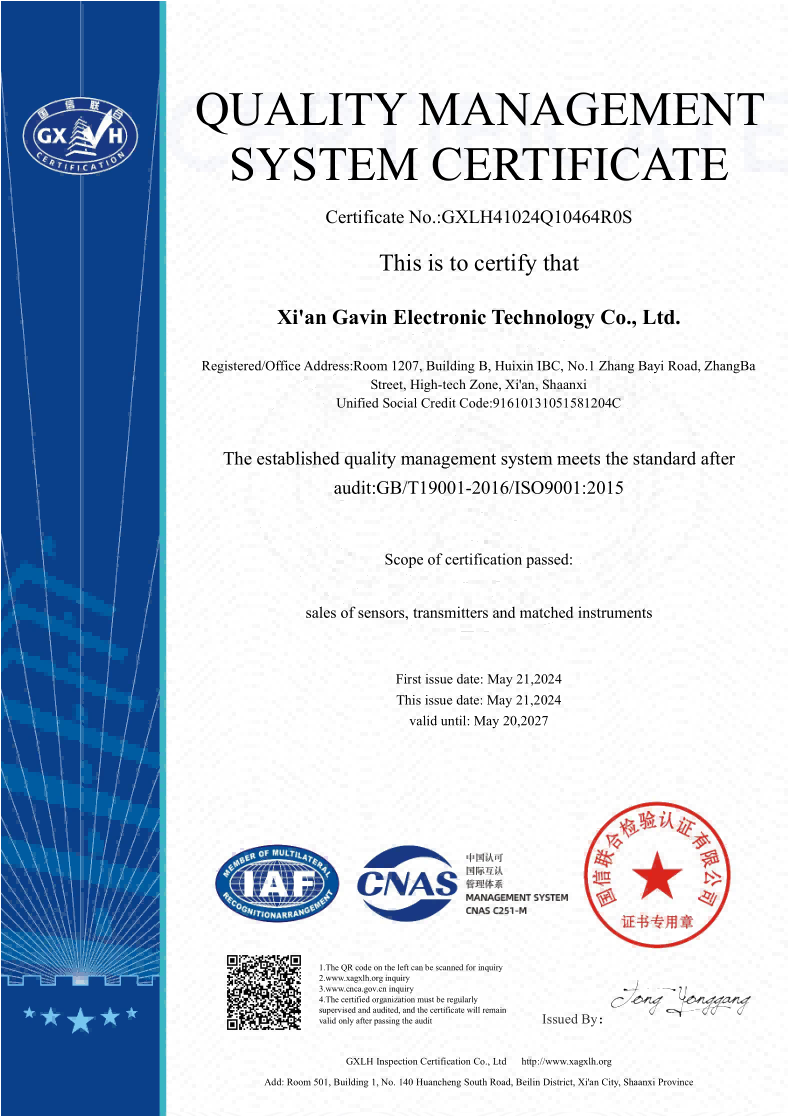
Comprehensive supplier qualification procedures, such as facility audits, quality system evaluations, and continuous performance monitoring, are necessary to ensure consistent product quality. While industry-specific standards like ISO 14001 for environmental management demonstrate suppliers' commitment to excellence, ISO 9001 certification provides the fundamental criteria for quality management, especially when producing reliable differential pressure sensor solutions for demanding applications.
Critical parameters including accuracy, pressure ratings, and material certifications should be confirmed by incoming inspection processes. Before they lead to field failures, quality trends may be detected with the use of statistical process control techniques. Clearly defining expectations and obligations with suppliers and offering consequences for non-conforming items are two benefits of establishing quality agreements.
Local Partnership Strategies
Building connections with capable regional distributors offers benefits in customer service, inventory control, and technical support. Compared to direct manufacturer partnerships, regional partners provide quicker reaction times and have a better understanding of local market situations, regulatory needs, and consumer preferences. These collaborations are especially beneficial for continuing assistance and urgent replacement needs.
Opportunities for OEM partnership allow for customisation while using the benefits of local production. Product development cycles may be accelerated by strategic alliances with technology suppliers, who also share development risks and expenses. While creating long-term competitive advantages, joint ventures or licensing agreements offer access to markets.
Future Trends and Innovations in Differential Pressure Sensors
Digital Transformation and IoT Integration
Sensors with sophisticated digital capabilities, such as wireless communication, cloud connection, and predictive maintenance functions, are becoming more and more necessary in modern industrial facilities. Through wireless communication, IoT-enabled pressure transmitters save installation costs while offering continuous monitoring capabilities. Predictive analytics made possible by these technologies may spot possible problems before they happen, reducing unscheduled downtime and maintenance expenses.
Without continuous cloud connection, local data processing and decision-making are made possible by sensors' edge computing capabilities. This method improves reaction times for important applications while lowering bandwidth needs. Longer calibration periods and less maintenance are possible using machine learning algorithms that improve sensor calibration and adjust for drift over time.
Sustainability and Environmental Considerations
Purchasing choices are becoming more and more influenced by environmental sustainability as businesses embrace the circular economy and carbon reduction targets. In wireless applications, energy-efficient sensor designs prolong battery life while using less power. End-of-life take-back programs and recyclable products lessen their influence on the environment while supporting business sustainability objectives.
Eco-friendly production methods and less packaging waste attract shoppers who care about the environment. In procurement assessments, suppliers that exhibit a commitment to environmental stewardship via verifiable carbon reduction plans and sustainable practices are given a competitive edge. Tools for life cycle analysis aid in measuring the effects on the environment throughout the course of a product's life.
Advanced Materials and Manufacturing Technologies
For specific applications, additive manufacturing shortens lead times while enabling customized sensor setups. Exotic alloys and ceramic sensing elements are examples of advanced materials that increase working ranges and enhance dependability under harsh conditions. Applications of nanotechnology decrease the size and weight of sensors while increasing sensitivity.
The technology known as MEMS (Micro-Electro-Mechanical Systems) makes it possible to integrate many sensor capabilities into small packaging. These developments preserve or enhance performance requirements while bolstering miniaturization tendencies. Self-calibrating sensors that retain accuracy without human assistance are possible because smart materials that adjust to their surroundings.
Conclusion
Importing differential pressure sensors into European and Asian markets successfully necessitates constructing robust supply chains while striking a balance between technical specifications, legal compliance, and financial concerns. Making educated purchasing choices that reduce risks and maximize value requires knowledge of regional certification requirements, supplier capabilities, and market dynamics. Opportunities for improved functionality via digital integration and Internet of Things connection are presented by the changing technological environment. In increasingly complicated global marketplaces, proactive risk management, extensive quality programs, and strategic supplier alliances provide long-lasting competitive advantages.
FAQ
Q1: What are the key differences between European and Asian certification requirements?
A: European markets emphasize comprehensive safety and environmental regulations including CE marking, RoHS compliance, and REACH registration. Asian markets vary significantly by country, with China requiring CCC certification, Japan mandating PSE marking, and India expanding BIS requirements. Understanding specific country requirements prevents import delays and ensures regulatory compliance.
Q2: How do I select the appropriate measurement range and accuracy specifications?
A: Measurement range should encompass normal operating conditions plus safety margins for pressure surges or process variations. Accuracy requirements depend on application criticality and control loop stability needs. Consider system static pressure capabilities, particularly for high-pressure applications where the GPT250 series supports pressures up to 25-40 MPa.
Q3: What advantages do OEM partnerships provide over branded solutions?
A: OEM partnerships offer significant cost advantages while enabling customization options including specific mounting configurations, communication protocols, and calibration ranges. Direct manufacturer relationships provide flexibility in specifications and faster response times. However, OEM sourcing requires rigorous supplier qualification and ongoing quality monitoring to ensure consistent performance.
Contact GAMICOS for Your Differential Pressure Sensor Needs
GAMICOS stands ready to support your pressure measurement requirements with advanced GPT250 series transmitters featuring superior corrosion resistance and high-precision capabilities. Our experienced engineering team provides comprehensive technical support throughout the procurement process, ensuring optimal sensor selection for your specific applications. As a trusted differential pressure sensor manufacturer, we offer competitive pricing, reliable delivery schedules, and extensive customization options. Contact us at info@gamicos.com to discuss your requirements and receive detailed technical specifications tailored to your operational needs.
References
1. International Electrotechnical Commission. "Industrial Process Control Sensors - Differential Pressure Transmitters: Performance Requirements and Testing Methods." IEC Publication 61298-2, 2023.
2. European Committee for Standardization. "Pressure Equipment Directive Compliance Guide for Industrial Measurement Devices." EN 97/23/EC Implementation Manual, 2023.
3. Asian Industrial Automation Council. "Regional Certification Requirements for Process Control Instrumentation Across Asian Markets." AIAC Technical Report 2024-01.
4. Global Process Industries Association. "Best Practices for Differential Pressure Sensor Selection in Chemical and Pharmaceutical Applications." GPIA Guidelines Series, Volume 15, 2023.
5. International Society of Automation. "Installation and Maintenance Standards for Differential Pressure Transmitters in Industrial Applications." ISA Standard 51.1-2023.
6. World Trade Organization. "Technical Barriers to Trade in Industrial Instrumentation: Regional Analysis of Certification Requirements." WTO Technical Report TBT/2024/12.

Spring
Spring, With 5 years of experience in sensor technology and product development, Mark specializes in helping clients identify the optimal pressure and level sensor solutions for demanding industrial environments。
We're here to help — submit your request anytime!
Let us know how we can help solve your pressure level measurement challenge.
_1757930850792.jpg)
Recommended Blog

Top Differential Pressure Sensors for Industrial Flow Control
Top Differential Pressure Sensors for Industrial Flow Control
Top Differential Pressure Sensors for Industrial Flow Control

Guide to Choosing a Differential Pressure Sensor for HVAC Systems
Trusted Differential Pressure Sensor Supplier for Industrial Use
Top Differential Pressure Sensor Suppliers in Europe and Asia
_1772676044702.webp)
Best Differential Pressure Sensor for Corrosive Media (pH 1–14)

Where to Buy OEM Differential Pressure Sensors in the Americas
Guide to Choosing a Differential Pressure Sensor for HVAC Systems
Trusted Differential Pressure Sensor Supplier for Industrial Use
Top Differential Pressure Sensor Suppliers in Europe and Asia
Best Differential Pressure Sensor for Corrosive Media (pH 1–14)
Where to Buy OEM Differential Pressure Sensors in the Americas