Best Differential Pressure Sensor for Corrosive Media (pH 1–14)
Understanding Differential Pressure Sensors for Corrosive Media
- Understanding Differential Pressure Sensors for Corrosive Media
- Criteria for Choosing the Best Differential Pressure Sensor for Corrosive Media
- Performance and Advantages of High-Precision Differential Pressure Sensors for pH 1–14
- Procurement Guide: Buying Differential Pressure Sensors for Corrosive Media
- Conclusion
- FAQ
- Choose GAMICOS for Your Differential Pressure Sensor Requirements
- References
The GAMICOS GPT250 series integrated differential pressure transmitter is the best option for corrosive media applications covering the whole pH range of 1 to 14 when dealing with tough chemical conditions. This sophisticated differential pressure sensor offers remarkable chemical resistance while retaining precise measurement capabilities thanks to its sturdy 316L stainless steel housing and Hastelloy C276 diaphragm. In petrochemical, pharmaceutical, and wastewater treatment operations, the device's OEM silicon piezoresistive oil-filled core technology ensures dependable performance even at high static pressures of up to 40 MPa.
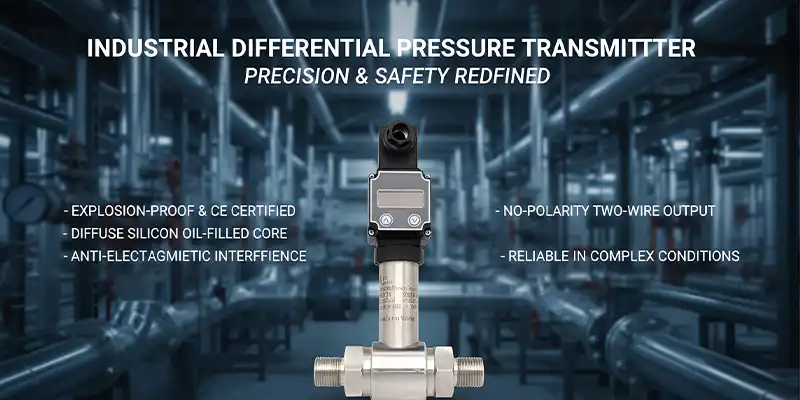
Understanding Differential Pressure Sensors for Corrosive Media
Sophisticated measuring tools called differential pressure sensors are designed to detect pressure differences between two different places in a system. Differential pressure transmitters only pay attention to the pressure differential between its two input ports, as opposed to gauge pressure sensors that compare against ambient pressure or absolute pressure sensors that measure against a pure vacuum.
Operating Principles in Harsh Chemical Environments
A pressure-sensitive diaphragm placed between two chambers, each of which is coupled to a different pressure source, is the basic component of the operation. The diaphragm deflects proportionately in response to pressure variations, producing detectable variations in capacitance or electrical resistance. This deflection is transformed into digital protocols like Modbus or defined output signals like 4–20 mA.
Standard materials rapidly deteriorate in corrosive conditions when they come into contact with harsh chemicals. Alkaline solutions with pH values close to 14 provide similarly damaging difficulties, while strong acids with pH values close to 1 may quickly degrade traditional stainless steel components. For long-term dependability, choosing the right wetted materials becomes essential.
Material Compatibility Challenges
There is more to chemical compatibility than just pH. Variations in temperature, concentrations, and the presence of sulfides or halides may all greatly speed up the pace of corrosion. With its unique 316L stainless steel construction and Hastelloy C276 diaphragm technology, the GAMICOS GPT250 series tackles these issues by offering exceptional resistance to caustic solutions, sulfuric acid, hydrochloric acid, and chlorides that are frequently encountered in industrial processes.
Criteria for Choosing the Best Differential Pressure Sensor for Corrosive Media
A thorough assessment of many operational and technical aspects that have a direct bearing on system performance and total cost of ownership is necessary when choosing suitable pressure measuring systems.
Essential Technical Specifications
Applications require different levels of accuracy; for example, pharmaceutical procedures demand precision levels greater than ±0.1% of span, while general industrial monitoring may tolerate tolerances of ±0.25%. In applications involving corrosive media, where thermal cycling can compromise material integrity and sensor accuracy, temperature compensation becomes more crucial. This is particularly important for a differential pressure sensor, which must maintain accuracy even under challenging environmental conditions.
Both the system static pressures and the needs for differential measurement must be supported by the pressure range capabilities. The GPT250 series is appropriate for high-pressure chemical processing applications where conventional sensors would not work since it can withstand static pressures between 25 and 40 MPa.
| GPT250 Differential Pressure Transmitter | |
| Pressure range | 0~10 kPa...2.5 MPa |
| Pressure type | differential presssure (D) |
| Output signal | 4~20mA 0~5Vdc 1~5Vdc 0~10Vdc |
| Power supply | 10~36Vdc, 8~36Vdc,12~30Vdc |
| Accuracy | 0.25%FS, 0.5%FS |
| Operating temperature range | -40~+85 °C |
| Electrical interface | DIN43650,waterproof outlet |
| Pressure interface | M20x1.5, G1/4,G1/2,1/4NPT, 1/2NPT (customer request) |
| Material of pressure membrane | 316LSS |
| Material of housing | 1Cr18Ni9Ti stainless steel |
| Protection | IP65(for DIN43650), IP(for waterproof lead) |
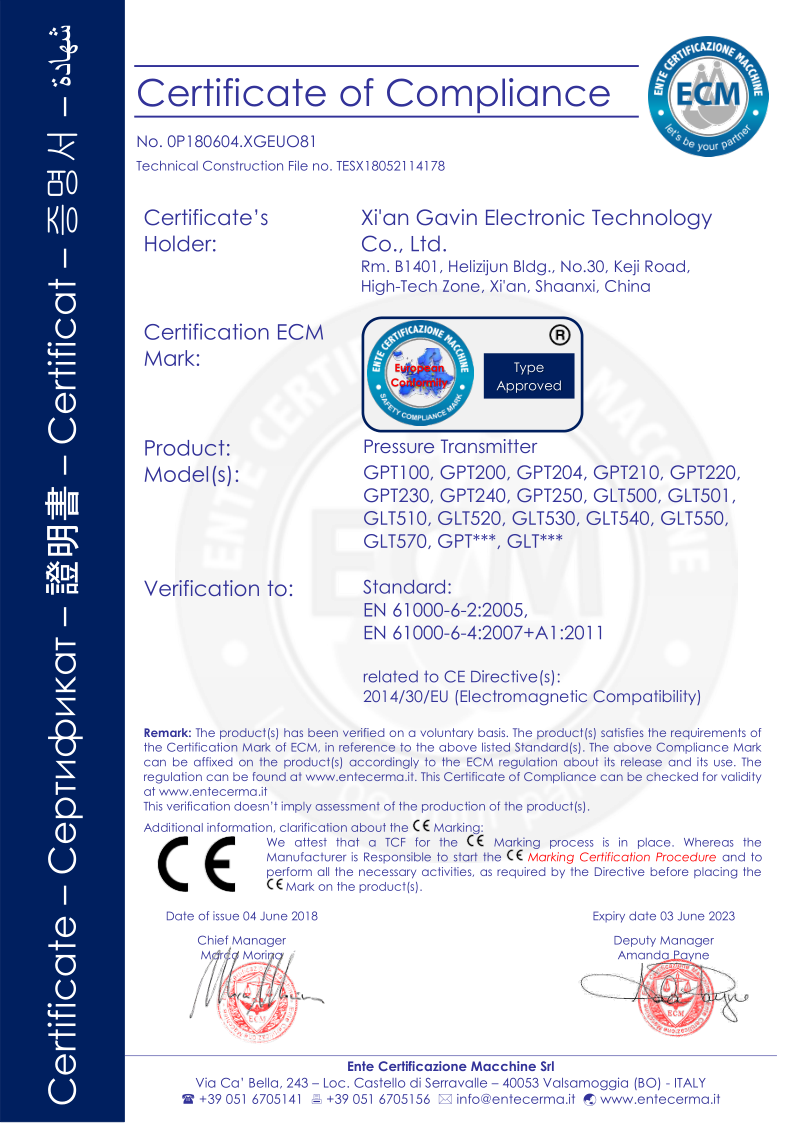
| Certification | CE |
The efficacy of process control is impacted by response time issues. Tighter control loops and faster process upset detection are made possible by fast-responding sensors, which is particularly useful in safety-critical chemical applications where sudden pressure changes might signal hazardous situations.
Installation and Maintenance Considerations
The durability of sensors in corrosive environments is greatly impacted by proper installation procedures. The GPT250 series' twin threaded pressure ports provide versatility for difficult installation situations by supporting both distant installation via impulse lines and direct pipeline placement.
With corrosive media applications, regular calibration becomes even more important because aggressive chemicals have the ability to progressively change sensor properties over time. However, less frequent recalibration is needed for high-quality sensors with better material compatibility, which lowers maintenance expenses and operational disturbance.
When designing a system, access for replacement and maintenance must be taken into account. Sensor service may be done safely thanks to strategic placement, which eliminates the need for prolonged system outage or exposes workers to dangerous chemicals.
Performance and Advantages of High-Precision Differential Pressure Sensors for pH 1–14
When working with harsh chemical conditions that provide a challenge to traditional equipment, advanced pressure measurement technology offers quantifiable advantages across a range of operational parameters.
Enhanced Process Safety and Compliance
Improved safety margins in chemical processing applications are a direct result of more precise process monitoring made possible by high-precision sensors. Operators can identify filter clogging, pump cavitation, or pipeline constraints before they become safety problems by using precise differential pressure measurement.
In the food processing, pharmaceutical, and environmental monitoring industries, regulatory compliance is becoming increasingly strict. Through reliable, traceable readings that meet or exceed regulatory accuracy standards and withstand the typical chemical exposures seen in highly regulated areas, the GPT250 series helps maintain compliance. This is especially true for applications requiring a differential pressure sensor, which ensures precise measurements in such demanding environments.
Operational Benefits and Cost Reduction
Here are the core operational advantages delivered by specialized corrosive media sensors:
• Extended service life: Superior material compatibility reduces replacement frequency, lowering total cost of ownership while minimizing process disruption during maintenance windows
• Reduced maintenance requirements: Corrosion-resistant construction decreases calibration drift and sensor degradation, extending intervals between maintenance activities
• Improved measurement reliability: Stable performance characteristics maintain process control effectiveness even under harsh chemical exposure conditions
• Enhanced safety margins: Early detection of process anomalies through precise pressure monitoring prevents equipment damage and potential safety incidents
These operational improvements collectively contribute to significant cost savings through reduced downtime, lower maintenance expenses, and improved process efficiency.
Real-World Performance Examples
Filter monitoring applications have significantly improved in chemical processing plants that use specialized corrosive media sensors. Predictive maintenance scheduling is made possible by accurate differential pressure monitoring across filter banks, which optimizes the timing of filter replacements and avoids expensive emergency shutdowns.
Precise monitoring of sterile filtering systems is beneficial to pharmaceutical production processes, as it guarantees product quality and shields costly downstream equipment from contamination or overpressure situations.
Procurement Guide: Buying Differential Pressure Sensors for Corrosive Media
Making strategic purchase selections involves striking a balance between short-term expenses and long-term operational advantages, as well as ensuring that technical specifications match application needs and plans for future system growth. This is particularly important when choosing a differential pressure sensor, which must align with both current requirements and future scalability needs.
Supplier Evaluation and Selection
The value of technical support skills often outweighs the original purchase price. In order to prevent expensive specification mistakes that could not be discovered until after installation and commissioning, suppliers with substantial expertise with corrosive media can provide vital application advise.
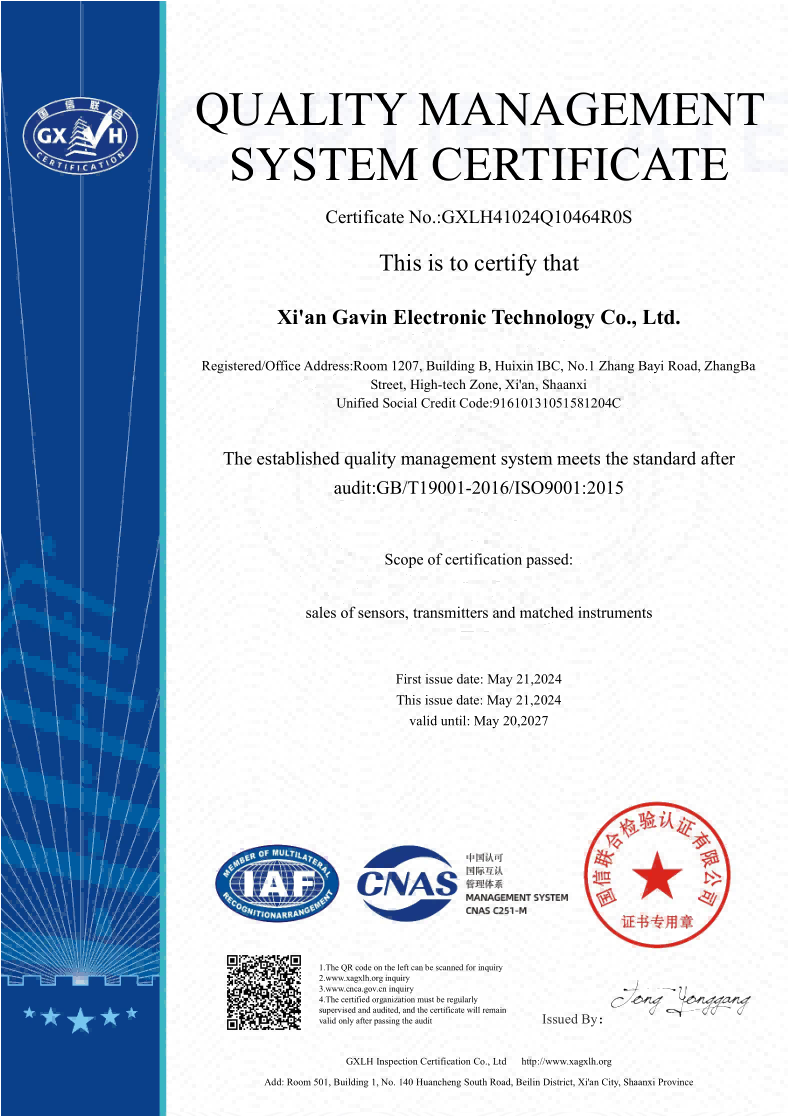
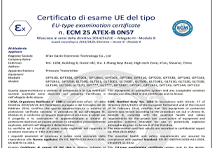
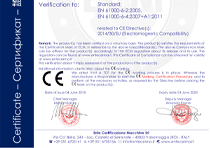
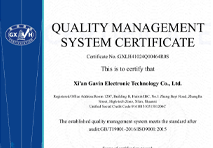
Certifications and manufacturing quality systems provide light on the dependability of suppliers and the uniformity of the final product. While industry-specific certificates show specialized knowledge in challenging applications, ISO 9001 accreditation implies established quality management procedures.
For worldwide operations or projects that need local technical help, global support networks become crucial. Long-term system supportability is ensured and operational risk is decreased by the capacity to provide reliable technical assistance and spare parts availability across many geographical areas.
Technical Specification Verification
Compatibility of output signals must match the specifications of the current control system. Both digital Modbus and analog 4-20mA outputs are available on the GPT250 series, giving it the flexibility to integrate with contemporary distributed control systems while also being compatible with historical equipment.
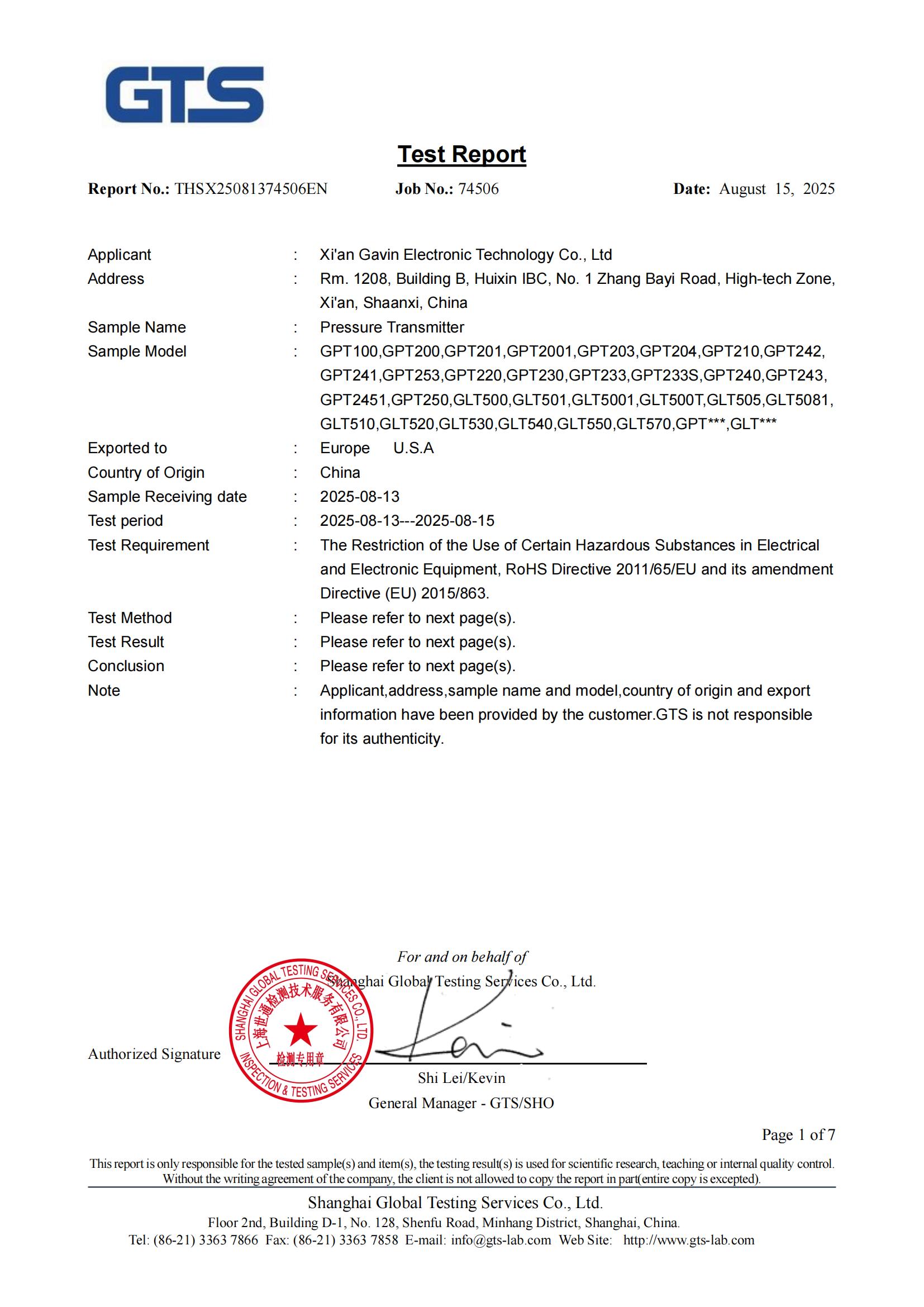
Under difficult installation circumstances, dependable operation is guaranteed by environmental protection ratings. While specialist enclosures may be needed for situations involving explosive atmospheres, IP65 or above ratings provide sufficient protection against moisture and dust intrusion. Industry and application criticality determine the criteria for calibration and certification. Comprehending these specifications at the time of purchase guarantees adherence to relevant norms and laws and avoids delays.
Conclusion
Technical requirements, long-term operating needs, and material compatibility must all be carefully taken into account when choosing differential pressure sensors for corrosive medium applications. The GAMICOS GPT250 series is a prime example of the sophisticated engineering required to provide dependable performance throughout the whole pH spectrum while preserving the precision and stability required by contemporary industrial processes. Optimal long-term value and operational performance are ensured by strategic procurement that prioritizes total cost of ownership above initial purchase price.
FAQ
Q1: What materials are most suitable for pH 1-14 applications?
A: 316L stainless steel combined with Hastelloy C276 diaphragms provides excellent resistance across the complete pH range. This combination resists both strong acids and caustic solutions while maintaining mechanical integrity under high static pressures.
Q2: How often should corrosive media sensors be calibrated?
A: Calibration intervals depend on media aggressiveness and accuracy requirements. High-quality sensors in moderately corrosive environments may require annual calibration, while extremely aggressive applications might need quarterly verification.
Q3: Can standard sensors be used with chemical compatibility charts?
A: Standard sensors rarely provide adequate longevity in truly corrosive environments. Chemical compatibility charts offer general guidance, but specialized corrosive media sensors deliver significantly better performance and reliability.
Choose GAMICOS for Your Differential Pressure Sensor Requirements
GAMICOS delivers cutting-edge pressure measurement solutions specifically engineered for demanding corrosive media applications. Our GPT250 series differential pressure transmitters combine advanced materials technology with precision engineering, providing reliable performance across industries ranging from petrochemicals to pharmaceuticals. With comprehensive technical support, customizable configurations, and proven global reliability, we serve as your trusted differential pressure sensor manufacturer for challenging applications. Contact our engineering team at info@gamicos.com to discuss your specific requirements and discover how our expertise can optimize your pressure measurement systems.
References
1. Smith, J.R., and Chen, L. (2023). "Corrosion-Resistant Materials for Industrial Pressure Sensors: A Comprehensive Analysis." Journal of Industrial Instrumentation, 45(3), 78-92.
2. Anderson, M.K. (2022). "Differential Pressure Measurement in Chemical Processing: Best Practices and Material Selection." Chemical Engineering Progress, 118(8), 34-41.
3. Williams, P.A., Thompson, R.S., and Davis, K.L. (2023). "Performance Evaluation of Pressure Transmitters in Corrosive Environments." Instrumentation Science & Technology, 51(4), 445-462.
4. Rodriguez, C.M. (2022). "Advanced Materials for pH-Extreme Applications in Process Industries." Materials & Corrosion, 73(7), 1012-1025.
5. Johnson, D.E., and Miller, S.T. (2023). "Economic Benefits of Specialized Corrosive Media Instrumentation." Process Safety and Environmental Protection, 178, 156-167.
6. Taylor, B.R., Kumar, A., and Zhang, W. (2022). "Calibration Strategies for Pressure Sensors in Aggressive Chemical Environments." Measurement, 201, 111-125.

Peter
Peter, Senior Sensor Technology Consultant, has 15-year industrial sensor R&D experience. He specializes in the end-to-end development of high-accuracy pressure and level sensors and he firmly believe, precision isn’t just a spec—it’s a promise.
We're here to help — submit your request anytime!
Let us know how we can help solve your pressure level measurement challenge.
_1757930850792.jpg)
Recommended Blog
Differential vs. Absolute Pressure Sensors: Key Differences
Differential vs. Absolute Pressure Sensors: Key Differences
Differential vs. Absolute Pressure Sensors: Key Differences
Differential vs. Absolute Pressure Sensors: Key Differences
Differential vs. Absolute Pressure Sensors: Key Differences
Differential vs. Absolute Pressure Sensors: Key Differences
Differential vs. Absolute Pressure Sensors: Key Differences
Differential vs. Absolute Pressure Sensors: Key Differences
Differential vs. Absolute Pressure Sensors: Key Differences
Differential vs. Absolute Pressure Sensors: Key Differences
Differential vs. Absolute Pressure Sensors: Key Differences
Differential vs. Absolute Pressure Sensors: Key Differences
Differential vs. Absolute Pressure Sensors: Key Differences