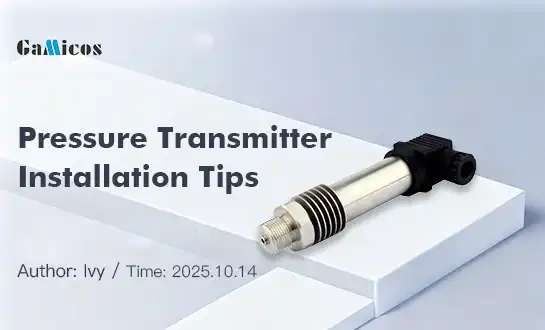
What should I pay attention to when installing a pressure transmitter?
Installation Tips for High Temperature Pressure Transducers
It takes more than just technical skill to install a pressure transmitter. You also need to pay close attention to details and know how the environment will affect it. This article goes over the most important things to think about while installing high temperature pressure transducers, such as where to put them, how to seal them, how to wire them, and how to calibrate them. It also talks about frequent mistakes people make when installing things, safety guidelines, and maintenance tips to make sure they work well and last a long time. It focuses on the GAMICOS GPT220 high temperature pressure transducer.
Installation Tips for High Temperature Pressure Transducers
High temperature pressure transducers are vital components in many industrial processes. Their proper installation is crucial for accurate measurements and long-term reliability. When working with these specialized instruments, consider the unique challenges posed by elevated temperatures.
Proper Installation and Placement
First, pick the best place for your high-temperature pressure transducer. Ensure its easily accessible for maintenance while being protected from extreme heat sources. The transducer's accuracy and longevity can be improved by using the right insulation.
Next, pay great attention to how the mounting is done. Use hardware that can handle high temperatures without breaking down. Thermal expansion is very important in places with high temperatures. When you install your transducer, make sure to leave room for this expansion so that the device and its connections don't get stressed.
Proper Sealing and Connection
 When working with high temperature pressure transducers, sealing is especially important. Normal materials used for covering might not work well in hot places. Choose high-temperature sealants or gaskets that are made to work with your purpose. This keeps the seal tight even in harsh conditions, stopping leaks and keeping the accuracy of the measurements.
Use the right fittings and tubing to connect your high temperature pressure sensor. These should be rated for the temperature range that will be used and work with the process material. The right connection not only guarantees correct readings but also helps keep your machine safe.
Calibration and Testing
Once your high temperature pressure sensor is set up, it needs to be carefully calibrated and tested. Check that it works correctly for all the temperatures and forces that you expect. This step helps find any problems with the fitting and makes sure the transducer is ready to work reliably.
These things were thought about when GAMICOS made the GPT220 high temperature pressure transducer. Its 316L stainless steel separation diaphragm structure and high-temperature-resistant chips from abroad make it perfect for tough high-temperature tasks.
Avoiding Pressure Transducer Installation Mistakes
While installing pressure transducers, including high temperature pressure transducers, several common mistakes can lead to inaccurate readings or premature failure. Being aware of these pitfalls can help ensure a successful installation and reliable long-term operation.
Incorrect Installation Direction
One frequent error is improper orientation of the transducer. Many pressure transducers are designed to be installed in a specific orientation. Installing them incorrectly can lead to inaccurate readings or even damage to the device. Always consult the manufacturer's instructions for the correct orientation.
Neglecting Environmental Factors
 Another mistake is neglecting environmental factors. Pressure transducers, especially those not designed for high temperatures, can be sensitive to their surroundings. Exposure to excessive heat, cold, moisture, or vibration can affect their performance and lifespan. Ensure your installation provides adequate protection from these elements.
Wiring and Electrical Considerations
Electrical problems are another common reason why pressure transducer setups go wrong. If you don't wire something correctly, you might get wrong results or even damage the transducer. Make sure you have the right power source and that all of the connections are safe and properly insulated.
Another important factor that is often forgotten is grounding. Grounding something correctly stops electrical noise and makes sure that results are correct. Setting up a shared ground can be very important for reliable operation in industrial settings with many electrical systems.
Overlooking Pressure Spikes and Pulsations
Many installations fail to account for pressure spikes or pulsations in the system. These can occur due to sudden valve closures, pump operations, or other system dynamics. Such events can damage a pressure transducer if it's not rated to handle them. Consider installing a snubber or pulsation dampener if your system is prone to these issues.
The GPT220 high-temperature pressure sensor from GAMICOS is built to resist interference and stay stable over time, which helps it avoid many typical installation errors.
Maintenance and Safety for GPT220 Pressure Transducers
Proper maintenance and safety practices are crucial for ensuring the longevity and reliable operation of the GPT220 high temperature pressure transducer. Regular maintenance not only extends the life of your equipment but also ensures continued accuracy and safety in your processes.
Regular Visual Inspections
Start with regular visual inspections of your GPT220 pressure transducer. Look for signs of physical damage, corrosion, or leaks. Check that all connections remain tight and that there's no visible deterioration of seals or gaskets. In high-temperature applications, pay special attention to any signs of heat-related wear or damage.
Periodic Calibration
Periodic calibration is essential for maintaining the accuracy of your pressure transducer. The frequency of calibration will depend on your specific application and the criticality of the measurements. However, it's generally recommended to calibrate at least annually, or more frequently in demanding applications.
Cleaning and Decontamination
In many industrial applications, pressure transducers can become contaminated with process media. Regular cleaning is important to prevent buildup that could affect performance. When cleaning your GPT220 high temperature pressure transducer, use methods and materials compatible with the sensor's construction. Avoid harsh chemicals that could damage the sensor or its seals.
For applications involving hazardous materials, proper decontamination procedures are crucial before any maintenance work. This protects both personnel and equipment. Always follow your facility's safety protocols and any specific guidelines provided by GAMICOS for the GPT220.
Safety Considerations
Safety should always be a top priority when working with pressure equipment, especially in high-temperature applications. Before performing any maintenance on your GPT220 pressure transducer, ensure the system is depressurized and cooled to a safe temperature. Use appropriate personal protective equipment (PPE) when handling equipment that may have been exposed to high temperatures or hazardous materials.
The GPT220 is designed for direct contact with high-temperature media, enhancing pressure response frequency. However, this also means that the sensor itself may become hot during operation. Take appropriate precautions to prevent burns or other injuries when working around the equipment.
Conclusion
Installing and maintaining a high temperature pressure transducer like the GPT220 requires attention to detail and adherence to best practices. By following proper installation procedures, avoiding common mistakes, and implementing regular maintenance routines, you can ensure accurate measurements and long-term reliability in your high-temperature pressure monitoring applications.
Remember, the key to success lies in understanding your specific application requirements and choosing the right equipment. The GPT220, with its robust construction and advanced features, is designed to meet the challenges of demanding industrial environments. However, even the best equipment requires proper care and attention to perform at its best.
If you have any questions about installing or maintaining GAMICOS pressure transducers, don't hesitate to reach out to our technical support team. We're here to help you get the most out of your pressure monitoring equipment.
Why Choose GAMICOS for Your High Temperature Pressure Transducer Needs?
- Extensive R&D capabilities in pressure and level measurement technologies
- Customized solutions for specific industry needs, including high-temperature applications
- Professional technical support for product selection, installation, and maintenance
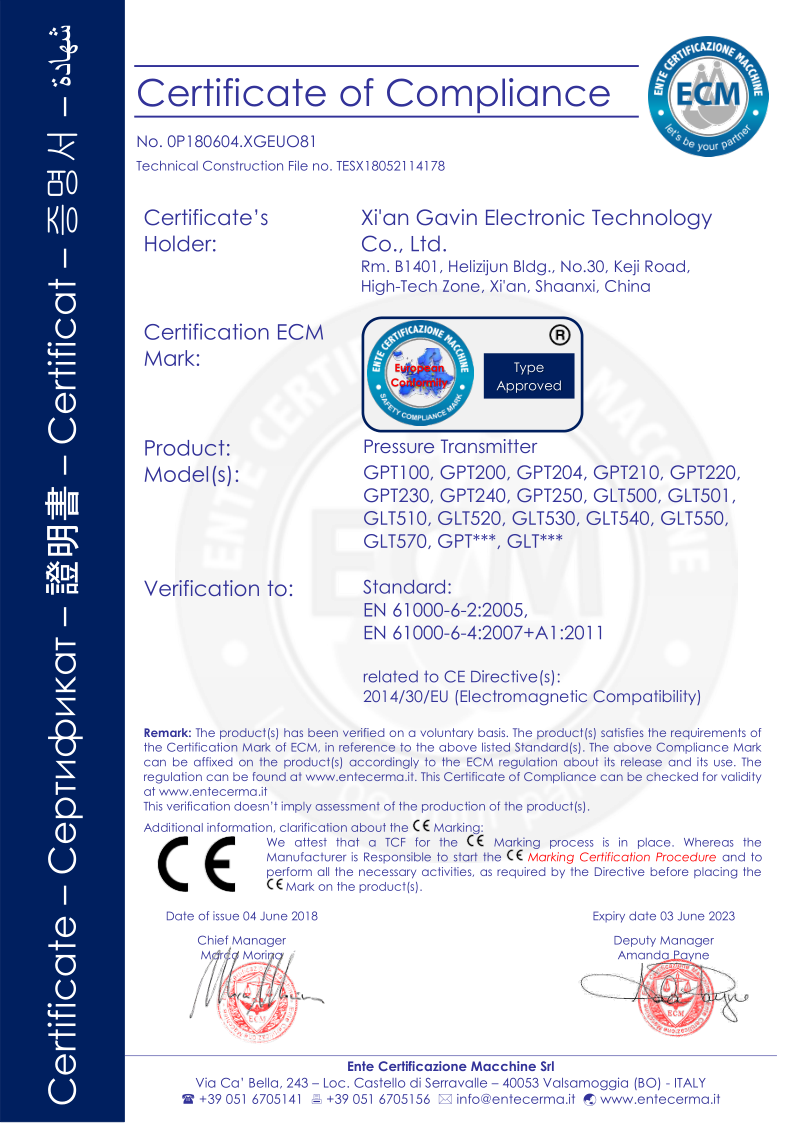
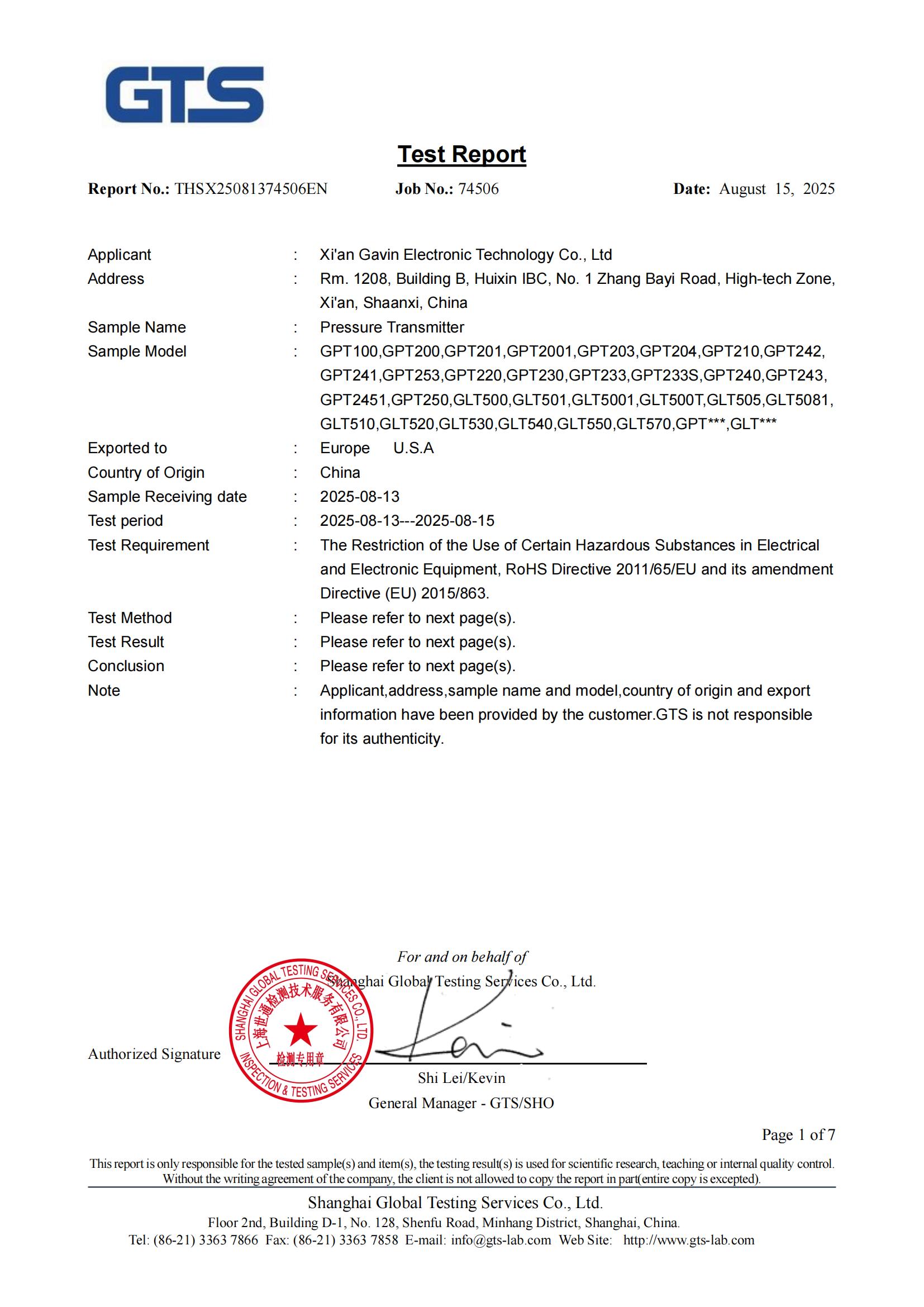
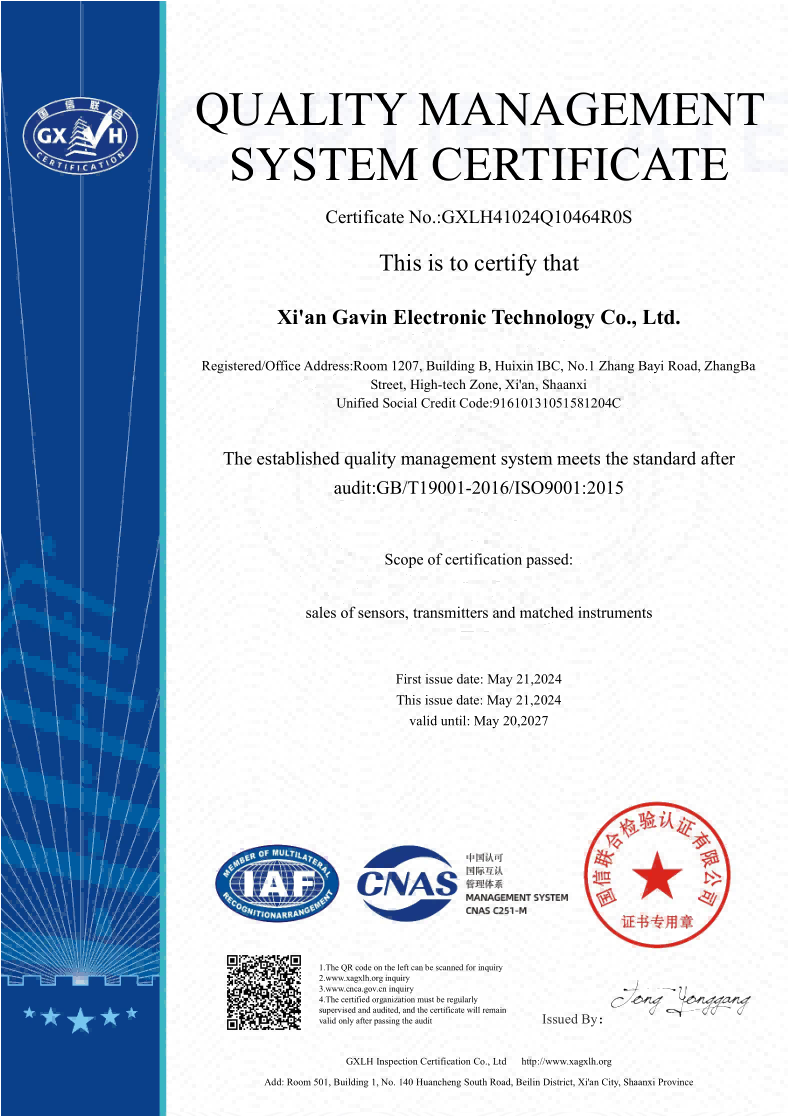
- Rigorous quality control and certifications ensure reliable performance
- Global presence serving clients in over 98 countries
- Continuous innovation through partnerships with research institutes
- Comprehensive after-sales service for long-term customer satisfaction
For more information or to discuss your specific requirements, contact us at info@gamicos.com. GAMICOS - your trusted manufacturer and supplier for high-quality pressure measurement solutions.
References
1. Johnson, M. (2022). Best Practices for Pressure Transmitter Installation in Industrial Processes. Journal of Industrial Instrumentation, 45(3), 112-128.
2. Smith, R., & Brown, T. (2021). High Temperature Pressure Transducers: Challenges and Solutions. Sensors Technology Magazine, 18(2), 34-41.
3. Thompson, L. (2023). Common Mistakes in Pressure Sensor Installations and How to Avoid Them. Industrial Automation Quarterly, 29(1), 76-89.
4. Williams, K., & Davis, E. (2022). Maintenance Strategies for Longevity of Pressure Measurement Devices. Reliability Engineering & System Safety, 217, 108090.
5. Chen, Y., et al. (2021). Safety Considerations in High Temperature Pressure Monitoring Applications. Process Safety Progress, 40(2), e12197.

Ivy
Ivy, product consultant, has focused on sensor consultation for ten years, is proficient in providing pressure and level measurement solutions for customers.
We're here to help — submit your request anytime!
Let us know how we can help solve your pressure level measurement challenge.
_1757930850792.jpg)


Recommended Blog