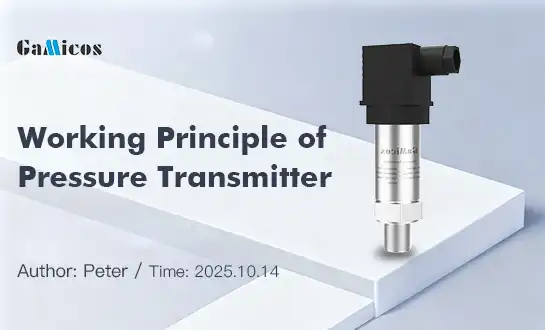
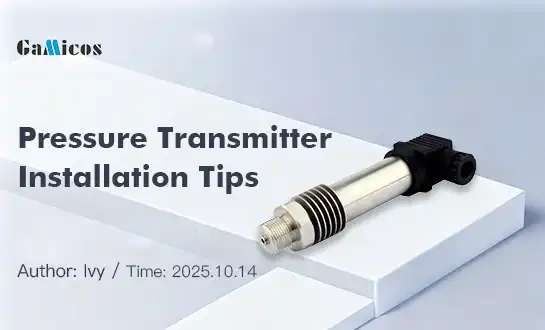
How does a pressure transmitter sensor work?
Key Components of the GPT200 Pressure Sensor
The GPT200 pressure sensor is a dependable and commonly used device for precisely measuring and sending pressure data in industrial and commercial settings. The fundamental working concept begins when applied pressure deforms a sensor element, usually a diaphragm or piezoresistive element, resulting in a proportional electrical output. Advanced models, such as the GPT200 pressure sensor transmitter, use cutting-edge sensing elements paired with digital signal processing to provide remarkable precision and dependability across a wide range of industrial applications.
This article will describe the major components of the GPT200 pressure sensor, investigate its applications across many industries, and provide information on resolving typical GPT200 pressure transmitter difficulties to ensure long-term performance and accuracy.
Key Components of the GPT200 Pressure Sensor
The GPT200 pressure sensor transmitter has several critical parts. These parts work together to ensure precise pressure measurement and reliable signal transmission.
Pressure Sensing Element
The most important part is the pressure sensing element. It is usually made from high-grade silicon or ceramic. These materials have excellent mechanical properties and long-term stability. The sensing element has a flexible diaphragm. This diaphragm moves when pressure is applied. The movement is proportional to the pressure. Piezoresistive elements are built into the diaphragm. They detect these small movements.
These elements are arranged in a Wheatstone Bridge configuration. This bridge changes mechanical stress into changes in electrical resistance. The small electrical changes are then amplified by precision electronic circuits.
Signal Conditioning Circuitry
 A key component of the sensor is the signal conditioning circuitry, a complex electronic module that performs several critical functions. It amplifies the signal, compensates for temperature changes, linearizes the output for accurate pressure response, and filters out electrical noise to maintain stability.
In advanced designs, a microprocessor enhances this process by enabling digital signal processing, real-time calibration, diagnostics, and multiple communication protocols. Temperature compensation is particularly important for reducing or eliminating the effects of temperature changes on sensor measurements. It uses specialized algorithms to correct signal fluctuations to prevent errors and ensure reliable operation under various operating conditions.
Housing and Protection Components
The housing and protective elements are essential for ensuring durability in harsh industrial settings. Typically made from stainless steel or specialized alloys, the housing offers strong resistance to corrosion and shields the sensor from mechanical damage. Advanced sealing techniques further guarantee dependable performance in demanding environments.
These protective measures allow the sensor to operate reliably under high temperatures, corrosive chemicals, and extreme pressure ranges. The electrical connection system is also carefully designed with high-quality terminals and proper cable management, preventing moisture intrusion and preserving signal integrity over long-term use.
Applications and Industries of GPT200 Pressure Sensor
The pressure transmitter is very versatile. It is used in many industrial sectors. Precise pressure monitoring is critical in these sectors for efficiency and safety.
Oil and Gas Industry
In the oil and gas industry, these sensors have crucial roles. They are used in upstream exploration, midstream transportation, and downstream refining. They monitor wellhead pressures and pipeline integrity. They check storage tank levels and process pressures in refineries.
GAMICOS GPT200 pressure sensor's robust construction is a key advantage. Its wide operating temperature range makes it suitable for tough locations. These include offshore platforms and remote areas where reliability is essential.
Chemical and Petrochemical Industry
In the chemical and petrochemical industry, pressure sensors play a vital role in monitoring process conditions such as fluid flow, gas pressure, and reactor performance. They help maintain safe and efficient operations under demanding environments.
The main advantages include high accuracy, corrosion resistance, and durability under extreme pressure and temperature. Pressure sensors also support real-time monitoring, enabling early detection of irregularities, reducing downtime, and ensuring compliance with strict safety and quality standards. The high accuracy of the GPT200 pressure sensor helps in precise process control. This optimizes product quality and reduces waste.
Water treatment facility
 In water treatment facilities, pressure sensors are widely used to monitor pressure of pumps, pipelines, and filtration systems. They ensure steady water flow and detect pressure drops that may signal leaks or blockages.
These sensors improve operational efficiency by providing real-time data for automated control. Their accuracy and durability help maintain consistent water quality, reduce downtime, and support compliance with environmental and safety standards. Our GPT200 pressure sensor helps optimize energy use and ensures compliance with water quality regulations.
Troubleshooting Common Pressure Transmitter Issues
It is important to understand common problems with the pressure sensor. This helps maintain accuracy and extends the sensor's life.
Zero Drift
Issue: Zero drift refers to the offset or change in the output signal of a sensor or measuring instrument over time when the actual input is zero. When this phenomenon occurs, it may be caused by temperature changes, mechanical stress on the sensor, or a dirty pressure port.
Solution: Regular calibration checks can find zero drift early. Advanced pressure transmitters, such as the GPT200, often have built-in microprocessors that automatically reset to zero at a scheduled time or upon startup, reducing the effects of drift.
Unstable or Noisy Sensor Signal
Issue: An unstable or noisy sensor signal is another possible problem. This can be caused by electromagnetic interference from nearby equipment. It can also be caused by poor grounding or bad cable connections.
Solution: Proper shielding helps reduce interference, and maintaining clean, secure electrical connections is crucial. Using twisted-pair cables is recommended. A stable power source is essential for good performance.
Measurement Inaccuracies
Issue: If measurement inaccuracies occur, possible causes include mechanical wear of the sensing element or dirt in the pressure port. Or, the sensor could be that the sensor was exposed to pressure beyond its rating.
Solution: Regular maintenance should include a visual inspection of the pressure connections. The sensing ports should be cleaned with the correct solvents. The measurement accuracy should be checked against a known reference standard. If cleaning and recalibration do not restore accuracy, the sensor may need to be replaced.
Conclusion
Pressure transmitter sensors are sophisticated instruments. They combine advanced sensing technology with robust engineering. This provides reliable pressure monitoring for many different industries. This is done with carefully designed sensing elements and precise signal conditioning circuits. This ensures accurate measurements, even in tough conditions.
Modern devices like the GPT200 use digital processing. This improves performance and adds diagnostic features. These features help with maintenance planning and improve operational reliability.
Enhance your pressure monitoring capabilities with our GPT200 pressure sensor
As a trusted China GPT200 pressure sensor transmitter factory and established supplier, GAMICOS offers comprehensive measurement solutions. We have extensive experience serving clients in 98 countries. We offer flexible OEM/ODM customization services. GAMICOS is ready to help you create greater value through reliable sensor solutions.
Our company advantages:
- Tailored solutions for specific needs
- Competitive GPT200 pressure sensor transmitter pricing
- Standard and specialized designs
- China GPT200 sensor wholesale options and inventory
- Fast delivery and technical support
- Personalized solutions with full-lifecycle technical support
Contact us today at info@gamicos.com to discuss your pressure measurement needs. Discover how our innovative sensing solutions can optimize your operations.
References
1. "Industrial Pressure Measurement: Principles and Applications" by Robert P. Benedict, Instrumentation, Systems, and Automation Society, 4th Edition
2. "Pressure Sensor Technology and Applications" by Dr. Stefan Merlo, International Journal of Sensor Networks and Data Communications, Volume 12
3. "Modern Pressure Transmitter Design and Calibration Methods" by James C. Morrison, Process Instrumentation and Control Handbook, McGraw-Hill Professional
4. "Electronic Pressure Measurement Principles" by Professor David L.

Peter
Peter, Senior Sensor Technology Consultant, has 15-year industrial sensor R&D experience. He specializes in the end-to-end development of high-accuracy pressure and level sensors and he firmly believe, precision isn’t just a spec—it’s a promise.
We're here to help — submit your request anytime!
Let us know how we can help solve your pressure level measurement challenge.
_1757930850792.jpg)



Recommended Blog