Top Differential Pressure Sensor Suppliers in Europe and Asia
Introduction
- Introduction
- Understanding Differential Pressure Sensors and Their Industrial Relevance
- Top Differential Pressure Sensor Suppliers in Europe and Asia
- How to Choose the Best Differential Pressure Sensor Supplier for Your Business?
- Procurement Best Practices: Working Effectively with Differential Pressure Sensor Suppliers
- Future Trends in Differential Pressure Sensors and Supplier Capabilities
- Conclusion
- FAQ
- Partner with GAMICOS for Superior Differential Pressure Measurement Solutions
- References
When searching for reliable differential pressure sensor suppliers across Europe and Asia, industrial procurement managers face numerous options ranging from established German manufacturers to innovative Asian technology companies. These suppliers offer diverse product portfolios, from basic pressure measurement devices to advanced smart sensors with IoT capabilities. Leading differential pressure sensor supplier companies in these regions include Siemens, ABB, WIKA from Europe, alongside Yokogawa, Honeywell, and emerging manufacturers from China and South Korea, each bringing unique strengths in technology, customization, and market-specific solutions.
Introduction
Every part of automated systems needs to be accurate, dependable, and efficient in today's business world. Differential pressure monitors are very important tools that make sure that oil mills, drug factories, chemical processing plants, and energy facilities all work at their best. These high-tech gadgets find the difference in pressure between two places. This information is needed for controlling the process, making sure everyone is safe, and running the business efficiently.
As global supply chains change and industrial automation needs get more complicated, it's more important than ever to choose reliable providers in Asia and Europe. Procurement managers, engineering teams, and project leaders have to deal with a wide range of suppliers while making sure that foreign standards are met, costs are kept low, and delivery dates are kept. This complete guide talks about the important strategic factors that make supplier partnerships work.
We look at both well-known European companies that are known for their precision engineering and new Asian companies that offer advanced technology at reasonable prices. The information in this article helps global B2B clients make smart choices, improve their supply lines, and build long-lasting relationships that support business excellence in many different industries.
Understanding Differential Pressure Sensors and Their Industrial Relevance
A differential pressure sensor supplier provides sensors that operate by measuring the pressure difference between two points in a system, typically using a diaphragm that responds to pressure variations. The diaphragm's deflection indicates whether the pressure difference is positive or negative relative to its resting state. Advanced models employ silicon piezoresistive technology, converting mechanical pressure into electrical signals with exceptional accuracy and stability.
Operating Principles and Core Benefits
Comparing pressure from a side with high pressure to a side with low pressure is the basic idea behind how it works. These days, sensors use many different technologies, such as electromagnetic, inductive, and piezoelectric ones. Depending on the measurement needs and the application setting, each technique has its own benefits. Measurement accuracy improvements are very helpful in industrial settings because they lead to better process control and less waste.
These monitors let you check the state of the filters, the amount of liquid in them, and the flow rates in real time. This helps with planned maintenance and lowers running costs. When pressure tracking systems give you accurate data for making important process choices, it's easier to follow safety rules.
Industrial Applications and Sector Relevance
In many different types of industries, differential pressure monitors are used a lot. In HVAC systems, they check the state of the air filters and make sure that airflow is at its best. Pharmaceutical companies use these monitors to keep an eye on the pressure in cleanrooms and make sure that working areas are always clean. Chemical processing plants need reliable pressure difference data for reactor control and safety systems, and water treatment plants use them to measure flow and keep an eye on filters.
Because these sensors are so flexible, they can be used in a wide range of situations. For example, they can be used in ventilation equipment in hospital settings, fire protection systems, and testing areas for cars. Different uses need different sensor features, such as the ability to fight rust in chemical conditions or the ability to provide high accuracy in laboratories.
Top Differential Pressure Sensor Suppliers in Europe and Asia
The global market for differential pressure sensors features established manufacturers with decades of engineering expertise alongside innovative companies developing next-generation measurement technologies. European suppliers traditionally emphasize precision engineering and robust construction, while Asian manufacturers often combine advanced technology with flexible customization capabilities.
Leading European Manufacturers
European companies that make differential pressure sensors have built their names on high-quality engineering and dependability in harsh industrial settings. Siemens has a wide range of sensors with advanced troubleshooting features that work especially well in process automation applications. ABB makes sturdy sensors that are made to work in tough industrial environments and have a lot of certifications for use in dangerous areas. WIKA is an expert in pressure measurement technology, and its sensors are made to work in harsh environments with high temperatures and corrosion.
The long-term consistency and accuracy preservation of their goods are very good. Keller specializes in providing accurate measurement tools for laboratories and study projects using sensors that work very well. These European companies usually offer a lot of professional help, detailed instructions in a lot of languages, and well-established networks for distributing their products all over the world. Their goods often come with high prices, but they are very reliable and last a long time in tough situations.
Prominent Asian Suppliers
Asian providers bring new ideas, low prices, and the ability to make different kinds of sensors to the market for differential pressure sensors. Japanese precision engineering and cutting-edge digital technology are combined by Yokogawa to make devices with built-in communication methods and smart monitoring features. Honeywell uses production skills around the world to offer cost-effective options that don't lower quality standards.
Emerson offers complete measurement options that include monitors made to improve process speed and cut down on energy use. Their goods have advanced transmission and data processing features that make them perfect for use in Industry 4.0. Chinese makers have become major players because they offer reasonable prices, raise quality standards, and get more foreign approvals. The GAMICOS GPT250 series is a great example of how modern Asian production can be. It has a silicon piezoresistive oil-filled core technology and a stainless steel shell that makes it very resistant to rust.
This built-in differential pressure sensor uses 316L and Hastelloy C276 diaphragm materials, which make it resistant to highly acidic media with pH levels from 1 to 14. The device can handle high pressures and has system static pressure values of up to 25 to 40 MPa. It also has a number of output signals, such as 4-20mA and Modbus connection protocols. Most of the time, these Asian providers offer better customization options, faster development times for unique needs, and cheap prices for large-scale uses. Their growing position in foreign markets shows that they are raising quality standards and getting better at using technology.
How to Choose the Best Differential Pressure Sensor Supplier for Your Business?
Selecting an appropriate differential pressure sensor supplier requires a systematic evaluation of technical capabilities, quality standards, and service support aligned with specific application requirements. Successful procurement begins with clearly defining environmental conditions, accuracy requirements, and integration specifications for the intended application.
Technical Specification Assessment
Environmental suitability is a very important decision factor. In chemical processing environments, sensors need materials that don't react with certain toxic substances. In high-temperature settings, sensors need to be able to handle the heat properly. The pressure range needs to be able to handle both regular working conditions and possible overpressure cases. Different uses have very different accuracy requirements. In the lab, sensors may need to be accurate to within 0.1% or more, but in general industry settings, ±0.5% accuracy might be fine.
Response time needs also affect the choice of sensor, especially in safety-critical situations where sudden changes in pressure need to be picked up right away. As digital communication standards are used more and more in industrial control systems, connectivity between communication protocols is becoming more and more important. Sensors that can communicate through Modbus, HART, or their own protocol make it possible to connect to current control systems and give better troubleshooting data.
Supplier Reliability and Support Services
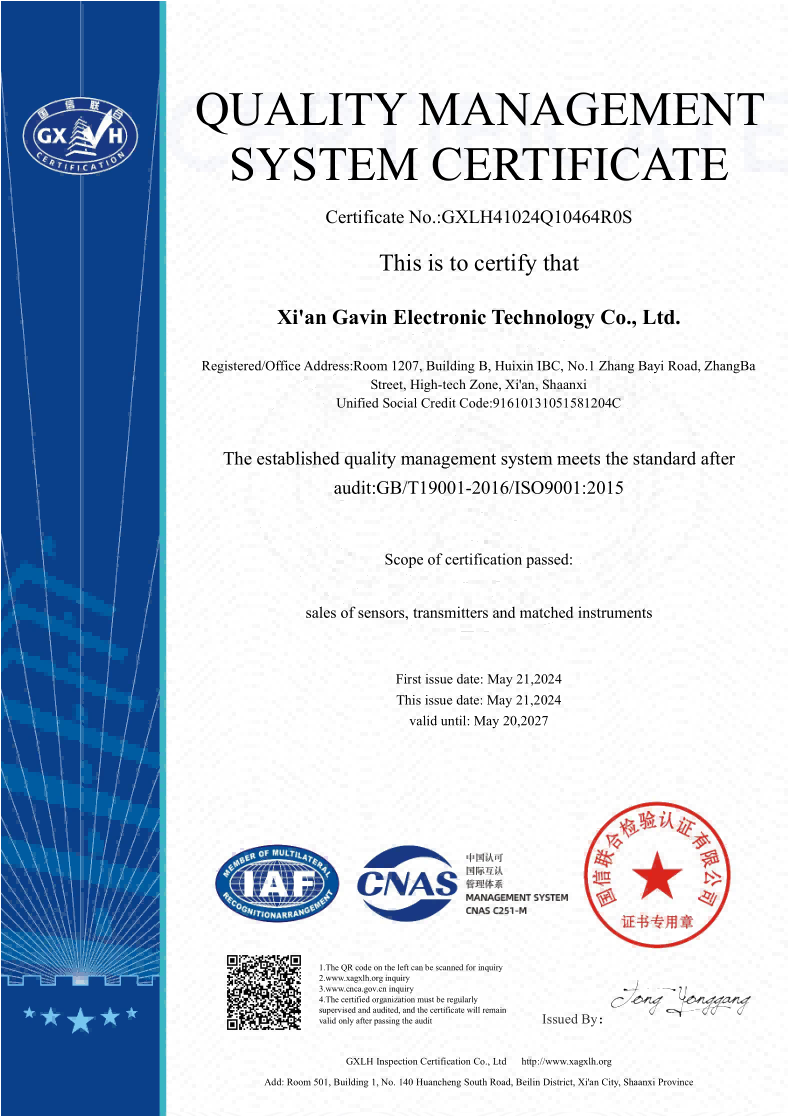
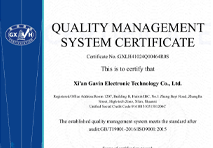
Supplier dependability includes the quality of the goods they make, how quickly they deliver them, and how well they can help with technology issues. Suppliers that have been around for a while usually offer a wide range of quality approvals, such as ISO 9001, related industry standards, and testing tracking. These badges show that quality management is done in a planned way and that measurements are accurate. Different providers offer very different levels of technical help.
Help with application building, installation, testing, and fixing are all parts of comprehensive support. When complicated applications need on-site support or a quick answer to technical problems, suppliers with local expert staff can be helpful. The warranty terms and service policies after the sale show that the source trusts the stability of the product. Longer guarantee terms and full service support show that makers care about their customers' long-term happiness and the performance of their products.
Procurement Best Practices: Working Effectively with Differential Pressure Sensor Suppliers
Effective supplier relationships begin with clear communication of technical requirements, application specifications, and performance expectations. Detailed request for quotation documents should specify environmental conditions, accuracy requirements, output signal formats, and any special certifications required for the application.
Sample Evaluation and Testing Protocols
By asking for samples to be tested, you can make sure that the monitor works well in real-world situations. When checking a sample, its accuracy, temperature index, and long-term safety should all be checked. Recording test results gives you reliable information to use when comparing suppliers and making your final choice. Verification of the calibration is an important part of evaluating samples. Using known standards for independent testing proves the manufacturer's specs and finds any regular measurement mistakes. Temperature cycling tests show properties of thermal stability that are important for uses with changing environments.
Supply Chain Optimization Strategies
Buying in bulk can cut unit costs by a lot while still making sure there are enough supplies for business needs. Suppliers often give customers savings and better prices if they commit to yearly sales levels or long-term supply deals. When planning logistics, things to think about include shipping choices, packing needs, and coordinating arrival times. While European sellers usually stick to their shipping times, special goods may need more time to be made.
Asian sources often have faster lead times for manufacturing, but foreign shipping and customs processes need to be carefully coordinated. Incoming check processes, calibration proof, and performance tracking should all be part of quality assurance systems. Setting clear quality standards and testing criteria helps keep product performance uniform and finds possible quality problems before they affect production.
Future Trends in Differential Pressure Sensors and Supplier Capabilities
The differential pressure sensor supplier industry continues to evolve through technological advancements, digitalization, and integration with Industrial Internet of Things (IIoT) systems. Smart sensor solutions incorporate advanced signal processing, self-diagnostic capabilities, and predictive maintenance features that enhance operational efficiency and reduce maintenance costs.
Technological Innovation and Smart Features
More and more modern differential pressure monitors use microprocessors to process signals, which gives them more advanced diagnosis tools. These smart sensors can find issues like sensor drift, plugged impulse lines, and other problems that lower performance before they affect the accuracy of measurements. Self-diagnostic features make systems more reliable and lower the need for upkeep. Wireless communication means that signal wire isn't needed in many situations.
This lowers the cost of installation and lets sensors be put in places that couldn't be reached before. Wireless devices that are driven by batteries and can work for years on end make it possible to use them for both temporary setups and online tracking. Miniaturization trends make it possible for sensors to be used in applications with limited room while still being accurate and reliable. Smaller sensors also use less material and are easier to place in situations where more than one data point is needed.
Industry 4.0 Integration and Digital Transformation
Leading providers are making monitors that can communicate digitally better and work with Industry 4.0 projects. These monitors offer a lot of diagnostic information, the ability to be set up in different ways, and online tracking, all of which make it possible to use predictive maintenance strategies and improve operations. Connecting to the cloud lets you keep an eye on multiple sensor networks from one place and analyzes data to make processes run more smoothly.
More and more, hardware suppliers are offering cloud-based services that work with their hardware and add value by analyzing data and suggesting ways to make systems run better. Adding artificial intelligence makes it possible for sensor calibration, drift adjustment, and study of what could go wrong in the future to be done automatically. These features make it easier to keep up with upkeep while also making measurements more accurate and the system more reliable over longer periods of time.
Conclusion
Selecting reliable differential pressure sensor suppliers in Europe and Asia requires careful evaluation of technical capabilities, quality standards, and service support aligned with specific industrial requirements. European manufacturers offer proven engineering excellence and comprehensive support, while Asian suppliers provide innovation, competitive pricing, and flexible customization capabilities. Success depends on matching supplier strengths with application requirements while establishing relationships that support long-term operational excellence and supply chain optimization.
FAQ
What factors influence sensor accuracy across different suppliers?
Sensor accuracy depends on manufacturing quality, calibration procedures, and sensor technology. Silicon piezoresistive sensors typically offer superior accuracy compared to mechanical designs. Suppliers with comprehensive quality systems and traceable calibration standards provide more consistent accuracy performance. Environmental compensation features and temperature stability also significantly impact overall measurement accuracy.
How can buyers verify compliance with international standards?
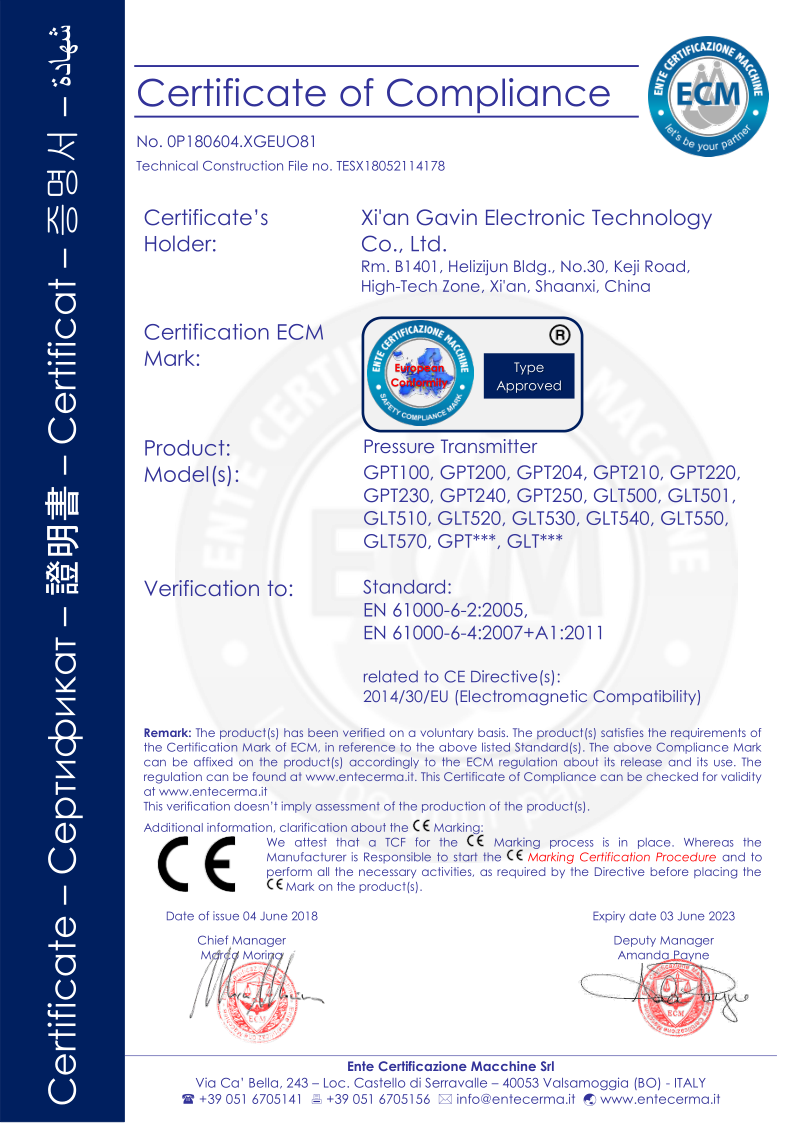
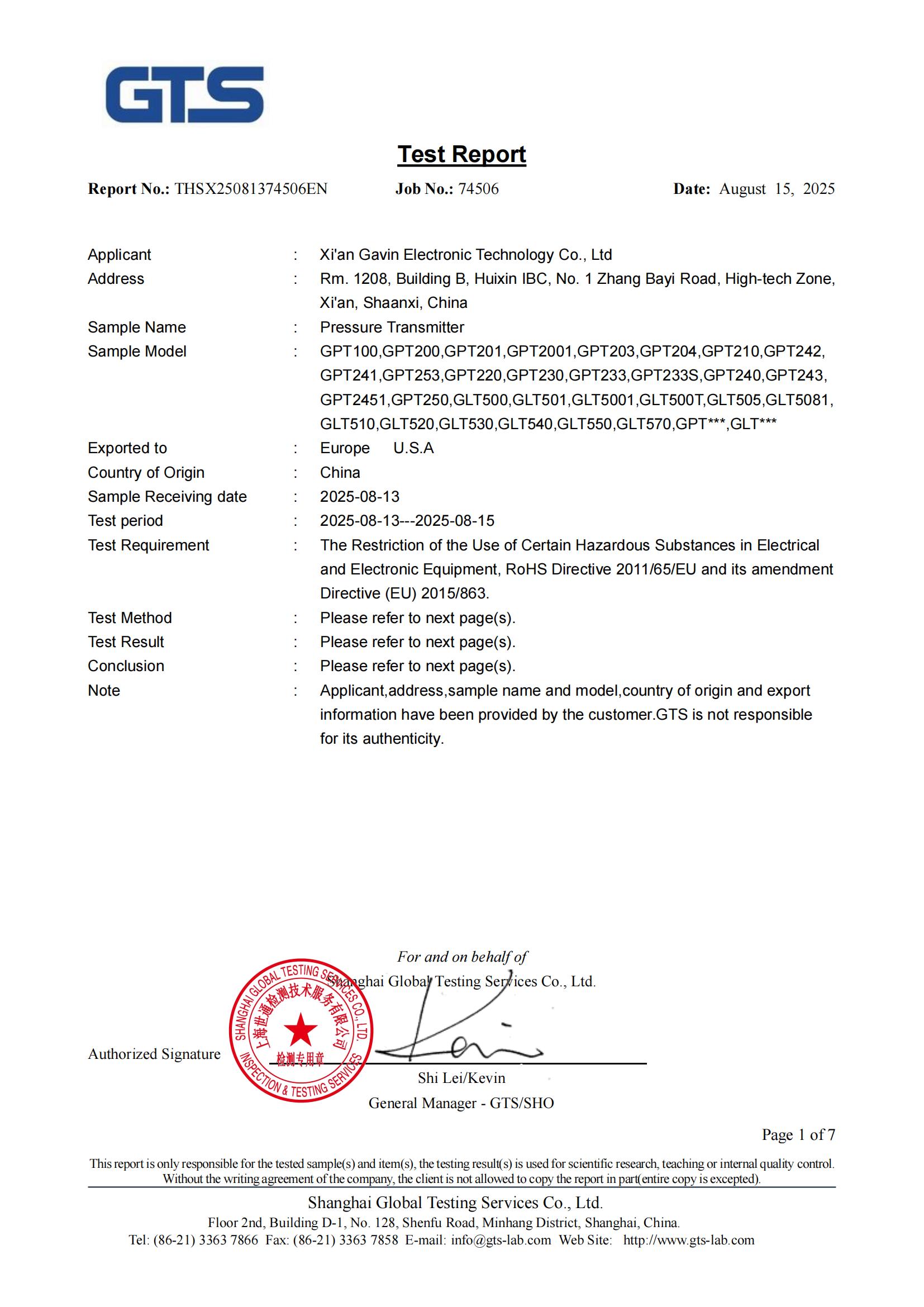
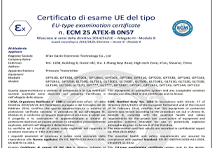
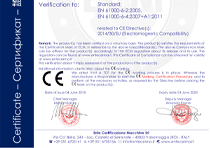
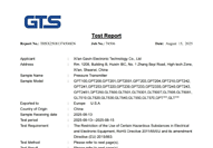
Verify compliance by requesting certification documents including CE marking, RoHS compliance, and relevant industry standards such as IEC 61508 for safety applications. Independent testing laboratory reports provide additional verification of performance specifications. Suppliers should provide calibration certificates traceable to national measurement standards.
What are typical lead times for European versus Asian manufacturers?
European manufacturers typically require 4-8 weeks for standard products and 8-16 weeks for customized solutions. Asian suppliers often provide shorter lead times of 2-6 weeks for standard products and 6-12 weeks for customization. Lead times vary significantly based on product complexity, customization requirements, and current production schedules.
Partner with GAMICOS for Superior Differential Pressure Measurement Solutions
GAMICOS stands as your trusted differential pressure sensor supplier and manufacturer, combining advanced technology with reliable performance for demanding industrial applications. Our GPT250 series differential pressure transmitters exemplify our commitment to quality, featuring corrosion-resistant construction, high-pressure capabilities, and flexible output options. With comprehensive OEM and ODM services, international certifications, and technical support across 100+ countries, we deliver customized solutions that meet your specific measurement requirements. Contact our engineering team at info@gamicos.com to discuss your differential pressure sensor supplier needs and discover how our innovative measurement technologies can optimize your industrial processes and enhance operational efficiency.
References
1. Industrial Automation and Process Control Instrumentation Handbook, 4th Edition. McGraw-Hill Professional, 2019.
2. Pressure and Temperature Measurement in Industrial Applications: Standards and Best Practices. ISA International Society of Automation, 2020.
3. Global Differential Pressure Sensor Market Analysis and Forecast Report 2024-2029. MarketsandMarkets Research, 2024.
4. European Industrial Sensor Manufacturing: Quality Standards and Certification Requirements. European Committee for Standardization, 2023.
5. Asian Manufacturing Capabilities in Precision Instrumentation: Trends and Market Analysis. Asia-Pacific Industrial Research Institute, 2023.
6. Smart Sensor Technologies and Industry 4.0 Integration in Process Industries. Automation World Publications, 2024.

Ivy
Ivy, product consultant, has focused on sensor consultation for ten years, is proficient in providing pressure and level measurement solutions for customers.
We're here to help — submit your request anytime!
Let us know how we can help solve your pressure level measurement challenge.
_1757930850792.jpg)
Recommended Blog
Differential vs. Absolute Pressure Sensors: Key Differences
Differential vs. Absolute Pressure Sensors: Key Differences
Differential vs. Absolute Pressure Sensors: Key Differences