Differential pressure transducers are used in HVAC systems to check airflow, filter conditions, and system function by measuring changes in pressure between two places. These devices turn changes in pressure into electrical messages that can precisely control heating, ventilation, and air conditioning systems. This saves energy and keeps indoor air quality standards high. The goal of this detailed guide is to meet the needs of sourcing managers, engineering teams, and OEM makers who need accurate measurement tools. B2B buyers can improve their buying strategies and get better system performance while keeping the total cost of ownership low by learning about the basic principles, uses, and selection criteria for pressure measurement devices in HVAC systems.
Comprehending Differential Pressure Transducers in HVAC Systems
A differential pressure transducer finds the difference in pressure between two places of measurement. This is important information for controlling and keeping an eye on an HVAC system. Instead of measuring absolute or gauge pressure like single-point pressure monitors do, these devices figure out the difference between high and low pressure sources. This makes them perfect for checking airflow and filter state.
Core Components and Operating Principles
Sensors that react to changes in pressure, circuits in the emitter for data processing, and standard output ports are the main parts. Silicon piezoresistive sensing technology is used in modern units to turn mechanical pressure into electrical signs that are very accurate and stable. Protective diaphragms and oil-filled cores are often built into the detecting element to make sure it works reliably in a range of weather conditions. The raw sensor data is turned into standard outputs like 4-20mA current loops or digital protocols like Modbus by signal processing electronics. Standardized interfaces make it easy to connect to building management systems, programmable logic controllers, and data gathering systems that are popular in business and industrial HVAC settings.
Measurement Ranges and Accuracy Requirements
In HVAC uses, measurement ranges can be anywhere from a few inches of water column to several PSI, based on the situation. For tracking filters, you might need a water column range of 0 to 5 inches, while for monitoring pipe pressure, you might need a range of 0 to 10 PSI or higher. The required accuracy ranges from ±0.5% to ±2% of full scale, which is a balance between performance goals and cost for large-scale applications.
Applications of Differential Pressure Transducers in HVAC
Pressure measurement technology is used in many important ways by HVAC systems, including ones that directly affect energy savings, air quality, and the dependability of their operations. These uses range from simple filter tracking to complex building control systems that use real-time pressure data to improve performance.
Airflow Monitoring and Control
One of the most frequent uses is tracking airflow through ductwork. Differential pressure transducers measure pressure drops across filters, heat exchanges, and duct sections. With this information, variable air volume systems can keep the right airflow rates while using the least amount of energy. To keep things clean and in line with regulations, clean rooms need precise pressure difference care between areas that are next to each other. Accurate pressure measurements are needed to change motor speeds and keep the system running at its best for fan and blower efficiency. When compared to constant-speed systems with bypass dampers, variable frequency drives use pressure feedback to change how equipment works. This saves a lot of energy.
Filter Condition Monitoring
One of the most frequent uses is tracking airflow through ductwork. Transducers measure pressure drops across filters, heat exchanges, and duct sections. With this information, variable air volume systems can keep the right airflow rates while using the least amount of energy. To keep things clean and in line with regulations, clean rooms need precise pressure difference care between areas that are next to each other. Accurate pressure measurements are needed to change motor speeds and keep the system running at its best for fan and blower efficiency. When compared to constant-speed systems with bypass dampers, variable frequency drives use pressure feedback to change how equipment works. This saves a lot of energy.
Choosing the Right Differential Pressure Transducer for HVAC
To choose the right pressure measuring devices, you need to carefully look at their technical specs, the conditions of the surroundings, and their integration needs. As part of the decision-making process, performance needs are weighed against budget limits, and long-term dependability and compatibility with current systems are checked.
Technical Specifications and Performance Parameters
The selection of a differential pressure transducer is based on its measurement accuracy, pressure range, and ability to withstand harsh environments. Accuracy levels in HVAC applications should be between ±0.25% and ±1% of full scale, based on how important the application is. Temperature adjustment keeps performance stable even when the weather changes, and humidity resistance keeps performance from breaking down in HVAC systems, which often have high humidity. The GAMICOS GPT250 series is an example of advanced transducer design.
It has an oil-filled silicon piezoresistive core and a body made of stainless steel, which makes it more resistant to rust. The 316L + Hastelloy C276 diaphragm can handle strong acidic media with pH levels between 1 and 14. It can also handle high pressures of up to 25 to 40 MPa. Different HVAC control systems can be easily integrated with the help of multiple output signals, such as 4-20mA and Modbus.
| GPT250 Differential Pressure Transducer | |
| Pressure range | 0~±5kPa...±5MPa |
| pressure type | Differential presssure (D) |
| overpressure | 150%FS |
| output signal | 4~20mA, 0~5Vdc, 1~5Vdc, 0~10Vdc |
| power supply | 10~36Vdc, 8~36Vdc, 12~30Vdc |
| accuracy | 0.25%FS(min.), 0.5%FS(typ.) |
| long-term stability | ≤0.3%FS/year |
| compensated temperature range | -10~+70 °C |
| operating temperature range | -40~+85 °C |
| storage temperature range | -40~+85 °C |
| electrical interface | DIN43650,waterproof outlet |
| pressure interface | M20x1.5, G1/4,G1/2,1/4NPT, 1/2NPT (customer request) |
| material of pressure membrane | 316LSS |
| material of housing | 1Cr18Ni9Ti stainless steel |
| shock/impact | 10gRMS,(20~2000)Hz / 100g,11ms |
| protection | IP65(for DIN43650), IP(for waterproof lead) |
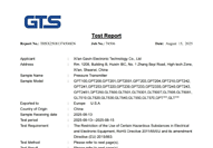
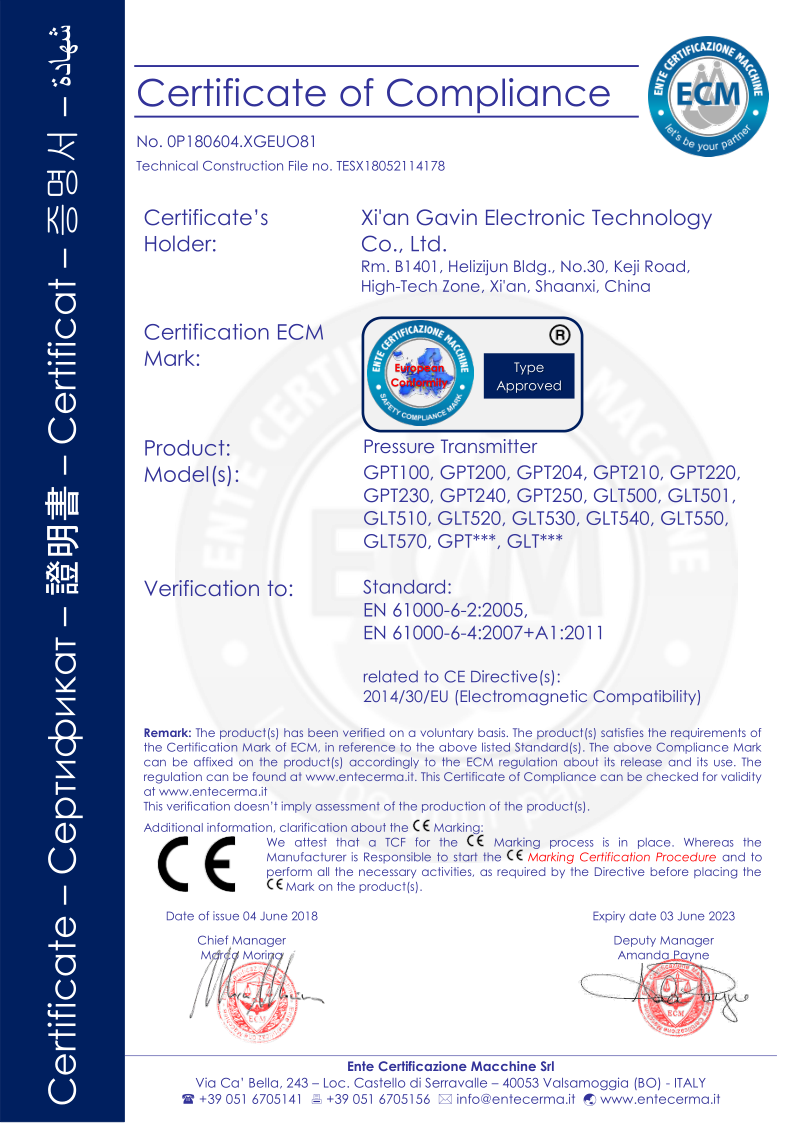
| certification | CE |
| lightning proof | Air-conduction pressure : 8000V, Shell & cable conduction pressure: 4000V |
Communication Protocols and Integration Capabilities
The choice of communication technology affects how hard it is to integrate systems and how much they can grow in the future. Traditional 4-20mA current loops allow for stable, noise-free signal transfer over long distances, while digital systems such as Modbus allow for more complex setup and troubleshooting. Devices that are HART-compatible send and receive both analog and digital signals, which lets them do more without adding more wires. When two building control systems can talk to each other, data can flow smoothly and tracking can be done from one place. Standardizing protocols lowers the cost of integration and makes system upkeep easier, especially in big setups with a lot of different providers and device types.
Troubleshooting and Maintaining Differential Pressure Transducers in HVAC
Effective maintenance strategies preserve measurement accuracy and extend service life while minimizing system downtime. Understanding common failure modes and implementing proactive maintenance procedures reduces total cost of ownership and ensures reliable system operation.
Common Issues and Diagnostic Procedures
The most common repair problems are signal wander, impulse line clogs, and sensor fouling. Signal drift is usually a sign of bad tuning or old parts that need to be replaced or recalibrated on a regular basis. Measurement mistakes are caused by impulse lines that get clogged up with dust, dirt, or condensation. This can be found by comparing results or checking a known pressure source. Extreme temperature changes, shaking, and water getting into the system all speed up the breakdown of parts. These effects can be lessened by using protective shelters and the right way to place them. Also, scheduling regular inspections can help find problems before they affect the system's performance.
Calibration and Maintenance Schedules
For most HVAC applications, an annual adjustment is enough to keep things accurate, but for important uses, it may need to be checked more often. For quality control and legal reasons, calibration methods should use pressure standards that can be tracked and results should be written down. Drift patterns help figure out what devices need to be replaced and when they will need to be calibrated again. As part of preventive maintenance, impulse lines are cleaned, link strength is checked, and the environmental protection system is checked. Keeping track of maintenance tasks and changes in performance over time supports proactive maintenance plans and makes replacement schedules more effective by using real-world device performance as a guide instead of random time frames.
Procurement Insights: Buying Differential Pressure Transducers for HVAC
Effective procurement strategies seamlessly integrate technical requirements with key business considerations, such as supplier reliability, total cost of ownership, and long-term support capabilities. For instance, when sourcing a differential pressure transducer, understanding market dynamics and supplier strengths enables stronger negotiation and reduces project risk. This approach ensures that both performance needs and commercial priorities are fully aligned
Supplier Evaluation and Selection Criteria
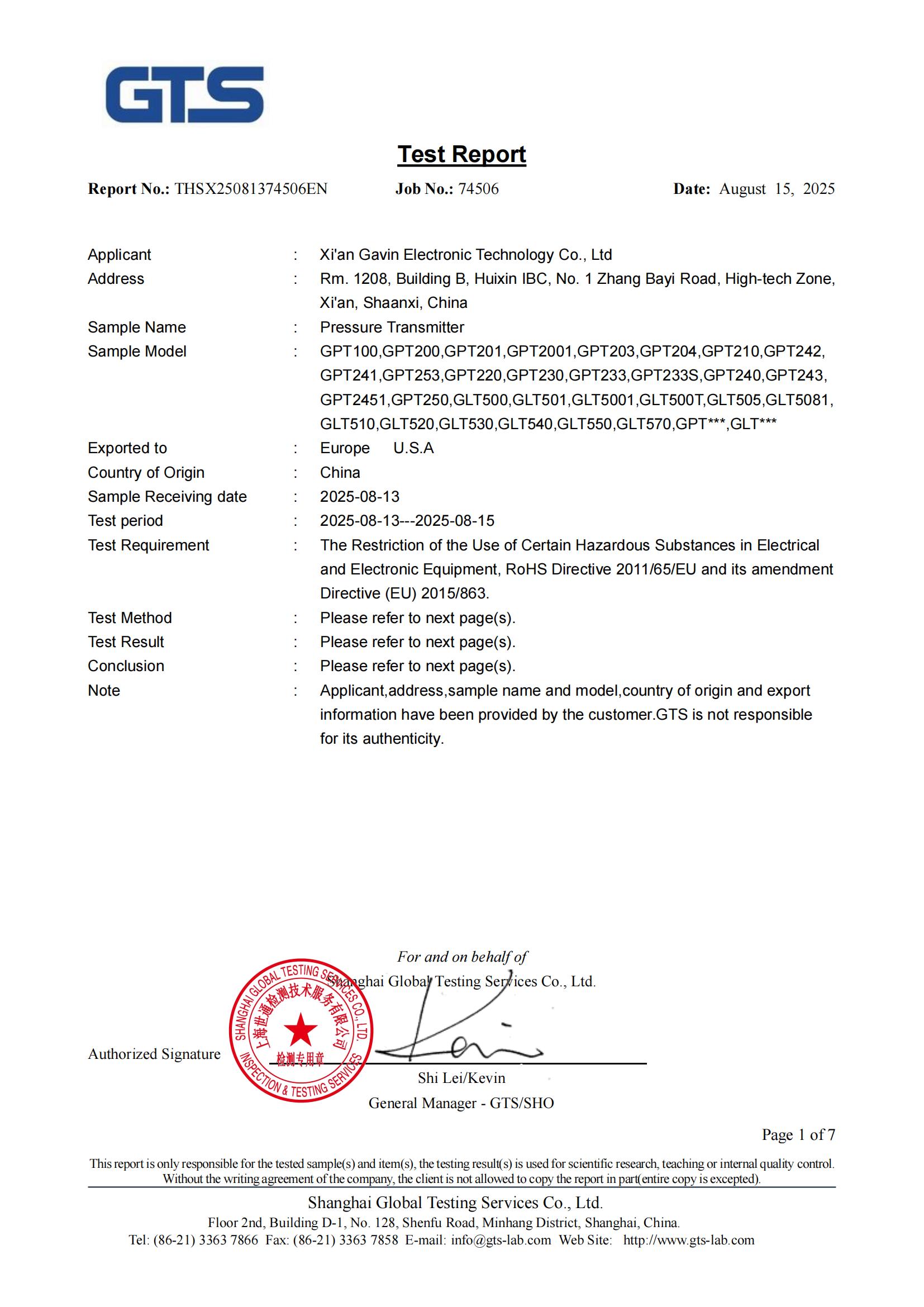
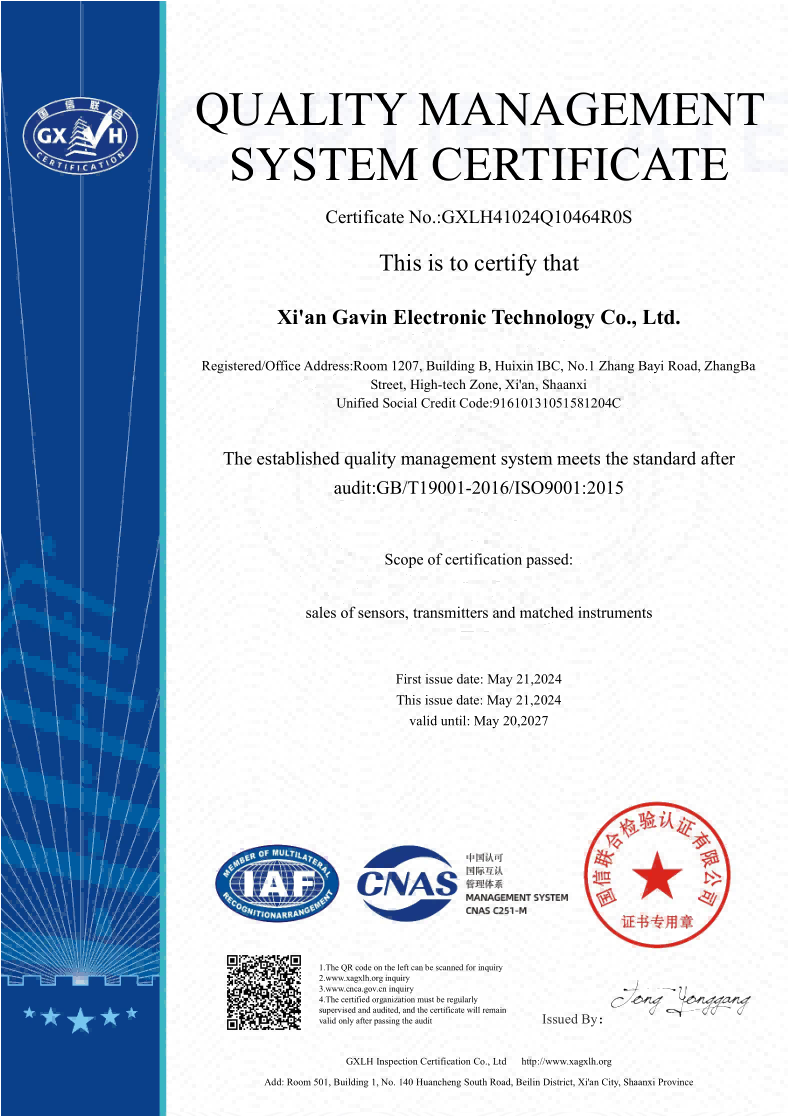
Product quality, expert help, on-time delivery, and long-term business security should all be taken into account when evaluating a supplier. Manufacturers that have been around for a while and have experience in the HVAC market usually offer better application support and product development that meets the needs of the industry. Standards for certification like CE, RoHS, and ISO compliance show that a company is committed to quality and following the rules. GAMICOS shows these traits by having a lot of foreign experience working with clients from over 100 different countries, offering full OEM/ODM services, and having focused R&D resources. The company's focus on constant innovation and customer-centered service fits with the strict needs of B2B buying workers looking for trustworthy supply chain partners.
Commercial Considerations and Negotiation Strategies
When you buy in bulk, you can often save a lot of money, especially on big projects or efforts to standardize things. Sample test programs let you check the performance of the program before committing to a big order. This lowers technical risks and makes sure that the program works with other systems. Long-term supply deals can help you get better prices and make sure that you always have the goods you need. The initial buy price, assembly costs, testing needs, and projected service life should all be included in the total cost of ownership analysis. Higher-quality devices that are more accurate and stable may be worth the extra cost because they need less upkeep and can be serviced more often.
Conclusion
Differential pressure transducers play a vital role in modern HVAC systems by enabling precise airflow control, filter monitoring, and energy optimization. Understanding their operating principles, applications, and selection criteria empowers procurement professionals to make informed decisions that enhance system performance while managing costs effectively. The technology's evolution toward digital communication and advanced diagnostics continues to expand capabilities for building automation integration.
Successful procurement requires balancing technical specifications with commercial considerations, emphasizing supplier reliability and long-term support capabilities. As HVAC systems become increasingly sophisticated, the importance of accurate pressure measurement will continue to grow, making differential pressure transducers an essential component for optimal system operation and energy efficiency.
Frequently Asked Questions
What is the difference between a differential pressure transducer and a differential pressure sensor?
A transducer integrates sensing elements with signal processing electronics to provide standardized electrical outputs like 4-20mA or digital protocols, making it ready for direct connection to control systems. A sensor typically provides only the basic pressure-sensitive element without integrated electronics, requiring additional signal conditioning for system integration.
How often should HVAC differential pressure transducers be calibrated?
Annual calibration maintains acceptable accuracy for most HVAC applications, though critical applications such as clean rooms or pharmaceutical facilities may require semi-annual verification. Calibration frequency should align with application criticality, manufacturer recommendations, and observed drift patterns from historical data.
Can differential pressure transducers operate reliably in outdoor HVAC installations?
Yes, transducers with appropriate environmental ratings can handle outdoor conditions. Look for devices with suitable temperature ranges, humidity resistance, and protective enclosures rated IP65 or higher. The GAMICOS GPT250 series features robust stainless steel construction and corrosion-resistant materials specifically designed for challenging environmental conditions.
Partner with GAMICOS for Superior Differential Pressure Solutions
GAMICOS stands ready to support your HVAC pressure measurement requirements with industry-leading differential pressure transducer technology. Our GPT250 series offers exceptional accuracy, durability, and integration flexibility backed by comprehensive technical support and global service capabilities. Whether you need standard products or customized OEM solutions, our experienced team provides expert guidance throughout the selection and implementation process.
As a trusted differential pressure transducer manufacturer with proven expertise serving customers worldwide, we understand the unique challenges facing procurement professionals in today's competitive market. Contact us at info@gamicos.com to discuss your specific requirements, request technical documentation, or arrange product samples for evaluation.
References
1. American Society of Heating, Refrigerating and Air-Conditioning Engineers. ASHRAE Handbook - HVAC Systems and Equipment. Chapter 37: Building Automation and Control Systems.
2. Peterson, R.M. and Johnson, K.L. "Differential Pressure Measurement in HVAC Applications: Principles and Best Practices." International Journal of Building Systems Engineering, Vol. 45, No. 3, pp. 178-194.
3. Building Performance Institute. "Advanced HVAC Control Strategies Using Pressure-Based Feedback Systems." Technical Standards and Guidelines, Publication BPI-2023-07.
4. Thompson, A.B., Martinez, C.R., and Wong, S.K. "Energy Optimization in Commercial HVAC Systems Through Precision Pressure Monitoring." Energy and Buildings Research Quarterly, Vol. 89, pp. 245-261.
5. International Society for Measurement and Control. "Pressure Transmitter Selection and Installation Guidelines for HVAC Applications." ISA Technical Report ISA-TR37.24.01-2023.
6. European Committee for Standardization. "Ventilation for Buildings - Performance Testing of Components/Products for Residential Ventilation - Part 4: Differential Pressure Measurement." EN 13141-4:2021 Standard.

_1757930850792.jpg)