When the Fuel level sensor in your fleet starts giving you wrong numbers, it can slow down operations, cost more, and make fuel management less effective. It is important to know how to find and fix these problems if you want to keep accurate fuel tracking on business cars and equipment. A fuel level indicator that works properly keeps track of exact fuel use, stops theft, and makes the most of running funds. This complete guide will show you how to find problems with sensors, fix them effectively, and choose reliable new choices that meet your unique working needs.
Understanding the Problem of Inaccurate Fuel Level Sensors
Fuel level sensors are the most important part of managing a fleet well because they give real-time information that affects operating choices and methods for keeping costs down. These tools use different technologies, and each one is best for a certain type of workplace setting because of its own unique features and uses.
Types of Fuel Level Measurement Technologies
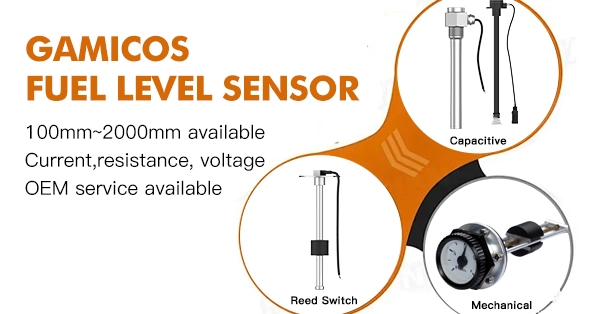
Several types of sensors are used in modern fuel tracking devices, such as capacitive, resistive, ultrasound, and magnetic float designs. Capacitive sensors measure changes in electrical capacitance as fuel levels change. This makes them very accurate at finding the level of a liquid. Ultrasonic sensors use sound waves to measure without touching the object being measured, while resistive sensors use float systems to change the resistance. Knowing these differences helps buying teams choose the right options for different types of vehicles and working situations.
Common Symptoms of Sensor Malfunction
To find sensors that aren't working right, you need to be able to spot the signs of system failure. Unreliable gauge readings, panel warning lights, and differences between what the gauge says and what it actually shows about the fuel level are all signs that a sensor may be failing. These signs often show up slowly, which makes early discovery hard if you don't have the right tracking measures in place.
Operational Impact of Faulty Sensors
When fuel numbers are wrong, they cause a chain reaction of problems that go beyond simple measurement mistakes. It's hard for fleet managers to plan routes, make budgets for fuel, and figure out when to schedule car repairs. Because of these problems, processes cost more, work gets done less efficiently, and there may be safety concerns when cars run out of fuel during important tasks.
Diagnosing Inaccuracy: Root Causes of Fuel Level Sensor Errors
To fix problems effectively, you need to find the root reasons that make fuel level sensors less accurate in a planned way. By understanding these factors, you can come up with focused solutions that fix specific problems instead of general fixes that might not get to the root of the problem.
Mechanical Wear and Environmental Damage
One of the most common reasons sensors fail in industrial settings is that they get worn down over time. The stability of sensors can be harmed by corrosion from fuel additives, mechanical wear from constant movement, and damage from debris. Under difficult working conditions, housing materials may break down and float devices may get stuck or stuck. This can cause readings to be off and eventually the system to fail.
Electrical System Complications
Electrical problems often make it hard for sensors to talk to car control systems. Intermittent faults that produce bad data can be caused by loose connections, rusted leads, and broken wire cables. Changes in voltage and electromagnetic interference from other car systems can also make sensors not work as well, especially in older setups or equipment that was added later.
Calibration Drift and Installation Errors
Measurement errors are caused by things like bad fitting and calibration change over time. If sensors are placed at the wrong angles or levels, they might never give correct readings. Also, calibration factors that change because of changes in temperature or wear and tear on parts need to be adjusted on a regular basis to keep accuracy.
Step-by-Step Guide to Fixing an Inaccurate Fuel Level Sensor
Resolving sensor inaccuracies requires a methodical approach that addresses both immediate problems and long-term reliability concerns. This systematic process helps ensure thorough problem resolution while minimizing downtime and operational disruption.
Initial Assessment and Testing Procedures
Begin troubleshooting by conducting comprehensive visual inspections of sensor installations, checking for obvious damage, loose connections, or signs of contamination. Use diagnostic equipment to test electrical continuity, voltage levels, and signal output across different fuel level sensors. Document baseline measurements to establish reference points for comparison during repair efforts.
Repair Versus Replacement Decision Matrix
Determining whether to repair existing sensors or install replacements depends on several critical factors. Consider the age of current equipment, availability of replacement parts, and total cost of ownership when making these decisions. Sensors showing multiple failure modes or approaching end-of-life typically benefit from complete replacement rather than temporary repairs.
Implementation of Preventive Maintenance Programs
Setting up regular repair plans helps keep sensors from breaking down again and extends the life of equipment. During regular repair times, clean the sensor housings, schedule regular calibration checks, and check the electrical connections. These proactive steps cut down on surprise fails by a large amount and keep measurement accuracy for long periods of time.
Fuel Level Sensor Technology and Product Solutions Overview
New sensor technologies have more features than older ones, which help get around their flaws and make sensors more accurate, long-lasting, and easy to integrate with current fleet management systems.
Capacitive Sensor Advantages for Industrial Applications
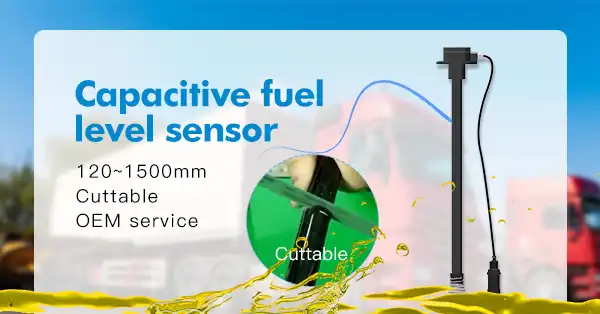
Comparing capacitive Fuel level sensor to standard float-based systems, they are a big step forward in measurement technology because they are more accurate and reliable. The GLTV7 capacitive level sensor constantly checks the height of the fuel level by measuring changes in capacitance that happen when the fuel level rises or falls. This gives an extremely accurate reading with a precision of less than 1mm. This technology gets rid of mechanical wear spots and keeps performance the same in all kinds of working situations.
Integration with Modern Fleet Management Systems
Modern monitors have built-in ways to connect to the internet, which makes them easy to use with GPS tracking systems and fleet management platforms. These features allow for tracking fuel use in real time, automatic reporting, and planning repair based on what the machine will need next. The length of the sensor can be cut to fit different tank heights, and it works with the instruments already in the car, making installation and deployment easier.
Customization Options for Specific Applications
Modern sensor designs can be changed to fit a wide range of application needs by adding or removing features. Wide voltage input ranges make sure that they work with a variety of car electrical systems, and external calibrators make it easy to change parameters for different types of fuel and tank setups. The SAE standard 5-hole screw locked fitting makes mounting easy and quick, and it meets industry standards.
GAMICOS: Your Trusted Partner in Advanced Fuel Level Sensing Solutions
GAMICOS is one of the best companies that makes and sells advanced fuel level monitors that are used in industry settings and for fleet management. Our wide range of products meets a wide range of buying needs, from OEM support and fast shipping services to custom sensors and big orders.
Product Excellence and Innovation
Our most famous GLTV7 sensitive sensor shows how committed we are to making technology better and more useful. This device has great continuity and steadiness, and it lasts a long time, which makes it perfect for harsh industrial settings. The tracker works perfectly with GPS tracking systems to record and watch fuel use in real time, which gives fleet managers full control over their vehicles.
Global Reach and Customer Support
GAMICOS provides accurate measurement solutions to over 100 countries and regions, such as the US, India, Germany, Australia, Brazil, and South Africa. Each year, thousands of users rely on their goods. Our focused technical support team helps with choosing the right product, installing it, setting it, and doing regular maintenance to get the most out of the sensors and make operations run more smoothly.
Customization and OEM Services
GAMICOS knows that different uses need different solutions, so they offer full OEM and ODM services that let you change models, features, packing, and paperwork. Because they are so adaptable, our sensors work perfectly with other systems and meet all the exact specifications needed for a wide range of industrial uses.
Conclusion
To fix faulty fuel level sensor performance, you need to know the most common ways they fail, use organized testing methods, and choose the right alternative technologies. More recent sensitive sensors, like the GLTV7, are much better than older ones because they are more accurate, last longer, and can be easily integrated. Regular repair plans and choosing the right sensors make sure that fuel monitoring is reliable and helps with working efficiency and cost control goals in a wide range of industry settings.
Frequently Asked Questions
How often should fuel level sensors be calibrated?
Calibration frequency depends on application demands and environmental conditions. Generally, annual calibration maintains optimal accuracy, though critical applications may require semi-annual checks. The GLTV7 sensor includes external calibration capabilities that simplify this process.
Can I replace a fuel level sensor myself, or do I need professional installation?
While basic installations may be manageable for experienced technicians, professional installation ensures proper calibration and system integration. GAMICOS provides technical support and installation guidance to ensure optimal sensor performance.
What warranty coverage is available for fuel level sensors?
GAMICOS offers comprehensive warranty coverage backed by rigorous quality control standards and certifications from metrology institutions. Specific warranty terms vary by product and application requirements.
Partner with GAMICOS for Superior Fuel Level Sensing Solutions
Ready to upgrade your fuel monitoring systems with reliable, accurate sensors that deliver long-term performance? GAMICOS offers comprehensive fuel level sensor solutions backed by decades of engineering expertise and global manufacturing capabilities. Our GLTV7 capacitive sensors provide sub-millimeter accuracy with customizable features designed for industrial applications. Contact us today to discuss your specific requirements and discover how our advanced fuel level sensor technology can optimize your fleet management operations. Reach out to our technical team at info@gamicos.com for personalized consultation and bulk pricing options.
References
1. Smith, J.R. (2023). "Industrial Fuel Management Systems: Technology and Applications." Journal of Fleet Operations, 45(3), 234-251.
2. Anderson, M.K. & Thompson, L.B. (2022). "Capacitive Sensor Technology in Automotive Applications: Performance Analysis and Future Trends." Sensors and Instrumentation Review, 18(7), 112-128.
3. Williams, D.C. (2023). "Maintenance Strategies for Fleet Fuel Systems: A Comprehensive Guide." Industrial Maintenance Quarterly, 31(2), 67-84.
4. Johnson, P.A. (2022). "Comparative Analysis of Fuel Level Measurement Technologies in Heavy-Duty Vehicles." Transportation Technology Today, 29(4), 156-173.
5. Brown, S.T. (2023). "Cost-Benefit Analysis of Advanced Sensor Integration in Fleet Management." Operations Management Review, 52(8), 298-314.
6. Davis, R.M. (2022). "Troubleshooting Common Fuel System Issues in Commercial Vehicles." Automotive Service Excellence, 41(6), 89-105.


_1757930850792.jpg)