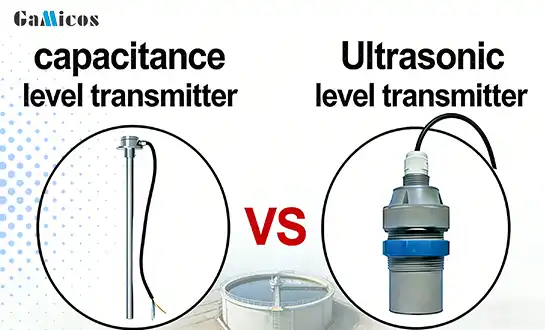
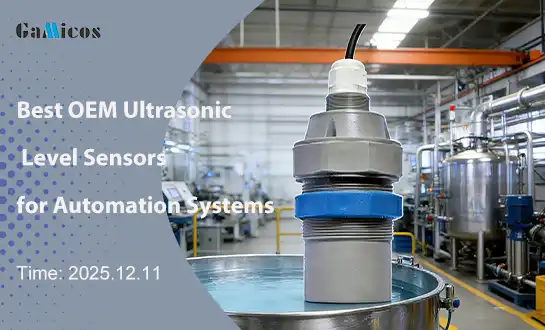
Ultrasonic liquid level sensors are now essential in the food and drink business because they provide accurate, non-contact measurement options that keep product quality and cleanliness standards high. As rules get stricter and the need for automation grows, ultrasonic sensor technology keeps getting better at accuracy, better at integrating with other systems, and generally performing better. This detailed guide looks at these new technologies and explains why ultrasonic monitors are becoming more popular for checking the amount of liquids in places where food is processed, stored, and packed.
Understanding Ultrasonic Liquid Level Sensor Technology
The fundamental operating principle of ultrasonic liquid level sensor measurement involves emitting high-frequency sound pulses and calculating the echo return time to determine liquid levels with exceptional accuracy. This non-contact methodology eliminates contamination risks while providing continuous monitoring capabilities essential for food safety protocols.
Core Components and Signal Processing
Modern ultrasonic devices have complex actuators and signal processors that can instantly adjust to different liquid qualities and weather conditions. This technology is shown by the GAMICOS GUT series, which has automatic power change, gain control, and temperature compensation features that make sure it works well in a wide range of situations. These sensors use sophisticated recognition methods and a wide range of software features that are made to work well in complicated industrial settings.
Calibration Requirements for Food Applications
When calibration is done for food and drinks, certain liquid properties must be taken into account, such as changes in density, temperature, and foam production. Calibration that is done correctly keeps measurements accurate and in line with cleanliness standards. The GUT series has a number of output choices, such as a customizable switch output, a high-precision 4-20mA current output, and RS485 digital communication. This makes it easy to connect to existing control systems.
Comparative Advantages Over Alternative Technologies
Ultrasonic technology has many advantages over inductive, radar, and pressure-based sensors. These advantages include easier upkeep, meeting strict cleanliness standards, and lower costs for application. Ultrasonic energy can be directed and sent over long distances thanks to these ultrasonic liquid level sensors' high directivity and strong penetration. This makes them perfect for large storage tanks and processing vessels.
Types of Ultrasonic Liquid Level Sensors and Their Industrial Applications
The food and beverage industry requires diverse sensor configurations to accommodate varying process requirements and environmental conditions. Understanding these different types helps engineers select optimal solutions for specific applications.
Fixed-Mount and Portable Sensor Configurations
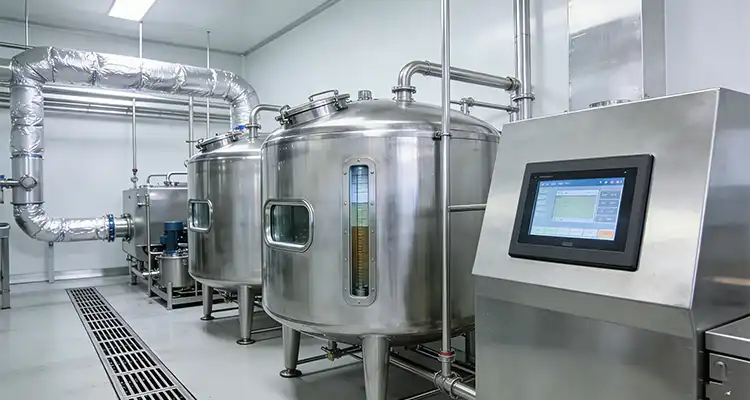
Fixed-mount ultrasonic sensors can be permanently installed for uses that need to watch something all the time, while movable versions can be used for readings and quality control checks that need to be done on the spot. Die-cast metal housing with security grades up to IP67 is available as an option for the GUT series. This makes sure that the devices will last in harsh industrial settings. These devices can send either wirelessly or wiredly, so they can be easily integrated with current industrial systems. For tracking dairy products, fruit drinks, and processed water in tanks, automatic level controls make the process much more efficient while still meeting clean standards. The non-contact measurement concept gets rid of possible sources of pollution and gives real-time data for improving the process.
Specialized Designs for Wash-Down and CIP Processes
Sensors used in food preparation plants need to be able to resist harsh cleaning methods like wash-downs and Clean-in-Place (CIP) routines. When designing a hygienic sensor, special materials and building methods are used that keep the measurement accuracy even after many cleaning processes. Using these sensors in the real world shows that they improve operating efficiency by working the same way during both the production and cleaning stages. The strong construction provides a longer working life while reducing the need for upkeep and the costs that come with it.
How to Choose the Best Ultrasonic Liquid Level Sensor for Food & Beverage Operations?
To choose the right Ultrasonic Liquid Level Sensor, you need to carefully consider the level of accuracy needed, the surroundings, and how well they will work with the control system you already have. To make good buying choices, you need to match performance requirements with cost concerns while also making sure that the decision will be reliable in the long run.
Performance and Environmental Assessment
Some important things to think about when evaluating something are the measurement range needs, the accuracy requirements, and the external conditions, like temperature changes, humidity levels, and possible influence sources. The GUT series solves these problems with features like automatic power adjustment and gain control that keep measurements accurate even when conditions change.
Supplier Evaluation and Certification Requirements
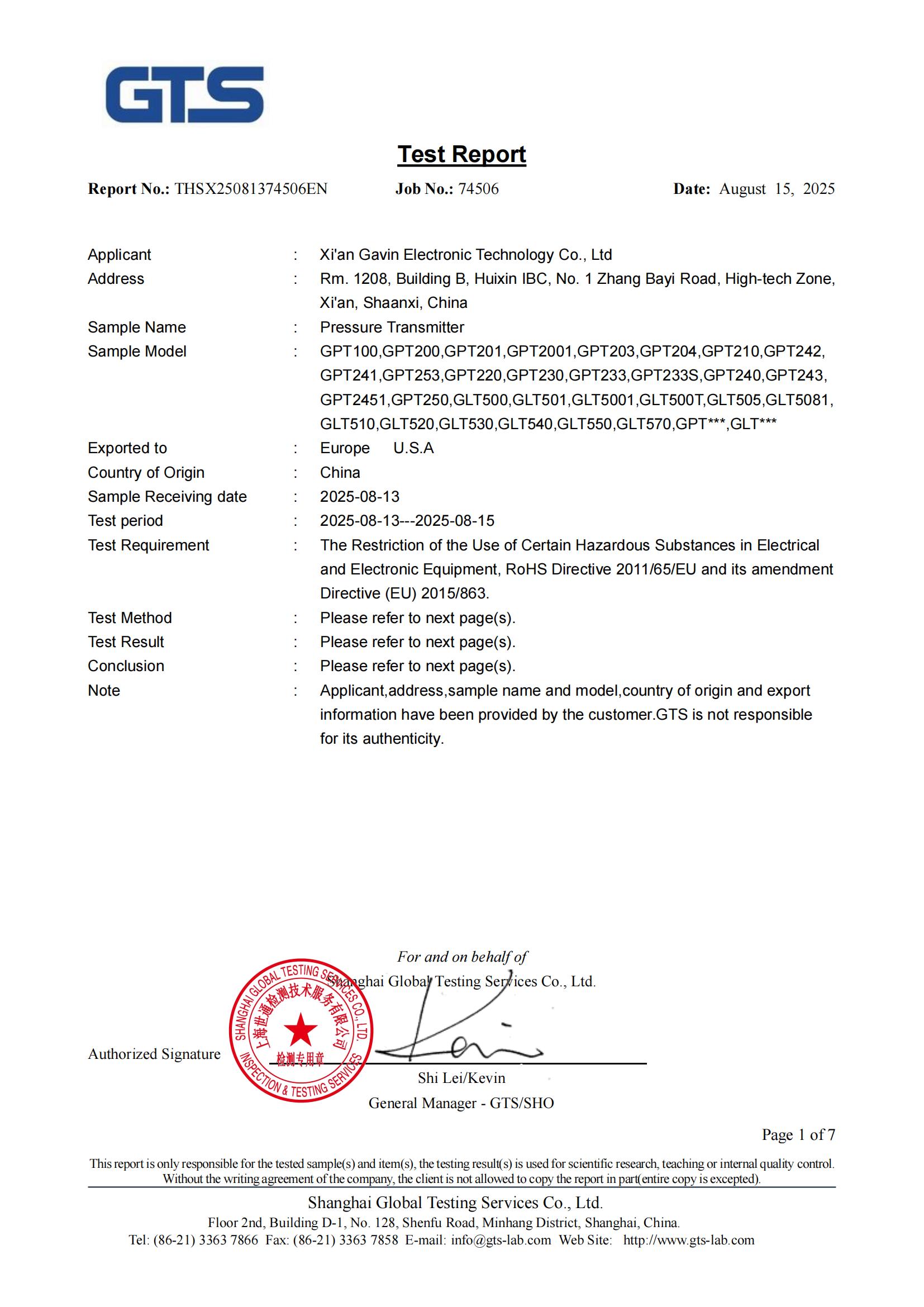
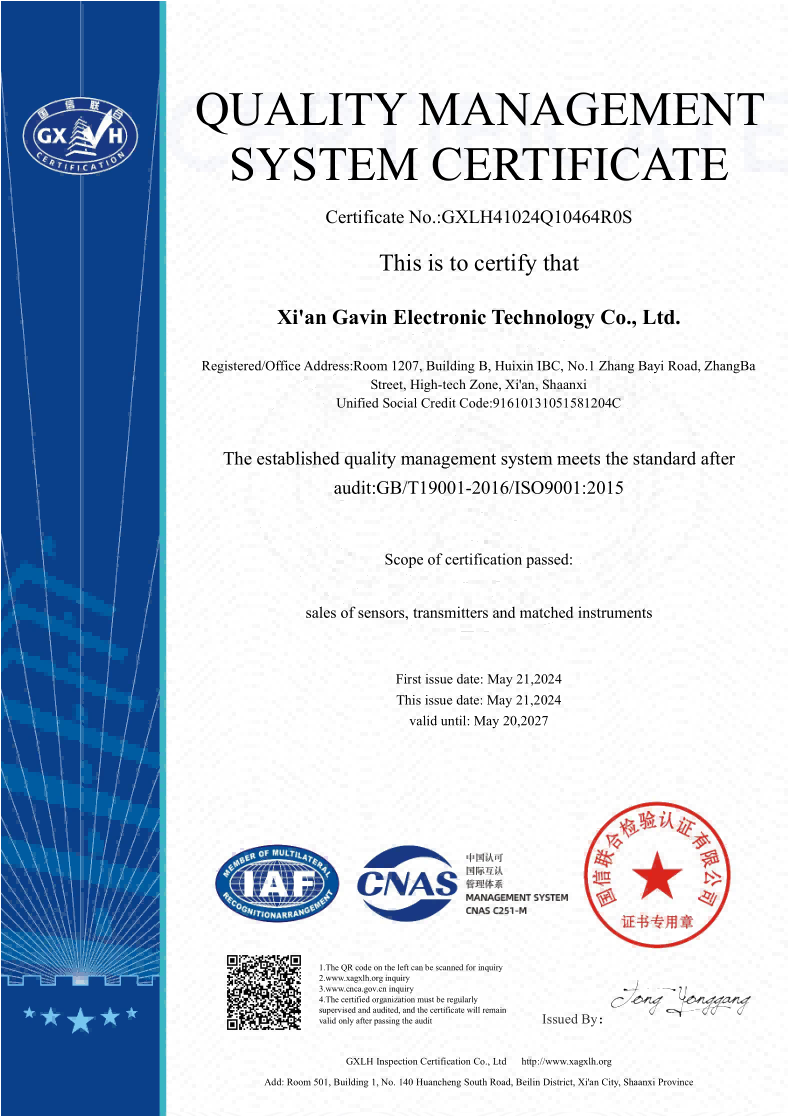
The image of the seller, their technical support skills, and any applicable qualifications, such as FDA safety and EHEDG standards, must all be taken into account by procurement teams. GAMICOS offers detailed technical advice, on-site help, and accurate testing services that are made to fit a wide range of liquid tracking needs. Our global shipping network makes sure that deliveries happen on time and that customers are taken care of after the sale. For big food and drink facilities, the best investment returns come from buying in bulk and being able to tailor the production process. OEM and ODM services let you completely change the specs, packing, and paperwork of a sensor to meet the needs of a particular application.
Installation, Calibration, and Troubleshooting for Optimal Performance
Proper installation procedures and ongoing maintenance protocols ensure optimal sensor performance while maintaining compliance with food safety regulations. Strategic planning during installation phase prevents common operational issues and extends equipment service life.
Strategic Installation Planning
When placing sensors, it's important to think about how to keep foam production, gas emissions, and physical barriers to a minimum while still following strict cleanliness guidelines. Installation directions stress how easy it is to do upkeep tasks and how important it is to follow cleaning instructions in order to meet food safety standards.
Calibration and Maintenance Protocols
The steps for calibration have to be in line with certain qualities of the liquid, like its temperature properties, changes in density, and effects on surface tension. To keep measurements accurate and find problems before they affect production, scheduled repair programs are used. Common problems that need to be fixed include signal errors, influence from the surroundings, and calibration shift. These useful solutions cut down on downtime while keeping accurate level readings, which is important for ongoing operations in tough industrial settings.
Future Trends and Innovations in Ultrasonic Liquid Level Sensing for Food & Beverage
New technologies are improving the skills and operating efficiency of systems used in food and drink uses. These new ideas meet the changing needs of the business and help with digital change efforts.
IoT Integration and Wireless Connectivity
Integration with IoT-enabled wireless networks makes tracking and preventative maintenance possible in real time, which improves business insights and process optimization. LoRa, GPRS, NB-IoT, and 4G wireless connection are some of the more advanced ways to connect that allow for remote tracking and data collection across many sites.
Sustainability and Energy Efficiency
Modern sensor designs focus on using less energy and making products in ways that are good for the environment. These sustainability efforts are in line with the environmental goals of the business. They also cut costs and help companies meet their social responsibility goals. Improvements in hardware design and signal processing methods keep making measurements more accurate and sensors more reliable. These new ideas make Ultrasonic Liquid Level Sensor more important in the food and drink industry's efforts to become more digital and environmentally friendly.
GAMICOS: Your Trusted Partner for Ultrasonic Level Measurement Solutions
GAMICOS specializes in manufacturing and customizing ultrasonic liquid level sensors specifically designed for food and beverage industry applications. Our comprehensive product portfolio meets stringent industry certifications ensuring compliance with hygiene and safety regulations across diverse applications.
Comprehensive Product Portfolio
The GUT series ultrasonic level meter represents our commitment to delivering non-contact, highly reliable, and cost-effective measurement solutions. These field measurement devices feature simple operation with selectable output signals including analog, switch, and RS485 configurations to meet various application requirements. The robust construction and IP67 protection rating make these sensors suitable for measuring liquids and slurries in challenging industrial environments.
Global Support and Customization Services
Our global distribution network reaches more than 100 countries and regions, and every year it helps thousands of customers by delivering on time and providing quick technical support. When you hire a professional OEM or ODM service, they can completely change the specs, packing, and paperwork while still following strict quality control standards. Our focused research and development team makes sure that we always have cutting-edge solutions that meet the changing needs of the market. We can turn science discoveries into useful efficiency boosts for our customers around the world thanks to our many patents and close partnerships with research centers.
Conclusion
Ultrasonic liquid level sensors represent essential technology for modern food and beverage operations, providing accurate, hygienic, and reliable measurement solutions that support both regulatory compliance and operational efficiency. The non-contact measurement principle eliminates contamination risks while advanced features like automatic compensation and multiple output options ensure seamless integration with existing systems. As the industry continues evolving toward greater automation and sustainability, ultrasonic sensors will play increasingly critical roles in supporting these transformation initiatives while maintaining the highest standards of food safety and quality control.
Frequently Asked Questions
What maintenance schedule should be followed for ultrasonic sensors in food and beverage applications?
Maintenance frequency depends on specific application conditions, but typically ranges from quarterly to bi-annual calibration checks. Regular cleaning protocols aligned with facility CIP procedures help maintain sensor accuracy. The non-contact design significantly reduces maintenance requirements compared to contact-based measurement technologies, contributing to lower total cost of ownership.
How do ultrasonic sensors compare to radar technology for food industry applications?
Ultrasonic sensors offer cost-effective solutions with simpler installation procedures, making them ideal for most food and beverage applications. While radar sensors provide higher precision in extremely challenging environments, ultrasonic technology delivers excellent performance for standard applications at significantly lower investment costs, with the added benefit of easier integration and maintenance.
Partner with GAMICOS for Your Ultrasonic Level Measurement Needs
Discover how GAMICOS ultrasonic liquid level sensors can enhance your food and beverage operations with proven reliability and precision. Our expert engineering team provides customized solutions tailored to your specific requirements, backed by comprehensive technical support and global service capabilities. As a leading ultrasonic liquid level sensor manufacturer, we deliver innovative measurement technologies that meet the highest industry standards. Contact us at info@gamicos.com to discuss your application requirements and receive detailed product specifications that optimize your liquid level monitoring performance.
References
1. Industrial Automation and Control Systems: Principles and Applications in Food Processing, 4th Edition, Society of Food Engineers, 2023.
2. Ultrasonic Sensing Technologies for Food and Beverage Manufacturing: A Technical Review, Journal of Food Process Engineering, Volume 46, Issue 3, 2023.
3. Hygiene Design Guidelines for Sensor Installation in Food Processing Facilities, European Hygienic Engineering and Design Group (EHEDG), 2022.
4. Non-Contact Level Measurement Systems: Performance Analysis in Food Industry Applications, International Journal of Food Science and Technology, 2023.
5. Regulatory Compliance and Safety Standards for Measurement Instruments in Food Manufacturing, FDA Technical Guidelines Publication, 2023.
6. Process Automation Trends in Food and Beverage Industry: Sensor Integration and IoT Applications, Food Engineering Magazine Annual Review, 2023.
_1757930850792.jpg)