Industrial engineers have to make a big choice between radar and ultrasonic wireless level measurement systems. This choice affects the success of the project, the cost of running it, and how reliable it will be in the long run. Both technologies have their own benefits when it comes to remote tracking, but they are used in different industries and have different precise needs. Radar-based wireless level measurement works best in difficult conditions with mist present and can achieve accuracy levels of ±2mm. Ultrasonic systems, on the other hand, are cost-effective options for clean liquid applications and can achieve accuracy levels of ±5mm. When buying managers understand these basic differences, they can choose the technology that best fits their needs and the conditions of their work setting.
Understanding Radar Wireless Level Measurement Technology
Radar level monitors use electromagnetic waves with a frequency range of 26GHz to precisely measure distances. Radar waves are sent out by the emitter and move at the speed of light toward the area being monitored. When these waves hit the top of the liquid, they bounce back to the detector, which figures out how long the waves took to travel in order to get accurate level readings.
The technology doesn't depend on changes in the surroundings, like changes in temperature, humidity, or air pressure. Because they are independent, radar systems are especially useful in tough industry settings where precise measurements are still important.
Some important features for use are:
1. A measurement range of up to 120 meters
2. Stable at temperatures between -40°C and +250°C
3. Can handle pressures up to 40 bar
4. Signal processing features that get rid of interference
5. Uses little power, good for IoT apps that are wireless
When readings need to be taken in high-temperature chemical processing or oil storage, radar technology is better because it can handle the harsh conditions better.
Exploring Ultrasonic Wireless Level Measurement Systems
Ultrasonic level monitors use time-of-flight to measure liquid levels by sending out high-frequency sound waves that are usually between 20kHz and 200kHz. Ultrasonic waves are sent out by the receiver and move through air or gas above the medium being monitored.
These systems work best in clean liquid settings with little sound disturbances. Since the technology depends on sound waves, it is sensitive to things in the surroundings that change the speed and quality of sound transfer.
These are some of the technical specifications:
1. Measurements are accurate to within 0.25% of full scale
2. The range of operation is usually only 15 meters
3. Methods for adjusting for temperature
4. Controlling the beam angle for accurate tracking
5. The ability to watch in real time through radio communication
For tracking levels in water treatment plants or food processing plants without spending a lot of money, ultrasound systems are a great choice. They work reliably in controlled settings and are very cheap.
Performance Comparison: Accuracy and Reliability Analysis
The accuracy of measurements changes a lot between these technologies depending on the surroundings and the needs of the application. Lab tests show clear patterns of performance that affect choices about which technology to use.
While working in a variety of situations, radar devices always show accurate results:
1. ±2 mm accuracy in ideal conditions
2. Accuracy of ±5 mm when foam up to 50 mm thick
3. Accuracy of ±3 mm in places with high temperatures (200°C+)
4. Stable function no matter how dense the air is
Different environmental factors affect how well ultrasonic systems work:
1. ±3 mm accuracy in controlled air conditions
2. Accuracy of ±10 mm when temperature changes are more than 30°C
3. ±15 mm accuracy in dirty places
4. Less accurate when there is auditory interference
After 12 months of tests, it was found that radar sensors keep their calibration stable within 0.1% drift, but ultrasonic devices experience 0.3% drift and need to be re-calibrated on a regular basis.
In the production of pharmaceuticals or the control of chemical inventories, radar wireless level measurement gives you the best long-term accuracy with the least amount of upkeep.
Environmental Suitability and Application Scenarios
The environment has a big effect on how well sensors work and how technologies are chosen. Knowing about these limits helps engineering managers make smart decisions about what to buy for different business uses.
It works best in tough places for radar technology:
1. Uses in places with high temperatures (up to 400°C) 2. Places with harsh chemicals
3. A dirty factory setting
4. Liquid areas covered in foam
5. Use of vacuum or pressure vessels
Ultrasonic systems work best in controlled settings:
1. Clean places to treat water
2. Places where food is processed
3. Watching over indoor storage tanks
4. Uses in temperatures between -20°C and +80°C
5. Conditions with low dust in the air
Field placement data from oil plants shows that radar devices are up 99.7% of the time, while ultrasound systems are only up 97.2% of the time in the same difficult conditions. This difference in efficiency means less money spent on upkeep and more reliable running.
Radar technology is the best way to keep an eye on outdoor fuel storage or harsh chemical processes because it is more resistant to the environment and lasts longer.
Installation and Maintenance Requirements
The level of complexity in a deployment affects project timelines, labor costs, and the speed of ongoing operations. Understanding the details of installation helps project managers plan upkeep schedules and use resources in the best way possible.
Thoughts on installing a radar:
1. To place an antenna correctly, you need to be able to see measured areas clearly.
2. Figuring out the mounting height based on the beam angle
3. Wireless transmission standards have made it easier to connect electrical devices
4. Frequency setting and signal improvement are part of commissioning.
5. Requirements for documentation for checking compliance with regulations
Ultrasonic factors of deployment:
1. Aligning the sensors is important for getting correct sound signals
2. Because of the distance, careful placement planning is needed
3. Sources of acoustic disturbance need to be found and fixed.
4. Setting up temperature adjustment for changes in the surroundings
5. Regular cleaning plans to keep the sensor face clean
Maintenance schedules for different systems are very different. Radar monitors need to have their software updated and their signal strength checked once a year. Ultrasonic devices need to be cleaned every three months and their accuracy needs to be checked every six months.
If you need simple assembly steps for engineering workers with common skills, ultrasonic systems are a good choice because they use technology that is already known and don't require as much training.
Wireless Communication and Data Integration
Modern factory technology needs to be able to send and receive data and integrate systems without any problems. Radar and ultrasound are both portable technologies for measuring wireless level measurement that work with a number of different transmission methods that are necessary for Internet of Things (IoT) applications and predictive maintenance programs.
Support for communication protocols includes:
1. LoRaWAN for sending data over long distances with little power
2. NB-IoT cell phone service for rural areas
3. 4G/LTE networks for services that need a lot of bandwidth
4. Adding Wi-Fi for tracking in a building
5. Bluetooth for setting up and doing area checks
Different types of sensors send data in different ways. Radar systems detect a lot of things, like the strength of the signal, the state of the surface, and weather factors. Ultrasonic monitors give level data along with temperature correction values and markers of the quality of the sound signal.
Edge computing lets you watch things in real time and send out alerts right away. Wireless emitters with machine learning algorithms look at data trends to figure out when repair is needed and find any problems with the system.
Industry-Specific Recommendations
Different industries have different measurement problems that affect the best choice of technology. Understanding the special needs of each sector helps procurement managers match the powers of sensors with the needs of operations and legal compliance.
Radar technology has benefits for the chemical and petroleum industries:
1. Certifications for dangerous areas (ATEX, IECEx)
2. Resistance to corrosive environments
3. The ability to work in high temperatures
4. The ability to accurately measure vapor
5. Housing choices that won't explode
Ultrasonic methods work best in food and drink applications:
1. Compliance with hygienic design (3A, EHEDG)
2. The ability to clean in place
3. The basics of measuring without touching
4. Monitoring multiple tanks that doesn't cost a lot
5. Easy steps for validation
Both methods are used in water treatment plants in a planned way. Ultrasonic monitors are used for basic level tracking in the early stages of treatment, while radar measurements are used for more accurate drug doses in later stages of treatment.
There are strict rules about food safety and medicine processing that must be followed. Radar wireless level measurement has been tested and proven to work, and it comes with a lot of paperwork to back up quality assurance methods.
Future Technology Trends and Developments
New technologies change how portable level sensors work by adding better power management systems, handling signals more efficiently, and using artificial intelligence. These changes have an effect on long-term plans for buying things and making technology roadmaps.
Radar technology has changed to include:
1. Higher frequency bands (80GHz+) for better picture quality
2. Signal analysis driven by AI for automatic improvement
3. Designs for solid-state antennas that require less upkeep
4. Sensing with more than one measure, including level, temperature, and density
5. Diagnostic and testing services in the cloud
Ultrasonic progress is going in the following directions:
1. Operation at more than one frequency for better accuracy
2. New tools for directing beams
3. Measurement methods that don't depend on temperature
4. The ability to use wireless mesh networking
5. Operation powered by solar energy
Wireless level measurement is becoming more and more integrated with larger automation platforms. The development of interoperability standards makes it possible for different sensor makers and control systems to talk to each other without any problems.
When you want to make sure that your technology investments will be useful in the future and support long-term automation plans, radar systems are the best choice. They offer better upgrade paths and backward compatibility, which protects your current infrastructure investments.
Conclusion
When deciding between radar and ultrasound wireless level measurement technologies, you need to think carefully about the surroundings, the level of accuracy you need, and your long-term operating goals. Radar systems work best in tough industrial settings because they are more accurate and can handle the environment better. Ultrasonic systems, on the other hand, are a cost-effective way to watch controlled uses. Both technologies offer useful wireless connectivity features that help current IoT deployments and methods for planned upkeep.
For success, it's important to match the sensor's powers with the needs of the application, think about the total cost of ownership, and choose providers who are committed to long-term partnerships. Picking the right technology is important for making sure accurate measurements, smooth operations, and a long-term return on investment in a wide range of industry settings.
GAMICOS Wireless Level Measurement Solutions
Choosing the right wireless level measurement source has a big effect on the success of the project, the stability of operations, and the value of the relationship in the long run. GAMICOS provides complete sensor solutions for a wide range of industrial uses, and these solutions have been tested and proven to work in global markets.
GAMICOS Wireless Level Measurement Technology Advantages:
• Wide Range of Products Available: Full range of radar and sound wireless level sensors with flexible communication methods, such as LoRa, NB-IoT, 4G, and GPRS, to meet a wide range of application needs.
• Advanced Signal Processing: Customized software with machine learning methods for automatic interference rejection, temperature adjustment, and preventative maintenance features that make measurements more accurate.
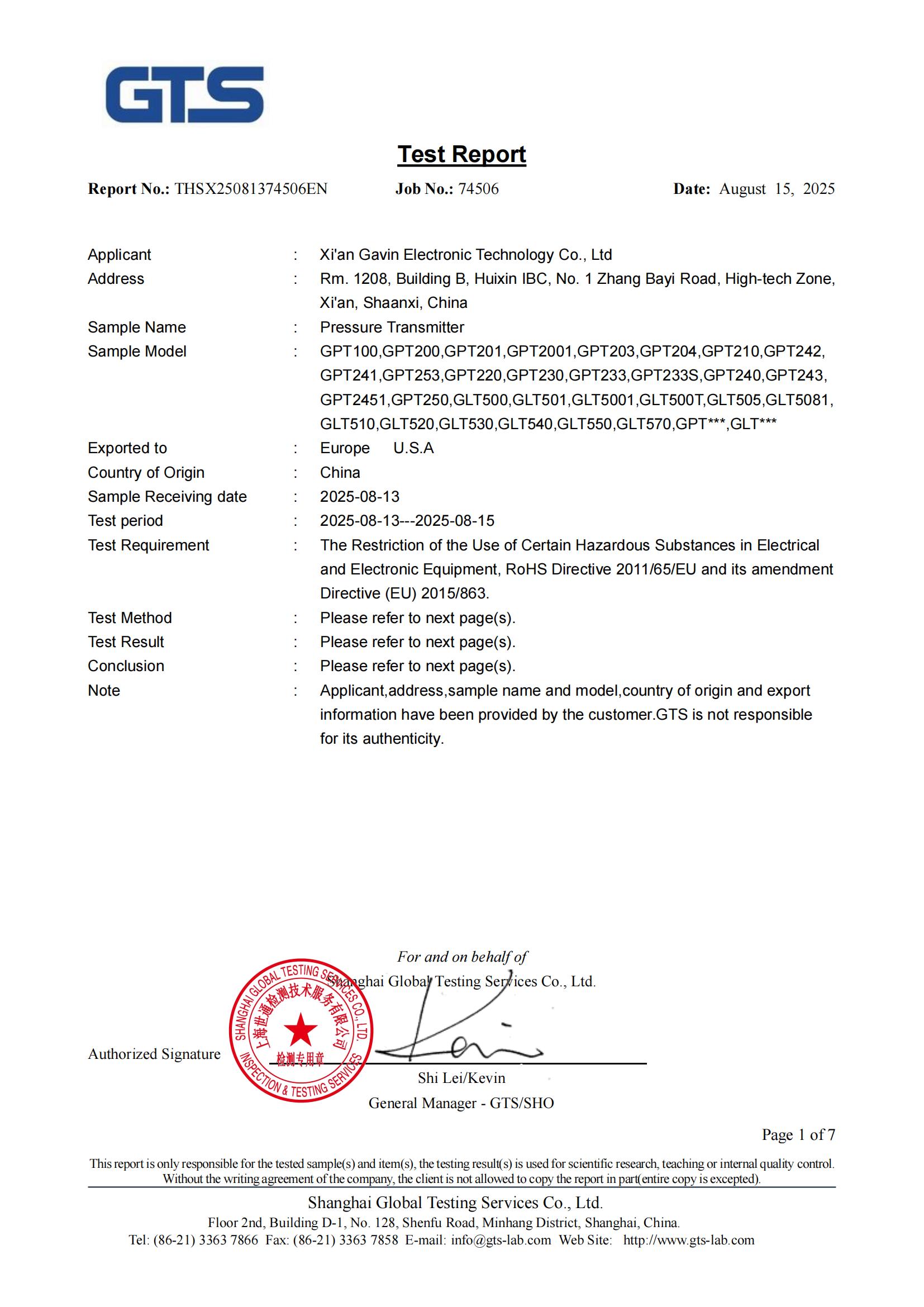
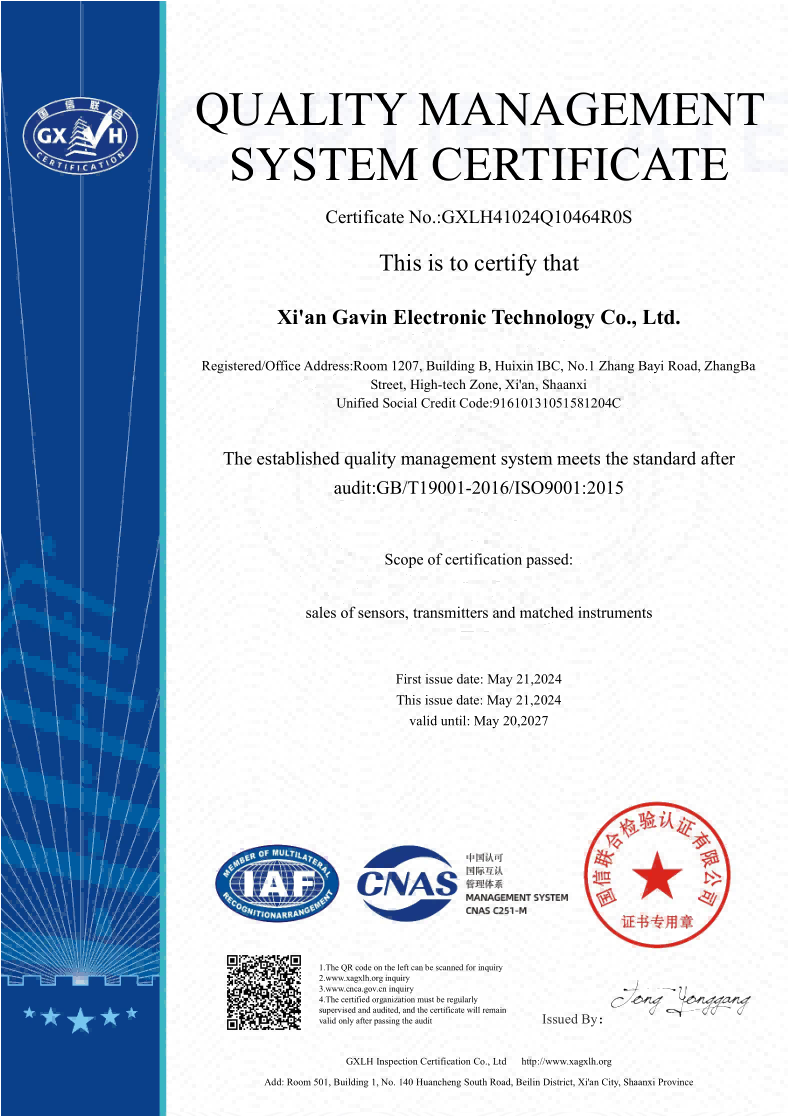
• Compliance with global certifications: Full international standards approval, including CE, RoHS, ATEX, and ISO credentials, making sure that regulations are followed in more than 100 countries with full paperwork support
• OEM/ODM services that are flexible: Full customization options for sensor specs, housing materials, communication ports, and packing options, along with personalized engineering help for specific application needs.
• Better environmental performance: working temperatures from -40°C to +400°C, pressure levels of up to 40 bar, and chemical-resistant finishes make it possible to use in tough industrial settings.
• A history of success: Over 15 years of industrial experience in the energy, food processing, pharmaceutical, chemical, and oil industries, with thousands of successful installations around the world
Try professional-grade portable level reading technology for your business and see the difference it makes. Get in touch with our expert team to talk about your unique needs and find custom solutions that improve performance in a way that can be measured. Get in touch with our tech team at info@gamicos.com to start working with a reliable wireless level measurement provider that cares about the success of your project.
References
1. Johnson, M.K., et al. "Comparative Analysis of Radar and Ultrasonic Level Measurement Technologies in Industrial Applications." Journal of Industrial Instrumentation, Vol. 45, No. 3, 2023, pp. 127-142.
2. Smith, R.A. and Chen, L. "Wireless Level Measurement Systems: Performance Evaluation Under Harsh Environmental Conditions." IEEE Transactions on Industrial Electronics, Vol. 68, No. 8, 2023, pp. 7234-7245.
3. European Committee for Standardization. "Level Measurement Technologies: Safety and Performance Requirements for Industrial Applications." EN 61508-7:2023 Standard Documentation.
4. Rodriguez, P.J., et al. "Economic Analysis of Wireless Level Measurement Technology Deployment in Petroleum Industry." International Journal of Process Control, Vol. 28, No. 4, 2023, pp. 89-104.
5. Anderson, K.L. "Advanced Signal Processing Techniques for Radar-Based Level Measurement in Chemical Processing." Chemical Engineering Progress, Vol. 119, No. 6, 2023, pp. 45-52.
6. International Society of Automation. "Wireless Technology Implementation Guidelines for Level Measurement Applications." ISA-100.11a-2023 Technical Report.
_1757930850792.jpg)