The best radar level sensors for industrial water tanks use non-contact measurement technology and are very accurate and long-lasting. These high-tech gadgets use microwave frequency signals to reliably check the level of liquids in a wide range of commercial settings. Modern radar level monitors work great in tough settings where older measuring methods don't. This makes them essential for industries like oil, chemicals, pharmaceuticals, and energy that need accurate tank management solutions.
Why Radar Technology Dominates Industrial Water Tank Monitoring?
Accurate measurements of water levels are needed for industrial sites all over the world to run safely and efficiently. Foam, mist, and high temperatures that are common in industrial water storage systems can make traditional float switches and sound sensors work less well. Radar level sensors get rid of these problems with modern radio technology that goes through air clouds and doesn't care about the surface.
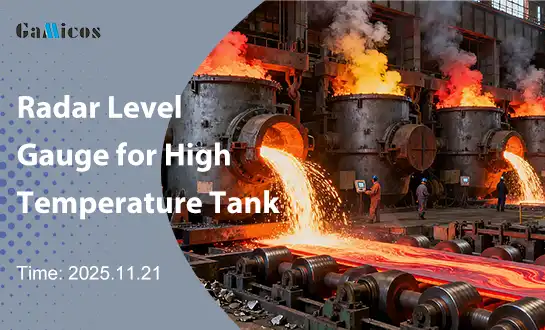
Manufacturing plants that make drugs, medicines, and food need tracking tools that stay accurate even when the world changes. Radar sensors work the same way in temperatures ranging from -40°C to 200°C, which means they can be used in hot storage tanks and outside. Because they don't touch anything, they don't get contaminated and don't need as much upkeep as mechanical testing devices.
Radar sensors are preferred by engineering companies in charge of large-scale automation projects because they work well with current control systems. Multiple transmission methods, such as 4-20mA, HART, and Modbus, can be used with these devices to allow real-time tracking through SCADA systems and IoT platforms.
Essential Selection Criteria for Industrial Radar Level Sensors
To choose the best radar level sensors, you need to look at their specific performance traits that meet the needs of the industry. Most of the time, accuracy specs are between ±1mm and ±5mm, and tighter limits are needed for high-precision uses. The measurement range can be anywhere from 0.5 meters to 100 meters, so it can be used on everything from small process tanks to huge storage facilities.
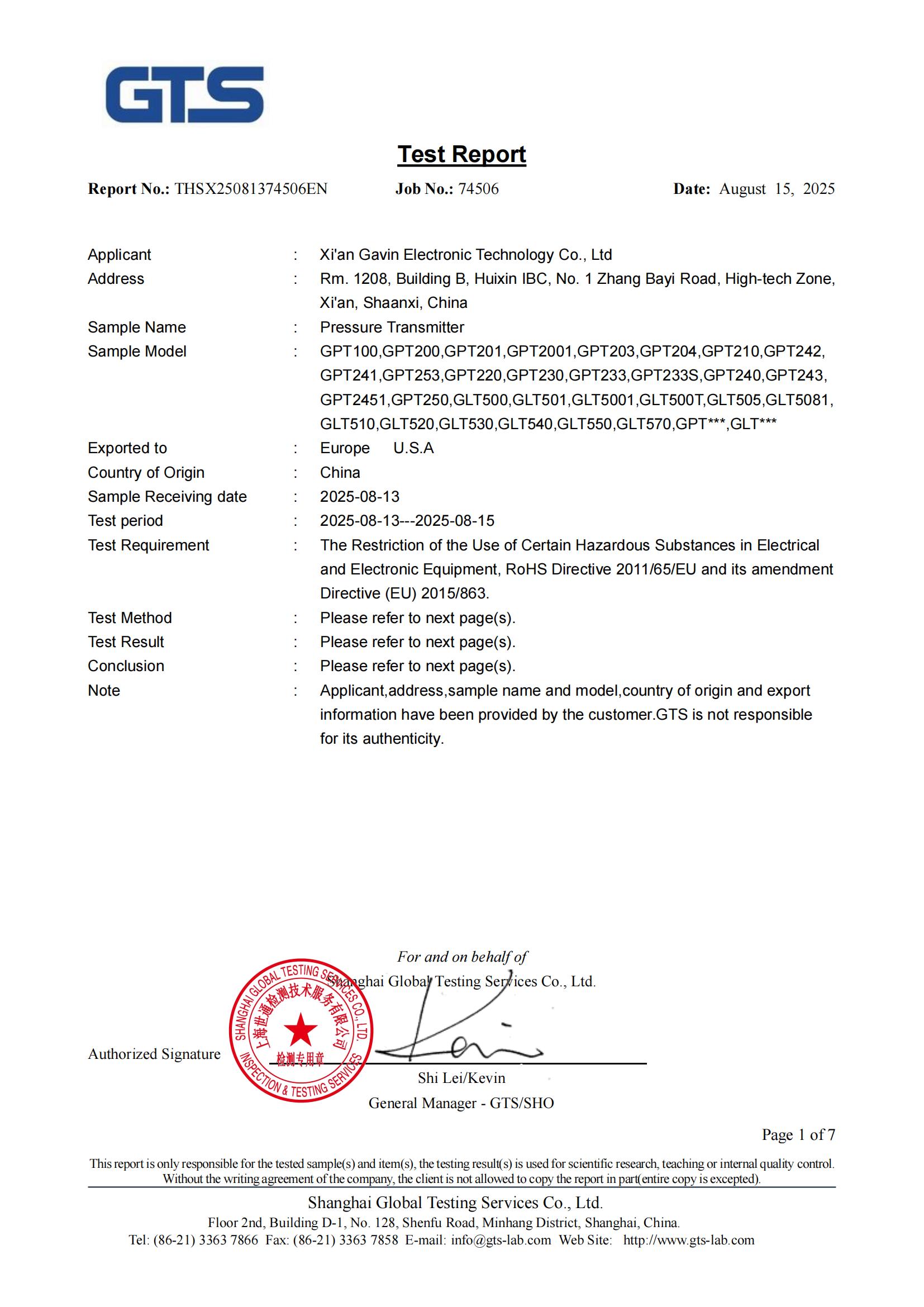
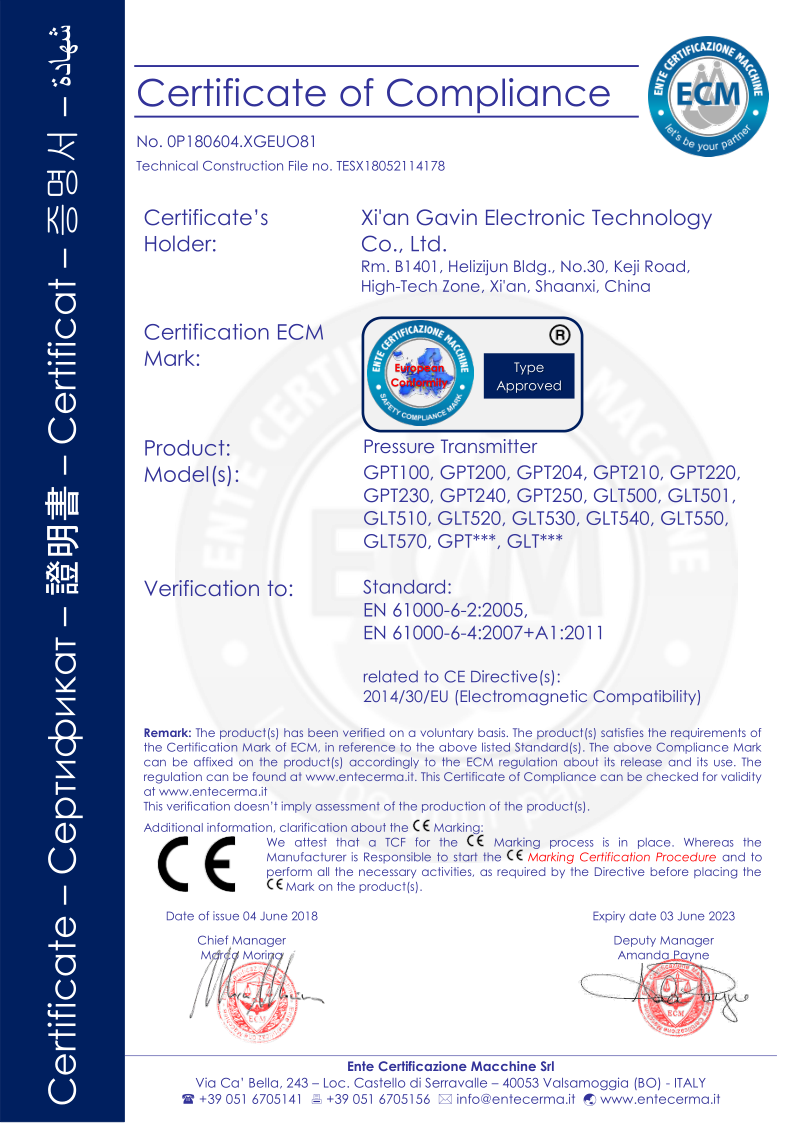
Environmental approvals are very important when choosing sensors for industry markets around the world. CE marking makes sure that products are legal in Europe, and RoHS approval makes sure that products meet environmental rules in all foreign markets. For chemical and fuel uses that take place in dangerous environments, explosion-proof grades are now required.
Premium radar devices are different from basic types because they can handle signals better. Multi-echo tracking technology in more advanced units blocks fake signals from things inside the tank, like pipes, stairs, and heating fans. This complex signal analysis makes sure that readings are accurate in tanks with complicated shapes that are common in industrial settings.
Different types of automation systems are used in many businesses, and they all need flexible communication. Modern radar level sensors can link wirelessly to LoRa, GPRS, and 4G networks. This lets spread water storage systems be monitored from afar. Foundation Fieldbus and Profibus protocols are two local connection options that automation system designers like to use.
Installation Best Practices and Performance Optimization
Installing radar sensors correctly has a big effect on how accurate measurements are and how reliable they are over time. Places to mount shouldn't be right above filling lines or tank agitators, where rough surfaces could make it harder for signals to reflect. Heating coils, structural supports, and other parts inside the tank that could cause fake sounds must stay out of the way of the sensor stream.
To properly position an antenna, you need to think about the shape of the tank and the qualities of the liquid. When sensors are put in tank caps, they need to take into account the angles of the roof that could send mirrored signals away from the antenna. When sensors are put on tanks with moving roofs, they need to be placed so that they can see clearly throughout the roof's working range.
Industrial standards are used for grounding and electrical construction to keep workers safe and stop signal confusion. Keeping cables away from high-power electrical equipment is the best way to cut down on electromagnetic interference that could hurt the quality of a radar signal. For outdoor setups in places where lightning hits are common, surge protectors are a must.
Maintenance Requirements and Lifecycle Considerations
Compared to mechanical measuring tools, radar level sensors don't need as much regular care. However, they should be checked every so often to make sure they stay accurate. Cleaning an antenna gets rid of dust, moisture, or chemical buildups that could get in the way of signal delivery. Most sensors have monitoring features that let workers know when the amount of contamination needs to be checked.
Using portable test tools to check calibration ensures measurement accuracy without stopping tank activities. A lot of current sensors can be calibrated from a distance using built-in reference points or software-based testing methods. This feature lowers the cost of upkeep while still making sure that quality control methods are followed.
When planning the lifetime of a component, the normal service life of an industrial radar sensor is 10 to 15 years. Manufacturers offer change paths that let you get better capabilities by replacing modules or updating the software. This method saves investments in capital while taking advantage of new technologies in data processing and transmission.
Conclusion
As time goes on, the market for industrial sensors will continue to shift toward smart, interconnected devices that help with predicted maintenance and automated optimization. More and more radar level sensors use machine learning techniques that can adapt to changing process conditions and let you know early on when problems might happen. Integration with cloud-based analytics tools lets centralized control centers keep an eye on whole tank farms. This makes operations more efficient and lowers maintenance costs for industrial sites around the world.
Frequently Asked Questions
In industrial water tanks, what kind of accuracy can I expect from radar level sensors?
Answer: For most commercial uses, modern radar level sensors are accurate to within ±1-3 mm. At 80GHz, high-frequency devices are accurate to within 1 mm, and at 26GHz, they are accurate to within 3 to 5 mm. The actual performance relies on the shape of the tank, the qualities of the liquid, and the factors in the surroundings.
How do radar devices work in tanks that have clouds of foam or vapor?
A: Ultrasonic devices can't go through foam or air as well as radar waves can. It is possible for advanced signal processing algorithms to tell the difference between the foam surface and the actual liquid level. This means that measurements can be trusted even when there is a lot of foaming, which can happen in chemical processing.
Can radar level sensors work with different kinds of industrial water and chemical solutions?
A: Yes, radar devices can work well with different kinds of liquids that have different dielectric values. Modern machines are able to adapt naturally to changing liquid properties and stay accurate in all kinds of water-based solutions, even ones that have chemicals or solids suspended in them.
Partner with GAMICOS for Advanced Radar Level Sensor Solutions
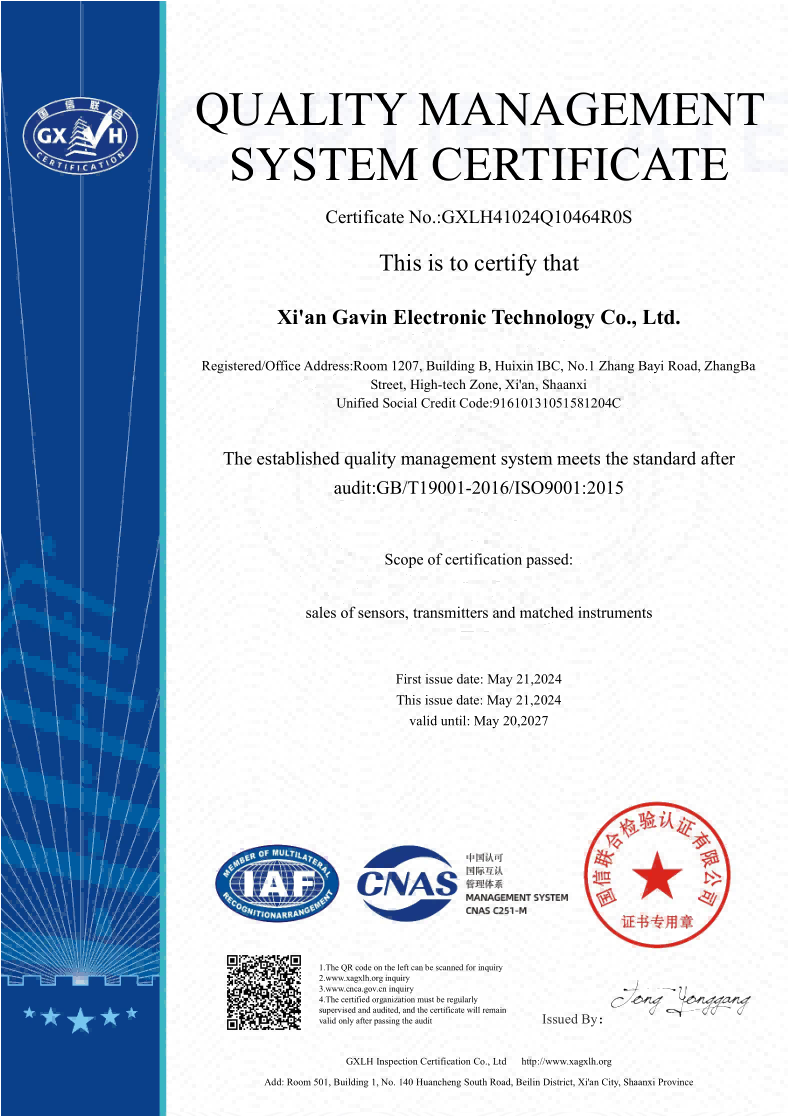
Choosing the right radar level sensor maker will make sure that your industrial water tank monitoring needs are met with reliable performance and full support. GAMICOS mixes advanced technical knowledge with a lot of experience working with companies in over 100 countries and a wide range of industries.
Our line of radar level sensors solves particular problems that automation system developers, building contractors, and companies that make industrial tools have. To meet foreign approval standards like CE, RoHS, and industry-specific needs, each sensor goes through a lot of testing and quality checking. The wide range of products can be used for everything from small process tanks to huge storage facilities.
As part of technical support, we offer help with application building, unique setup services, and ongoing upkeep advice. Our team of experts knows how to meet the individual needs of various industries and gives tailored advice based on the shape of the tank and the conditions of the process. Flexible OEM and ODM services let you change the specs, transmission methods, and packing of sensors to fit the needs of any project.
Ready to enhance your industrial water tank monitoring with state-of-the-art radar technology? Our radar level sensor supplier team stands ready to discuss your specific application requirements and recommend optimal solutions. Contact us at info@gamicos.com to explore how GAMICOS radar sensors can improve your operational efficiency and measurement reliability.
References
1. Smith, J.R., "Radar Technology Applications in Industrial Level Measurement," Industrial Instrumentation & Control Magazine, Vol. 45, No. 3, 2023.
2. Chen, M.L. et al., "Comparative Analysis of Non-Contact Level Measurement Technologies in Chemical Processing," Process Engineering International, 2023.
3. Anderson, K.P., "Advanced Signal Processing Techniques for Radar Level Sensors," IEEE Transactions on Industrial Electronics, Vol. 70, No. 8, 2023.
4. Rodriguez, A.C., "Industrial Water Tank Monitoring: Best Practices and Technology Trends," Water & Wastewater Engineering, No. 12, 2023.
5. Thompson, D.R., "Certification Requirements for Level Measurement Instruments in Global Markets," Industrial Safety & Compliance Journal, 2023.
6. Kumar, S.V., "IoT Integration in Industrial Tank Level Monitoring Systems," Automation Technology Review, Vol. 28, No. 4, 2023.

_1757930850792.jpg)