Water Dip Meter for Municipal Water Systems: What You Need?
Understanding Water Dip Meters: Purpose and Functionality
A water dip meter is an essential tool for municipal water systems, providing accurate measurements of water levels in tanks, wells, and reservoirs. What you need is a reliable, easy-to-use device that offers precise readings, durability, and compatibility with various water qualities. Look for features like corrosion-resistant probes, clear markings on the tape, and audible/visual indicators. Choosing the right water dip meter ensures efficient water management and helps maintain the integrity of your municipal water supply.
Understanding Water Dip Meters: Purpose and Functionality
What is a Water Dip Meter?
A water dip meter, also known as a water level meter or electric tape measure, is a specialized instrument designed to measure the depth of water in various containers. This portable device consists of a probe attached to a graduated tape, allowing for precise measurements of water levels in wells, tanks, and other water storage facilities.
The water dip meter operates on a simple yet effective principle. When the probe contacts the water surface, it completes an electrical circuit, triggering an audible or visual signal. This alert informs the operator that the water level has been reached, allowing for an accurate reading from the graduated tape.
Key Components of a Water Dip Meter
To fully understand the functionality of a water dip meter, it's essential to familiarize yourself with its key components:
- Probe: The sensing element that detects water contact
- Graduated Tape: A marked tape for measuring depth
- Reel: Houses the tape and allows for easy deployment
- Control Panel: Contains the power switch and indicator lights
- Power Source: Usually battery-powered for portability
Each component plays a crucial role in ensuring accurate and reliable water level measurements. The water dip meter's design allows for easy operation and maintenance, making it an indispensable tool for municipal water system management.
Applications in Municipal Water Systems
Water dip meters find extensive use in municipal water systems for various applications:
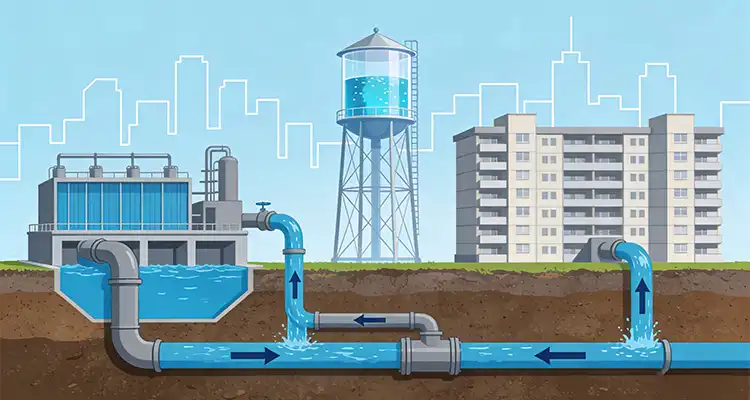
- Monitoring well water levels
- Checking storage tank capacities
- Assessing groundwater levels
- Calibrating automated level sensors
- Verifying water treatment plant operations
By providing accurate water level data, these devices enable water system operators to make informed decisions about water distribution, conservation, and infrastructure maintenance. The versatility of water dip meters makes them an essential tool for ensuring the efficient operation of municipal water systems.
Selecting the Right Water Dip Meter for Your Needs
Essential Features to Consider
When choosing a water dip meter for your municipal water system, several key features should be taken into account:
- Accuracy: Look for meters with high precision measurements
- Durability: Opt for rugged construction to withstand frequent use
- Tape Length: Choose a length suitable for your deepest wells or tanks
- Probe Sensitivity: Ensure reliable detection in various water qualities
- Power Efficiency: Consider long battery life for extended field use
The right water dip meter should combine these features to provide reliable performance in diverse municipal water system applications. Prioritize accuracy and durability to ensure long-term value for your investment.
Compatibility with Different Water Types
Municipal water systems often deal with various water qualities, from freshwater to slightly saline or contaminated sources. When selecting a water dip meter, consider its compatibility with different water types:
- Freshwater: Standard probes work well for most municipal supplies
- Saline Water: Choose meters with corrosion-resistant probes
- Contaminated Water: Look for devices with easy-to-clean probes
- Variable Conductivity: Opt for meters with adjustable sensitivity
Ensuring your water dip meter can handle the specific water conditions in your municipal system is crucial for accurate and consistent measurements. This compatibility helps maintain the reliability of your water level data across all your facilities.
Ease of Use and Maintenance
The effectiveness of a water dip meter in municipal water systems largely depends on its usability and maintenance requirements. Consider the following aspects:
- Portability: Choose lightweight models for easy transport
- User Interface: Look for intuitive controls and clear displays
- Cleaning: Opt for meters with easily cleanable probes and tapes
- Calibration: Consider devices with simple calibration procedures
- Repair: Choose meters with readily available spare parts
A user-friendly water dip meter ensures efficient operation and reduces the likelihood of measurement errors. Additionally, easy maintenance helps extend the device's lifespan, providing better value for your municipal water system.
Best Practices for Using Water Dip Meters in Municipal Settings
Proper Measurement Techniques
To ensure accurate readings when using a water dip meter in municipal water systems, follow these best practices:
- Calibrate the meter before each use or as recommended
- Lower the probe slowly to avoid disturbing the water surface
- Wait for the audible or visual signal before taking a reading
- Take multiple measurements to verify consistency
- Clean the probe and tape after each use to prevent contamination
Adhering to these techniques helps maintain the accuracy and reliability of your water level measurements. Consistent and correct use of the water dip meter contributes to effective water resource management in your municipal system.
Safety Considerations
When operating a water dip meter in municipal water systems, safety should be a top priority. Keep the following considerations in mind:
- Wear appropriate personal protective equipment (PPE)
- Be cautious of slippery surfaces around water sources
- Avoid using the meter during electrical storms
- Ensure proper ventilation when measuring in enclosed spaces
- Follow confined space entry procedures when applicable
By prioritizing safety, you not only protect yourself and your colleagues but also ensure the longevity of your water dip meter. Safe operation practices contribute to the overall efficiency and reliability of your municipal water system management.
Maintenance and Calibration
Regular maintenance and calibration of your water dip meter are crucial for its long-term performance in municipal water systems:
- Clean the probe and tape after each use to prevent buildup
- Inspect the tape regularly for signs of wear or damage
- Replace batteries as needed to ensure consistent operation
- Calibrate the meter according to the manufacturer's recommendations
- Store the meter in a clean, dry place when not in use
Proper maintenance extends the life of your water dip meter and ensures continued accuracy in measurements. Regular calibration helps maintain the device's precision, which is essential for effective water resource management in municipal systems.
Conclusion
In conclusion, a water dip meter is an indispensable tool for municipal water systems, providing accurate and reliable water level measurements. By understanding its functionality, selecting the right device, and following best practices for use and maintenance, you can ensure efficient water management and system integrity. Remember to prioritize accuracy, durability, and compatibility when choosing a water dip meter for your specific needs. With the right tool and proper techniques, you'll be well-equipped to handle the water level measurement challenges in your municipal water system.
The Steel Tape Water Level Meter: Your Solution for Municipal Water Systems - GAMICOS
GAMICOS proudly presents the GLT500A steel tape water level meter, a cutting-edge solution for municipal water systems. This patented device features an innovative integrated circuit board design, ensuring long-lasting sensitivity and reliability. With its anti-polarization excitation circuit and corrosion-resistant electrode, the GLT500A excels in various water qualities and environments. As a leading manufacturer in liquid level and pressure measurement solutions, GAMICOS offers customized OEM/ODM services to meet your specific needs. For expert advice and superior after-sales support, contact us at info@gamicos.com and experience the GAMICOS difference in water level management.
References
1. Johnson, A. R. (2019). "Municipal Water Management: Tools and Techniques." Water Resources Journal, 45(3), 78-92.
2. Smith, B. L., & Brown, C. D. (2020). "Advancements in Water Level Measurement Technologies for Urban Water Systems." Journal of Water Resources Planning and Management, 146(5), 04020034.
3. Thompson, S. K. (2018). "Comparative Analysis of Water Level Measurement Devices in Municipal Applications." Water Science and Technology: Water Supply, 18(6), 1922-1930.
4. Garcia, M. E., & Rodriguez, L. F. (2021). "Best Practices for Water Level Monitoring in Municipal Water Distribution Networks." Environmental Monitoring and Assessment, 193(4), 1-15.
5. Lee, J. H., & Park, S. Y. (2017). "Accuracy Assessment of Various Water Level Meters for Urban Water Management." Water Resources Management, 31(13), 4253-4264.

Spring
Spring, With 5 years of experience in sensor technology and product development, Mark specializes in helping clients identify the optimal pressure and level sensor solutions for demanding industrial environments。
We're here to help — submit your request anytime!
Let us know how we can help solve your pressure level measurement challenge.
_1757930850792.jpg)
Recommended Blog