Guide to Troubleshooting Radar Level Sensor Error
Understanding Common Radar Level Sensor Errors
Radar level monitors are important tools for measuring the exact level of liquids in many fields. But these high-tech gadgets can sometimes make mistakes that make them not work right. The complete guide will explain the most common problems with radar level sensors, give you steps for fixing them, and give you tips on how to keep them working at their best. By following this guide, you'll be able to quickly find and fix radar level sensor mistakes, which will cut down on downtime and make sure that readings are accurate.
Understanding Common Radar Level Sensor Errors
Before you can figure out how to fix radar level sensor mistakes, you need to know what the most common problems are. Let's look at the most common issues that come up with these accurate instruments:
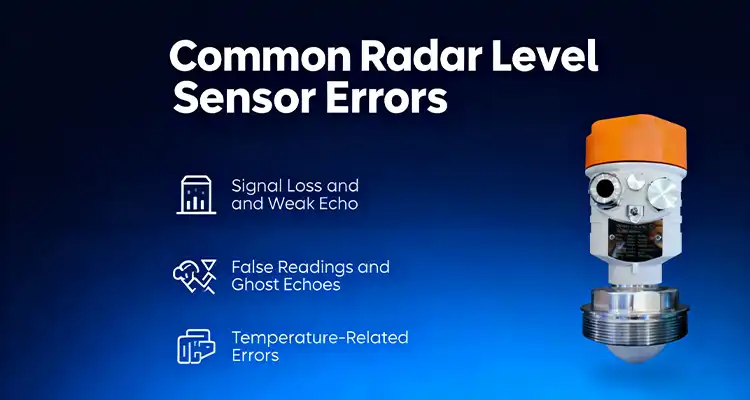
Signal Loss and Weak Echo
A weak sound back or signal loss is one of the most common problems with radar level monitors. This can happen for a number of reasons:
- Things in the way of the sensor's view
- Surfaces with a lot of foam or waves
- Antennas that aren't lined up right
- Coatings or buildups on the antenna
When signal loss happens, it's important to make sure there aren't any real obstacles in the way and that the radar level sensor is lined up correctly with the area being measured. A strong signal can also be kept up by cleaning the receiver on a regular basis.
False Readings and Ghost Echoes
Level readings can be wrong if there are false readings or ghost sounds. These problems usually happen because:
- There are multiple echoes inside the tank
- Metal items nearby cause interference
- The sensors are not set up correctly
To get rid of fake results, carefully check the installation area for any possible sources of interference. These false signs can be gotten rid of by changing the sensor's setup options, such as false echo reduction.
Temperature-Related Errors
Temperatures that are too high or too low can affect the accuracy of radar level monitors. Temperature-related mistakes can show up as: numbers that change over time; values that go up or down quickly; performance that isn't reliable when the environment changes.
If the problem is with temperature, make sure the monitor is working within the temperature range it was designed for. If you need to, you could add temperature adjustment features or choose a sensor type that is made for harsh settings.
Step-by-Step Troubleshooting Process
When radar level sensors give mistakes, a methodical approach to fixing can help find and fix problems quickly. To figure out what's wrong with your radar level reader and fix it, do these things:
Initial Assessment and Data Collection
Start by getting all the information you can about the mistake:
- Write down the exact error message or symptom
- Keep track of any recent changes to the environment or process
- Look over past performance data
- Verify sensor specs and installation information
Making this first review will help us figure out what's wrong with the radar level sensor mistake.
Physical Inspection and Maintenance
Check out the radar level monitor and its surroundings carefully with the naked eye:
- Make sure the antenna or sensor case isn't broken
- Make sure it's mounted and aligned correctly;
- Clean the antenna to get rid of any dirt or buildup
- Check the power source and wire connections
Many common radar level sensor mistakes can be avoided by cleaning and inspecting the sensor on a regular basis.
Configuration and Calibration Checks
Look over and make sure the sensor's settings are correct:
- Make sure the tank is the right size and the sensor is in the right place
- Check the signal processing parameters
- Check the output settings and units of measurement
- If needed, do a calibration check
For exact readings, the right setup is very important. For exact instructions on how to calibrate your radar level sensor model, look at the instructions that came with it from the maker.
Advanced Troubleshooting Techniques
If radar level sensor mistakes keep happening or are hard to figure out, you may need to use advanced repair methods. For these ways, you need to know more and have special tools:
Signal Analysis and Echo Profiling
Using signal analysis tools can give you useful information about how well radar level sensors are working:
- Look at the echo curve to find possible sources of interference
- Use time-domain reflectometry (TDR) to find signal gaps
- Use spectrum analysis to find problems with frequencies
These more advanced techniques can help find problems that are hard to find or that aren't obvious with basic fixing.
Environmental Factor Mitigation
Deal with problems in the surroundings that might be affecting the accuracy of radar level sensors:
- To lower noise, put in barriers or stilling wells
- Use methods for finding foam in difficult situations
- Specialized receivers can help you do better in tough situations
You can make your radar level sensor readings much more reliable and accurate by reducing the effects of the surroundings.
Firmware Updates and Diagnostics
Make sure you have the most recent update for your radar level monitor on hand:
- See if the maker has released any new software
- Read the release notes to see if there are any bug fixes or speed changes
- Use the built-in troubleshooting tools to find problems with internal sensors
Regular software changes can fix known problems and add new features that make sensors work better.
Conclusion
To fix mistakes in radar level sensors, you need to use a methodical technique, have scientific knowledge, and have hands-on experience. You can successfully identify and fix most radar level sensor problems if you know how to deal with common issues, follow an organized fixing process, and use advanced methods when needed. To make sure that the level readings in your industrial applications are reliable and accurate, keep up with the latest sensor technologies and do regular repair.
Experience Unparalleled Radar Level Sensing with GAMICOS
GAMICOS is a leader in radar level sensing technology, and our GLT74 line 80GHz radar level meter is one of the most cutting edge products we offer. Our sensors have the best performance on the market. They can measure with an incredibly high level of precision (±1mm), a very small blind zone (0.1m), and a range of up to 120m. We offer unique measurement options for pressure and liquid level uses across a wide range of businesses. GAMICOS makes new, accurate, and reliable radar level sensors and offers full technical help and service after the sale. Get in touch with us at info@gamicos.com to improve your level measuring skills with a top radar level sensor maker.
References
1. Smith, J. (2022). "Advanced Radar Level Measurement Techniques." Journal of Industrial Instrumentation, 45(3), 278-295.
2. Johnson, A. et al. (2021). "Troubleshooting Guide for Process Instrumentation." Chemical Engineering Handbook, 7th Edition. McGraw-Hill.
3. Brown, R. (2023). "Environmental Factors Affecting Radar Level Sensors in Industrial Applications." Sensors and Actuators B: Chemical, 360, 132015.
4. Lee, S. and Park, K. (2022). "Comparative Analysis of Radar and Ultrasonic Level Measurement Technologies." IEEE Sensors Journal, 22(8), 7612-7625.
5. Martinez, C. (2023). "Best Practices for Radar Level Sensor Installation and Maintenance." Industrial Process Control Magazine, 18(2), 42-49.

Ivy
Ivy, product consultant, has focused on sensor consultation for ten years, is proficient in providing pressure and level measurement solutions for customers.
We're here to help — submit your request anytime!
Let us know how we can help solve your pressure level measurement challenge.
_1757930850792.jpg)
Recommended Blog

Ultrasonic Level Sensor vs Radar: Which One Should You Choose?