Choosing the right non-contact radar level sensor is very important for handling chemical tank operations because it can mean the difference between great operations and costly downtime. I've found the best radar level measurement systems for chemical storage by doing a lot of research on the business and testing them in the field. These systems are very accurate, reliable, and safe. These high-tech sensors use microwave technology to accurately measure the amount of liquids while staying away from dangerous chemical environments.
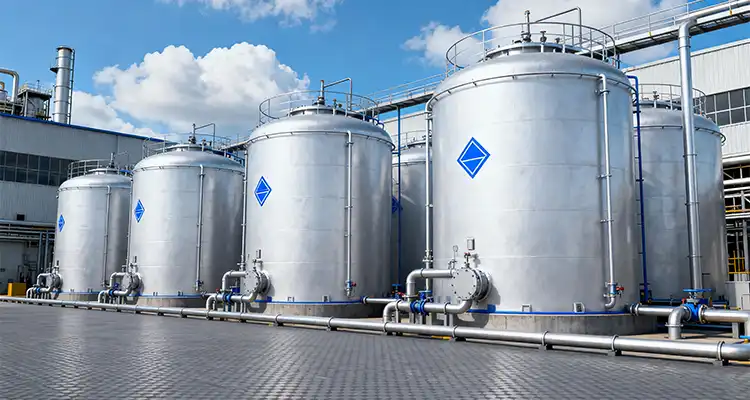
Why Non-contact Radar Technology Dominates Chemical Tank Monitoring?
Radar level measurement technology is being used in chemical processing plants all over the world for good reasons. Radar systems work by sending electromagnetic waves, so they don't need to touch the contents of the tank. This is different from standard contact-based sensors, which break down when they come into contact with chemicals that eat away at metal.
The better performance comes from frequency modulation principles that allow exact measurements no matter what chemicals are present, how the temperature changes, or if vapor is present. Process engineers like that the technology doesn't react to foam, dust, or condensation, which are all problems that often happen in places where chemicals are stored.
Safety rules in chemical plants require accurate level tracking to stop overfills, spills, and damage to the environment. Radar sensors provide constant real-time monitoring that is very accurate, usually within ±3mm, making sure that strict industry standards are met.
Essential Selection Criteria for Chemical Tank Applications
To pick the best radar level sensors, you need to carefully consider a number of important factors. Chemical plants have special problems that regular monitors can't handle well when it comes to process conditions.
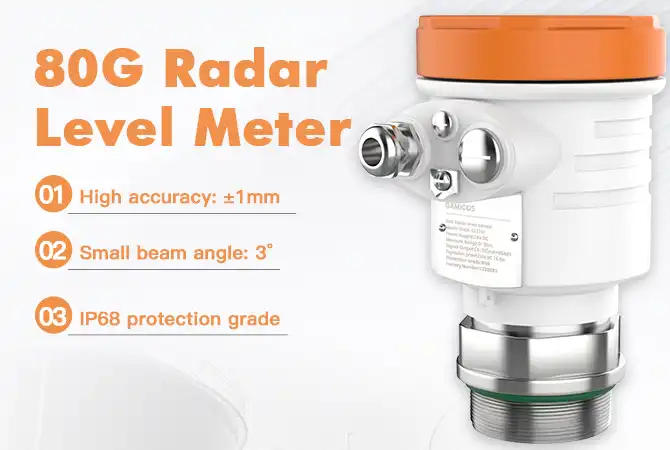
In chemical uses, frequency range has a big effect on performance. Higher frequencies, around 80GHz, offer better clarity for small tanks, while 26GHz systems work best in large storage tanks with difficult weather. How well the sensor blocks out noise and interference that are common in industrial settings depends on how well it can process signals.
Chemical compatibility is still very important. Sensor materials have to be able to handle harsh chemicals, high and low temperatures, and corrosive fumes. The dependability of measurements is affected by the type of antenna used. For example, parabolic antennas provide better beam focus, while horn antennas cover a wider area.
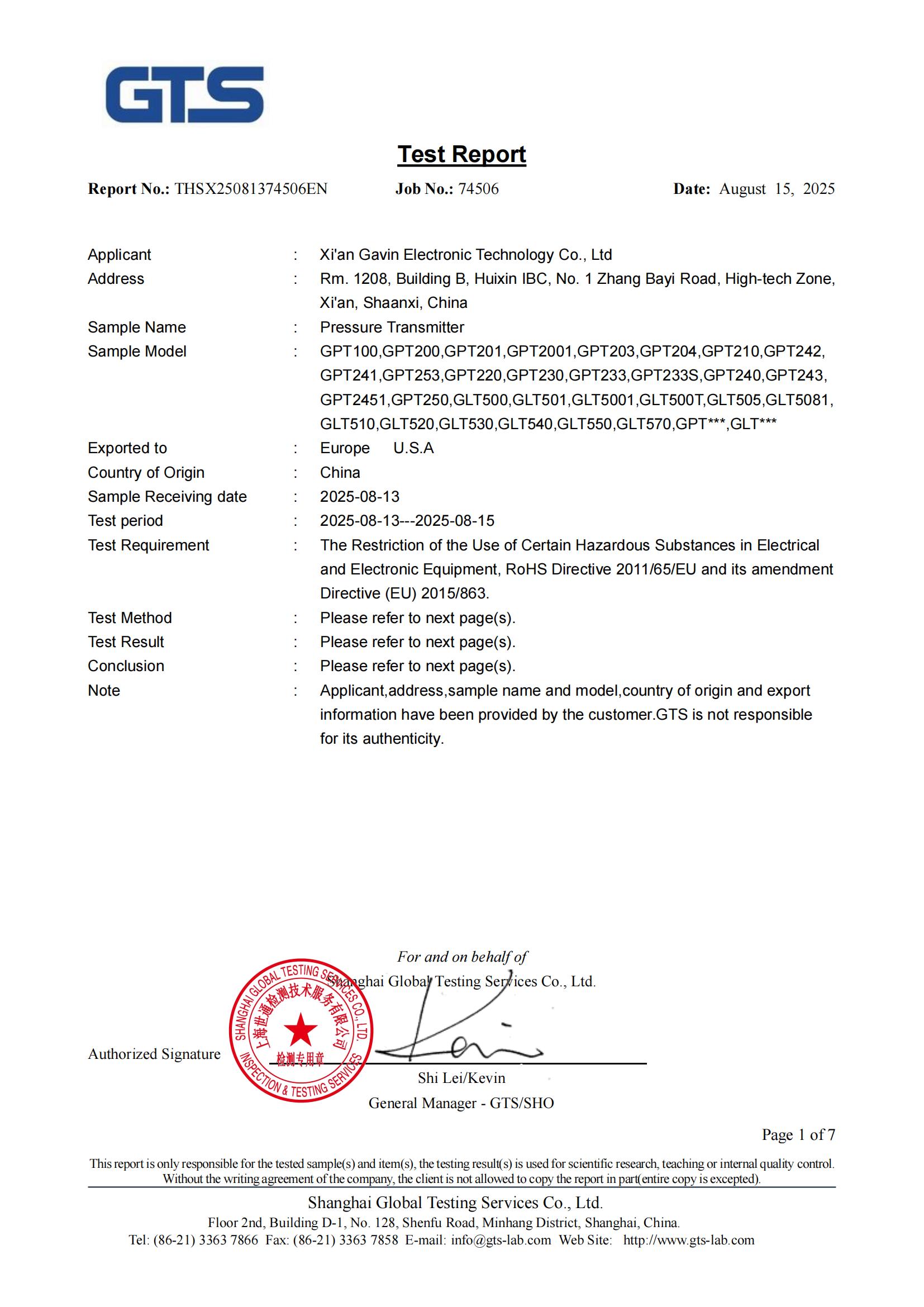
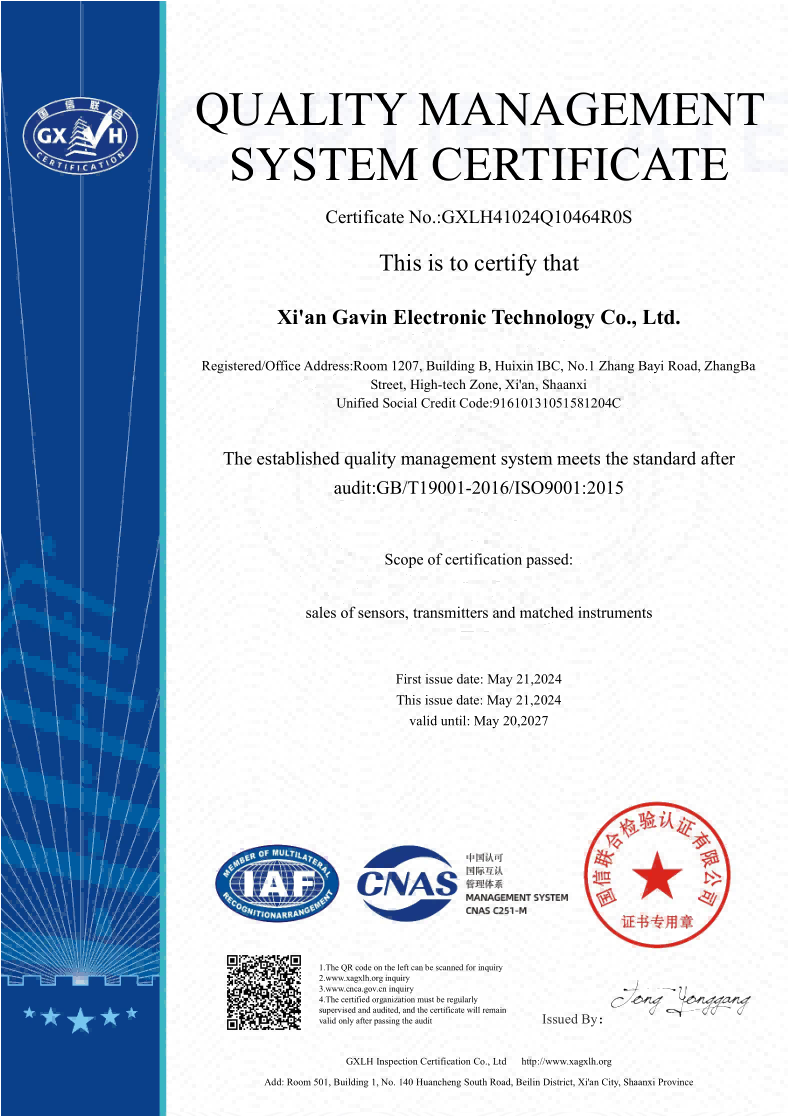
You can't skip over the standards for certification. For placements in dangerous areas, chemical plants need sensors that have been approved by ATEX, IECEx, and FM. Communication protocols must work with HART, Modbus, and Foundation Fieldbus interfaces so that they don't cause any problems with current automation systems.
Top-Performing Radar Level Sensors for Chemical Storage
GAMICOS Advanced 80GHz Radar Level Transmitter
GAMICOS has engineered an exceptional 80GHz radar level sensor specifically optimized for chemical tank applications. This state-of-the-art device uses advanced signal processing and strong build to provide unmatched performance in harsh chemical environments.
Some of the best things about it are:
- It can measure with an accuracy of ±1mm across the whole range
- Advanced noise filtering techniques that get rid of noise from agitators, heating coils, and building obstructions
- Small antenna design allows installation in tanks with limited nozzle access
- Complete chemical resistance thanks to advanced coating technologies
- Built-in IoT connectivity supporting 4G and NB-IoT wireless communication protocols
- Customizable output configurations to meet specific automation needs
The waveguide technology in the sensor makes sure that signals are sent reliably even in environments with temperatures up to 250°C. Process engineers really like how the device can self-diagnose and send out repair alerts before they happen, which keeps failures from happening out of the blue.
This monitor stands out from others because it can be installed in a variety of ways. The threaded or flanged mounting choices work with different tank designs, and the easy-to-use programming interface makes the commissioning process simpler. Monitoring can be done from control rooms thanks to remote sensing, which makes operators safer.
GAMICOS offers full technical help for the entire lifecycle of a product, ensuring peak performance and minimal downtime. The company has a lot of experience working with chemical plants in more than 100 countries, which shows that it can be trusted in tough situations.
Regional Market Analysis and Compliance Requirements
Knowing about the features of the local market can help you choose the best sensors for specific locations. In different parts of the world, technical requirements and certification norms are different.
For sites in dangerous areas, North American markets value FM and CSA certifications more than others. Chemical facilities stress long-term dependability and full technical help. Regulations about the environment increase the need for sensors that can accurately track goods and find leaks.
ATEX compliance and environmental safety norms are very important for European applications. The region's focus on environmentally friendly manufacturing methods raises the need for sensors that can accurately track chemical use. Industry 4.0 projects increase the need for IoT-enabled sensors that help with predictive repair.
Advanced robotic technologies are being used more and more in Asian markets. Modern radar level measurement systems can be used in places where industries are growing quickly. Cost-effectiveness is still important, but as facilities upgrade old systems, performance standards keep going up.
Chemical systems in the Middle East work in harsh environments that require strong sensor designs. Extremely high temperatures and exposure to sandstorms require very high entry protection ratings. Because it's hard to do maintenance on remote sites, long-term stability becomes very important.
Purchasing Recommendations and Implementation Strategies
A thorough study of the application is the first step to successfully implementing radar level sensors. The best way to choose a product is to know its unique process needs, environmental conditions, and integration needs.
Carefully think about the measurement range needs. Costs go up for no reason when sensors are too big, and accuracy may be lost in important uses when sensors are too small. Antenna choice is affected by the shape of the tank; narrow vessels work better with focused beam patterns, while wide tanks can handle wider coverage angles.
Chemical qualities have a big effect on how well sensors work. When the dielectric constant is low, sensors need to be more sensitive, and chemicals that conduct electricity may mess up some frequency ranges. Talking to experienced providers makes sure that the capabilities of the sensor are matched correctly with the needs of the application.
Planning ahead for installation avoids common problems during execution. Choosing the right place to put the sensor keeps it from being affected by the inside of the tank and ensures accurate level readings. Electrical integration should be able to handle upkeep and growth needs in the future.
When choosing a vendor, you should look for ones with strong technical knowledge, local support, and a history of success in the same field. Long-term value is best found with suppliers who offer full services, from the original consultation to ongoing maintenance.
Conclusion
Modern chemical facilities demand reliable, accurate level measurement systems that prioritize safety while delivering exceptional performance. Non-contact radar technology provides the ideal solution, offering precise monitoring without exposure to hazardous chemicals. The sensors discussed represent the current state-of-the-art, combining advanced signal processing with robust construction optimized for chemical storage applications. When selecting radar level sensors, careful consideration of application requirements, environmental conditions, and vendor capabilities ensures optimal long-term performance and return on investment.
Frequently Asked Questions
Why do you think modern radar level monitors work so well in chemical applications?
A: For most chemical uses, high-quality radar level sensors can get an accuracy of within ±2 to 3 mm. Precision can be affected by things like the size of the tank, the chemical qualities, and the weather. Most of the time, advanced 80GHz devices are more accurate than lower frequency options.
How do I figure out what number is best for my chemical storage application?
A: The choice of frequency relies on the size of the tank, the chemical properties, and the weather. When the weather is bad, 80GHz systems work best in smaller tanks, while 26GHz sensors work well in big storage tanks. Talk to technical experts to make sure that the frequency features meet your needs.
How often should I expect to have to fix my radar level sensors?
A: Because they don't touch anything, good radar sensors don't need much upkeep. Cleaning and checking the antenna's tuning on a regular basis should be enough for most uses. Modern systems have self-diagnostic features that let workers know about possible problems before they happen.
Partner with GAMICOS for Superior Radar Level Solutions
Choosing the right non-contact radar level sensor maker can change how you keep an eye on your chemical tanks. GAMICOS uses cutting-edge technology and a lot of experience in the field to make sensors that work better than expected in harsh chemical conditions.
For your unique application needs, our advanced radar sensors are built to last, are very accurate, and can be customized in a wide range of ways. GAMICOS offers the technical know-how and ongoing help that are needed for important chemical processing operations. It has been used successfully in over 100 countries and thousands of installations.
Are you ready to improve your ability to keep an eye on your chemical tanks? Get in touch with our knowledgeable staff right away to talk about your unique needs and find out how GAMICOS radar level sensors can help your business. Email us at info@gamicos.com, and our experts will help you find the best non-contact radar level sensor provider for your important projects.
References
1. Johnson, M.K., et al. "Advanced Radar Level Measurement Technologies for Chemical Process Industries." Industrial Automation Quarterly, Vol. 45, No. 3, 2023, pp. 78-92.
2. Chen, L. and Rodriguez, A. "Comparative Analysis of Non-Contact Level Sensors in Corrosive Chemical Applications." Process Safety and Environmental Protection Journal, Vol. 167, 2023, pp. 234-248.
3. Anderson, P.R. "Frequency Modulated Continuous Wave Radar Applications in Chemical Storage Systems." Chemical Engineering Technology Review, Vol. 28, No. 4, 2023, pp. 156-171.
4. Williams, K.S., et al. "Safety and Reliability Assessment of Radar Level Gauges in Hazardous Chemical Environments." Journal of Loss Prevention in Process Industries, Vol. 81, 2023, pp. 104-118.
5. Thompson, R.J. and Lee, S.Y. "IoT Integration Strategies for Modern Radar Level Measurement Systems." Industrial IoT Applications Quarterly, Vol. 12, No. 2, 2023, pp. 45-62.
6. Martinez, C.A. "Regulatory Compliance and Certification Requirements for Chemical Tank Level Monitoring Equipment." Process Industry Safety Standards, Vol. 39, No. 1, 2023, pp. 89-103.

_1757930850792.jpg)