Understanding Wireless Level Transmitters-A Complete Guide
How Wireless Level Transmitters Work?
Wireless level transmitters are cool new gadgets that let you check on and report the level of liquid in tanks or vessels from afar, without having to use wires. These smart monitors send level data to control systems wirelessly and in real time. This makes product management and process control more efficient across all industries. This complete guide explains how wireless level receivers work, what their main uses and benefits are, and what you should think about when choosing and using these cutting-edge measuring tools.
How Wireless Level Transmitters Work?
What Is Wireless Level Transmitters?
Different types of sensors are used by wireless level receivers to find out how much liquid is in a container. These include:
- Hydrostatic pressure sensors
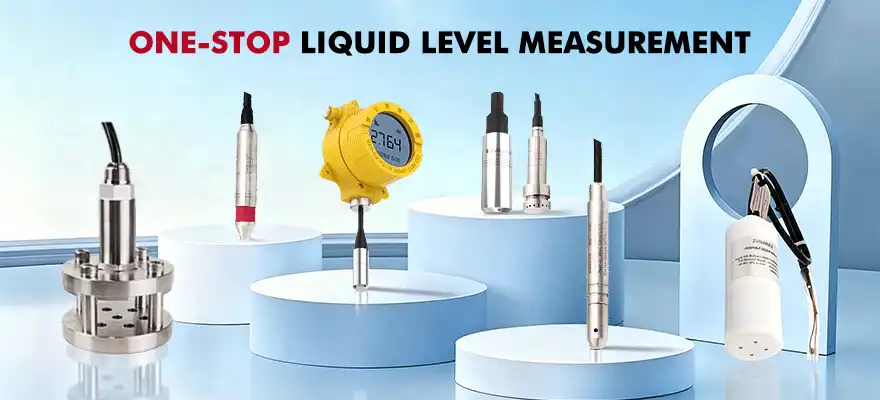
- Ultrasonic sensors
- Radar sensors
- Probes for capacitance
The type of sensor used depends on the needs of the product. Ultrasonic sensors are best for measuring the level of clean liquids, while radar sensors are best for measuring the level of gas or foam in vessels.
Wireless Communication in Level Transmitters
One important thing about wireless level sensors is that they can send data without using wires. LoRaWAN, cellular (4G/5G), Wi-Fi, and Bluetooth are all common types of wireless technologies.
The wireless level transmitters takes the analog information from the sensor and turns it into digital data. It then sends this data to a receiver or gateway. After that, the data can be viewed through the cloud or added to control systems that are already in place.
Power Sources for Wireless Level Transmitters
These gadgets usually run on batteries so they can really be wireless. Newer models have designs that use less energy and batteries with a lot of power, so they can last for years without needing to be replaced. Some wireless level receivers have technologies like solar screens that collect energy to make the batteries last longer.
Benefits and Applications of Wireless Level Transmitters
Advantages of Wireless Level Transmitters
There are several reasons why wireless level sensors are better than fixed systems:
- Lower installation costs because you don't have to run a lot of wires or pipes
- Ability to move sensors around
- Simple addition of more measurement points
- Better safety in dangerous areas
- The ability to watch from afar
Because of these benefits, wireless level sensors are a good choice for many commercial uses.
Key Applications for Wireless Level Transmitters
Wireless level sensors are used in many fields, such as:
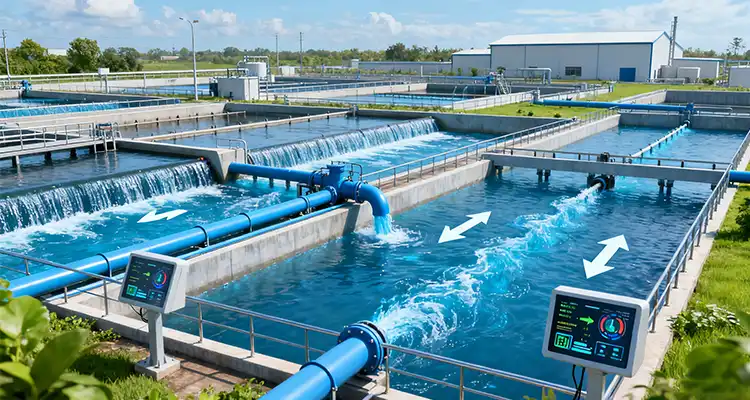
- Water and waste water: control of lift stations and management of reservoirs; tracking of tank farms and well sites
- Chemical processing: keeping track of supplies and avoiding overfilling
- Food and drink: checking bin levels
- Agriculture: control of watering systems
Because they are so flexible, portable level sensors can be used for both new setups and adding them to measurement systems that are already in place.
Integration with IIoT and Industry 4.0
The Industrial Internet of Things (IIoT) and Industry 4.0 depend on wireless level transmitters in a big way. By sending real-time data from faraway or hard-to-reach places, these gadgets allow for:
- Predictive repair
- Better control of the supply chain
- Making decisions based on data
Wireless level measurement data can be used to its fullest when it is connected to cloud platforms and analytics tools.
Selecting and Implementing Wireless Level Transmitters
Key Factors in Choosing Wireless Level Transmitters
When choosing a portable level sensor, think about these things:
- Measurement range and accuracy requirements
- Process conditions (temperature, pressure, chemical compatibility)
- Environmental conditions (indoor/outdoor, hazardous areas)
- Power requirements and battery life
- Wireless protocol compatibility with existing systems
- Data security features
By carefully looking at these factors, you can be sure that the portable level sensor you choose will work with your application.
Best Practices for Wireless Level Transmitter Installation
To get the most out of radio level transmitters:
- Do a site survey to find possible signal obstructions
- Place antennas correctly for best signal strength
- Set transmission intervals that balance new data and battery life
- Protect wireless communications with strong cybersecurity measures
- Make a maintenance plan for replacing batteries and calibrating sensors
If you follow these best practices, you can be sure that the level measurements in your wireless system will be reliable and accurate.
Overcoming Challenges in Wireless Level Measurement
Many good things about portable wireless level transmitters are also some problems they can have, such as
- Signal problems in radio areas with a lot of people
- Short battery life in apps that do a lot of reports
- Possible security holes
To deal with these problems, you need to carefully plan, choose the right tools, and keep an eye on the whole system. Working with sellers and developers who have a lot of experience can help you get past any problems that might come up during the implementation of wireless level measurement.
Conclusion
Wireless level monitors are a big step forward in the technology used to measure the level of liquids. These gadgets give you more freedom, lower startup costs, and better access to real-time info because they don't need connected links. As more and more industries adopt IIoT and digital transformation plans, wireless level sensors will become more and more important for streamlining processes and making operations run more smoothly.
Businesses can make smart choices about improving their level measurement systems when they understand the principles, benefits, and operational issues of wireless level receivers. Companies can find new ways to use remote tracking, predictive maintenance, and data-driven decision-making by carefully choosing and putting these new gadgets to use.
Discover GAMICOS's Advanced Wireless Level Transmitter Solutions
GAMICOS creates cutting-edge wireless level transmitters that work well with Internet of Things (IoT) systems. 4G networks let our GLT5081 intelligent wireless liquid level sensor give you access to real-time data and let you set it up from afar. It has advanced control methods, a battery life of over 6 years, and strong IP67 security, making it the best device for a wide range of industrial uses. GAMICOS is a top maker with a lot of research and development (R&D) experience. They can make OEM/ODM products that fit your exact level measurement needs. Email us at info@gamicos.com to find out how our cutting-edge wireless monitors can help your business run more smoothly.
References
1. Smith, J. (2022). Advancements in Wireless Level Measurement Technologies. Journal of Industrial Automation, 15(3), 45-62.
2. Johnson, A. & Williams, R. (2021). Implementing IIoT Solutions in Process Industries. Chemical Engineering Progress, 117(8), 38-45.
3. Brown, M. (2023). Best Practices for Wireless Sensor Networks in Hazardous Environments. ISA Transactions, 122, 154-168.
4. Garcia, L. et al. (2022). Comparative Analysis of Wireless Protocols for Industrial IoT Applications. IEEE Sensors Journal, 22(4), 3522-3534.
5. Thompson, K. (2023). Energy Harvesting Techniques for Long-Life Wireless Sensors. Sensors and Actuators A: Physical, 345, 113778.

Spring
Spring, With 5 years of experience in sensor technology and product development, Mark specializes in helping clients identify the optimal pressure and level sensor solutions for demanding industrial environments。
We're here to help — submit your request anytime!
Let us know how we can help solve your pressure level measurement challenge.
_1757930850792.jpg)
Recommended Blog