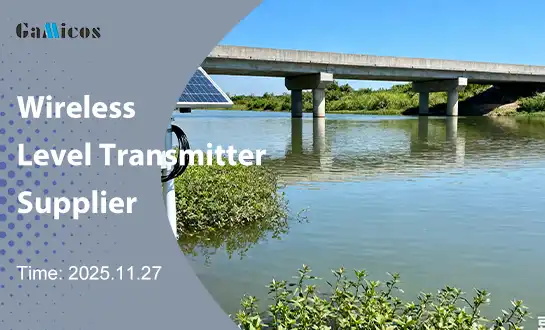
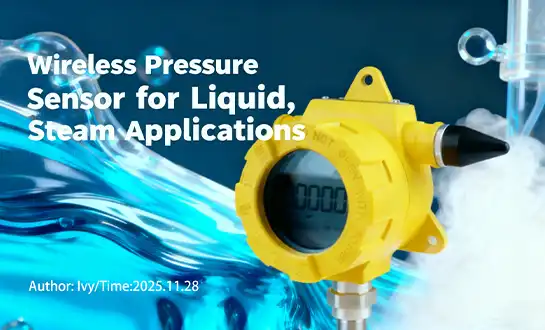
Introduction to Wireless Level Measurement for Industrial Tank
Understanding Wireless Level Measurement
Wireless level measurement technology has revolutionized industrial tank monitoring, offering real-time data access, improved safety, and cost savings. This innovative approach utilizes sensors and wireless communication to accurately measure and report liquid levels in tanks, silos, and other storage vessels. By eliminating the need for manual checks and wired connections, wireless systems provide continuous monitoring, enhanced efficiency, and valuable insights for inventory management and process optimization across various industries.

Understanding Wireless Level Measurement
How Wireless Level Measurement Works?
Wireless level measurement systems consist of several key components working together to provide accurate and reliable data. The core elements include:
- Level sensors: These devices measure the liquid level in the tank using various technologies such as ultrasonic, radar, or pressure-based methods.
- Wireless transmitters: Connected to the sensors, these units send the level data wirelessly to a central receiver or gateway.
- Gateway/receiver: This device collects data from multiple transmitters and relays it to the control system or cloud platform.
- Software interface: A user-friendly dashboard allows operators to view real-time levels, set alarms, and analyze historical data.
The wireless level measurement process begins when the sensor takes a reading of the tank's contents. This data is then wirelessly transmitted to the gateway, which aggregates information from multiple tanks. The gateway sends this data to a central control system or cloud platform, where it can be accessed and analyzed by authorized personnel.
Types of Wireless Technologies Used
Several wireless communication protocols are employed in level measurement systems, each with its own strengths:
- LoRa (Long Range): Offers long-range communication with low power consumption, ideal for remote locations.
- GPRS/3G/4G: Utilizes cellular networks for wide-area coverage and real-time data transmission.
- NB-IoT (Narrowband Internet of Things): Provides improved indoor coverage and supports a large number of connected devices.
- Wi-Fi: Suitable for short-range applications within industrial facilities with existing Wi-Fi infrastructure.
- Bluetooth: Used for short-range communication, often in conjunction with smartphone apps for local monitoring.
The choice of wireless technology depends on factors such as the application environment, required range, power availability, and data transmission frequency. Wireless level measurement systems can be tailored to meet specific industry needs and operational requirements.
Benefits of Wireless Level Measurement
Implementing wireless level measurement in industrial tanks offers numerous advantages:
- Real-time monitoring: Continuous access to accurate level data enables proactive decision-making and improved inventory management.
- Cost savings: Elimination of wiring and reduced maintenance needs result in lower installation and operational costs.
- Improved safety: Remote monitoring reduces the need for personnel to physically check tanks, especially in hazardous environments.
- Flexibility: Wireless systems can be easily relocated or expanded as needed, without extensive infrastructure changes.
- Data insights: Advanced analytics capabilities allow for trend analysis, predictive maintenance, and process optimization.
- Scalability: Wireless networks can accommodate additional sensors and tanks as operations grow.
These benefits make wireless level measurement an attractive solution for industries seeking to modernize their tank monitoring processes and improve operational efficiency.
Applications of Wireless Level Measurement in Various Industries
Chemical and Petrochemical Industry
In the chemical and petrochemical sectors, wireless level measurement plays a crucial role in ensuring safety, efficiency, and compliance. Some key applications include:
- Storage tank monitoring: Real-time level data helps prevent overfills and optimize inventory management.

- Process vessel monitoring: Continuous level measurement ensures smooth operations and product quality control.
- Hazardous material handling: Remote monitoring reduces exposure risks for personnel in potentially dangerous environments.
- Environmental compliance: Accurate level tracking aids in emissions monitoring and reporting.
Wireless level measurement systems in these industries often incorporate specialized sensors designed to withstand corrosive chemicals and extreme temperatures. The ability to monitor multiple tanks across large facilities provides valuable insights for production planning and supply chain management.
Oil and Gas Industry
The oil and gas industry benefits greatly from wireless level measurement technology, particularly in remote and challenging locations. Applications include:
- Crude oil storage: Accurate level monitoring ensures optimal utilization of storage capacity and prevents overfills.
- Produced water management: Efficient monitoring of water levels in separation tanks improves treatment processes.
- Fuel storage at retail stations: Automated monitoring enables timely refilling and prevents stockouts.
- Pipeline leak detection: Continuous level monitoring helps identify potential leaks or theft.
Wireless level measurement systems in this sector often utilize explosion-proof sensors and long-range communication technologies to cover vast areas and ensure safety in potentially explosive atmospheres.
Water and Wastewater Treatment
In water and wastewater facilities, wireless level measurement contributes to efficient operations and environmental protection. Key applications include:

- Water tower monitoring: Real-time data ensures adequate water supply and pressure for communities.
- Chemical dosing tanks: Precise level control optimizes treatment processes and reduces chemical waste.
- Stormwater management: Monitoring of retention basins helps prevent overflows during heavy rainfall.
- Sludge tank monitoring: Efficient sludge management improves treatment plant operations.
Wireless level measurement systems in this industry often incorporate robust, waterproof sensors capable of withstanding harsh environments and providing reliable data even in challenging conditions.
Implementing Wireless Level Measurement: Best Practices and Considerations
Selecting the Right Wireless Level Measurement System
Choosing an appropriate wireless level measurement solution requires careful consideration of several factors:
- Tank characteristics: Size, material, and contents of the tank influence sensor selection.
- Environmental conditions: Temperature, humidity, and potential interference sources affect system performance.
- Range requirements: Distance between tanks and control room determines suitable wireless technology.
- Power availability: Battery life and charging options impact long-term reliability.
- Data frequency needs: Real-time monitoring vs. periodic updates influences system design.
- Integration capabilities: Compatibility with existing control systems and software platforms is crucial.
Consulting with experienced providers and conducting thorough site assessments can help ensure the selection of an optimal wireless level measurement system for specific industrial applications.
Installation and Calibration Tips
Proper installation and calibration are essential for accurate and reliable wireless level measurement. Key considerations include:
- Sensor placement: Optimal positioning to avoid obstructions and ensure accurate readings.
- Antenna orientation: Correct alignment for maximum signal strength and range.
- Calibration procedures: Following manufacturer guidelines for initial setup and periodic recalibration.
- Signal testing: Verifying wireless connectivity and identifying potential interference sources.
- Documentation: Maintaining detailed records of installation parameters and calibration data.
Engaging qualified technicians and following best practices during installation and calibration helps maximize the performance and longevity of wireless level measurement systems.
Maintenance and Troubleshooting
To ensure ongoing reliability of wireless level measurement systems, regular maintenance and prompt troubleshooting are essential:
- Battery management: Monitoring and replacing batteries in wireless sensors as needed.
- Sensor cleaning: Periodic cleaning to remove buildup that may affect accuracy.
- Software updates: Keeping firmware and software platforms current for optimal performance.
- Signal strength monitoring: Regular checks to identify and address connectivity issues.
- Alarm response: Developing protocols for addressing high/low level alarms and system alerts.
Implementing a proactive maintenance schedule and training personnel in basic troubleshooting techniques can minimize downtime and ensure consistent performance of wireless level measurement systems.
Conclusion
Wireless level measurement technology has transformed the way industries monitor and manage their liquid storage tanks. By providing real-time data, improving safety, and offering cost-effective solutions, these systems have become invaluable tools across various sectors. As the technology continues to evolve, we can expect even more advanced features and integration capabilities, further enhancing the efficiency and reliability of industrial tank monitoring.
Experience the Future of Tank Monitoring with GAMICOS
GAMICOS is at the forefront of wireless level measurement technology, offering innovative solutions tailored to diverse industrial needs. Our GLT5081 intelligent wireless liquid level transmitter exemplifies our commitment to excellence, featuring 4G connectivity, long battery life, and advanced control algorithms. With expertise in pressure and level sensing across multiple industries, GAMICOS provides customized solutions backed by professional support and comprehensive after-sales service. Experience the power of precise, real-time tank monitoring with GAMICOS - your trusted partner in industrial measurement. Contact us at info@gamicos.com to learn how we can optimize your operations.
References
1. Smith, J. (2022). Advances in Wireless Level Measurement for Industrial Applications. Journal of Process Control and Automation, 45(3), 178-195.
2. Johnson, A. & Brown, T. (2021). Wireless Sensor Networks in Industrial Tank Monitoring: A Comprehensive Review. IEEE Sensors Journal, 21(8), 10234-10250.
3. Garcia, M. et al. (2023). Improving Safety and Efficiency in Chemical Storage through Wireless Level Measurement Technologies. Chemical Engineering Progress, 119(5), 35-42.
4. White, R. (2022). The Role of IoT in Modern Water Treatment Plant Operations. Water Environment & Technology, 34(7), 48-55.
5. Thompson, L. & Davis, K. (2023). Energy-Efficient Wireless Communication Protocols for Industrial Sensor Networks. IEEE Transactions on Industrial Electronics, 70(6), 5678-5689.

Ivy
Ivy, product consultant, has focused on sensor consultation for ten years, is proficient in providing pressure and level measurement solutions for customers.
We're here to help — submit your request anytime!
Let us know how we can help solve your pressure level measurement challenge.
_1757930850792.jpg)

Recommended Blog
Troubleshooting Wireless Level Transmitters Connectivity Issues