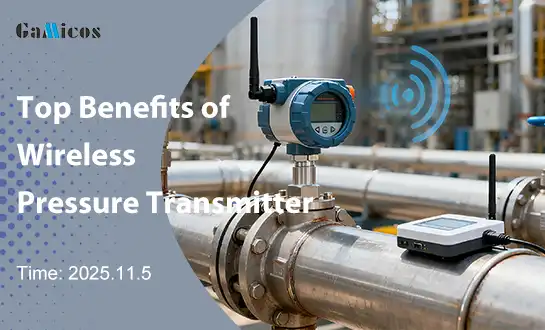
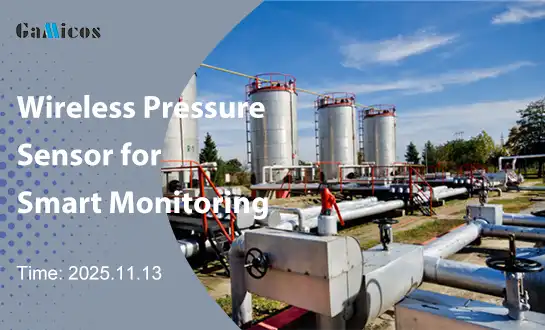
Wireless Pressure Sensor for Liquid, Gas, and Steam Applications
Understanding Wireless Pressure Transducers
Wireless pressure sensors are revolutionizing industrial monitoring across various sectors. These advanced devices offer real-time pressure measurements for liquids, gases, and steam without the need for complex wiring. By utilizing cutting-edge wireless technology, these sensors provide accurate data transmission, enhancing efficiency and safety in numerous applications. From chemical processing to oil and gas pipelines, wireless pressure transducers are becoming indispensable tools for modern industrial operations.
Understanding Wireless Pressure Transducers
How Do Wireless Pressure Sensors Work?
A wireless pressure transducer is a sophisticated device that combines pressure sensing technology with wireless communication capabilities. These sensors measure pressure in various media and transmit the data wirelessly to a central monitoring system. The core component of a wireless pressure transducer is typically a piezoresistive or capacitive sensing element that converts pressure into an electrical signal.
The wireless aspect of these sensors eliminates the need for complex wiring installations, making them ideal for remote or hard-to-reach locations. This feature significantly reduces installation costs and time while providing flexibility in sensor placement. Moreover, wireless pressure transducers often incorporate advanced power management techniques, enabling long battery life and reducing maintenance requirements.
Key Applications of Wireless Pressure Sensors
Wireless pressure transducers find applications across a wide range of industries due to their versatility and convenience. Some key applications include:
- Oil and Gas: Monitoring wellhead pressure and pipeline integrity
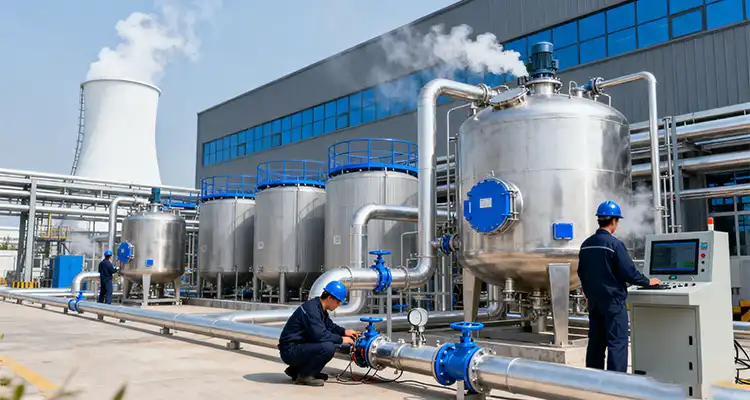
- Chemical Processing: Ensuring optimal pressure in reaction vessels and storage tanks
- Water Treatment: Monitoring water pressure in distribution systems
- HVAC Systems: Maintaining proper pressure in refrigeration and air conditioning units
- Industrial Automation: Monitoring hydraulic and pneumatic systems
- Food and Beverage: Ensuring proper pressure in processing equipment
In each of these applications, wireless pressure transducers provide real-time data, enabling proactive maintenance and enhancing operational efficiency. The ability to monitor pressure remotely also improves safety by reducing the need for manual inspections in potentially hazardous environments.
Advantages of Wireless Pressure Sensors Over Traditional Wired Systems
Wireless pressure transducers offer several advantages over their wired counterparts:
- Reduced Installation Costs: Eliminating the need for extensive wiring significantly reduces installation expenses.
- Flexibility in Sensor Placement: Wireless sensors can be installed in locations where wiring would be impractical or impossible.
- Scalability: Additional sensors can be easily added to the network without the need for new wiring infrastructure.
- Improved Safety: Wireless sensors reduce the risk associated with cable failures in harsh environments.
- Real-Time Data Access: Wireless technology enables instant access to pressure data from multiple points simultaneously.
These advantages make wireless pressure transducers an attractive option for both new installations and retrofitting existing systems. The seamless integration of these sensors into Industrial Internet of Things (IIoT) platforms further enhances their value by enabling advanced analytics and predictive maintenance strategies.
Selecting the Right Wireless Pressure Sensor for Your Application
Key Factors to Consider When Choosing a Wireless Pressure Transducer
Selecting the appropriate wireless pressure transducer for your specific application requires careful consideration of several factors:
- Pressure Range: Ensure the sensor can accurately measure the expected pressure range in your application.
- Media Compatibility: The sensor must be compatible with the liquid, gas, or steam it will be measuring.
- Environmental Conditions: Consider factors such as temperature, humidity, and potential exposure to corrosive substances.
- Accuracy and Precision: Determine the level of accuracy required for your application.
- Wireless Protocol: Choose a sensor that uses a wireless protocol compatible with your existing infrastructure (e.g., LoRa, Zigbee, or 4G).
- Power Source: Consider battery life and the availability of power sources in the installation location.

- Data Transmission Frequency: Determine how often pressure readings need to be transmitted.
By carefully evaluating these factors, you can select a wireless pressure transducer that meets your specific needs and ensures reliable operation in your application.
Understanding Wireless Communication Protocols for Pressure Sensors
Wireless pressure transducers utilize various communication protocols, each with its own strengths and limitations. Some common protocols include:
- LoRa (Long Range): Offers long-range communication with low power consumption, ideal for remote monitoring applications.
- Zigbee: Provides short-range, low-power communication suitable for industrial environments with many sensors.
- Bluetooth Low Energy (BLE): Offers short-range communication with low power consumption, suitable for mobile device integration.
- Wi-Fi: Provides high-bandwidth communication suitable for applications requiring frequent data transmission.
- Cellular (4G/5G): Enables long-range communication without the need for a local network infrastructure.
The choice of protocol depends on factors such as range requirements, power consumption, data rate, and existing infrastructure. For instance, LoRa might be preferred for long-range applications in remote areas, while Wi-Fi could be more suitable for factory environments with existing Wi-Fi networks.
Ensuring Accuracy and Reliability in Wireless Pressure Measurements
Accuracy and reliability are crucial in pressure measurement applications. To ensure the best performance from your wireless pressure transducer, consider the following:
- Calibration: Regular calibration is essential to maintain accuracy over time.
- Environmental Compensation: Choose sensors with built-in temperature compensation for applications with varying temperatures.
- Signal Processing: Look for sensors with advanced signal processing capabilities to reduce noise and improve accuracy.
- Redundancy: In critical applications, consider using multiple sensors for redundancy and cross-validation.
- Data Validation: Implement data validation algorithms in your monitoring system to detect anomalies or sensor failures.
By addressing these aspects, you can ensure that your wireless pressure transducer provides accurate and reliable measurements, even in challenging industrial environments. Regular maintenance and periodic verification of sensor performance are also crucial for long-term reliability.
Implementation and Best Practices for Wireless Pressure Monitoring Systems
Designing an Effective Wireless Pressure Monitoring Network
Implementing a wireless pressure monitoring system requires careful planning and design. Here are some key considerations:
- Network Topology: Determine the optimal arrangement of sensors and gateways to ensure reliable communication.
- Signal Strength: Assess potential obstacles and interference sources that may affect wireless signal propagation.
- Scalability: Design the network to accommodate future expansion and additional sensors.
- Data Security: Implement robust encryption and authentication measures to protect sensitive pressure data.
- Power Management: Develop strategies for long-term power supply, such as solar panels or long-life batteries.
- Redundancy: Include backup communication paths to ensure continuous data transmission.
A well-designed wireless pressure transducer network ensures reliable data collection and transmission, forming the foundation for effective pressure monitoring and control systems.
Integration of Wireless Pressure Sensors with Existing Systems
Integrating wireless pressure transducers with existing control and monitoring systems can enhance overall operational efficiency. Consider the following integration strategies:
- Data Protocols: Ensure compatibility between the wireless sensor data format and your existing systems.
- API Integration: Utilize application programming interfaces (APIs) to seamlessly connect wireless sensor data with your control systems.
- Middleware Solutions: Implement middleware to translate between different communication protocols if necessary.
- Cloud Integration: Consider cloud-based solutions for data storage and analysis, enabling remote access and advanced analytics.
- Visualization Tools: Integrate wireless pressure data into existing dashboards or develop new visualization tools for easy monitoring.
Successful integration allows for a unified view of pressure data across your entire operation, enabling more informed decision-making and improved process control.
Maintenance and Troubleshooting of Wireless Pressure Monitoring Systems
To ensure the long-term reliability of your wireless pressure transducer system, implement a comprehensive maintenance and troubleshooting strategy:
- Regular Inspections: Conduct periodic visual inspections of sensors and associated equipment.
- Battery Management: Monitor battery levels and replace or recharge as needed to prevent data loss.
- Calibration Checks: Perform regular calibration checks to maintain measurement accuracy.
- Signal Strength Monitoring: Continuously monitor wireless signal strength and address any degradation promptly.
- Firmware Updates: Keep sensor firmware up-to-date to benefit from the latest features and security patches.
- Data Analysis: Regularly analyze collected data to identify potential sensor drift or malfunction.
By implementing these maintenance practices, you can ensure the continued accuracy and reliability of your wireless pressure monitoring system. Additionally, having a well-defined troubleshooting protocol helps quickly identify and resolve any issues that may arise, minimizing downtime and ensuring continuous pressure monitoring.
Conclusion
Wireless pressure sensors have revolutionized pressure monitoring across various industries, offering unprecedented flexibility, cost-effectiveness, and real-time data access. By understanding the technology, carefully selecting the right sensors, and implementing best practices in network design and maintenance, organizations can harness the full potential of wireless pressure transducers. As the technology continues to evolve, we can expect even more advanced features and improved performance, further cementing the role of wireless pressure sensors in modern industrial operations.
Innovative Wireless Pressure Monitoring Solutions - GAMICOS
GAMICOS leads the industry in wireless pressure sensor technology, offering cutting-edge solutions like the wireless pressure transmitter. This advanced device combines high-stability sensing with versatile wireless options, including SWSN, LORA, and 4G networks. With features such as ultra-low power consumption, long transmission range, and easy installation, GAMICOS provides unparalleled performance for diverse applications. Our commitment to innovation, backed by extensive R&D and global industry experience, ensures that we deliver top-tier wireless pressure monitoring solutions tailored to your specific needs. For expert consultation on wireless pressure transducers, contact us at info@gamicos.com.
References
1. Johnson, A. R. (2021). "Advanced Wireless Sensor Networks for Industrial Applications." Journal of Industrial Automation, 15(3), 245-260.
2. Smith, B. T., & Davis, C. L. (2020). "Wireless Pressure Sensing Technologies: A Comprehensive Review." Sensors and Actuators Journal, 42(1), 78-95.
3. Zhang, L., et al. (2022). "IoT-Based Pressure Monitoring Systems in Chemical Processing Industries." Chemical Engineering Technology, 37(4), 612-628.
4. Brown, R. H. (2019). "Advancements in Wireless Pressure Transducer Technology for Oil and Gas Applications." SPE Production & Operations, 34(2), 301-315.
5. Miller, S. J., & Thompson, K. L. (2023). "Energy-Efficient Wireless Sensing Protocols for Industrial Pressure Monitoring." IEEE Transactions on Industrial Electronics, 70(6), 5421-5435.

Ivy
Ivy, product consultant, has focused on sensor consultation for ten years, is proficient in providing pressure and level measurement solutions for customers.
We're here to help — submit your request anytime!
Let us know how we can help solve your pressure level measurement challenge.
_1757930850792.jpg)


Recommended Blog