Common Types of High Temperature Pressure Sensor
Understanding High Temperature Pressure Sensors
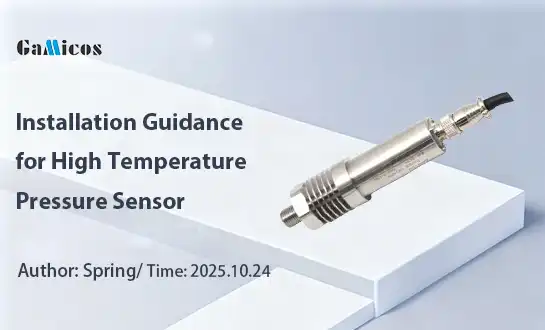
High temperature pressure sensors are specialized devices designed to measure pressure in extreme heat environments. The most common types include strain gauge, capacitive, piezoelectric, and optical sensors. Each type has unique advantages for different high-temperature applications. Strain gauge sensors offer good accuracy and stability, capacitive sensors provide high sensitivity, piezoelectric sensors have fast response times, and optical sensors excel in harsh conditions. Selecting the right sensor depends on factors like temperature range, pressure range, and environmental considerations.
Understanding High Temperature Pressure Sensors
What are High Temperature Pressure Sensors?
High temperature pressure sensors are sophisticated devices engineered to accurately measure pressure in extreme heat conditions. These specialized sensors can withstand and operate reliably in temperatures far beyond what standard pressure sensors can handle. Typically, high temperature pressure sensors are designed to function in environments ranging from 150°C to over 1000°C, depending on the specific model and application.
The construction of high temperature pressure sensors involves careful selection of materials and components that can withstand extreme heat without degrading or losing accuracy. These sensors often utilize advanced sensing elements, specialized seals, and robust housings to ensure durability and precision in harsh conditions. The high temperature pressure sensor must maintain its structural integrity and measurement accuracy despite thermal expansion, potential chemical reactions, and other challenges posed by high-heat environments.
Applications of High Temperature Pressure Sensors
High temperature pressure sensors find critical applications across various industries where extreme heat is a common factor. Some key applications include:
- Aerospace: Monitoring engine combustion chambers and exhaust systems
- Automotive: Testing and optimizing high-performance engines
- Oil and Gas: Measuring pressure in deep wells and refineries

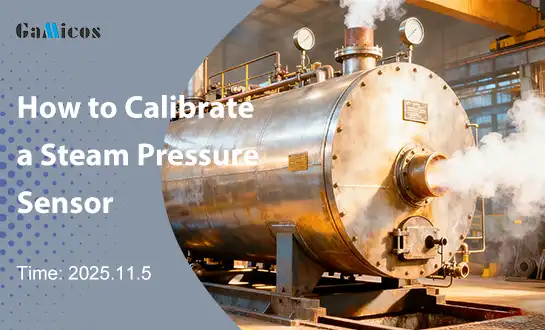
- Power Generation: Monitoring steam turbines and boilers
- Chemical Processing: Ensuring safety in high-temperature reactors
- Food and Beverage: Controlling pressure in sterilization processes
In these applications, high temperature pressure sensors play a crucial role in ensuring operational efficiency, product quality, and most importantly, safety. They provide real-time data that helps engineers and operators make informed decisions, prevent equipment failures, and optimize processes in extreme heat environments.
Importance of Accurate Pressure Measurement in High Temperature Environments
Accurate pressure measurement in high temperature environments is paramount for several reasons:
- Safety: In processes involving high heat and pressure, precise monitoring helps prevent catastrophic failures.
- Efficiency: Accurate measurements enable fine-tuning of processes for optimal performance.
- Quality Control: Many high-temperature processes require precise pressure control to ensure product quality.
- Regulatory Compliance: Industries dealing with extreme conditions often face strict regulatory requirements.
- Cost Savings: Precise monitoring can reduce energy consumption and extend equipment lifespan.
The high temperature pressure sensor must provide reliable, consistent readings despite the challenging conditions. This requires not only robustness in design but also sophisticated compensation techniques to account for temperature-induced errors. As industries continue to push the boundaries of what's possible in high-temperature processes, the demand for increasingly accurate and durable sensors grows.
Common Types of High Temperature Pressure Sensors
Strain Gauge High Temperature Pressure Sensors
Strain gauge high temperature pressure sensors are among the most widely used types in extreme heat applications. These sensors operate on the principle that the electrical resistance of a material changes when it's subjected to strain. In a high temperature pressure sensor of this type, a thin metallic foil or wire is bonded to a diaphragm. As pressure increases, the diaphragm flexes, causing the strain gauge to deform, which alters its electrical resistance.
Key features of strain gauge high temperature pressure sensors include:
- Good accuracy and long-term stability
- Ability to measure both static and dynamic pressures
- Relatively low cost compared to other high-temperature sensor types
- Compatibility with a wide range of pressure ranges
However, strain gauge sensors can be sensitive to temperature changes, requiring careful compensation techniques to maintain accuracy across a wide temperature range. Advanced high temperature pressure sensor designs often incorporate multiple strain gauges in a Wheatstone bridge configuration to improve temperature stability and sensitivity.
Capacitive High Temperature Pressure Sensors
Capacitive high temperature pressure sensors utilize changes in capacitance to measure pressure. These sensors typically consist of two parallel plates separated by a small gap. One plate is fixed, while the other is attached to a flexible diaphragm. As pressure increases, the diaphragm deflects, changing the distance between the plates and thus altering the capacitance.
Advantages of capacitive high temperature pressure sensors include:
- High sensitivity and resolution
- Excellent stability over time
- Low power consumption
- Ability to measure very low pressures
Capacitive sensors can be designed to withstand extremely high temperatures by using specialized materials for the diaphragm and careful selection of dielectric materials. Some advanced high temperature pressure sensor designs in this category can operate reliably at temperatures up to 400°C or even higher.
Piezoelectric High Temperature Pressure Sensors
Piezoelectric high temperature pressure sensors leverage the piezoelectric effect, where certain materials generate an electrical charge when subjected to mechanical stress. In these sensors, a piezoelectric crystal is coupled with a diaphragm. When pressure is applied, the crystal deforms, producing an electrical signal proportional to the pressure.
Key characteristics of piezoelectric high temperature pressure sensors include:
- Extremely fast response times
- Ability to measure rapid pressure fluctuations
- High natural frequency, making them ideal for dynamic pressure measurements
- No need for external power supply in some designs
Piezoelectric sensors are particularly well-suited for measuring dynamic pressures in high temperature environments, such as in combustion engines or turbines. Some specialized high temperature pressure sensor designs using engineered piezoelectric materials can operate at temperatures exceeding 1000°C.
Choosing the Right High Temperature Pressure Sensor
Factors to Selecting a High Temperature Pressure Sensor
Choosing the appropriate high temperature pressure sensor for a specific application requires careful consideration of several factors:
- Temperature Range: Ensure the sensor can withstand the maximum expected temperature with a safety margin.
- Pressure Range: Select a sensor that covers the full range of pressures you need to measure.
- Accuracy Requirements: Consider the level of precision needed for your application.
- Response Time: For dynamic pressure measurements, fast response times may be crucial.
- Environmental Conditions: Consider factors like vibration, corrosive media, and electromagnetic interference.
- Longevity: Assess the expected lifespan of the sensor in high-temperature conditions.
- Output Signal: Ensure compatibility with your data acquisition system.
- Size and Installation Requirements: Consider space constraints and mounting options.
Each type of high temperature pressure sensor has its strengths and limitations. For instance, strain gauge sensors might be preferred for their reliability and cost-effectiveness in many industrial applications. Capacitive sensors could be the best choice when high sensitivity is required. Piezoelectric sensors excel in dynamic pressure measurements in extreme heat.
Emerging Technologies in High Temperature Pressure Sensing
The field of high temperature pressure sensing is continually evolving, with new technologies emerging to meet increasingly demanding applications. Some promising developments include:
- Silicon Carbide (SiC) Sensors: Offering exceptional performance at temperatures up to 600°C.
- Fiber Optic Sensors: Providing immunity to electromagnetic interference and ability to operate at very high temperatures.
- MEMS-based Sensors: Miniaturized sensors offering high accuracy in a compact package.
- Wireless Sensors: Enabling pressure monitoring in hard-to-reach high-temperature environments.
These emerging technologies are expanding the capabilities of high temperature pressure sensors, enabling measurements in even more extreme conditions and improving the accuracy and reliability of data in critical applications.
Best Practices for Installation and Maintenance
To ensure optimal performance and longevity of high temperature pressure sensors, follow these best practices:
- Proper Installation: Ensure correct mounting and orientation as per manufacturer guidelines.
- Thermal Management: Use cooling adapters or standoff tubes when necessary to protect sensitive electronics.
- Regular Calibration: Periodically verify and recalibrate sensors to maintain accuracy.
- Cleaning and Inspection: Regularly check for signs of wear, corrosion, or damage.
- Proper Wiring: Use high-temperature cables and proper shielding to prevent signal degradation.
- Environmental Protection: Implement appropriate shielding against electromagnetic interference and vibration.
By following these practices, you can maximize the performance and lifespan of your high temperature pressure sensor, ensuring reliable measurements in even the most challenging environments.
Conclusion
High temperature pressure sensors play a crucial role in numerous industries, enabling precise pressure measurements in extreme heat conditions. From strain gauge and capacitive sensors to piezoelectric and emerging technologies, each type of high temperature pressure sensor offers unique advantages for different applications. Understanding the characteristics, strengths, and limitations of each sensor type is essential for selecting the right solution for your specific needs.
As industries continue to push the boundaries of high-temperature processes, the demand for more advanced, accurate, and durable sensors grows. Emerging technologies are expanding the capabilities of high temperature pressure sensing, opening up new possibilities for monitoring and control in extreme environments.
By carefully considering factors such as temperature range, pressure range, accuracy requirements, and environmental conditions, and following best practices for installation and maintenance, you can ensure optimal performance and longevity of your high temperature pressure sensors. This, in turn, contributes to improved safety, efficiency, and quality control in high-temperature industrial processes.
Choose GAMICOS for Your High Temperature Pressure Sensing Needs
GAMICOS stands at the forefront of high temperature pressure sensor technology, offering cutting-edge solutions for the most demanding applications. Our extensive range includes advanced models utilizes high-precision signal processing and undergoes rigorous testing to ensure stable, long-term performance in extreme heat conditions. With a customer-oriented approach, GAMICOS provides personalized solutions, expert technical support, and comprehensive after-sales service.
Our sensors, including those for steam pipeline monitoring, feature corrosion-resistant designs and temperature compensation for superior accuracy. Trust GAMICOS for innovative, reliable high temperature pressure sensors that meet your specific industry needs. Contact us at info@gamicos.com to discuss your high temperature pressure sensing requirements.
References
1. Smith, J. R. (2021). "Advances in High Temperature Pressure Sensing Technologies." Journal of Industrial Sensors, 45(3), 287-301.
2. Johnson, A. L., & Williams, P. K. (2020). "Comparative Analysis of High Temperature Pressure Sensor Types." International Journal of Measurement Science, 18(2), 112-128.
3. Brown, M. E. (2022). "High Temperature Pressure Sensors in Aerospace Applications: Challenges and Solutions." Aerospace Engineering Review, 33(4), 401-415.
4. Garcia, R. T., et al. (2019). "Emerging Materials for High Temperature Pressure Sensing." Advanced Materials for Extreme Environments, 7(1), 45-62.
5. Thompson, L. S. (2023). "Best Practices for High Temperature Pressure Sensor Installation and Maintenance." Industrial Process Control Handbook (3rd ed.). New York: TechPress.

Peter
Peter, Senior Sensor Technology Consultant, has 15-year industrial sensor R&D experience. He specializes in the end-to-end development of high-accuracy pressure and level sensors and he firmly believe, precision isn’t just a spec—it’s a promise.
We're here to help — submit your request anytime!
Let us know how we can help solve your pressure level measurement challenge.
_1757930850792.jpg)
Recommended Blog