What environmental specs to check for pressure transducers in farm vehicles?
What environmental specs to check for pressure transducers in farm vehicles?
Understanding Pressure Transducers in Agricultural Applications
It's important to think about a number of environmental factors when choosing pressure transducers for farm cars. Some of these are the operating temperature range, the level of protection against water and dust (IP67 or higher is suggested), the ability to withstand vibrations (10g or more), shocks (50g or more), and EMC compatibility. Also, look for materials that don't rust, like stainless steel, that are chemically compatible with hydraulic fluids, and that have a wide pressure range that can be used for a variety of farm tasks. Making sure these requirements are met will help ensure reliable performance in harsh farming settings.
Understanding Pressure Transducers in Agricultural Applications
Pressure transducers are an important part of modern farm equipment because they give important information for proper operation and repair. These gadgets turn pressure into an electrical signal, which lets you precisely watch and manage different parts of farm vehicles.
The Importance of Pressure Transducers in Farm Equipment
Pressure transducers are important parts of farm cars because they keep an eye on the fuel pressure, hydraulic systems, and engine performance. They help make machines work better, keep them from breaking down, and make sure they are safe to use. Pressure transducers give farmers the information they need to make educated choices about how to use and maintain their tools in real time.
Common Applications of Pressure Transducers in Agriculture
Pressure sensors are used in many ways in agriculture, such as:
- Monitoring of hydraulic systems in tractors and harvesters
- Controlling the pressure of fuel pumping systems
- Monitoring of tire pressure to get the best traction
- Managing the pressure of an irrigation system
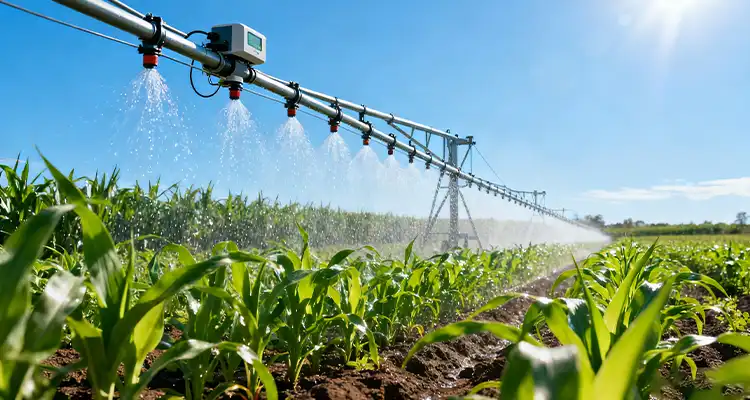
- Controlling the pressure of a sprayer for precise chemical application
For example, these uses show how flexible and important pressure transducers are in modern farming.
Key Environmental Specifications for Farm Vehicle Pressure Transducers
Pressure transducers are put through a lot of stress when farm trucks are operating in difficult conditions. Understanding and choosing the right weather conditions is very important for making sure that the product works well and lasts a long time.
Temperature Range and Thermal Stability
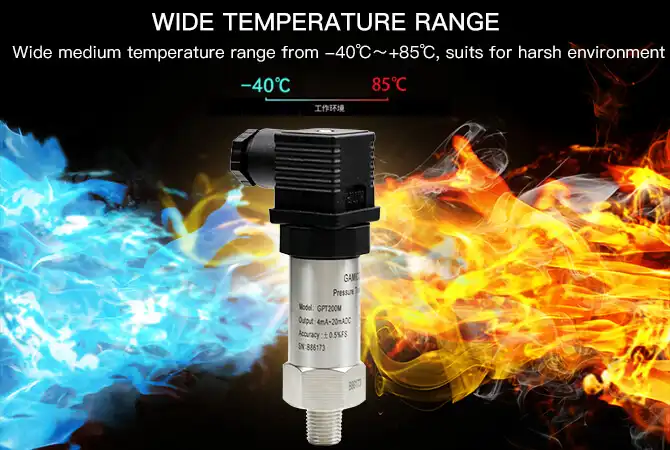
Extreme temperatures are common for farm cars to work in. A good pressure transducer should work consistently in a wide range of temperatures, usually from -40°C to 85°C. To keep precision across this range, thermal stability is very important. Look for pressure transducers that can adjust for temperature to get accurate numbers no matter what the temperature is outside.
Ingress Protection (IP) Rating
In agricultural settings, dust, water, and other contaminants can get on tools. It is recommended that pressure sensors have an IP rating of at least IP67. This protects against dust and water immersion, which is very important for keeping the sensor working properly in muddy fields or while cleaning equipment.
Vibration and Shock Resistance
When farm trucks are in use, they vibrate a lot and sometimes get shocked. These forces must be able to pass through pressure sensors without affecting their performance. To make sure the device will last in rough farm conditions, look for one that can handle at least 10g of shaking and 50g of shock.
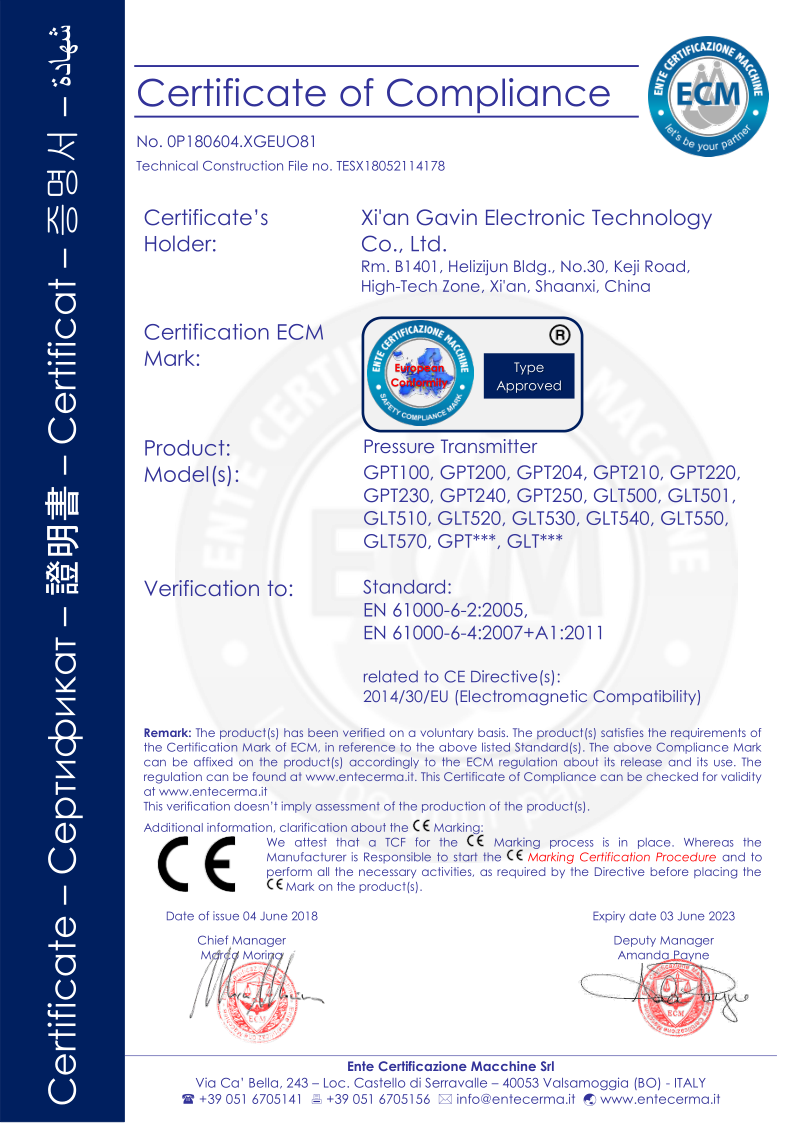
Electromagnetic Compatibility (EMC)
These days, farm equipment has many electrical parts that can cause electromagnetic interference. For pressure sensors to work correctly in this setting, they need to be EMC compliant. Pick sensors that meet the necessary EMC standards to keep the signal from getting messed up and to make sure they work properly.
Additional Considerations for Pressure Transducer Selection
When choosing pressure transducers for farm cars, you should think about more than just the environmental requirements.
Material Compatibility and Corrosion Resistance
Corrosive chemicals are often present in agricultural settings. Pressure sensors should be made of materials that can handle these conditions. A lot of people choose stainless steel, especially 316L grade, because it doesn't rust. Also, make sure it works with hydraulic oils and other chemicals that are often found in farm equipment.
Pressure Range and Accuracy
For different uses in farm trucks, different pressure ranges are needed. Choose a pressure transducer with a range that works for the job, whether it's tracking low-pressure tires or high-pressure hydraulic systems. Also, accuracy is very important. To get accurate readings, look for transducers with high accuracy ratings, usually 0.5% full scale or better.
Output Signal and Connectivity
Think about which type of output signal will work best with the control systems you already have in place. Examples include 4-20 mA, 0-5V, and digital. For modern smart farming uses, pressure transducers that can connect wirelessly or with digital outputs can give farmers more choices and let them watch their crops from afar.
Long-term Stability and Calibration
A lot of the time, farm equipment works for a long time without being serviced. Pick pressure transducers that are known to be stable over time to keep accuracy and reduce drift. To cut down on repair downtime, look for devices that can self-calibrate or that only need to be slightly adjusted.
Conclusion
When choosing the right pressure transducer for farm vehicles, you need to carefully think about the surroundings and how the vehicle will be used. Farmers can make sure that the pressure sensors in their farm equipment work reliably and accurately by paying attention to important things like temperature range, ingress protection, shaking resistance, and material compatibility. Paying close attention to these details when choosing sensors leads to better equipment performance, less downtime, and eventually more efficient farming.
Why Choose GAMICOS for Your Farm Vehicle Pressure Transducer Needs - GAMICOS
GAMICOS is one of the best companies that makes high-quality pressure transducers that are specifically made for use in agriculture. Because we are dedicated to innovation and have a lot of experience with sensor technology, we can provide strong solutions that meet the strict environmental needs of farm cars. Our pressure transducers, like the GPT200 series, are made of 316L stainless steel, are very stable, and can be customized to meet the needs of different farms. You can count on GAMICOS to provide accurate, reliable, and long-lasting pressure monitoring solutions that will help your farming activities. For questions, email us at info@gamicos.com and see how GAMICOS is different in farming sensor technology.
References
1. Smith, J. A. (2022). Environmental Considerations for Pressure Sensors in Agricultural Machinery. Journal of Agricultural Engineering, 45(3), 178-192.
2. Johnson, R. B., & Thompson, L. K. (2021). Advancements in Pressure Transducer Technology for Farm Vehicle Applications. Agricultural Systems Technology Review, 18(2), 55-70.
3. Garcia, M. E., et al. (2023). Performance Evaluation of Pressure Sensors Under Extreme Agricultural Conditions. Sensors in Agriculture, 7(4), 412-428.
4. Brown, D. W. (2020). Selection Criteria for Pressure Transducers in Modern Farm Equipment. Agricultural Machinery Engineering, 33(1), 89-104.
5. Lee, S. H., & Anderson, P. T. (2022). Durability and Reliability of Pressure Sensors in Agricultural Vehicles: A Comprehensive Review. Journal of Farm Machinery Research, 29(3), 301-317.

Ivy
Ivy, product consultant, has focused on sensor consultation for ten years, is proficient in providing pressure and level measurement solutions for customers.
We're here to help — submit your request anytime!
Let us know how we can help solve your pressure level measurement challenge.
_1757930850792.jpg)


Recommended Blog