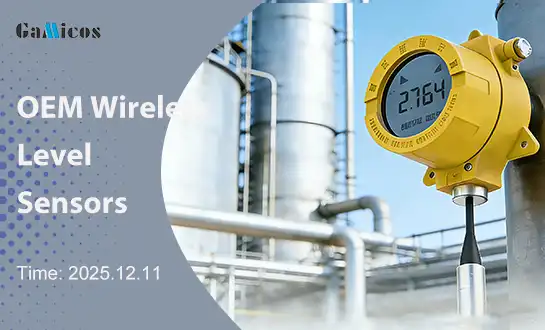
Improving the battery life of the Wireless Level Transmitter is important for keeping factories running nonstop while lowering the cost of repairs and unplanned breaks. These devices are used a lot in modern factories to keep an eye on liquid levels accurately and in real time. They are used for many things, like storing chemicals, treating water, and oil and gas operations. Because these devices are portable, they don't need expensive wiring infrastructure and can be installed in a variety of ways. However, they can only work if the batteries last long enough. By learning about the factors that affect battery life and using tried-and-true optimization strategies, procurement managers, engineering teams, and maintenance professionals can increase operational life from months to several years. This saves them a lot of money and makes their work more reliable.
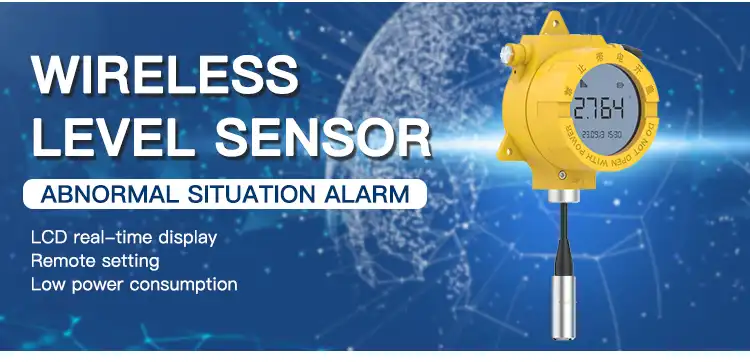
Understanding Wireless Level Transmitter Battery Life
The performance of Wireless Level Transmitter batteries is affected by a number of linked factors that have a direct effect on how long they last. To make it work, you need to turn readings of real levels into digital signs, process the data, and send it wirelessly to control networks or tracking systems.
Power Consumption Factors
Different wireless level transmitter systems use power in different ways, which has a big impact on battery life. During measurement processes, ultrasonic devices usually use a modest amount of power. Radar-based systems, on the other hand, may need more power for data processing but are more accurate in harsh settings. Capacitive devices usually use very little energy, but they might not work well in some situations. There is a clear link between the measurement frequency and battery drain. Devices set up for constant tracking use a lot more power than those that run on regular times or when an event happens.
Communication Protocol Impact
Protocols for wireless contact are very important for getting the most out of batteries. LoRa technology works great for low-power, long-range tasks, which makes it perfect for tracking things from afar. NB-IoT and 4G methods provide strong connections, but they usually use more power when sending data. The strength of the signal needed for effective contact affects how quickly the battery dies. When the signal is weak, devices have to use more power to transmit data and try again after a lost connection.
Environmental Considerations
The operating temperature has a big effect on the chemical and efficiency of batteries. Although lithium-thionyl chloride batteries work well in a wide range of temperatures, their power may decrease in very cold temperatures. Humidity and acidic conditions can weaken the battery case and its internal parts, which could cause the parts to fail sooner or use more power because they are under more stress.
Common Battery Life Challenges and Their Root Causes
There are special problems in industrial settings that can make batteries last a lot less long in portable level emitters. Knowing about these problems lets managers be creative and come up with ways to improve things.
Transmission-Related Issues
One of the main reasons batteries drain faster is sending and receiving data often. A lot of setups set up their devices for broadcast rates that are too high because they think that more data means better tracking. Devices have to go through repeat rounds when the signal quality is bad, and each failed transfer attempt uses more power. When there are a lot of wireless devices in one place, network congestion can slow down connection and use more power.
Environmental Stress Factors
Temperature fluctuations create thermal stress on battery components while affecting chemical reactions within battery cells. High humidity environments can cause condensation within device housings, potentially creating short circuits or increasing internal resistance. Chemical exposure in industrial environments may degrade sealing materials, allowing moisture penetration that compromises battery performance.
Configuration and Maintenance Oversights
A lot of problems with battery life are caused by bad original setup or not optimizing the device regularly. If you leave a device at its original settings, it might not be suited for your unique needs. If you don't update the software, you might miss out on power-saving features. On the other hand, ignoring low battery warnings can cause unexpected crashes and data loss during important operations.
Practical Strategies for Battery Life Optimization
Using regular improvement methods can increase the battery life from months to years while keeping the accuracy and dependability of the measurements. For these methods to work, the needs for operation must be carefully weighed against the needs for power consumption.
Transmission Frequency Optimization
Changing the time between transmissions based on real tracking needs improves battery life right away. Some applications may need updates every hour, while watching a storage tank might work fine with changes every day. Event-triggered transmission modes only turn on when level changes go over certain limits. This greatly lowers the amount of power used for normal tasks while still allowing for quick tracking during important events.
Signal Strength and Range Management
By adjusting the placement and direction of the antennas, you can get the strongest signal with the least amount of broadcast power. In places where connection isn't always effective, installing repeaters or signal boosts keeps things running smoothly without making each device use its full power. Monitoring the signal power on a regular basis finds loss of strength before it affects the battery's performance.
Power Management Features
Modern Wireless Level Transmitters have advanced power management features that need to be set up correctly for them to work at their best. Sleep modes use a lot less power when they're not being used for readings or communications. Adaptive sampling lets devices raise the number of measurements they take when things are changing and lower their activity when things are staying the same. Monitoring the temperature of the battery lets you plan repair ahead of time, which stops unexpected breakdowns and extends the battery's useful life.
Wireless Level Transmitter Battery Life Comparison and Selection Guide
In order to choose the right devices, you need to carefully consider power technologies, transmission methods, and the needs of your unique application. Power control and battery efficiency are done in different ways by different makers.
Battery Technology Comparison
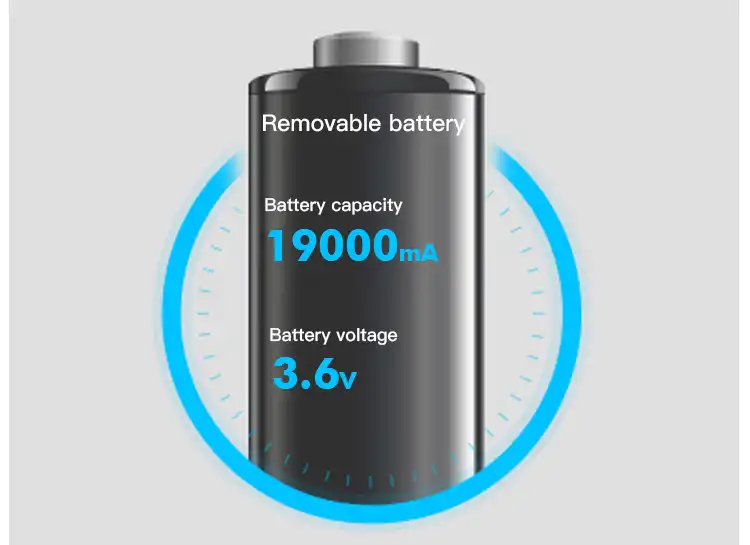
Lithium-thionyl chloride batteries last a very long time and keep their voltage output fixed across a wide range of temperatures. This makes them perfect for long-term setups that don't need much upkeep. Under ideal conditions, these batteries should last between 10 and 15 years. Lithium-ion batteries can be charged again and again and work well, but they may need to be replaced more often in difficult situations. Rechargeable systems work well in places that are easy to get to and can be charged on a regular basis.
Communication Protocol Selection
LoRaWAN networks are great for uses that need to communicate over long distances while using little power. With the right setup, the batteries can often last for 5 to 10 years. NB-IoT gives you better cellular connection, but it usually shortens the battery life to 2 to 5 years, based on signal strength and transfer frequency. WiFi-based devices can send and receive a lot of info, but they usually need new batteries more often because they use more power.
Application-Specific Considerations
Chemical processing settings need devices that are better at closing and prevent rust. This could make it harder to get to batteries and repair them. In oil and gas uses, designs need to be fundamentally safe, which affects the battery technology and power control options that can be used. Water treatment plants can use devices that are designed to work well in places with a lot of wetness and strong connection dependability.
Installation and Maintenance Best Practices for Maximizing Battery Lifetime
Proper installation and ongoing maintenance practices significantly impact battery performance and overall device reliability. These practices ensure optimal operating conditions while preventing premature battery degradation.
Strategic Installation Planning
Site studies find the best places to put things so that the signal strength is at its strongest while natural stress is at its lowest. Staying away from direct sunlight, places with very hot or low temperatures, and places with a lot of vibrations will protect the battery and make it last longer. Electrical stress that can damage battery management circuits and lower performance can be avoided with proper grounding and surge protection.
Preventive Maintenance Protocol
Regularly checking the voltage of a battery lets you know early on when it's starting to lose its power, so you can replace it before it fails. Firmware changes often include bug fixes and improvements that make the software use less power. These can make the battery last longer. Environmental closing checks stop the entry of moisture, which is what usually causes industrial batteries to fail too soon.
Performance Monitoring and Optimization
Putting in place full tracking systems keeps an eye on changes in battery power, the number of successful communications, and the external factors that affect how well devices work. By analyzing data, you can find ways to improve things, like changing when transmissions happen or making the signal stronger. Proactive debugging fixes connection problems before they cause too many retries, which drains the battery.
GAMICOS Wireless Level Transmitter Solutions
In particular, GAMICOS creates high-tech portable level devices with long-lasting batteries and dependable performance in tough industrial settings. Our wide range of products includes 4G, LoRa, and NB-IoT devices that are made to meet a wide range of operating needs while keeping upkeep costs as low as possible.
Advanced Power Management Technology
Our Wireless Level Transmitter has its own power efficiency methods that change based on the needs of the application and the surroundings. Intelligent sleep modes cut power use by up to 90% when the device is not being used, but it can still respond quickly when it needs to. Event-driven communication methods stop sending data that isn't needed and make sure that important data gets to tracking systems quickly.
Customization and Flexibility
GAMICOS gives you a lot of ways to make it your own, like choosing the sensor technology, setting up the connection system, and making the power management work better for your unique needs. Our OEM and ODM services let customers choose the exact specs, packing, and paperwork for their devices, so we can meet all of their special needs. This tuning feature makes sure that the battery works well in a wide range of workplace settings and conditions.
Global Support and Reliability
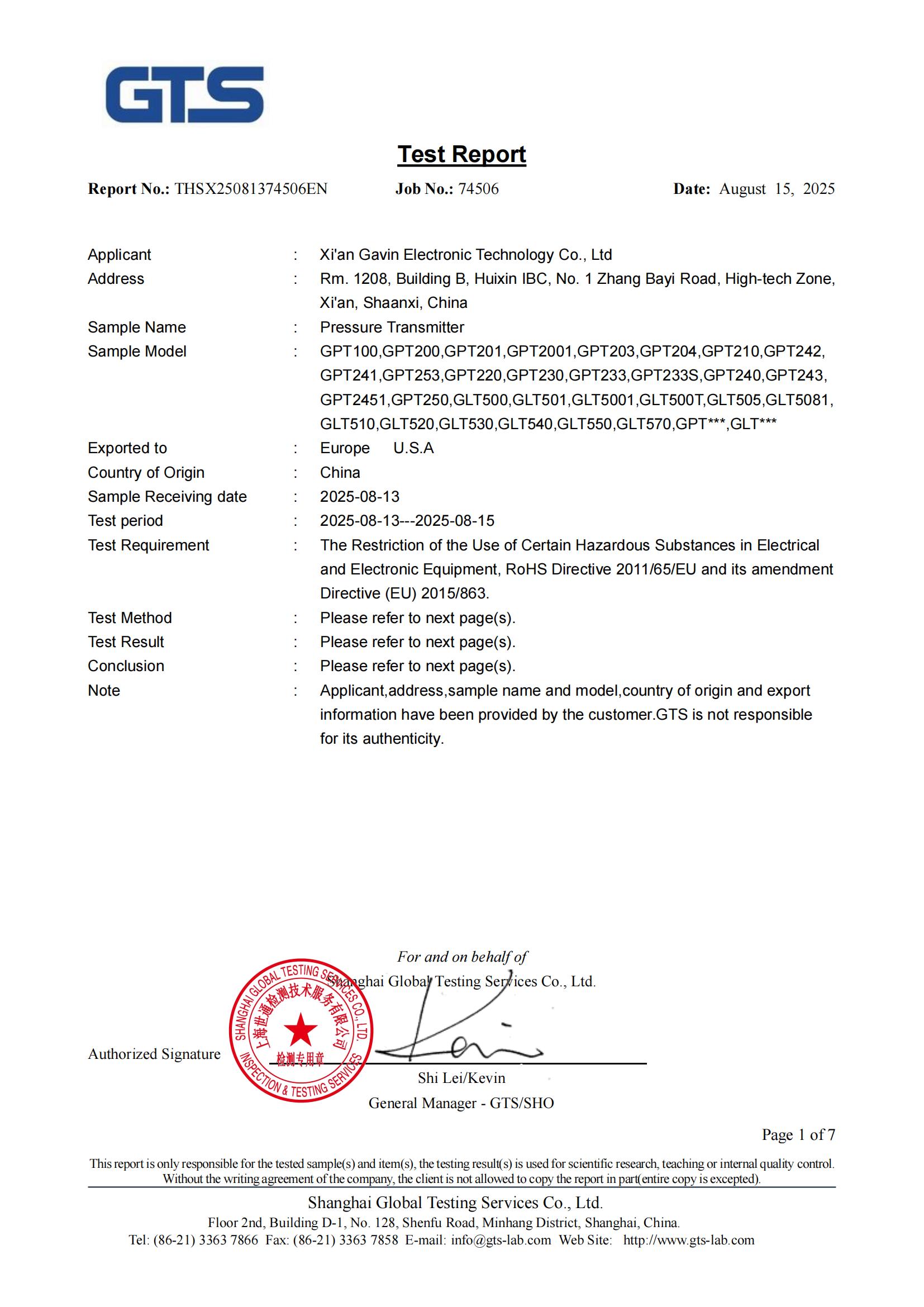
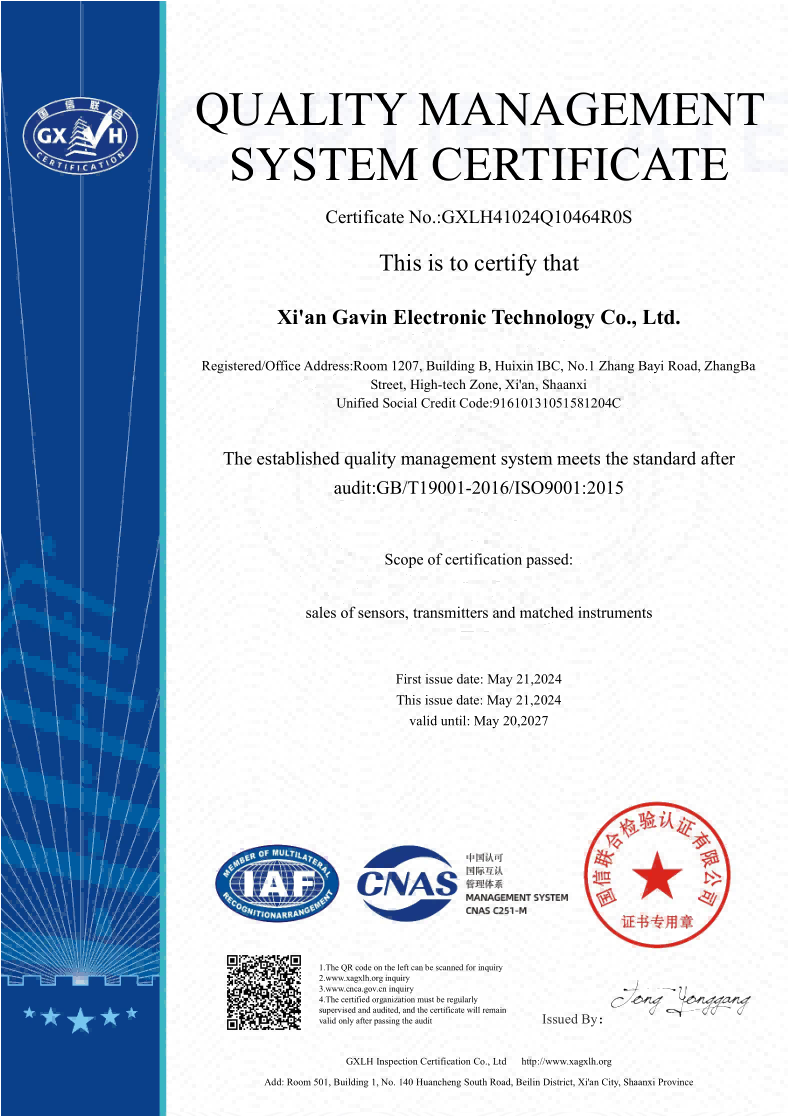
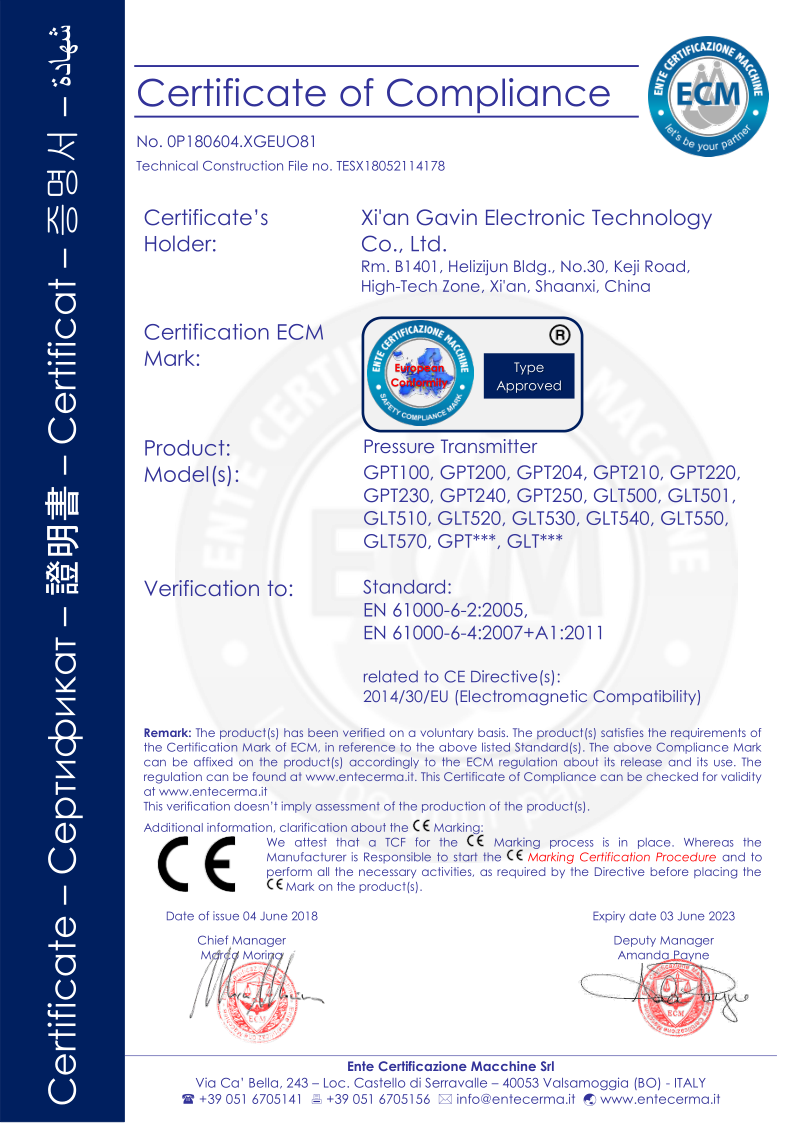
With products deployed across more than 100 countries, GAMICOS maintains comprehensive technical support and after-sales service capabilities. Our experienced engineering team provides installation guidance, configuration optimization, and ongoing maintenance support to maximize battery life and operational reliability. Rigorous quality control processes and international certifications ensure consistent performance and longevity across all product lines.
Conclusion
To get the most out of the battery life of a portable level emitter, you need to be careful about how you choose, set up, install, and maintain the device. Knowing what factors affect power usage, using the right communication methods, and keeping the working conditions at their best can increase battery life from months to years while lowering upkeep costs and downtime. GAMICOS offers high-tech wireless measurement solutions that are made to give you the best battery performance, the most customization choices, and help all over the world. Our dedication to new ideas and high standards makes sure that our products work well for a long time in tough industrial settings, all while keeping the total cost of ownership as low as possible for purchasing managers and engineering teams around the world.
Frequently Asked Questions
How long can batteries last in industrial wireless level transmitters?
The battery life depends a lot on the type of monitor used, the frequency of transfer, and the surroundings. Lithium-thionyl chloride batteries can last between 5 and 15 years in properly optimized devices, but they may need to be replaced every 2 to 3 years in high-frequency transmission uses.
What factors most significantly impact wireless level transmitter battery consumption?
Transmission frequency, signal strength requirements, and environmental temperature represent the primary factors affecting battery life. Devices configured for hourly transmissions consume substantially more power than those operating on daily schedules, while poor signal conditions force increased transmission power and retry cycles.
Can wireless level transmitter batteries be replaced in hazardous environments?
Battery replacement in hazardous environments requires intrinsically safe procedures and certified technicians. Many modern devices support hot-swappable battery replacement without interrupting measurement operations, but proper safety protocols must be followed according to local regulations and manufacturer guidelines.
Contact GAMICOS for Optimized Wireless Level Transmitter Solutions
Maximize your industrial operations with GAMICOS' advanced wireless level transmitter technology designed for exceptional battery life and reliability. Our expert engineering team provides comprehensive consultation on device selection, configuration optimization, and maintenance strategies tailored to your specific applications. As a leading Wireless Level Transmitter manufacturer, we offer flexible OEM services, international certifications, and global support capabilities to ensure long-term operational success. Contact us at info@gamicos.com to discuss your wireless measurement requirements and discover how our innovative solutions can reduce maintenance costs while improving operational reliability.
References
1. Industrial Wireless Sensor Networks: Applications, Protocols, and Standards for Automation Systems. IEEE Transactions on Industrial Electronics, 2023.
2. Battery Life Optimization Techniques for IoT Devices in Industrial Applications. Journal of Industrial Information Integration, 2023.
3. Wireless Level Measurement Technologies: Performance Analysis and Battery Life Considerations. Process Instrumentation and Control Engineering Handbook, 2024.
4. Low-Power Wide-Area Networks for Industrial IoT Applications: A Comprehensive Survey. IEEE Communications Surveys and Tutorials, 2023.
5. Energy-Efficient Wireless Sensor Networks in Industrial Automation: Design Principles and Implementation Strategies. Industrial Electronics Society Annual Conference, 2023.
6. Advanced Battery Technologies for Wireless Industrial Instrumentation: Performance Characteristics and Application Guidelines. Measurement Science and Technology Journal, 2024.

_1757930850792.jpg)