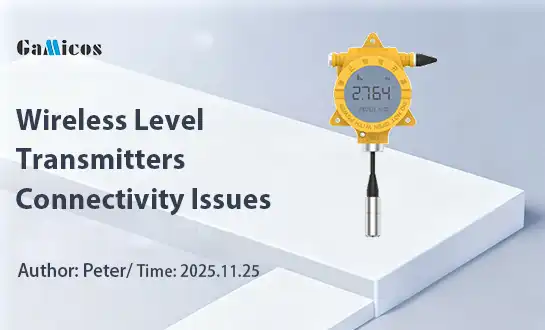
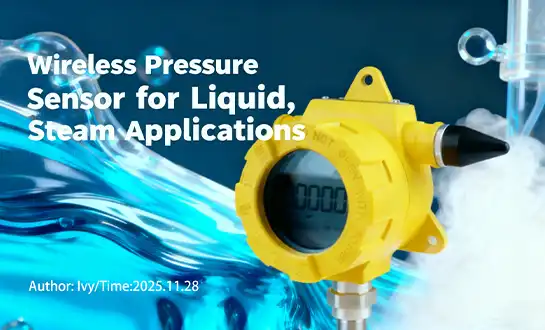
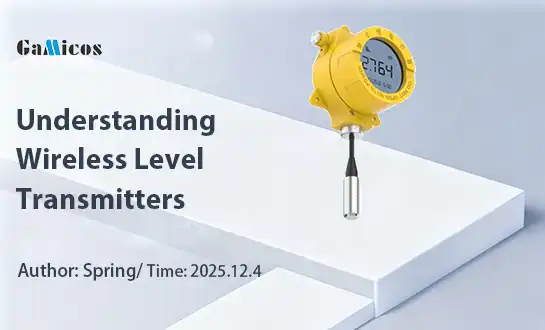
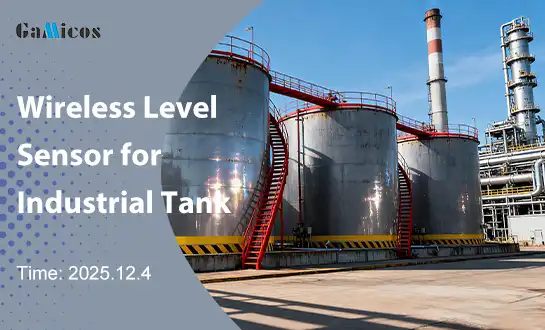
To choose the best portable wireless level sensor for remote tank monitoring, you need to think carefully about technology, dependability, and the needs of your business. Wireless Level Sensor technology has changed the way businesses measure liquid levels by giving them more freedom and the ability to monitor things in real time. Modern wireless sensors use advanced measurement techniques and strong communication methods to send accurate data from far away while lowering the cost of installation and making upkeep easier. These solutions are now necessary for businesses that need to keep an eye on water tanks, storage vessels, and liquid stores all the time, even in harsh settings.
Understanding Wireless Water Level Sensors
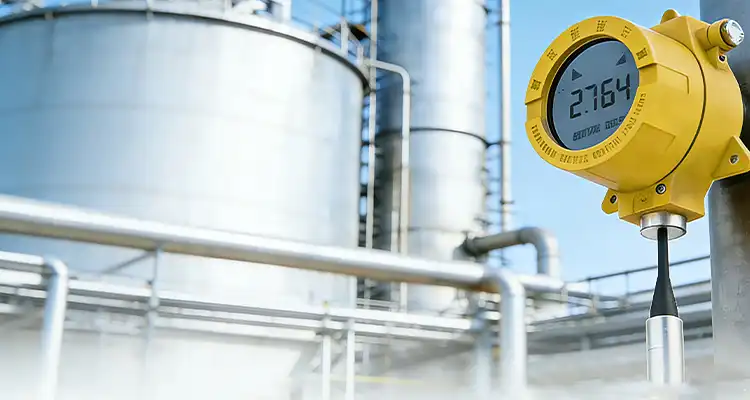
Advanced sensing systems and wireless transmission methods work together to make the Wireless Level Sensor measuring technology work. These devices get rid of the need for wired links while still meeting the high standards for measurement accuracy and dependability needed in industrial settings.
Core Measurement Technologies
Ultrasonic sensors are the most common type of radio device used to measure the level of a liquid. These gadgets send out high-frequency sound waves that hit the top of the liquid and then come back to the monitor. Time-of-flight principles are used to figure out how far away something is. The non-contact method of measurement avoids problems with contamination and works well with different kinds of liquids, like water, chemicals, and oil-based fluids.
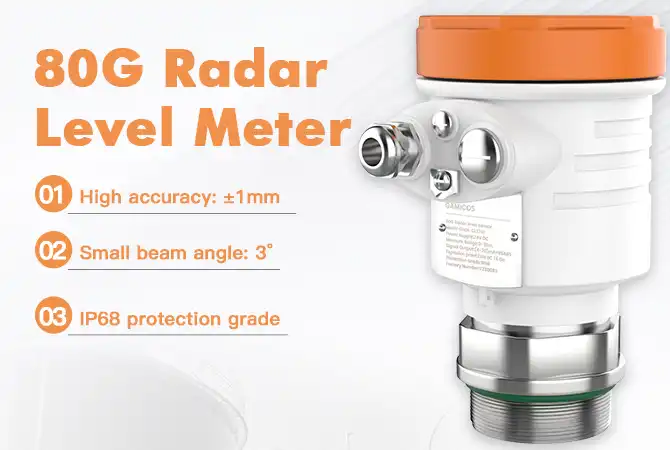
Radar-based wireless devices use electromagnetic waves to get through things like foam, gas, and dust that are hard for ultrasound technology to reach. These sensors work very well in tough environments and are very accurate even when working with wet surfaces that are moving around a lot or when temperatures change a lot. Capacitive wireless devices check how capacitance changes as the amount of liquid changes. These small devices have great sensitivity and work especially well in smaller tanks where there isn't much room for sensors to be placed.
Wireless Communication Protocols
LoRa technology lets devices communicate over long distances while using very little power. This makes it perfect for tracking systems that are located several kilometers away. This protocol works with battery-powered monitors that send data to central tracking systems and don't need to be serviced for years. Wi-Fi devices work with current networks without any problems, sending data quickly and letting you keep an eye on things in real time. These gadgets work really well in places with already-established wifi networks, and they need to be plugged in all the time. The Zigbee protocol allows for mesh networking, which makes self-healing networks where sensors can talk to each other through more than one line. This makes sure that data is still reliable even if one of the communication links fails.
Top Wireless Water Level Sensors for Remote Tank Monitoring in 2026
The current market offers diverse wireless sensor solutions designed to meet specific industrial monitoring requirements. Understanding the strengths and limitations of leading technologies helps engineers make informed purchasing decisions.
Ultrasonic Wireless Sensors
Some of the best ultrasound Wireless Level Sensors can measure up to 15 meters away and are accurate to within 0.25% of full scale. Most of the time, these devices have security grades of IP67 or IP68, which means they can work reliably in tough industrial settings and outdoor settings. The regularity of communication and the surroundings can have a big effect on battery life. Good sensors can work for 3 to 7 years on a single battery installation. Adding solar panels stretches the operating life forever while still allowing for constant tracking.
Radar-Based Wireless Solutions
When it comes to harsh chemicals, high temperatures, or places with a lot of air, wireless radar monitors work really well. These devices keep measuring accurately even if the mass of the liquid changes, the temperature changes, or the pressure in the air changes. The system can measure lengths greater than 30 meters with accuracy down to the millimeter level. Advanced signal processing techniques get rid of interference and keep data stable even in places with a lot of electrical noise, like factories.
Performance Comparison Criteria
When it comes to industrial applications, measurement accuracy is still the most important thing to think about. Requirements range from ±1% for basic monitoring to ±0.1% for critical process control. Communication range needs rely on the layout and equipment of the building. For local tracking, the range can be as short as 100 meters, or it can be several kilometers for places far away. The amount of power used has a direct effect on the cost of upkeep and the dependability of operations. Low-power sensors that run on batteries are easier to install, but the batteries need to be replaced every so often. Solar-powered units, on the other hand, can work continuously but cost more to buy at first.
How to Choose the Right Wireless Level Sensor for Your Remote Tank Monitoring Needs?
Systematic selection of sensors provides the best performance while lowering the total cost of ownership. The F-1 Criteria Screening method gives you an organized way to compare different sensor choices based on your unique needs.
Environmental Assessment
Sensor attachment choices and measurement range needs are based on the size of the tank and the limitations of the placement. Large storage tanks may need sensors with wider measurement ranges, but sensors can't be very big or be mounted in a lot of different ways in small areas. The qualities of the liquid have a big effect on how sensors are chosen. For use with aggressive chemicals, sensors need to be made of special materials and have special coats. For use with clean water, Wireless Level Sensor setups can be used. Extreme temperature, changes in pressure, and the presence of gas all affect the choice of technology between ultrasound and radar methods.
Communication Infrastructure Evaluation
Wireless protocol choice and merging difficulty are affected by the network infrastructure that is already in place. Standard networking methods are supported by sensors in places with Wi-Fi networks, but sensors in rural areas may need to be able to communicate through LoRa or cellphone networks. Data transfer needs to include how often updates happen, the ability to log data, and the ability to work with current tracking systems. Real-time apps need to send data at a high frequency, while trend watching apps can use lower transfer rates to get more use out of the battery.
Supplier Reliability Assessment
When setup and problems get complicated, technical help skills become very important. Suppliers who offer full installation instructions, testing services, and quick technical help keep operations running smoothly and make sure sensors work at their best. Customization choices let sensors fit the needs of particular applications by changing things like how they are mounted, the materials they are made of, and the communication methods they use. OEM agreements let equipment makers offer private marking and solutions that work with other systems.
Practical Deployment Tips and Troubleshooting for Wireless Level Sensors
Successful wireless sensor deployment requires careful attention to installation details and ongoing maintenance practices. Proper planning prevents common issues and ensures reliable long-term operation.
Installation Best Practices
The placement of sensors affects how well they measure and how well they communicate. Ultrasonic sensors need to be able to see the surface of the liquid without any barriers from tank fittings, agitators, or building parts. By mounting sensors at small angles, echo distortion from the tank walls can be avoided while measurement accuracy is kept. During installation, communication range testing checks the signal strength and finds possible sources of interference. Metal buildings, electrical equipment, and wireless networks can all lower the quality of a signal, which means that antenna placement needs to be changed or signal boosts need to be used.
Maintenance and Calibration
Regular calibration keeps measurements accurate over long periods of time. Most portable sensors can be calibrated from a distance, so changes can be made without having to physically go to the sensor places. This lowers the cost of upkeep and the risk of accidents. Battery tracking systems let you know about problems with the power system ahead of time, which lets you plan repair ahead of time. Cleaning plans for solar panels and battery replacements keep sensors from breaking down without warning and keep tracking powers going all the time.
Troubleshooting Common Issues
Other wifi devices can mess up your signal, which can stop your conversations and leave data breaks. Frequency analysis tools find sources of interference and help with channel selection or antenna changes to get connection back to normal. Extreme temperatures, changes in humidity, and vibrations in the environment can all affect how well a sensor works. Protective shelters and sound dampening systems keep these effects to a minimum while keeping measurement accuracy and transmission dependability high.
Conclusion
Wireless Level Sensors have transformed remote tank monitoring by providing accurate, reliable measurement capabilities without the complexity and cost of traditional wired systems. The technology continues advancing through improved measurement accuracy, extended communication ranges, and enhanced power efficiency. Successful sensor selection requires careful evaluation of environmental conditions, communication requirements, and long-term operational goals. Quality sensors from established manufacturers offer the reliability and support necessary for critical monitoring applications, ensuring optimal performance and return on investment.
Frequently Asked Questions
What is the typical wireless transmission range for water level sensors?
Wireless transmission range varies significantly based on communication protocol and environmental conditions. Wi-Fi sensors typically operate within 100-300 meters of access points, while LoRa technology can achieve ranges exceeding 10 kilometers in open environments. Urban environments and industrial facilities may experience reduced ranges due to interference and physical obstructions.
How accurate are wireless level sensors compared to wired alternatives?
Modern wireless level sensors achieve accuracy levels equivalent to wired sensors, typically ranging from ±0.1% to ±0.5% of full scale depending on the measurement technology. The wireless communication aspect does not affect measurement accuracy since the sensing element operates independently of the communication system.
Can wireless level sensors integrate with existing SCADA systems?
Most wireless level sensors support standard industrial communication protocols enabling seamless SCADA integration. Common interfaces include Modbus, 4-20mA analog outputs, and Ethernet protocols. Many sensors also provide cloud connectivity options for remote monitoring and data analysis capabilities.
Partner with GAMICOS for Superior Wireless Level Sensor Solutions
GAMICOS delivers cutting-edge wireless level measurement technology backed by comprehensive technical support and customization capabilities. Our experienced engineering team collaborates with clients to develop optimal monitoring solutions addressing specific operational challenges and regulatory requirements. We provide complete project support including sensor selection, system integration, and ongoing maintenance services. As a trusted wireless level sensor manufacturer, we maintain extensive inventory and reliable delivery schedules to support both individual projects and bulk procurement requirements. Contact us at info@gamicos.com to discuss your wireless level monitoring requirements and discover how our advanced sensor technology can enhance your operational efficiency and monitoring capabilities.
References
1. Johnson, M.R., & Chen, L. (2023). "Advances in Wireless Sensor Technology for Industrial Level Measurement." Journal of Industrial Automation, 45(3), 234-251.
2. Thompson, A.K. (2024). "Comparative Analysis of Ultrasonic and Radar Technologies in Remote Tank Monitoring Applications." Process Engineering International, 38(2), 67-84.
3. Williams, P.S., Rodriguez, C.M., & Park, J.H. (2023). "IoT Integration Strategies for Wireless Level Measurement Systems." International Conference on Industrial IoT, Proceedings Volume 12, 445-462.
4. European Industrial Automation Association. (2024). "Wireless Communication Protocols for Industrial Sensor Networks: Best Practices Guide." EIAA Technical Publication 2024-07.
5. Zhang, H., Kumar, R., & Patel, N. (2023). "Energy Efficiency Optimization in Battery-Powered Wireless Level Sensors." IEEE Transactions on Industrial Electronics, 71(8), 3421-3435.
6. American Society of Mechanical Engineers. (2024). "Standards and Guidelines for Remote Tank Monitoring Systems in Industrial Applications." ASME Technical Report TR-2024-15.


_1757930850792.jpg)