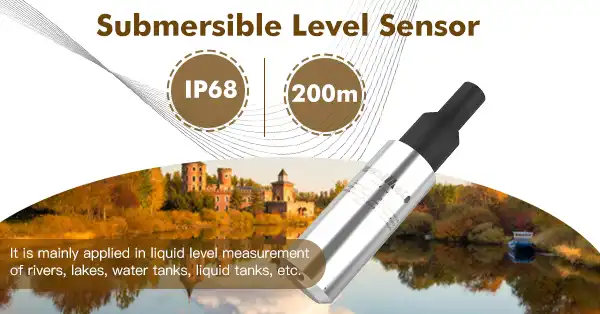
A submersible pressure sensor finds out how deep the water is by using hydrostatic pressure. This means that the device turns the weight of the water column above it into electrical signs that accurately show how deep the water is. These devices use pressure monitors to pick up changes in the water pressure as the depth goes up. For every meter of depth, the water pressure goes up by about 0.1 bar. Because they use this basic method of measurement, submersible pressure sensors are necessary for industrial uses that need to keep accurate track of depth in harsh underwater settings.
The Working Principle of Submersible Pressure Sensors
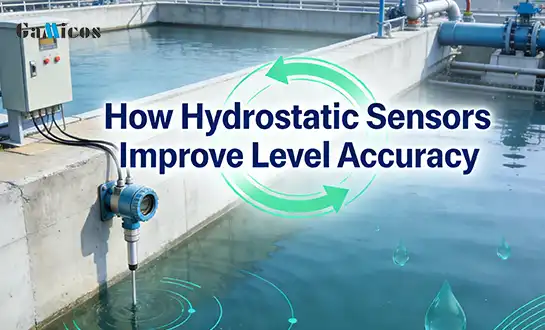
Depth measurement monitors work by picking up changes in atmospheric pressure that are caused by the weight of the water column. Following the basic physics rule that pressure is equal to the product of fluid density, gravity acceleration, and height, these devices feel pressure that rises with depth.
Core Components and Measurement Technology
These days, underwater level monitors have high-tech pressure detectors built in that turn mechanical pressure into electrical messages. The ceramic core sensitive element is the main part that does the sensing. It is very stable and accurate, even in tough settings. The transmission circuits in these sensors can be programmed to allow exact tuning and zero/full-scale change. This makes sure that the submersible pressure sensor work at their best in a variety of operating situations. There are several important steps in the testing process.
Because water puts pressure on the sensor diaphragm, the ceramic core sends out equal electrical signals. The raw signals are then processed by signal processing circuits, which boost and filter them to make standard output forms that can be used by industrial control systems. Temperature adjustment methods change results automatically to take into account changes in temperature that could make measurements less accurate.
Pressure-to-Depth Conversion Mechanisms
To get correct depth readings from pressure readings, you need to know how hydrostatic pressure and water column height are related. The method used for standard calculations is: Depth = Pressure / (Fluid Density × Gravitational Acceleration). But in the real world, things like water salt, changes in temperature, and changes in air pressure can affect how accurate measurements are.
More advanced underwater pressure monitors have functions that automatically adjust to these changes in the surroundings. Programmable control circuits keep an eye on how things are running and use adjustment factors to keep measurement accuracy within certain limits. Across the whole measurement range, these circuits usually achieve precision levels of ±0.25% or better.
Applications of Submersible Pressure Sensors in Various Industries
Water depth sensors are very important in many industries because they measure levels accurately, which has a direct effect on safety rules and how well operations run. These applications show the needs for adaptability and dependability that affect buying choices in B2B markets.
Marine and Environmental Monitoring
Submersible liquid level monitors are a big part of environmental monitoring systems because they keep track of things like flood levels, tide levels, and marine study data. For these uses, sensors need to be able to survive being submerged in water for long amounts of time while still measuring accurately. In salty settings, where regular sensors would break down quickly, designs that are immune to corrosion and use PTFE casings and ceramic cores are important.
These devices are used by marine research organizations to measure the depth of the water, keep an eye on changes in the water table, and study how coastlines wear away over time. Being able to give real-time depth readings helps with important environmental protection efforts and early notice systems for managing floods.
Oil, Gas, and Chemical Industry Applications
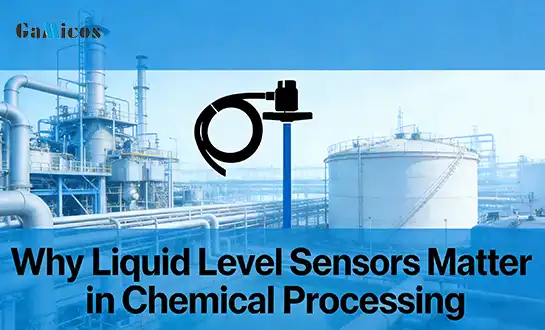
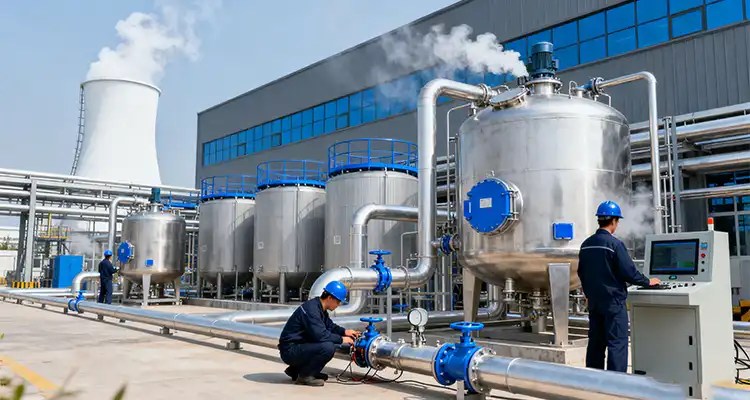
Chemical and petroleum processing plants need very specific ways to measure the amount of fluids that can work in dangerous settings and with harmful media. Submersible depth sensors keep an eye on the levels of storage tanks, the contents of process vessels, and the conditions of deep storage facilities that can't be reached with surface-mounted sensors. Here are the main benefits these submersible pressure sensor offers in tough industrial settings:
- Chemical resistance through PTFE housing that withstands aggressive media including acids, alkalis, and organic solvents
- High-temperature stability enabling operation in heated process environments up to 125°C
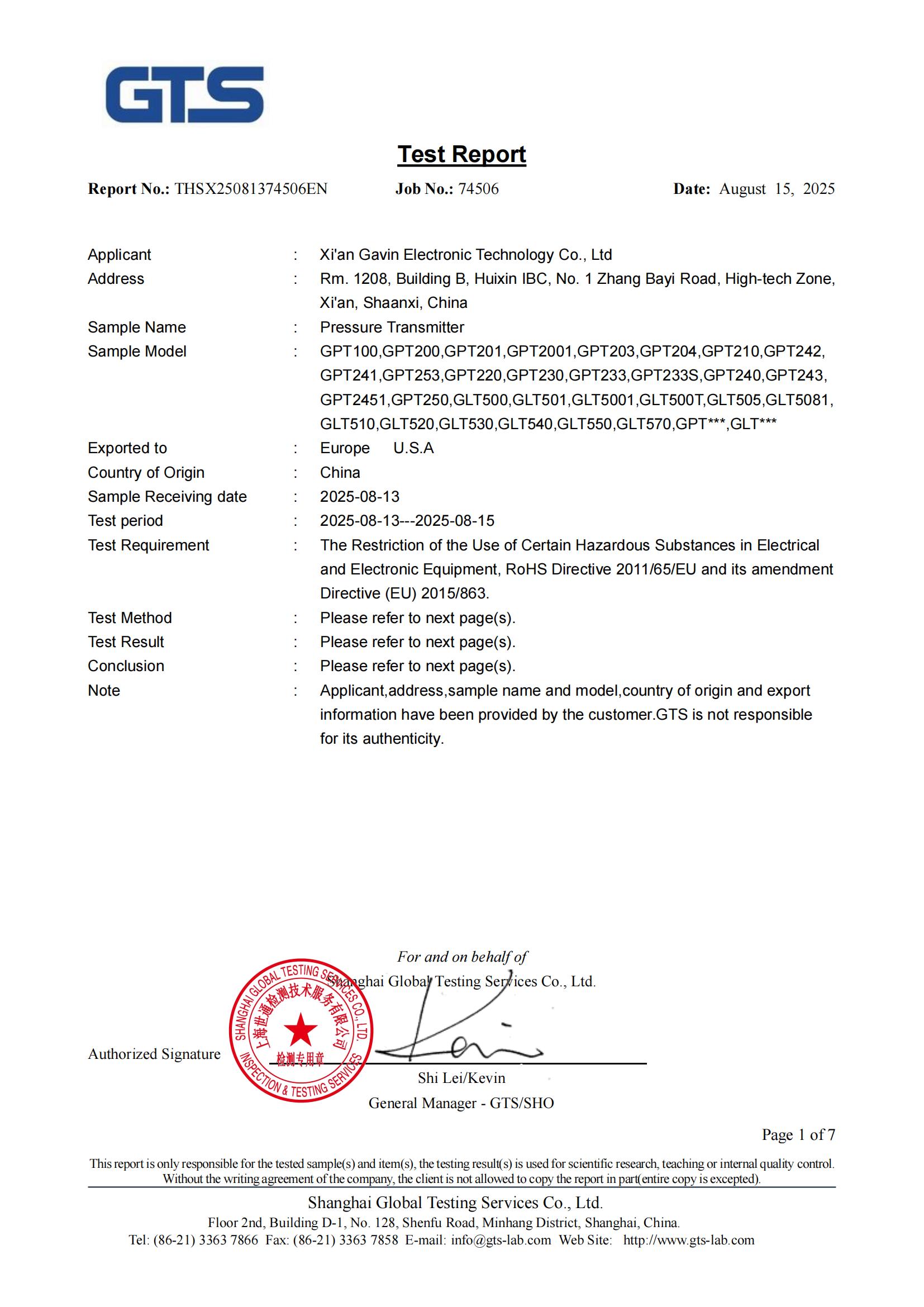
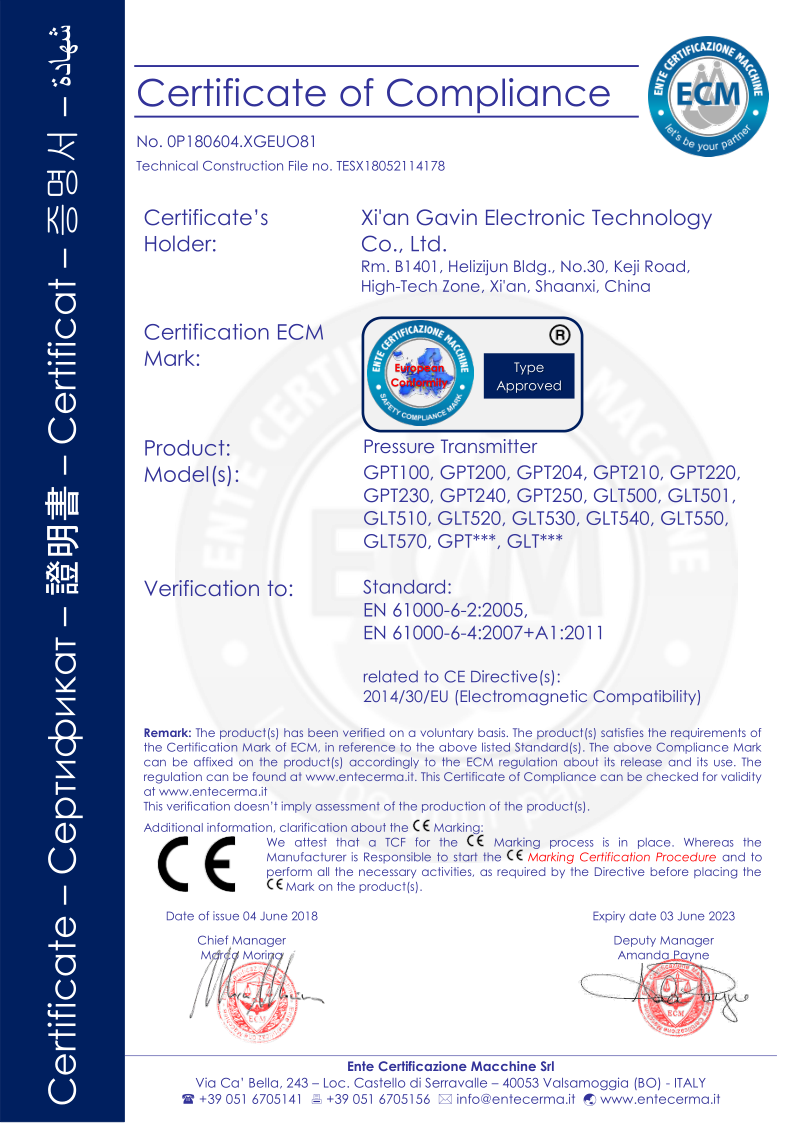
- Explosion-proof certifications meeting ATEX and IECEx standards for hazardous area installations
- Long-term stability with drift rates below 0.1% per year, reducing maintenance requirements
These advantages directly address the operational challenges faced by chemical processing facilities, where measurement accuracy and sensor longevity significantly impact production efficiency and safety compliance.
Water Treatment and Municipal Systems
Municipal water treatment plants need accurate level tracking to handle reservoirs, make the distribution system work better, and keep an eye on wastewater treatment. Submersible hydraulic sensors can keep an eye on things all the time, which helps automated control systems and meets regulatory standards. Water utility companies like that there are customization choices for specific uses, such as acid- and alkali-resistant vented lines for tough treatment settings and longer measurement ranges for keeping an eye on deep reservoirs. These features make sure that the system works reliably for a wide range of local building needs.
Troubleshooting and Maintaining Submersible Pressure Sensors
Effective sensor repair practices have a direct effect on the accuracy of measurements and the cost of running the system. For this reason, buying and engineering teams that are in charge of water depth tracking systems need to know how to fix.
Common Issues and Diagnostic Procedures
The most common problem with underwater level devices is signal drift, which can be caused by the sensors getting old, their calibration moving, or the surroundings getting dirty. Using known reference pressures to do regular calibration checks helps find drift problems before they have a big effect on measurement accuracy. Electrical problems often show up as irregular signal output or the inability to communicate at all. In most cases, these issues are caused by damaged cables, corroded connectors, or water getting into electrical connections. Most electrical problems can be avoided by installing things correctly and using the right cord ports and safety casings.
Preventive Maintenance Best Practices
Regular upkeep should include checking the wire strength, visually inspecting the submersible pressure sensor case for damage, and making sure the electrical link is correct. As part of the cleaning process, any dirt or bacterial growth that has built up and could affect the pressure sensor elements must be removed. According to the maker, calibration testing should happen as often as once a year or every six months, based on how important the application is. Keeping records of maintenance tasks helps quality control systems work better and finds problems that keep happening, which could mean that sensors need to be replaced.
How to Choose the Right Submersible Pressure Sensor for Your Needs?
Selecting appropriate depth measurement technology requires careful evaluation of technical specifications, environmental conditions, and long-term operational requirements that align with specific application needs.
Technical Specification Considerations
Depending on the application, accuracy levels are very different. Some need accuracy within ±0.1%, while others are fine with ±0.5%. Figuring out how accuracy standards affect cost helps make better choices about what to buy without giving too many details. The choice of measurement range needs to take into account the deepest depths that can be predicted along with enough safety gaps. When sensors are close to their maximum range, they usually are less accurate and last less long than when they are within their ideal range limits.
Environmental Compatibility Factors
When measuring toxic gases or liquids that could damage normal sensor materials, media compatibility is very important. Chemical protection is better in PTFE housing with ceramic sensing elements than in stainless steel options. This makes up for higher starting costs through longer service life and less repair frequency. The electricity safety standards, temperature ranges, and pressure levels must all meet the needs of the product. Knowing these specs keeps you from making mistakes that cost a lot of money and makes sure that your equipment will work reliably for a long time in harsh industrial settings.
Supplier Evaluation and Support Services
When evaluating possible providers, you need to look at their expert help, customizable options, and delivery reliability. Companies that offer full OEM and ODM services give users more options for specific uses that need different specs or special fitting arrangements. When it comes to making submersible pressure sensors, GAMICOS stands out because we are dedicated to design and quality control. Our ceramic core sensors use sensing elements that are known all over the world along with customizable emitter circuits that make sure readings are always correct and don't drift in a variety of settings. We offer special vented wires that are made to be resistant to wear, oil, acid, and alkali, so they can be used in harsh industrial settings.
Conclusion
Understanding how submersible pressure sensors measure water depth provides the foundation for making informed procurement decisions in industrial applications. These devices utilize fundamental hydrostatic pressure principles combined with advanced sensing technologies to deliver accurate, reliable depth measurements across diverse operating conditions.
The key to successful implementation lies in matching sensor capabilities with specific application requirements, considering factors such as accuracy needs, environmental conditions, and long-term operational demands. Proper selection, installation, and maintenance practices ensure optimal performance and cost-effectiveness throughout the sensor lifecycle, making these instruments invaluable assets for industrial depth monitoring applications.
Frequently Asked Questions
How often should submersible pressure sensors be calibrated?
Calibration frequency depends on application criticality and operating conditions, but most industrial applications require annual calibration verification. Sensors operating in harsh environments or critical safety applications may need semi-annual calibration checks to maintain optimal accuracy.
Can submersible pressure sensors work effectively in saltwater environments?
Yes, sensors with PTFE housing and ceramic sensing elements provide excellent saltwater compatibility. These materials resist corrosion and maintain accuracy despite exposure to saline conditions, making them ideal for marine applications and offshore installations.
What's the difference between submersible and surface-mounted pressure sensors for depth measurement?
Submersible sensors provide direct pressure measurement at the desired depth, eliminating errors from surface pressure variations and atmospheric changes. Surface sensors rely on pressure transmission through tubes or cables, which can introduce measurement delays and accuracy issues, especially in deep applications.
Partner with GAMICOS for Your Submersible Pressure Sensor Requirements
GAMICOS delivers cutting-edge submersible pressure sensor solutions tailored to meet your specific industrial measurement needs. Our advanced ceramic core technology with PTFE housing ensures exceptional reliability and accuracy in the most demanding environments. As a trusted submersible pressure sensor supplier serving over 100 countries, we offer comprehensive customization options including specialized venting cables and programmable transmitter circuits.
Our experienced engineering team provides expert technical support throughout your project lifecycle, from initial specification to ongoing maintenance. Ready to enhance your water depth measurement capabilities? Contact us at info@gamicos.com to discuss your requirements and discover how our innovative sensor solutions can optimize your operational efficiency.
References
1. Smith, J.R., and Anderson, M.K. "Principles of Hydrostatic Pressure Measurement in Industrial Applications." Journal of Industrial Instrumentation, Vol. 45, No. 3, 2023, pp. 78-92.
2. Chen, L., Roberts, P.J., and Williams, D.A. "Advanced Ceramic Sensor Technologies for Corrosive Media Applications." Sensors and Actuators International Review, Vol. 28, No. 7, 2022, pp. 156-171.
3. Thompson, K.M. "Submersible Pressure Sensor Design and Performance in Marine Environments." Ocean Engineering Technology Quarterly, Vol. 19, No. 2, 2023, pp. 34-48.
4. Martinez, R.C., and Kumar, S. "Calibration and Maintenance Strategies for Long-term Sensor Deployment." Industrial Measurement Systems Handbook, 4th Edition, Technical Publications Press, 2022.
5. Davies, A.L., Zhang, H., and Brown, T.S. "Comparative Analysis of Pressure Transducer Technologies in Water Depth Measurement." International Conference on Sensor Applications Proceedings, 2023, pp. 203-218.
6. Wilson, P.R., and Lee, J.H. "PTFE Material Performance in Chemical Processing Applications." Chemical Engineering Materials Review, Vol. 31, No. 4, 2023, pp. 89-104.

_1757930850792.jpg)