In chemical processing, liquid level sensors are very important tools because they accurately measure the amount of liquid that is present to ensure safety, process efficiency, and compliance with regulations. Modern chemistry manufacturing depends on these high-tech devices, which send data in real time that lets precise control over complicated processes happen. Level measurement systems that work rely on chemical processing plants to keep production conditions at their best, avoid mistakes that cost a lot of money, and meet strict industry standards. When advanced sensing solutions are added to traditional industrial methods, they change them in ways that make workplaces safer and increase working efficiency across a wide range of chemical uses.
Introducing Liquid Level Sensors in Chemical Processing
Ultrasonic waves, changes in capacitance, and differences in pressure are just a few of the scientific concepts that liquid level sensors use to correctly find where two liquids meet. To meet the strict needs of chemical processing settings, where accuracy and dependability are still the most important things, these technologies have changed a lot.
Core Technologies Behind Level Measurement
Because capacitive sensors can pick up changes in dielectric constants between different materials, they are perfect for use in chemical processes. This technology is shown by the GAMICOS GLTV7E capacitive level sensor, which constantly checks the fuel level by reading changes in capacitance that happen when liquids rise or fall. This sensor can measure things accurately because its precision is less than 1 mm. This makes sure that tracking is done correctly in harsh industrial settings.
| Parameters of GLTV7E | |
| Measuring range | 0mm~2000mm |
| Output | RS485, RS232 digital signal output |
| Working voltage | 5V fixed input |
| Measurement accuracy | 0.5% |
| Working temperature | -40℃~+80℃ |
| Hysteresis time | can be set from 1 second to 1800 seconds |
| Overall structure | column type |
| Main body material | PTFE |
| Flange size | Outer diameter 70mm-inner diameter 20mm |
| Installation method | Top-mounted |
| Wiring method | Black-ground wire; red-5V; yellow-485A; green-485B |
Selection Criteria for Chemical Environments
Sound waves are used by ultrasonic devices to measure level from a distance. This means that they can measure without touching the material, which is great for chemicals that are dangerous or violent. Meanwhile, pressure-based sensors figure out the height of the liquid by reading the atmospheric pressure at the bottom of the tank. These sensors work well in systems that are under a lot of pressure.
Why Accurate Liquid Level Measurement is Crucial in Chemical Processing?
When choosing the right liquid level sensors, it's important to think about the chemical environment. Some of the most important things to think about are rust resistance, chemical compatibility, and the conditions in the environment. When selecting level measurement options, engineering managers have to think about things like temperature differences, changes in pressure, and chemical reaction. The material used to make the sensor, its protected layers, and the way its case is designed all have a big effect on how well it works in harsh chemical conditions over time.
Safety and Risk Mitigation
Correctly measuring liquid level is an important safety measure that keeps things from going wrong in a way that could hurt people or damage equipment. Chemical processing involves working with dangerous, explosive, and reacting materials that need to be closely watched to keep the workplace safe.
Process Optimization and Quality Control
Overflowing containers can pollute the environment, put workers in contact with dangerous materials, and increase the risk of fire or explosion. Level sensors that work properly give early warnings that set off automatic safety reactions, such as emergency shut-downs and control processes. Process engineers depend on accurate level data to keep the right amount of goods on hand, which stops both dangerous overstocking and process interruptions caused by not having enough materials on hand.
Comparing Popular Liquid Level Sensor Technologies for Chemical Processing
Different sensor systems have different benefits, which rely on the surroundings and the needs of the application. When buying managers know about these differences, they can make choices that combine performance, cost, and long-term dependability.
Capacitive vs. Ultrasonic Technologies
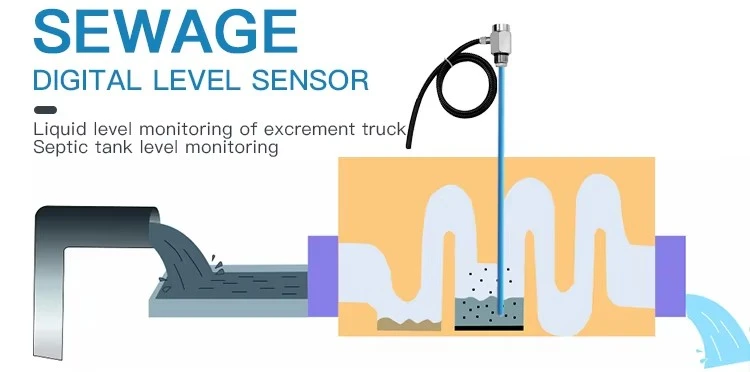
Capacitive sensors are great for tasks that need to be very precise, and they work well with containers of all shapes and sizes. The GLTV7E sensor shows these abilities by having a length that can be changed in the field to fit different tank heights. It works with a lot of different electrical systems because it has a wide voltage input range, and the SAE standard 5-hole screw locking placement makes putting it easy. When measuring with acidic or dirty solutions that could damage contact-based sensors, ultrasonic sensors are especially useful because they don't need to be touched. Usually, these devices can measure distances from a few centimeters to several meters, so they can be used with a range of tank designs and process needs.
Specialized Applications and Integration Features
These days, level monitors have more and more IoT connection and wireless contact features. Real-time monitoring and recording of fuel usage are made possible by the GLTV7E sensor's smooth integration with GPS tracking systems. This shows how advanced features improve practical awareness. Such merging abilities help with Industry 4.0 plans by letting tracking and predictive analytics work from afar, which improves chemical processing operations.
Practical Considerations for Integration and Maintenance
Successfully integrating liquid level sensors demands understanding their calibration requirements, installation procedures, and ongoing maintenance needs. Proper implementation ensures optimal performance throughout the sensor's operational lifecycle.
Installation and Calibration Requirements
Changes in temperature, pressure, and chemical contact must all be taken into account during the installation process. External calibrators on sensors like the GLTV7E make it easy to change parameters. This makes field setup easier and cuts down on the time needed for starting. Setting regular testing times, usually every 6 to 12 months, helps keep measurement accuracy even when process conditions change. When mounting, you should think about how to isolate vibrations, make it easy to do maintenance, and protect the device from chemical splashes or air exposure. Grounding and electricity safety that are done right keep signals from getting messed up and make sensors last longer in industrial settings.
Maintenance Strategies and Troubleshooting
The main goal of maintenance plans is to stop things like sensor gunk, rust, and signal drift that can make measurements less accurate. Scheduled regular inspections find possible problems before they affect how the process works, and predictive maintenance methods use monitor data to find the best service times. Due to its high consistency and stability, the GLTV7 requires less upkeep, which lowers its total purchase costs over longer operating periods.
Selecting and Procuring Liquid Level Sensors for Your Chemical Processing Needs
To buy sensors effectively, you need to carefully consider the technical specs, the supplier's skills, and your needs for long-term assistance. When sourcing managers look at things like accuracy, longevity, and customized choices, they need to weigh the original costs against the overall value over time.
Key Procurement Considerations
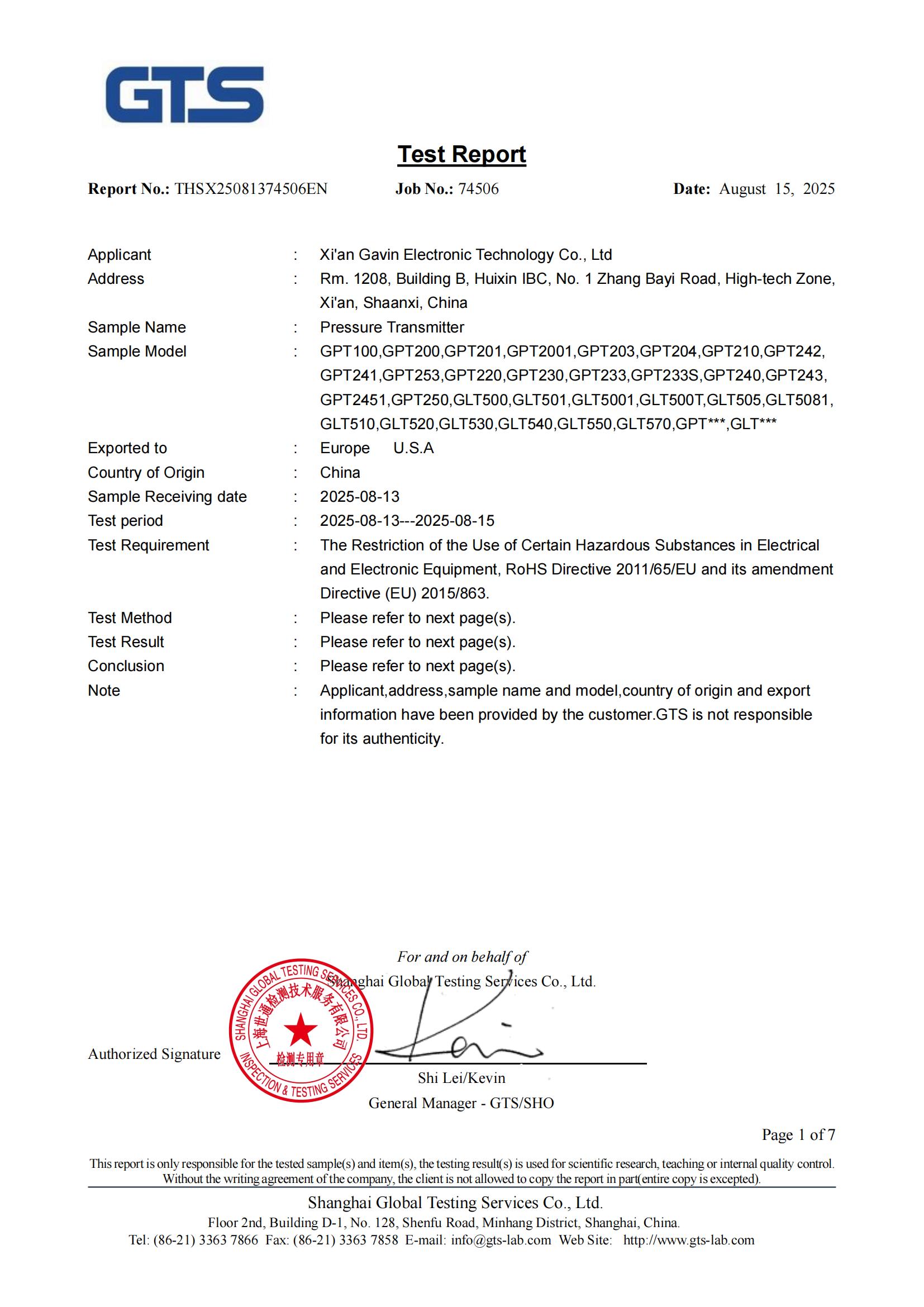
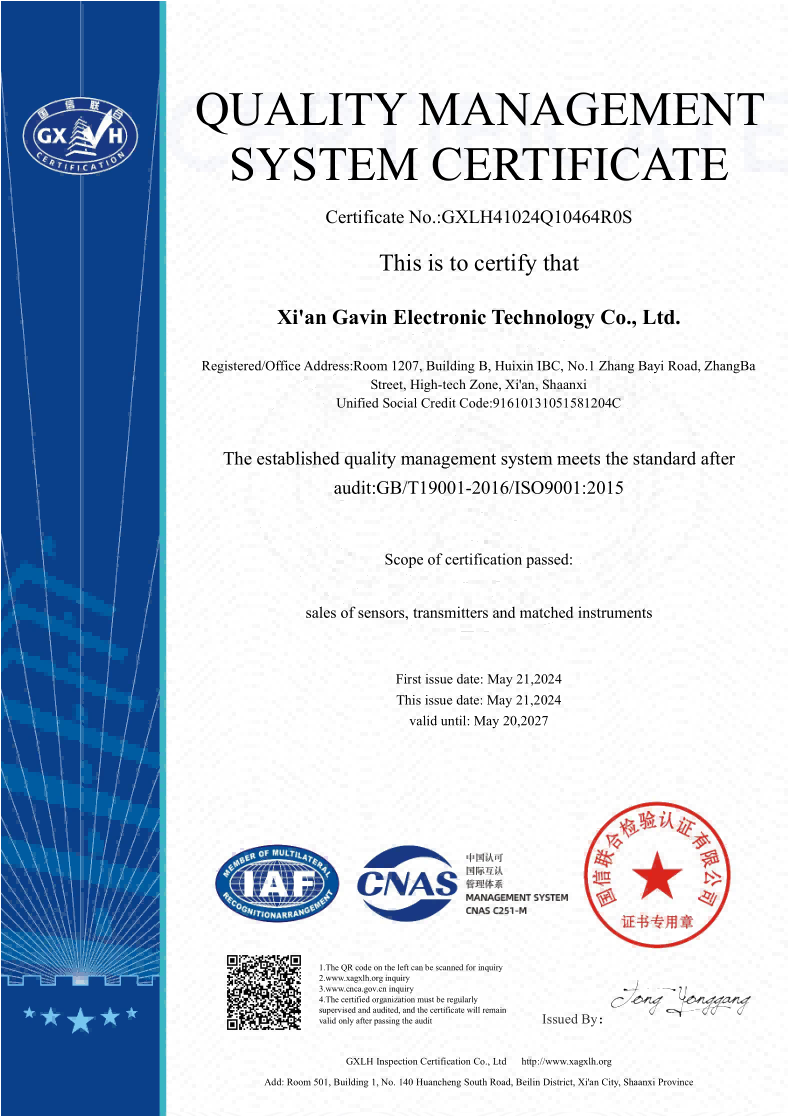
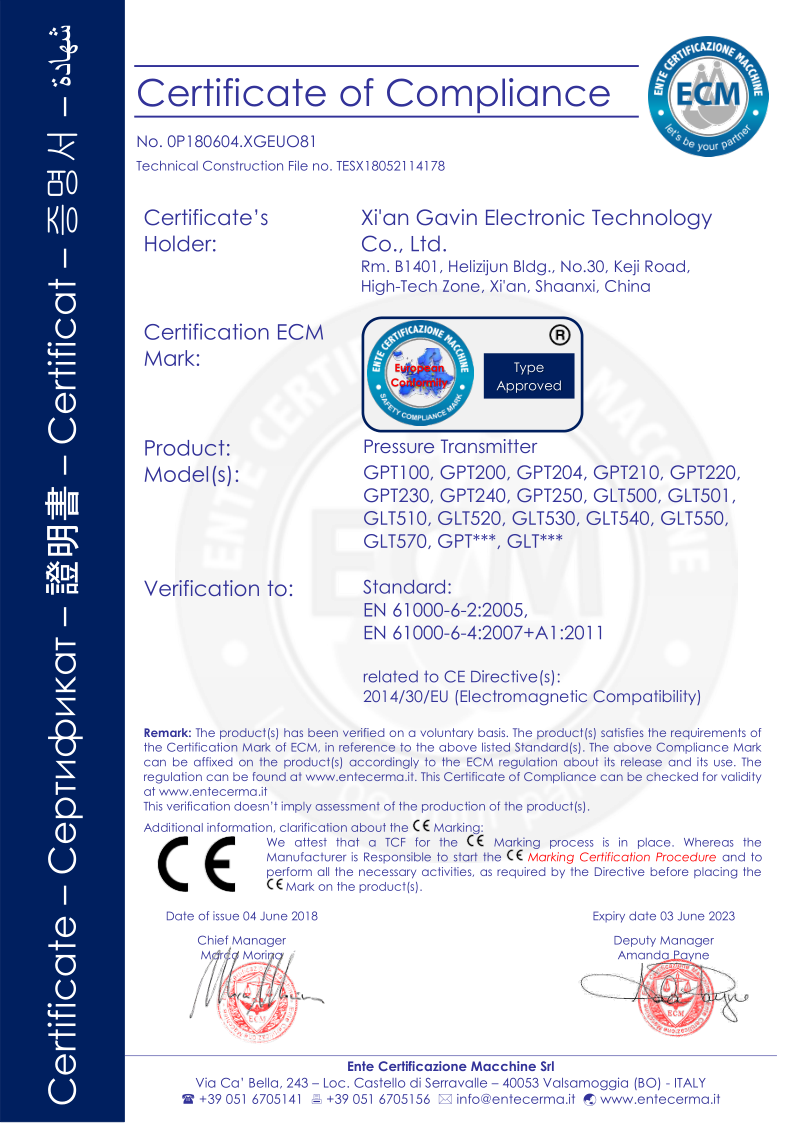
When judging something, you should look at how accurate the measurements are, how fast they respond, and how well they work with the surroundings for certain chemical uses. Often, the success of a project depends on how well the sensors can be customized to meet specific needs. This is especially true for OEM uses that need specific interfaces or communication methods. Bulk buying deals can save you money and make sure that your supply chain is always reliable. Certification standards, like CE, RoHS, and ISO compliance, make sure that products sold in all global areas follow the rules. Suppliers who offer detailed instructions, professional support, and service after the sale reduce the risks of execution and help projects succeed.
GAMICOS: Your Trusted Level Measurement Partner
The company GAMICOS specializes in high-tech liquid level sensor systems made for tough industrial uses. Our wide range of products includes sensitive, ultrasound, and radar level measurement technologies that were specifically designed for use in chemical processing settings. GAMICOS has consistently reliable and high-performing goods that are sold in over 100 countries and to tens of thousands of customers every year.
We can customize more than just standard goods; we also offer professional OEM and ODM services that include parameter optimization, package design, and help with paperwork. The focused research and development (R&D) department is always coming up with new ways to solve problems. They are helped by several patents and smart research partnerships that move technology forward.
Conclusion
Liquid level sensors represent critical infrastructure components that enable safe, efficient, and compliant chemical processing operations. The selection and implementation of appropriate level measurement technology directly impacts operational safety, product quality, and environmental stewardship. Modern sensors like the GLTV7E demonstrate how advanced features such as high-precision measurement, customizable configurations, and IoT integration create comprehensive solutions for contemporary industrial challenges. Investment in reliable level measurement technology delivers long-term value through enhanced safety, improved process control, and reduced operational risks across chemical processing applications.
Frequently Asked Questions
How often should liquid level sensors be calibrated in chemical processing environments?
Calibration frequency depends on the sensor type, chemical exposure, and operational intensity. Most sensors require calibration every 6-12 months to maintain accuracy and reliability, with increased frequency recommended for harsh chemical environments or critical safety applications.
Can liquid level sensors detect liquids in highly corrosive chemical tanks?
Yes. Capacitive and ultrasonic sensors designed with corrosion-resistant materials and protective housings can reliably measure liquid levels in highly corrosive environments. Material selection and protective coatings are crucial for ensuring long-term performance and safety.
What measurement resolution can modern capacitive sensors achieve in chemical applications?
Advanced capacitive sensors like the GLTV7E can achieve measurement resolution less than 1mm, providing exceptional precision for critical chemical processes requiring accurate inventory management and process control.
Partner with GAMICOS for Superior Level Measurement Solutions
Transform your chemical processing operations with precision-engineered liquid level sensors from GAMICOS. Our comprehensive range of capacitive, ultrasonic, and wireless measurement solutions delivers unmatched reliability in demanding industrial environments. As a trusted liquid level sensors manufacturer, we provide customized solutions, international certifications, and dedicated technical support to ensure optimal performance across your operations. Experience the difference that professional engineering and proven quality make in your process control applications. Contact us at info@gamicos.com to discuss your specific requirements and receive a personalized solution proposal.
References
1. Smith, J.A., & Johnson, R.K. (2023). "Advanced Level Measurement Technologies in Chemical Process Industries." Industrial Instrumentation Journal, 45(3), 78-92.
2. Chen, L.M., et al. (2022). "Safety Considerations for Liquid Level Monitoring in Hazardous Chemical Environments." Chemical Process Safety Review, 18(4), 156-171.
3. Martinez, P.R., & Anderson, D.L. (2023). "Comparative Analysis of Capacitive vs. Ultrasonic Level Sensors in Corrosive Applications." Process Control Technology, 31(2), 45-58.
4. Williams, S.T. (2022). "Integration Strategies for IoT-Enabled Level Measurement Systems in Chemical Manufacturing." Industrial Automation Quarterly, 29(1), 112-127.
5. Thompson, K.E., & Davis, M.J. (2023). "Maintenance Best Practices for Level Sensors in Chemical Processing Facilities." Chemical Engineering Maintenance, 37(5), 203-218.
6. Lee, H.W., et al. (2022). "Regulatory Compliance and Certification Requirements for Level Measurement Devices in Chemical Industries." International Chemical Safety Standards, 14(3), 89-104.

_1757930850792.jpg)