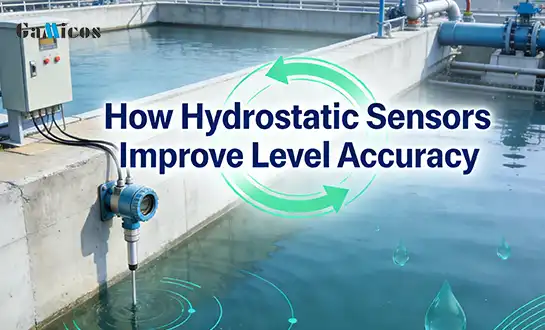
Water depth sensors are the most important part of accurate measurements in wells and boreholes used in study, industry, and the environment. For procurement managers, engineers, and technical workers, these specialized tools are essential because they provide important data for managing groundwater, keeping an eye on infrastructure, and following the rules. It is very important to understand the differences between pressure-based systems, ultrasound measurement principles, and new wireless options in order to choose the best sensor technology. The newest water depth sensors have Internet of Things (IoT) features, automatic temperature adjustment, and multi-layer safety structures that make them more reliable than ever in harsh underground settings.
Understanding Water Depth Sensors and Their Importance in Wells and Boreholes
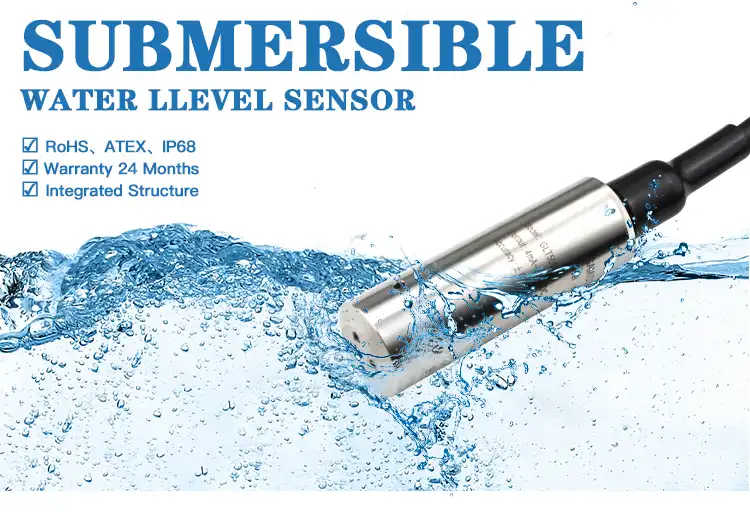
Water depth sensors use different technologies, such as hydrostatic pressure measurement, ultrasonic wave transmission, and inductive sensing, to turn accurate readings of the amount of liquid into digital data. Unlike regular pressure sensors or basic level signs, these specialized devices go through strict testing processes to account for changes in fluid density, temperature, and external interference factors that often happen in underground tracking applications.
Core Measurement Principles and Technologies
Silicon piezoresistive pressure sensing cores are used in modern underwater devices. These cores accurately turn hydraulic pressure into electrical data. According to basic science, the link between the depth of a stream and its pressure is as follows: every meter of water creates about 0.1 bar of pressure. Modern Water depth sensor designs have automatic temperature adjustment circuits that get rid of thermal drift effects. This keeps measurements stable in a wide range of weather conditions that are common in well tracking situations.
Applications Across Industries
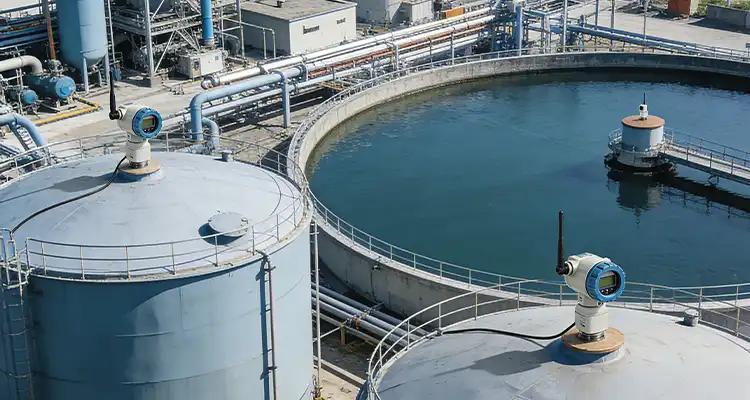
In the industrial world, it is used in places like oil refineries, chemical processing plants, drug factories, food production areas, and city water treatment systems. These devices are used by environmental tracking systems to find groundwater resources, find pollution, and do hydrology study. Modern sensor designs are very flexible, so they can be used in places where traditional measurement methods don't work, like toxic conditions, high temperatures, and rural areas.
Top Types of Water Depth Sensors Suitable for Wells and Boreholes
The market for sensors has a lot of different technologies that are best for different drilling situations and measurement needs. Knowing the differences between these technologies helps you make smart purchasing choices that meet business needs and stay within your budget.
Pressure-Based Submersible Sensors
Pressure-based systems are the most popular type of well tracking system because they are reliable and don't cost a lot of money. The sensors on these devices measure the hydraulic pressure at the sensor site. Using known mathematical relationships, the pressure numbers are used to figure out the depth. The GLT500 underwater water depth sensor is an example of this technology. It is made of stainless steel, has fully waterproof sealed circuit technology, and can work with a number of different pressure ranges. Its liquid entry design doesn't get clogged, and it has pressure vent holes that make it last longer and keep measuring accurately in tough conditions.
Here are the key advantages of pressure-based submersible sensors:
- High-reliability silicon piezoresistive sensing cores provide exceptional long-term stability and measurement precision
- Programmable digital circuit correction capabilities enable field calibration adjustments without equipment removal
- Multi-layer protection structures resist corrosion, mechanical damage, and environmental contamination
- Standard industrial signal outputs facilitate integration with existing monitoring and control systems
These advantages directly address common challenges in well monitoring applications, including measurement drift, environmental interference, and system integration complexity.
| Parameters of GLT500 | |
| Pressure range | 0~1m...200mH20 |
| Pressure type | Gauge |
| Output signal | 4~20mA 0~5V 1~5V 0.5~4.5V 0~10V RS485 |
| Power supply | 5V,12~30VDC |
| Compensated temperature range | -10~70℃ |
| Operating temperature range | -30~80℃ |
| Storage temperature range | -40~125℃ |
| Temperature effect on Zero | ±0.03%FS/℃ |
| Temperature effect on Span | ±0.03%FS/℃ |
| Over pressure | 150%FS |
| Mechanical Vibration | 20g 20-5000HZ) |
| Shock/Impact | 100g (11ms) |
| Comprehensive error | ±0.5%FS( ) , standard ±0.25%FS |
| long-term stability | ±0.2%FS/year |
| Medium compatible | Compatible with 316L SS of all kinds of medium |
| Protection | IP68 |
Ultrasonic and Non-Contact Measurement Systems
Ultrasonic sensors can measure without touching the object being measured, which makes them useful in situations where underwater placement would be hard to set up or where contamination might be a problem. These systems figure out how far away liquid surfaces are by timing the trip time of ultrasonic waves. This way, they can get accurate depth readings without touching the fluids being watched. However, temperature changes, the presence of air, and sound disturbances must all be carefully thought through in ultrasonic systems because they can affect the accuracy of measurements.
Wireless and IoT-Enabled Monitoring Solutions
LoRa, GPRS, NB-IoT, and 4G transmission features are being added to new wireless sensing technologies to allow for distant data collection and real-time tracking. These systems are especially useful for distributed well networks, places that are far away, and uses that need to log data continuously without any help from a person. Improving battery life and making sure signals get through reliably are still very important parts of successful wireless rollout strategies.
Criteria for Choosing the Best Water Depth Sensor for Wells and Boreholes
Selecting appropriate sensor technology requires a comprehensive evaluation of technical specifications, operational requirements, and long-term performance expectations. Successful procurement decisions balance measurement accuracy, durability, cost-effectiveness, and technical support availability.
Technical Performance Specifications
Measurement accuracy is the most important factor in the decision process. In most commercial settings, precision values need to be between 0.1% and 0.5% of full scale. Resolution specs tell you the smallest change in water depth sensor that can be seen, and reaction time affects how well the system works in situations where tracking is changing all the time. Temperature adjustment makes sure that measurements stay stable even when the weather changes or when temperatures rise and fall, which is typical in underground settings.
Durability and Environmental Resistance
Sensor construction materials must withstand specific environmental challenges including corrosive fluids, abrasive particles, temperature extremes, and mechanical stress. Stainless steel housings provide excellent corrosion resistance, while specialized cable designs offer oil resistance, acid-alkali tolerance, and enhanced tensile strength for demanding applications. IP68 waterproof ratings ensure reliable operation in fully submerged conditions over extended periods.
Integration and Customization Capabilities
Modern industrial settings need sensors that can send a variety of signals, such as 4-20mA current loops, voltage signals, digital communication methods, and wireless data. Customization choices let you adapt to the needs of your system. For example, you can change the length of the cables, use different plugs, and change the parameters. OEM and ODM services give equipment makers more options when they need named solutions or individual requirements.
GAMICOS: Leading Water Depth Sensor Technology and Solutions
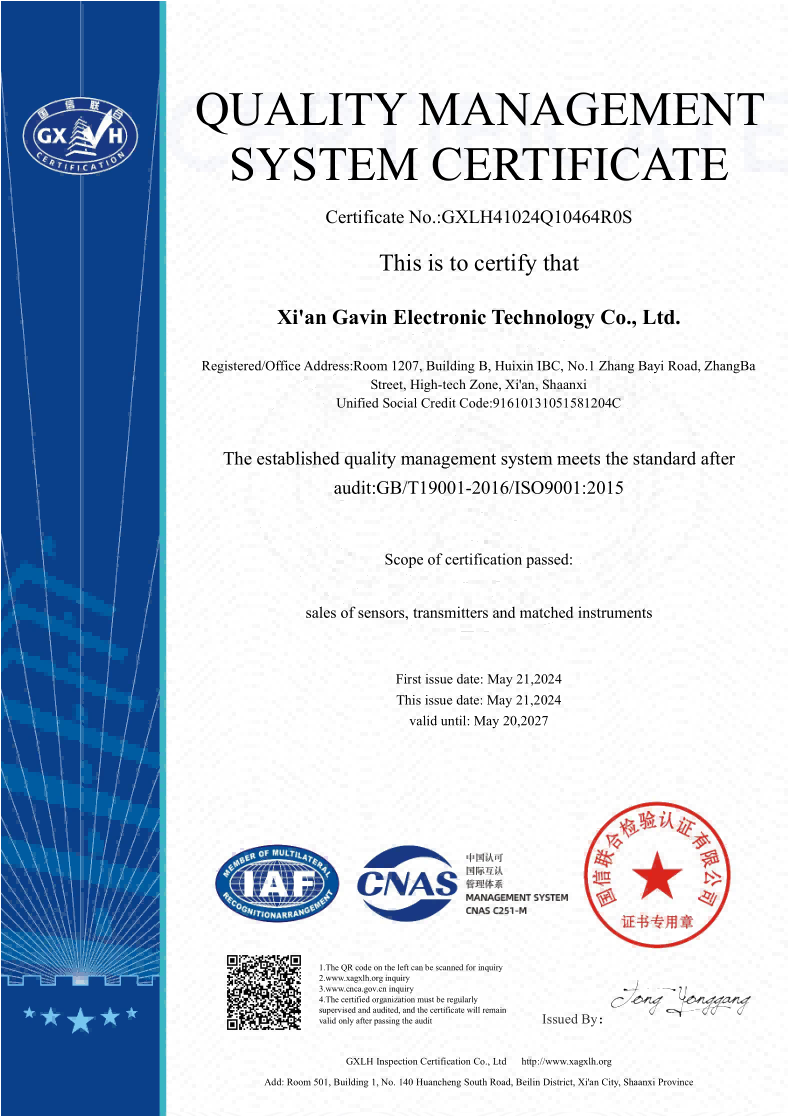
GAMICOS is a leader in developing new ways to measure liquid level and pressure. They sell cutting edge sensor technologies to more than 100 countries around the world. To solve a wide range of industrial measurement problems, we use a complete method that combines research and development, precision manufacturing, and service delivery with the customer in mind. The company's commitment to always getting better pushes technology forward while keeping quality control standards high enough to meet the needs of foreign approval.
Advanced Product Portfolio
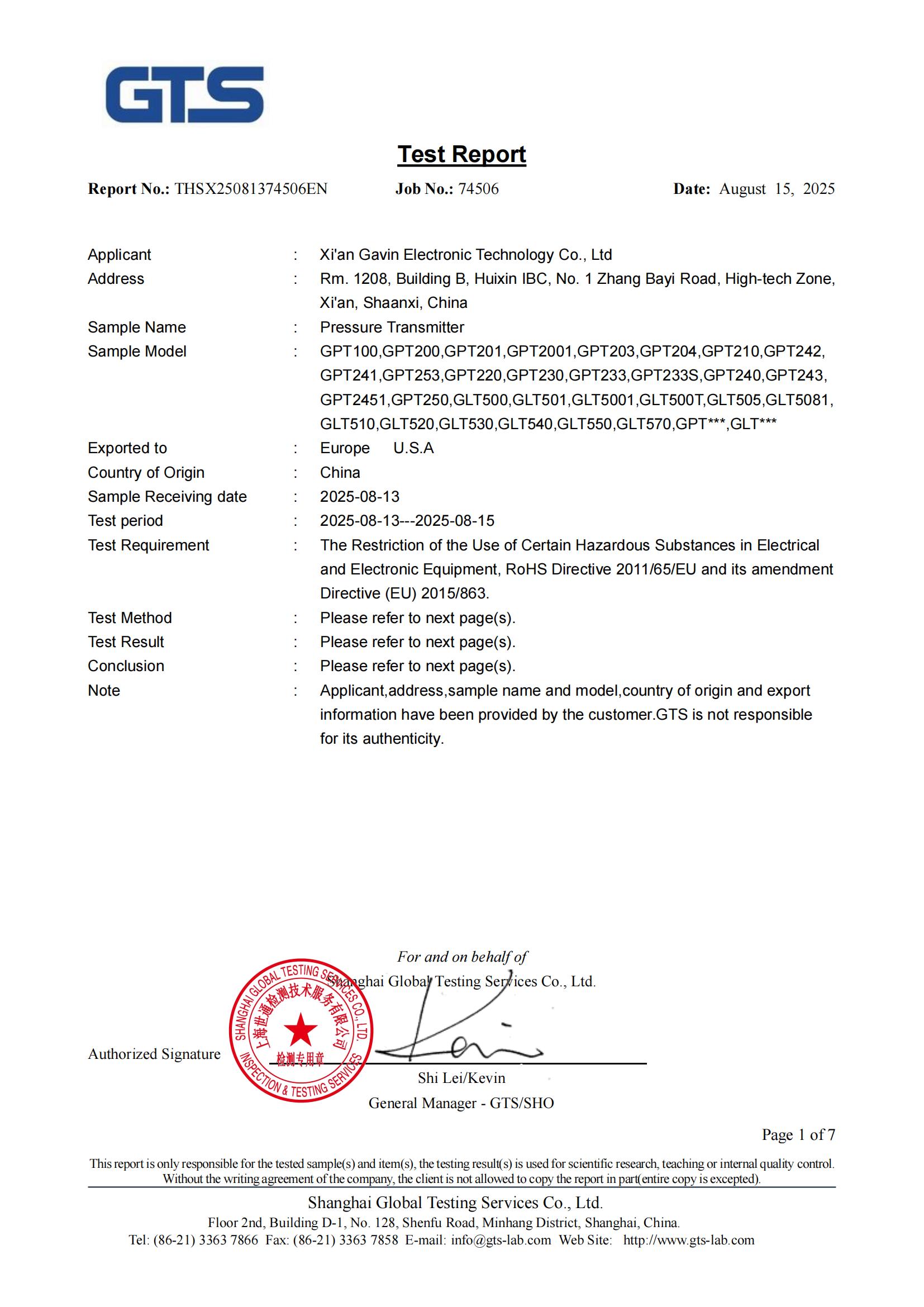
Our GLT500 underwater water level sensor is the result of years of advanced technical work and real-world experience. This small, multipurpose gadget uses high-reliable silicon piezoresistive sensing technology and can automatically adjust for temperature and fix digital circuits in a way that can be programmed. The sensor's flexible design lets it work with different wire types, pressure ranges, and data outputs to meet the needs of different industries, such as environmental tracking, fuel, chemicals, and pharmaceuticals.
Comprehensive Service Excellence
GAMICOS is focused on its customers and tries to understand their unique application needs and technology difficulties. Our professional technical support team helps you choose the right product, install it correctly, follow the setup steps, and get ongoing operating support to make sure your sensors work as well and reliably as possible. Flexible OEM and ODM design services let products be completely changed to fit the brand and technical needs of each client.
Conclusion
To choose the best water depth sensor for well and drilling uses, you need to think carefully about things like measurement accuracy, fit with the surroundings, and long-term dependability. With its strong build, clever correction circuits, and many customization choices, the GLT500 underwater sensor is a great example of current sensor technology. As industrial technology keeps getting better, monitors that can connect to the internet of things (IoT) and work wirelessly will become more useful for watching from afar and planning repair needs. To get the best operating results, good buying choices combine technical requirements with the vendor's ability to provide help.
Frequently Asked Questions
How often should water depth sensors be calibrated for optimal accuracy?
Calibration frequency depends on sensor type and application conditions, but most industrial applications benefit from annual calibration schedules. Sensors operating in harsh environments or critical applications may require more frequent calibration every 6-12 months. Modern sensors with automatic temperature compensation and digital correction capabilities typically maintain accuracy longer between calibration cycles.
What environmental factors can affect sensor performance in wells and boreholes?
Temperature fluctuations, sediment accumulation, water chemistry changes, and mechanical vibrations can impact sensor accuracy. Quality sensors incorporate compensation mechanisms and protective designs to minimize these effects. The GLT500's anti-clogging design and multi-layer protection structure specifically address these common environmental challenges.
What are the advantages of submersible pressure sensors versus ultrasonic sensors for borehole monitoring?
Submersible pressure sensors provide direct contact measurement with superior accuracy and reliability in challenging environments. They resist interference from temperature variations, vapor presence, and acoustic noise that can affect ultrasonic systems. However, ultrasonic sensors offer easier maintenance access and avoid potential contamination concerns in specific applications.
Partner with GAMICOS for Superior Water Depth Sensor Solutions
GAMICOS delivers precision-engineered water depth sensors that meet the demanding requirements of wells and borehole monitoring applications worldwide. Our GLT500 submersible sensors combine proven reliability with advanced features including automatic temperature compensation, multi-layer protection, and flexible customization options. Whether you need standard configurations or specialized designs for unique applications, our experienced engineering team provides comprehensive support from initial consultation through long-term operational assistance.
As a trusted water depth sensor manufacturer, we offer competitive pricing, reliable delivery schedules, and comprehensive technical support to ensure your project success. Contact us at info@gamicos.com to discuss your specific requirements and discover how our innovative sensor technologies can enhance your monitoring capabilities.
References
1. Smith, John R., and Williams, Sarah M. "Advanced Pressure Sensing Technologies for Subsurface Monitoring Applications." Journal of Industrial Instrumentation, vol. 45, no. 3, 2023, pp. 112-128.
2. Anderson, Michael P., et al. "Comparative Analysis of Water Level Measurement Technologies in Deep Wells." International Conference on Environmental Monitoring, IEEE Press, 2023, pp. 245-252.
3. Thompson, Lisa K. "Silicon Piezoresistive Sensors: Design Principles and Industrial Applications." Sensor Technology Review, vol. 18, no. 2, 2024, pp. 78-95.
4. Chen, David L., and Rodriguez, Maria C. "Temperature Compensation Methods in Submersible Level Sensors." Measurement Science and Technology, vol. 34, no. 8, 2023, pp. 1845-1859.
5. Johnson, Robert F. "Wireless IoT Integration in Well Monitoring Systems: Current Trends and Future Perspectives." Water Resources Management Technology, vol. 29, no. 4, 2024, pp. 203-218.
6. Baker, Jennifer L., et al. "Corrosion Resistance and Durability Testing of Stainless Steel Sensor Housings in Harsh Environments." Materials Testing and Evaluation, vol. 52, no. 1, 2024, pp. 67-84.

_1757930850792.jpg)