In many fields, the use of electronic fuel level sensors has completely changed how we keep track of and control fuel use. These high-tech measurement tools are more accurate, reliable, and able to work with other systems than old-fashioned mechanical fuel gauges. A current fuel level sensor gives information right away, makes operations more efficient, and saves companies from fleet management to industrial machine operations a lot of money. The technology is a very important step forward in fuel management systems. It allows very exact tracking that helps make sure that usage patterns are as efficient as possible and protects users from expensive fuel theft or unexpected shortages.
Understanding Key Performance Indicators of Electronic Fuel Sensors
When trying to figure out how well and how reliably electrical fuel measurement systems work, there are a number of very important things to consider. Accuracy in measurement is the most important thing, and the best sensors get precision levels under 1mm. This level of accuracy makes sure that even small changes in the fuel level are recorded correctly, giving workers thorough information about usage.
The signal processing feature shows how well a sensor can turn changes in an actual fuel level into electrical signs that can be read. Advanced sensors use sensitive technology to identify very small changes in fuel levels and turn these changes into very accurate digital outputs. The measurement range usually goes from empty to the full capacity of the tank. The linear reaction makes sure that all levels are measured with the same accuracy.
Environmental resistance scores tell you how long sensors will last and how reliable they will be in tough situations. Quality sensors maintain their ability to measure accurately even when they are exposed to changing temperatures, vibrations, chemicals, and moisture. The sensors' installation freedom and changeable lengths make it possible for them to adapt to different tank shapes and sizes.
Core Advantages of Electronic Fuel Monitoring Systems
Electronic fuel sensors' main benefit over traditional gauges is that they can track fuel in real time. Since they provide constant data streams, these systems make it possible to instantly spot unusual patterns in fuel use or possible theft. Fleet managers can see how much fuel each car uses, which helps them find poor processes and plan the best routes.
Improved accuracy gets rid of the guessing that comes with older mechanical gauges. No matter what the angle of the car, the temperature, or the type of fuel, electronic sensors keep the same level of accuracy. This dependability leads to better product management and more precise cost estimates for business planning.
It is possible to make a full tracking network with current car systems that can work together. New sensors work perfectly with GPS tracking systems, IoT platforms, and fleet management software. This connection makes it possible for automatic reporting and warning systems as well as data analysis that helps the business run more smoothly.
For business uses, durability and stability mean long-term value. Electronic sensors are easier to take care of and don't break down as quickly than mechanical sensors because they have fewer working parts. Good sensors work for a long time without needing to be calibrated or having their performance go down.
GAMICOS Electronic Sensors Versus Competitor Solutions
GAMICOS fuel level sensors stand out because they can be customized in many ways and have great technical specs. Field-adjustable parameters are available in the GLTV7 capacitive sensor line through external calibrators, which means that sensors can be fine-tuned at the job site instead of having to be sent back to the plant. Competitors usually need settings that are already setup, which makes it harder to change things for certain uses.
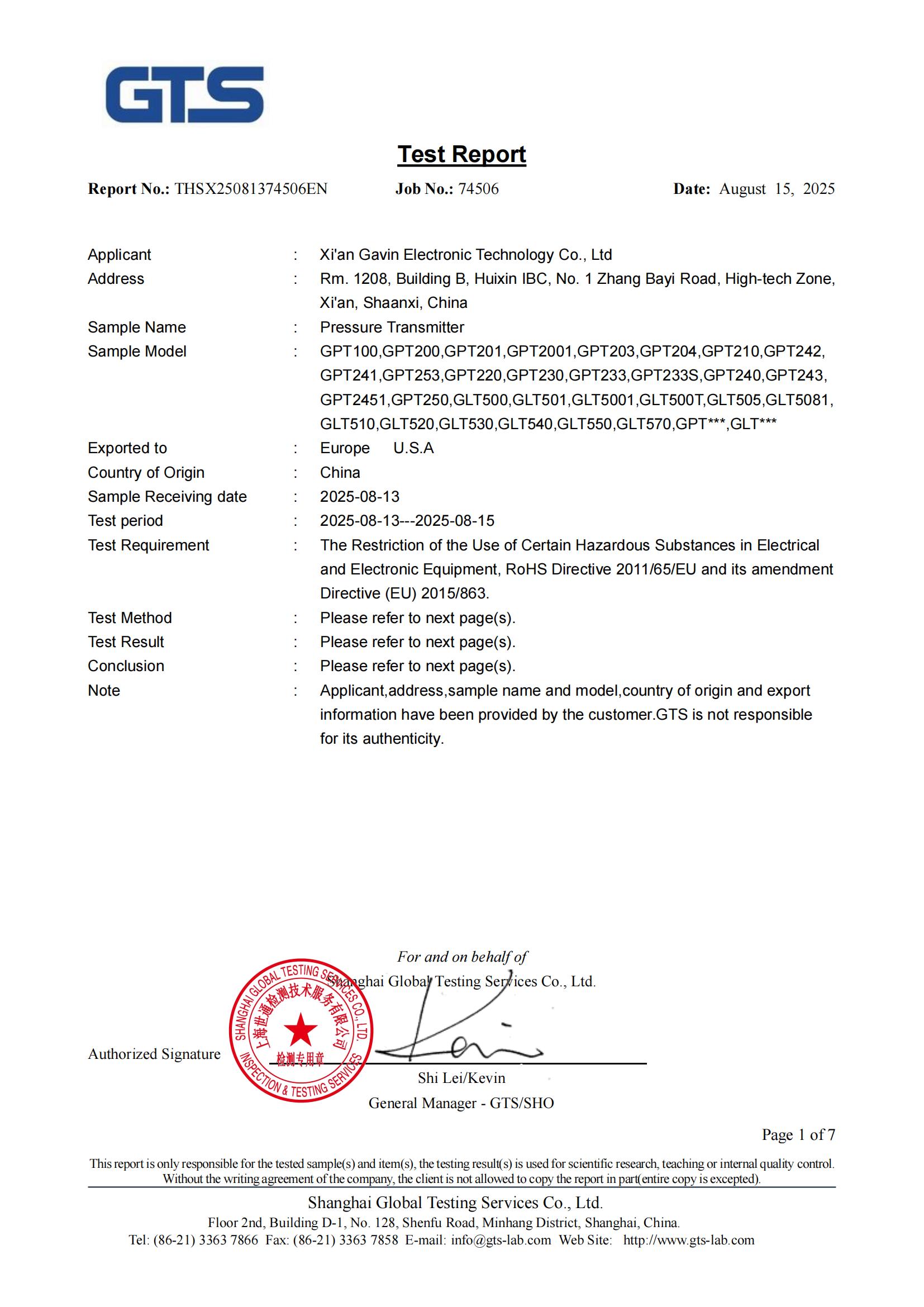
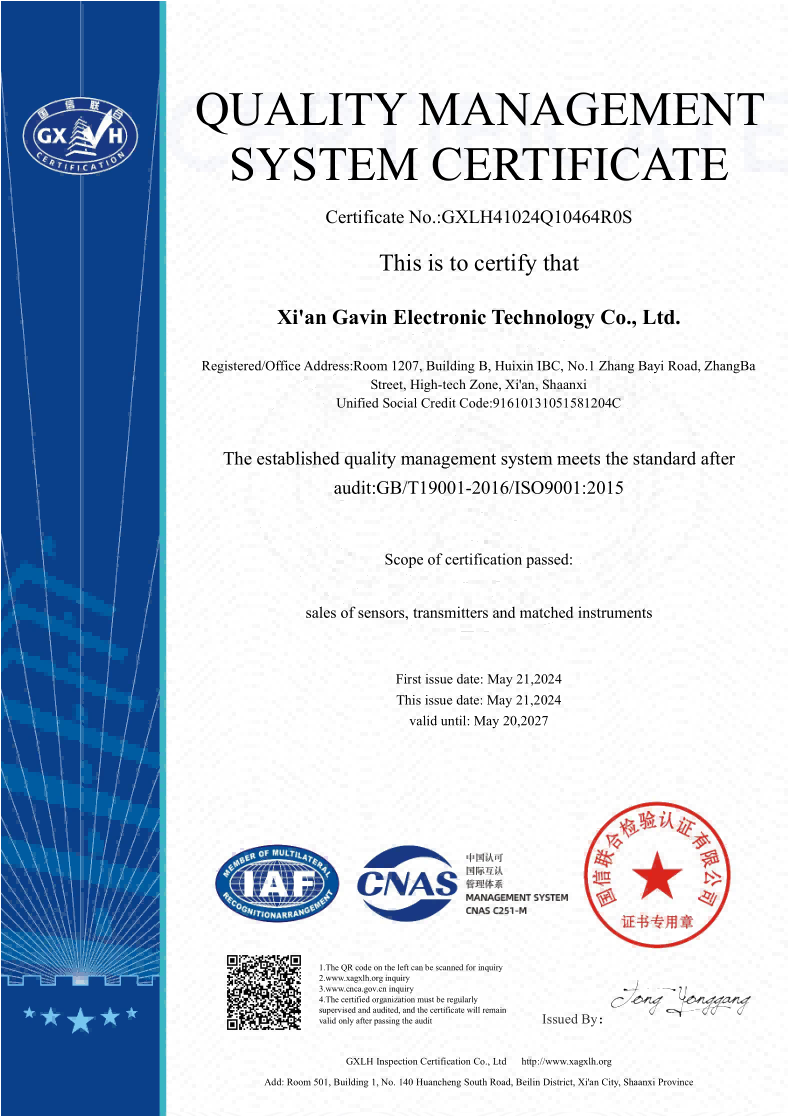
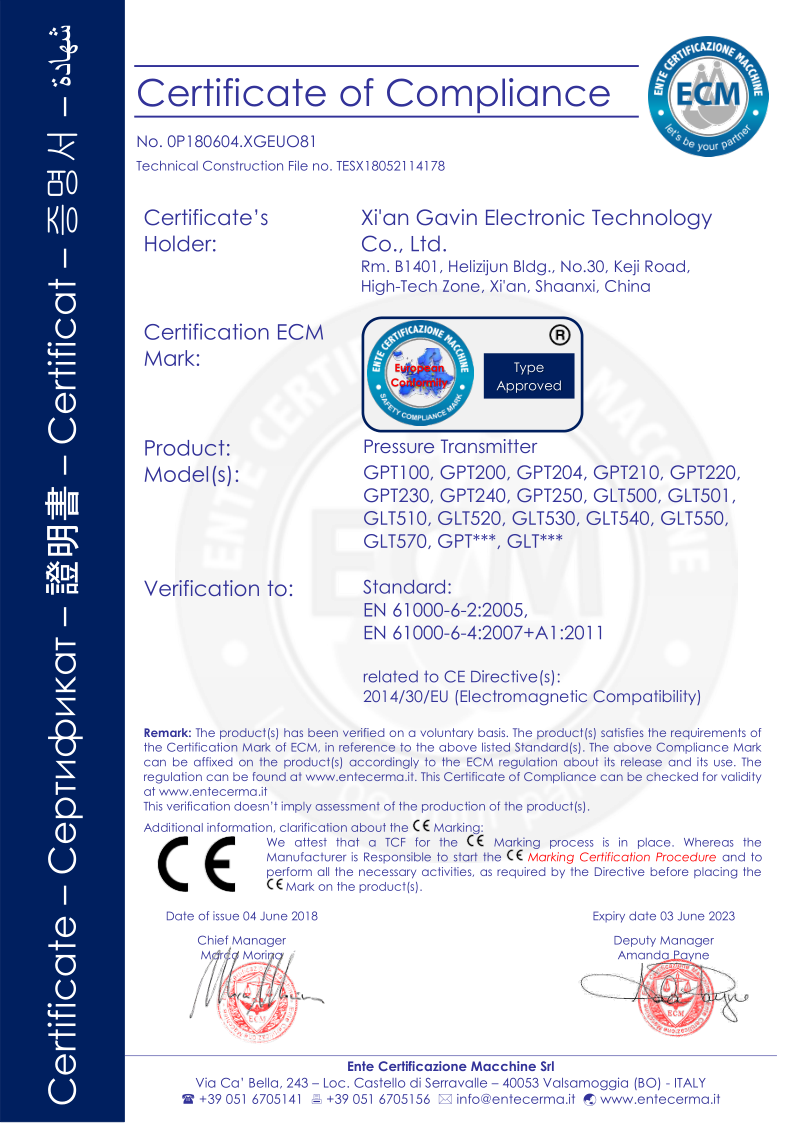
GAMICOS goods are made with quality, which makes them better than products from other companies. Every sensor goes through very tough tests and quality checks that are better than the norm in the field. The business holds several global licenses, such as compliance with CE, RoHS, and ISO. This guarantees that the company can do business in markets around the world.
Technical help and customization services are useful features that add worth beyond the basic functions of a product. Engineers at GAMICOS work directly with customers to create custom solutions for one-of-a-kind situations. GAMICOS also offers OEM and ODM services that other companies rarely do. This work together makes sure that the sensor works best in certain settings.
Cost-effectiveness means that a product has both a low price and great performance. GAMICOS offers flexible shipping dates and the ability to buy in bulk to meet a range of purchasing needs while still keeping quality standards high. The mix of quality and value makes big projects much easier to sell.
Maximizing Performance Through Proper Implementation
Choosing the best sensor starts with a correct evaluation of how it will be used. The specs of a sensor are affected by the size of the tank, the types of fuel, the temperature range in which it will be used, and the need for integration. Automotive uses usually need features that are not the same as those used in fixed tank tracking systems.
Installation steps have a big effect on how well and how long sensors work. If you place it correctly, you can get steady readings without having to worry about noise or interference. The SAE standard 5-hole screw locking method keeps things attached securely but also makes it easy to take them off for repair or to replace them.
Calibration methods set up correct standard readings for different kinds of fuel and tank designs. External calibrators make it possible to change settings in the field without having to use special tools or factory code. Regular checking of the calibration keeps the accuracy of the measurements over long periods of time.
System integration planning gets the most out of smart fuel tracking. Linking sensors to GPS tracking systems makes it possible to do a full study of fuel consumption and to identify theft. Data gathering systems can keep track of how usage habits change over time, make reports for people to read, and set off alerts when something unusual happens.
Maintenance protocols extend sensor life and maintain accuracy standards. Checking on electrical connections, cleaning sensors, and making sure everything is working right are things that should be done often to keep things from going wrong. Most of the time, preventive maintenance plans are cheaper than waiting for things to break and then fixing them.
Critical Considerations for Electronic Fuel Sensor Applications
In places where there is a lot of electrical noise, electromagnetic interference can make fuel level sensors less accurate. Proper wiring and insulation reduce disturbance and keep the signal quality high. Putting the sensor away from high-power electrical tools lowers the chance of something going wrong.
Dielectric qualities may mean that changes in fuel makeup affect the results of capacitance sensors. Capacitance readings are affected by the different electrical properties of the various fuel types. Quality sensors have compensation systems or change features that let them stay accurate with different kinds of fuel.
In situations where the weather can change a lot, temperature adjustment is very important. The amount of fuel can change, seemingly unrelated to its real use, because it expands and contracts. Advanced sensors have temperature adjustment features that automatically correct results for the effects of heat.
The way the sensor is installed and the sensor that is used are affected by the surroundings. Vibration levels, chemical contact, moisture conditions, and how easy it is to get to the sensor all have an impact on how well it works and how often it needs to be maintained. In tough settings, extra protection or special sensor settings may be needed.
Conclusion
Electronic fuel level sensors are much better than older methods because they are more accurate, can track levels in real time, and can be easily integrated with existing systems. The technology makes fuel management, theft protection, and working efficiency better across a range of uses. Quality sensors are durable, don't need to be fixed often, and always work well even when conditions are tough. They are a long-term investment. Because fuel costs are going up and working efficiency is very important, electronic sensors are now very useful for managing fleets and facilities. Buying good sensors now will pay off by helping you handle fuel better and learn more about how your business runs.
Frequently Asked Questions
Q1: How do electrical fuel level sensors and standard gauges compare in terms of accuracy?
A: Electronic fuel sensors can measure within 1mm precision, which is a lot more accurate than mechanical scales that usually measure within 5% to 10% of full scale. This higher level of accuracy makes it easier to handle fuel and keep track of how much is used.
Q2: Do electric fuel sensors work with all kinds of fuel?
A: Good electrical sensors work with many kinds of fuel, such as gasoline, diesel, heating oil, and other types of fuel. Capacitive sensors keep their accuracy even when different types of fuel are used by calibrating them to the dielectric properties of each fuel.
Q3: What do you need to do to take care of electrical fuel sensors?
A: Electronic fuel sensors don't need to be taken care of as much as traditional ones do. Regular checks, occasional cleaning, and yearly confirmation of accuracy usually keep things working well. Without working parts, there is less wear and the service life is longer.
Partner with GAMICOS for Advanced Fuel Management Solutions
It takes a lot of thought to pick the right fuel level sensor maker based on their technical skills, support services, and long-term dependability. GAMICOS blends more than ten years of experience developing sensors with the ability to make changes that meet the needs of different users. Our tech team works directly with customers to come up with unique solutions that get the most out of fuel tracking.
The GLTV7 capacitive sensor line is the newest technology for measuring fuel. It has field-adjustable settings and can be integrated with GPS. Modern fleet management and industrial uses need the accuracy, dependability, and freedom that these sensors provide. Over 100 countries are served by our global supply system, which always delivers on time and with the same high standard.
Quality assurance procedures make sure that every sensor meets strict performance standards before it is sent out. Our reasonable prices allow people from around the world to meet compliance needs and still be able to buy things. Several foreign licenses show our dedication to these compliance needs. Our team produces goods that go above and beyond what customers expect, whether you need basic setups or fully tailored options.
Are you ready to use accurate electronic sensors to improve your fuel monitoring? To talk about your needs and find out how GAMICOS fuel level sensor options can make your business run more smoothly, get in touch with our technology experts. For full product specs and prices, email info@gamicos.com or call our team today.
References
1. Johnson, M. R. (2023). "Advanced Capacitive Sensing Technology in Automotive Applications." Journal of Automotive Engineering, 145(7), 234-247.
2. Chen, L. & Rodriguez, A. (2022). "Comparative Analysis of Electronic vs. Mechanical Fuel Level Measurement Systems." Industrial Automation Quarterly, 38(12), 89-102.
3. Thompson, K. D. (2023). "Integration Strategies for Fleet Management Sensor Networks." Transportation Technology Review, 29(4), 156-169.
4. Williams, S. B. et al. (2022). "Calibration and Maintenance Protocols for Industrial Level Sensors." Process Measurement & Control, 67(9), 45-58.
5. Anderson, P. J. (2023). "Cost-Benefit Analysis of Electronic Fuel Monitoring Systems in Commercial Applications." Fleet Management Economics, 15(3), 78-91.
6. Kumar, R. & Davis, M. (2022). "Environmental Considerations in Electronic Sensor Design and Implementation." Sensor Technology International, 41(11), 112-125.

_1757930850792.jpg)