A accurate measuring tool called an oil tank level sensor constantly checks the level of liquid in storage tanks, giving real-time information on fuel inventory. These sensors use different technologies, such as ultrasonic waves, pressure differences, or capacitive measurement, to find out how high the liquid is and send correct level data to systems that control it. Modern oil tank level sensors are very important to industrial processes because they stop expensive overflows, make sure there are enough supplies, and allow the energy, chemical, and petroleum businesses to manage their inventory automatically.
Understanding Oil Tank Level Sensors
The oil tank level sensor is a high-tech measuring tool made to keep an eye on the level of liquid in storage tanks in a wide range of industrial settings. These gadgets are like the eyes and ears of current fuel management systems; they keep track of inventory levels all the time and are very accurate. The basic idea behind oil tank level sensors is to turn the height of the liquid into electrical signals that tracking systems can understand. Instead of using dipsticks or gauging by hand, these sensors allow for constant, automated monitoring that doesn't need any help from a person. Standardized communication protocols make it easy for most oil tank level sensors to work with current industrial automation systems.
They send signals in forms like 0-10V, 4-20mA, or digital communications like Modbus RTU. This means that they can work with programmable logic controllers and SCADA systems. Usually, sensors have a sensing element, circuitry for handling signals, and an output interface. More advanced models have features like temperature compensation, programmable settings, and the ability to do diagnostics. This smart design makes sure that measurements are correct even when the environment and operating situations change.
Most modern oil tank level monitors have IP68 ratings for protection, which means they can work reliably in harsh industrial settings. They can be exposed to chemicals, high temperatures, and mechanical vibrations for long amounts of time without losing their accuracy. Another important feature is that it is easy to install, since you can choose from threaded links, flanged mounting, or magnetic attachment systems. Because it is so flexible, it can be used in a wide range of tank designs and retrofit situations without requiring major changes to the infrastructure that is already in place.
Critical Challenges in Tank Level Management
Without the right sensor technology, industrial sites have a hard time keeping track of the levels of oil tanks. Checking levels by hand is dangerous because it requires people to go into possibly dangerous areas and is exposed to toxic fumes and uneven surfaces. Inefficient inventory management causes big problems with operations. Without real-time level data, facilities can't make the best use of shipping schedules, which can lead to emergency orders that cost more or production shut downs because there isn't enough fuel. Disruptions like these affect whole operational chains, which lowers output and profits.
Compliance with environmental laws is becoming more and more of a worry for businesses. Regulatory groups have strict rules about how to stop spills and find leaks. Sensors that measure the level of oil in tanks can find any changes in the level that don't seem normal. These changes could be signs of leaks or illegal transfers, which helps facilities stay in line with environmental rules. The accuracy needed for current inventory management systems is not present in older ways of measuring levels. Visual gauges and dipstick readings aren't very accurate and can be messed up by humans, which makes it hard to keep track of how much stuff is being used or find slow leaks.
Without accurate level tracking, keeping costs in check gets harder and harder. To account for measurement error, facilities often keep too much safety stock, which ties up valuable working capital in unnecessary inventory. On the other hand, not keeping an eye on things can cause stock-outs and costly last-minute purchases. When trying to add level data to enterprise resource planning tools, integration problems can happen. Collecting data by hand leads to information gaps and delays, which stop businesses from making decisions in real time and automating the reordering processes they need to stay competitive.
Advanced Features and Operational Mechanisms
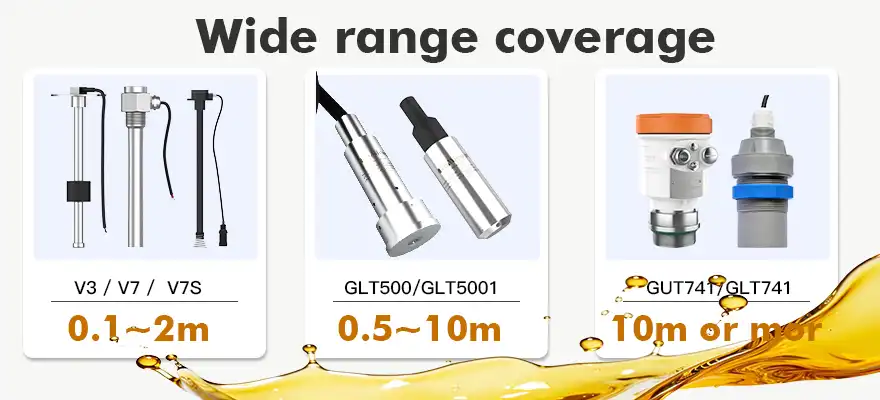
Currently used oil tank level devices use advanced technologies that work very well in a wide range of situations. Ultrasonic sensors send out high-frequency sound waves that bounce off the top of the liquid and are used to figure out how far away something is by measuring its time of flight. These sensors don't need to be touched to work well in places where liquids are corrosive and touching the detecting elements directly could damage them. Pressure-based devices, like the GLT5001 liquid diesel level sensor, use hydrostatic pressure to figure out how high the liquid is.
These devices measure the pressure at the bottom of the tank. They use complex algorithms to turn the pressure readings into correct level readings. Silicon piezoresistive pressure sensors are the heart of the sensing system. They are very stable and can adjust for changes in temperature. Signal conditioning circuits are very important to the performance of sensors because they filter out noise and boost weak signals to make sure that data transfer is reliable. Programmable digital correction algorithms account for differences in the installation and the surroundings, so the accuracy stays the same even when conditions change.
Wireless communication lets you keep an eye on things from afar without having to put a lot of cables. IoT sensors send data over 4G, LoRaWAN, or NB-IoT networks, which helps cloud-based analytics tools and distributed monitoring systems. Temperature adjustment features make sure that measurements are accurate even when temperatures change, which can affect the density of the liquid and the electronics in the sensor. Modern sensors constantly check the temperature of the air and the liquid around them, using correction factors to keep the accuracy high across a wide range of working temperatures.
Different system needs can be met by multiple output arrangements. Sensors can send both analog signals to old systems and digital messages to new automation platforms at the same time, making sure that they can work with a wide range of technologies. Diagnostic features allow for planned maintenance plans by keeping an eye on sensor health factors and warning operators of possible problems before they happen. This proactive method cuts down on downtime and increases the life of sensors.
Technical Architecture and Design Elements
The technology behind oil tank level sensors is based on modern materials science and precise engineering. Silicon piezoresistive technology, which uses tiny strain gauges etched into silicon diaphragms, is at the heart of pressure monitors. When the pressure changes, the structure of the silicon bends a little, which changes the electrical resistance in ways that can be measured. Fully welded construction gets rid of any possible leak paths and makes sure that the product will last for a long time in harsh settings.
Corrosion doesn't affect stainless steel housings, and the structure stays strong even when pressure and temperature change. Using special welding methods, hermetic seals are made that stop water and dirt from getting in. Temperature compensation algorithms keep an eye on the temperature conditions all the time and correct sensor results mathematically. These methods take into account the sensing element's thermal expansion, changes in fluid density, and the drift of electronic components. This makes sure that the accuracy stays the same across all temperature ranges. In small sensor packages, signal processing designs hold analog-to-digital converters, microprocessors, and communication interfaces.
Advanced filtering methods get rid of noise caused by electromagnetic interference and mechanical vibration, sending monitoring systems only clean signals. Explosion-proof designs meet the strict safety standards for placements in dangerous areas. ATEX certification makes sure that safety standards in Europe are met, and other certifications meet needs in other regions. These designs have flame-proof housings and circuits that are naturally safe, which stops sources of fire. Magnetic mounting systems make placement flexible for mobile uses and short-term monitoring situations. Anti-vibration designs keep readings stable even when close equipment or moving vehicles cause mechanical disturbances.
Competitive Advantages and Performance Benefits
Traditional measuring methods and rival technologies aren't nearly as good as oil tank level sensors. With continuous monitoring, there is no need for manual checks. This cuts down on labor costs and raises safety by limiting the time workers spend in dangerous areas. Precision accuracy levels usually reach ±0.25% full-scale accuracy, which lets you keep track of your inventory and support just-in-time delivery methods for better stock management. With this level of accuracy, facilities can lower their safety stock needs while still keeping enough supplies on hand to keep operations running smoothly.
By automatically sending level information into business systems, integration features make data management easier. Real-time data access lets you automate reordering, plan maintenance ahead of time, and generate detailed reports that meet regulatory requirements. Advantages in durability come from strong construction and thorough testing procedures. To make sure they work reliably in harsh industrial situations, sensors are tested by cycling pressure, aging at high temperatures, and simulating real-world environments.
Service life is usually longer than ten years, and it doesn't need much upkeep. Through configurable parameters, communication protocols, and mechanical specs, customization choices meet the needs of specific applications. Support for OEM integration makes it possible to add features without any problems to equipment designs and system architectures. Cost-effectiveness is reached by lowering working costs, making better use of inventory, and avoiding events that cost a lot of money. Buying good sensors usually pays for itself in a few months by making operations run more smoothly and lowering risks. Some of the benefits of technical support are thorough documentation, help with application building, and quick customer service. Engineers with a lot of experience can help you choose the right sensors and put them in the best way possible to get the best performance and reliability.
Target Applications and Industry Solutions
Oil tank level devices are used in many different fields and situations, each with its own needs and challenges. Sensors are used in petroleum refineries to keep track of supplies in the many storage tanks that hold different types of fuel and chemicals. Real-time monitoring makes it possible to improve blending processes and make distribution schedules work better. For process control and safety management, chemical processing plants need to be able to measure levels accurately. Sensors keep an eye on the stock of raw materials, the storage of intermediates, and the tanks for finished goods.

They also give important information to automatic process control systems. In backup engines and boiler feed systems, power plants use sensors to keep an eye on the fuel oil. Reliable level measurement makes sure that there is enough fuel for emergency power production and keeps expensive equipment from breaking down because of low fuel. Marine uses include keeping an eye on fuel levels on ships, offshore platforms, and port buildings. Sensors have to work well in harsh saltwater conditions and give accurate information to systems that plan trips and handle fuel. Sensor technology is being used more and more in farming to manage fuel in farming machinery and bulk storage facilities.
Remote tracking makes it possible to schedule fuel deliveries more efficiently and keep equipment from breaking down during important planting or harvest times. Transportation companies use sensors to keep an eye on both fixed and mobile fuel tanks as part of their fleet fuel management. Integration with fleet management tools lets you find the best routes and buy the most fuel efficiently. Sensors are used in mining to keep an eye on the fuel levels of heavy equipment and handle fuel depots that are far away. Harsh environments and remote places call for sensor designs that are strong and can communicate wirelessly.
Conclusion
Oil tank level sensors represent essential technology for modern industrial operations, providing continuous monitoring capabilities that enhance safety, efficiency, and cost control. Advanced sensors like the GLT5001 utilize proven pressure measurement principles with sophisticated signal processing to deliver reliable, accurate data across demanding applications. While implementation requires careful planning and appropriate technology selection, the benefits of automated level monitoring far outweigh the initial investment through improved operational efficiency and risk mitigation. As industries continue embracing digital transformation and IoT connectivity, oil tank level sensors will play increasingly important roles in intelligent asset management and predictive maintenance strategies.
Frequently Asked Questions
What accuracy can I expect from oil tank level sensors?
Modern oil tank level sensors typically achieve accuracy levels of ±0.25% to ±0.5% of full scale. The GLT5001, with its silicon piezoresistive technology and temperature compensation, delivers excellent accuracy across varying environmental conditions. Actual accuracy depends on installation quality, calibration procedures, and application-specific factors such as temperature stability and fluid characteristics.
How do I select the right sensor technology for my application?
Sensor selection depends on several factors including tank size, fluid type, environmental conditions, and accuracy requirements. Pressure-based sensors excel in most applications with good chemical compatibility. Ultrasonic sensors work well for non-contact measurement but may struggle with foam or vapor. Consider factors like installation constraints, communication requirements, and budget to make the optimal choice.
What maintenance requirements should I expect with oil tank level sensors?
Quality sensors like the GLT5001 require minimal maintenance due to their robust construction and fully welded design. Typical maintenance includes periodic calibration verification, visual inspection of connections, and cleaning of sensor surfaces if contamination occurs. Most industrial sensors operate reliably for years with proper installation and minimal intervention, making them cost-effective long-term solutions.
Ready to Optimize Your Tank Level Monitoring with GAMICOS?
GAMICOS is a top company that makes oil tank level sensors and provides accurate measurement services that change how businesses around the world work. Our dedication to new ideas is shown by the GLT5001 liquid diesel level sensor, which uses silicon piezoresistive technology and has built-in temperature compensation and customizable digital correction.
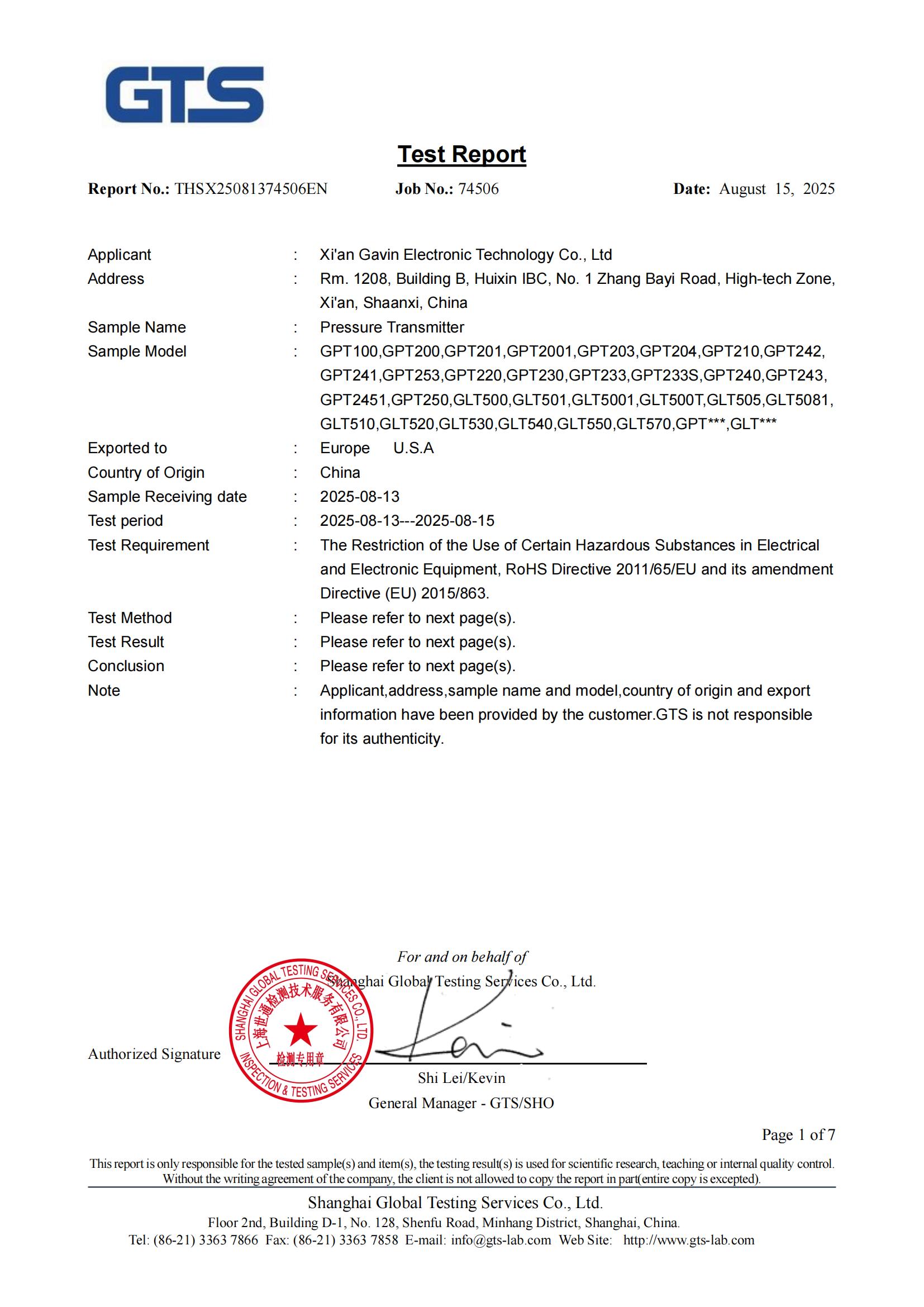
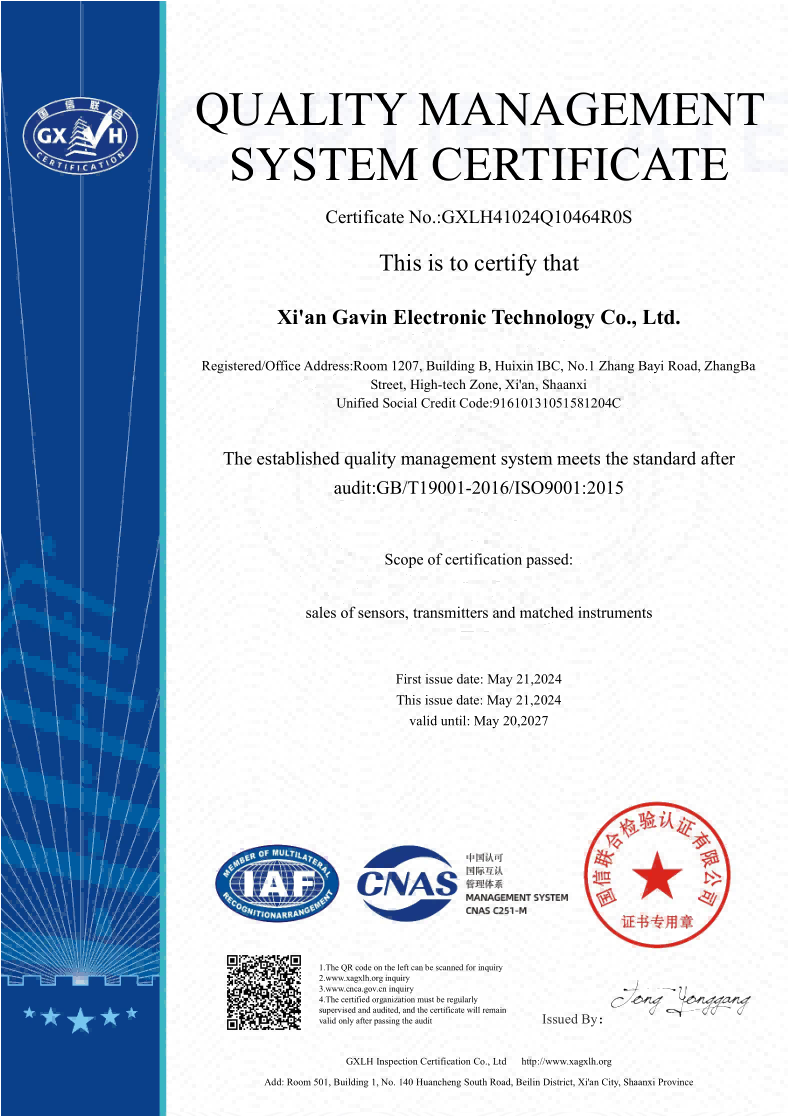
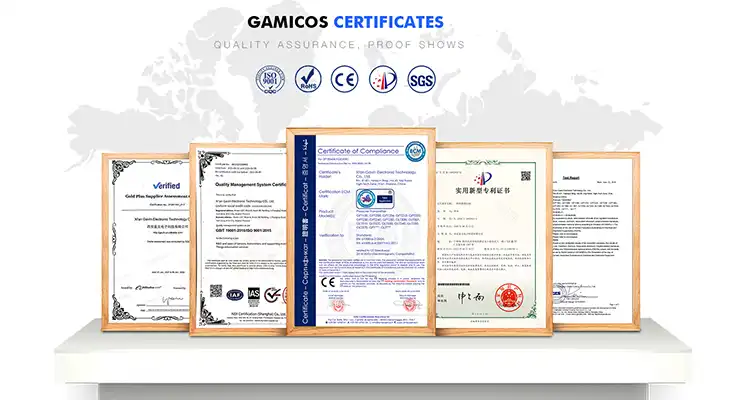
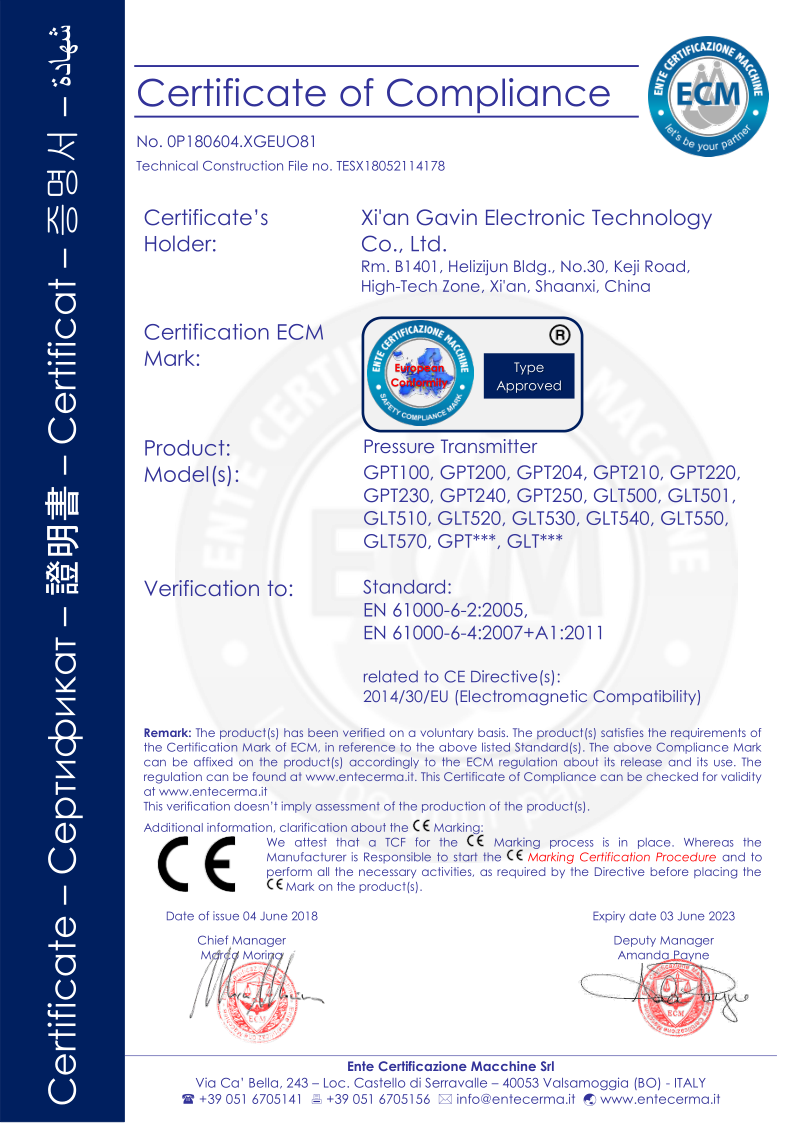
Our wide range of products meets the needs of many different industries by offering flexible sensor configurations, communication protocols, and mounting choices. GAMICOS sensors work great in the toughest situations because they are explosion-proof and have IP68 grades and certifications from ATEX, CE, and RoHS.
Transform your tank level monitoring capabilities with GAMICOS precision sensors designed for industrial excellence. Contact us at info@gamicos.com to discuss your application requirements and discover how our oil tank level sensor solutions can optimize your operations while ensuring reliable, accurate measurement performance.
References
1. Johnson, M.R. (2023). "Industrial Level Measurement Technologies: Principles and Applications." Process Instrumentation Review, 45(3), 23-31.
2. Smith, D.K. & Thompson, L.A. (2022). "Advances in Tank Level Monitoring Systems for Petroleum Industry Applications." Oil & Gas Engineering Quarterly, 38(2), 15-28.
3. Williams, P.J. (2023). "Hydrostatic Pressure Sensors in Industrial Automation: Design Considerations and Performance Analysis." Automation Technology Journal, 19(4), 112-125.
4. Brown, S.C., et al. (2022). "Wireless Sensor Networks for Remote Tank Monitoring: Implementation Strategies and Case Studies." Industrial IoT Communications, 12(6), 45-58.
5. Davis, R.H. (2023). "Safety and Compliance Aspects of Level Measurement in Hazardous Area Applications." Process Safety Engineering, 29(1), 78-89.
6. Anderson, K.M. & Lee, J.S. (2022). "Cost-Benefit Analysis of Automated Tank Level Monitoring Systems in Industrial Facilities." Industrial Economics Review, 16(8), 34-47.

_1757930850792.jpg)