Choosing the right oil tank level sensor for OEM uses means knowing how it will be used and how it can be customized. Today's industrial tools need fuel level monitoring solutions that work with current automation systems and do exactly what they're told to do. Whether you're working on mobile machines, stationary storage systems, or tools for industrial processing, custom oil tank level sensors give you the freedom to meet your exact needs while keeping accuracy and reliability in mind no matter what conditions they are used in.
Understanding Oil Tank Level Sensor Technologies for OEM Applications
Different sensor technologies are used for different kinds of oil level measurement uses. Ultrasonic sensors work best in non-contact situations where contamination can be a problem. These gadgets use sound waves to find surfaces of liquids without having to touch what they're measuring.
Capacitive sensors are great at spotting small changes in the level of different kinds of oil. As the fluid level changes, this technology tracks how the dielectric constant changes. This method is especially useful for tasks that need a lot of accuracy and consistent results over long periods of time.
Resistive sensors are a cheap way to deal with simple liquid level measurement problems. These devices change their electrical resistance based on how deep they are in a liquid. This gives reliable data to fuel level tracking systems.
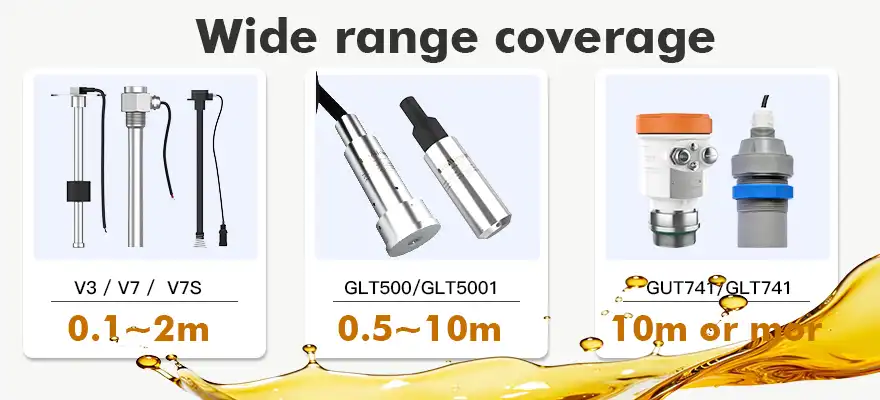
The GLT5001 and other pressure-based sensors use silicon piezoresistive technology to measure hydrostatic pressure at the bottoms of tanks. This approach guarantees correct readings even when the oil density or temperature changes. The built-in temperature adjustment keeps the accuracy of the measurements in a variety of conditions.
Critical Customization Parameters for Industrial Applications
The size of the tank has a direct effect on the sensors that are used and how they need to be set up. Custom oil tank level sensor options must be able to deal with certain mounting issues, cable lengths, and how easy they are to install. Engineering teams check these physical factors during the design process to make sure the sensors are in the right place.
Communication methods need to be carefully thought about so that all of the systems can work together. Today, industrial automation systems use a range of different communication standards, such as analog outputs, digital methods, and choices for connecting wirelessly. IoT sensors can sense things from far away and send data in real time to central tracking systems.
The performance and lifespan of sensors are greatly affected by environmental factors. The chemical compatibility makes sure that the sensors can still work after being exposed to certain kinds of oil and other chemicals that are added to oil. Temperature and moisture levels and vibration effects all play a role in choosing materials and making safe housings.
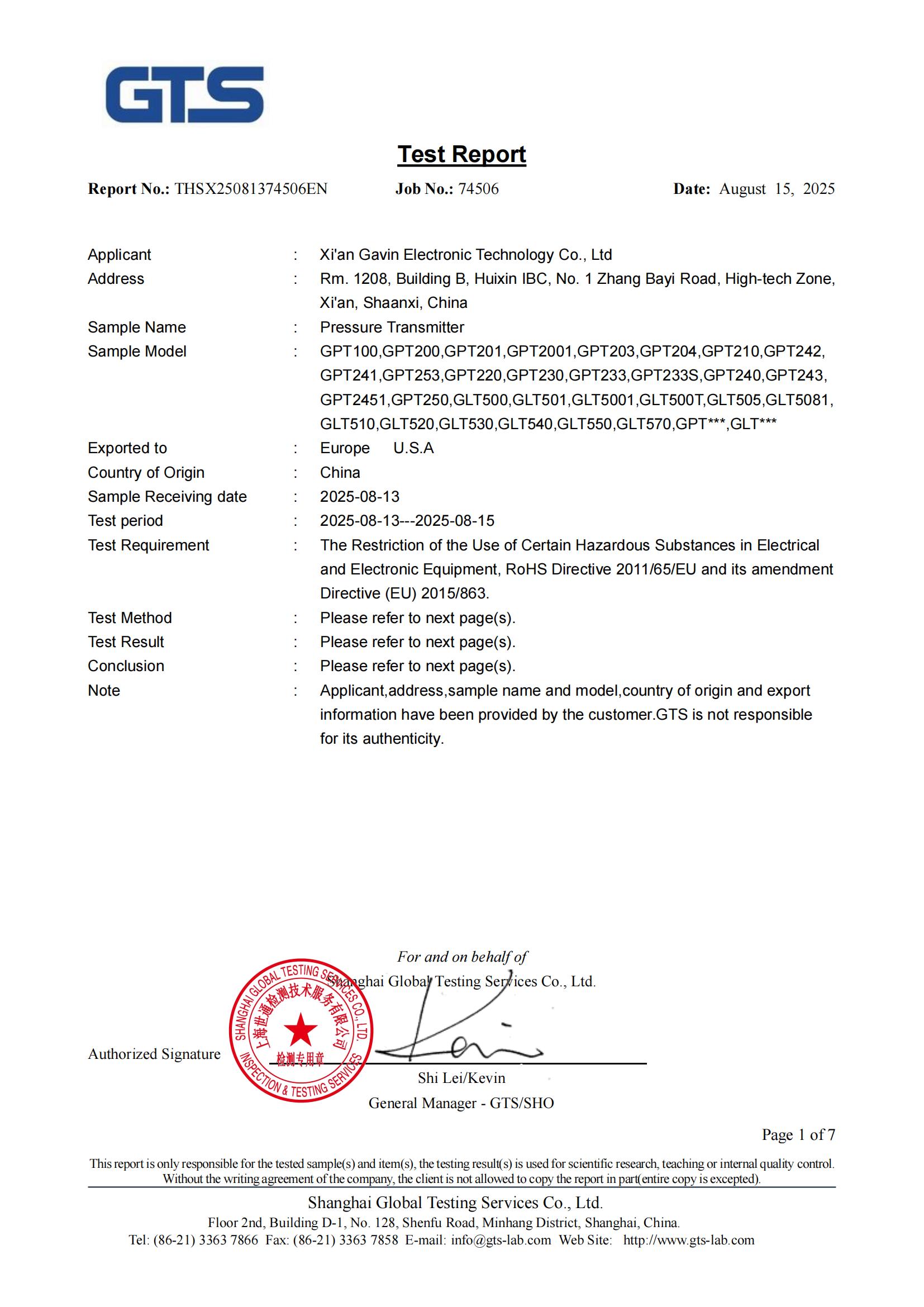
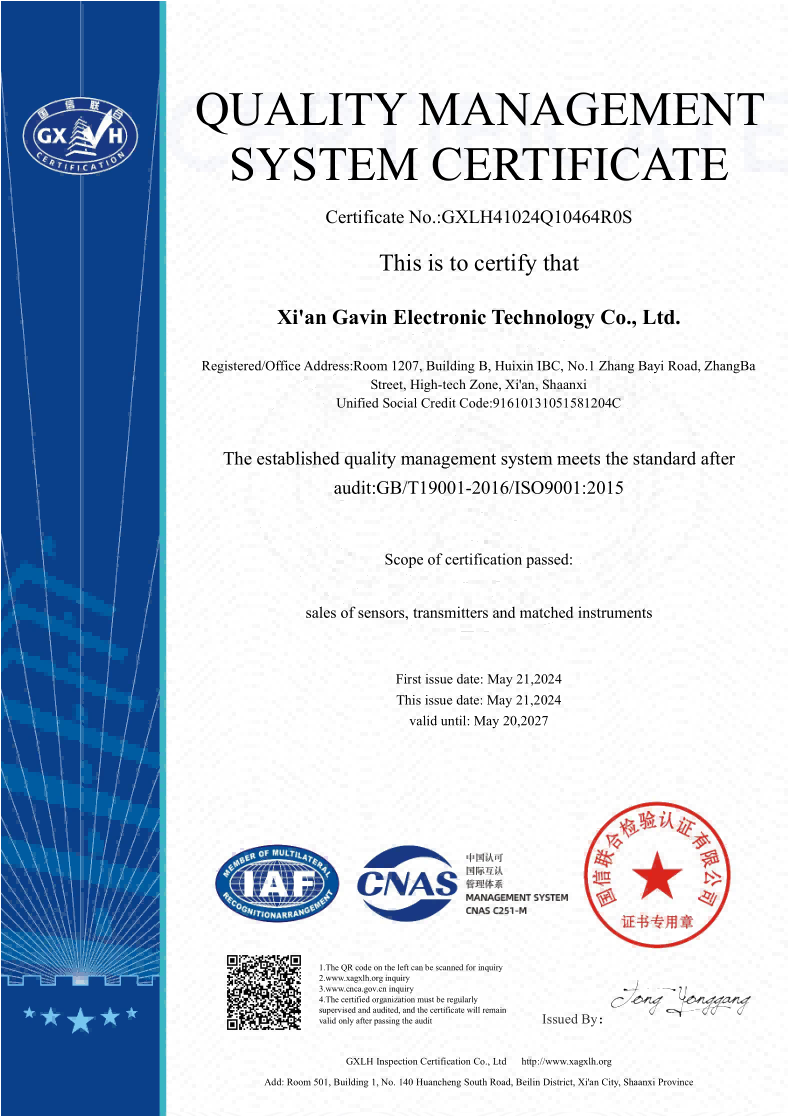
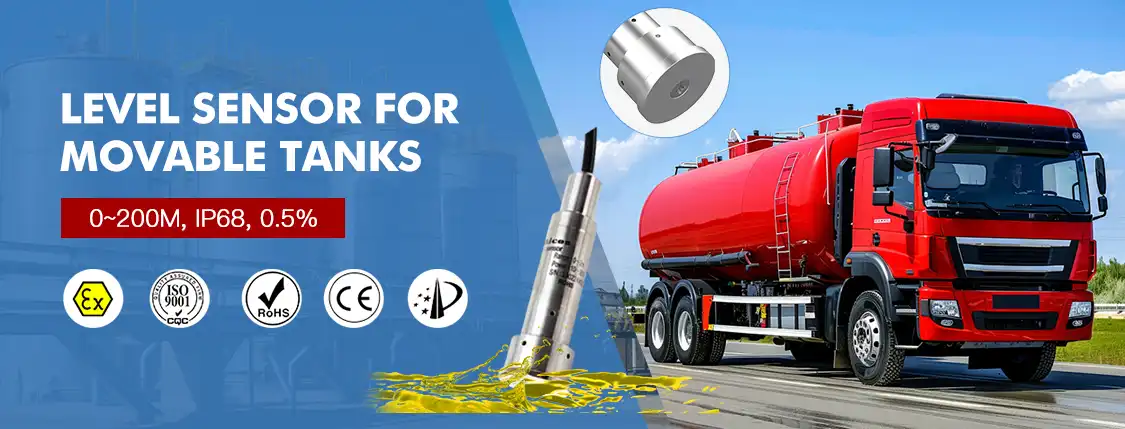
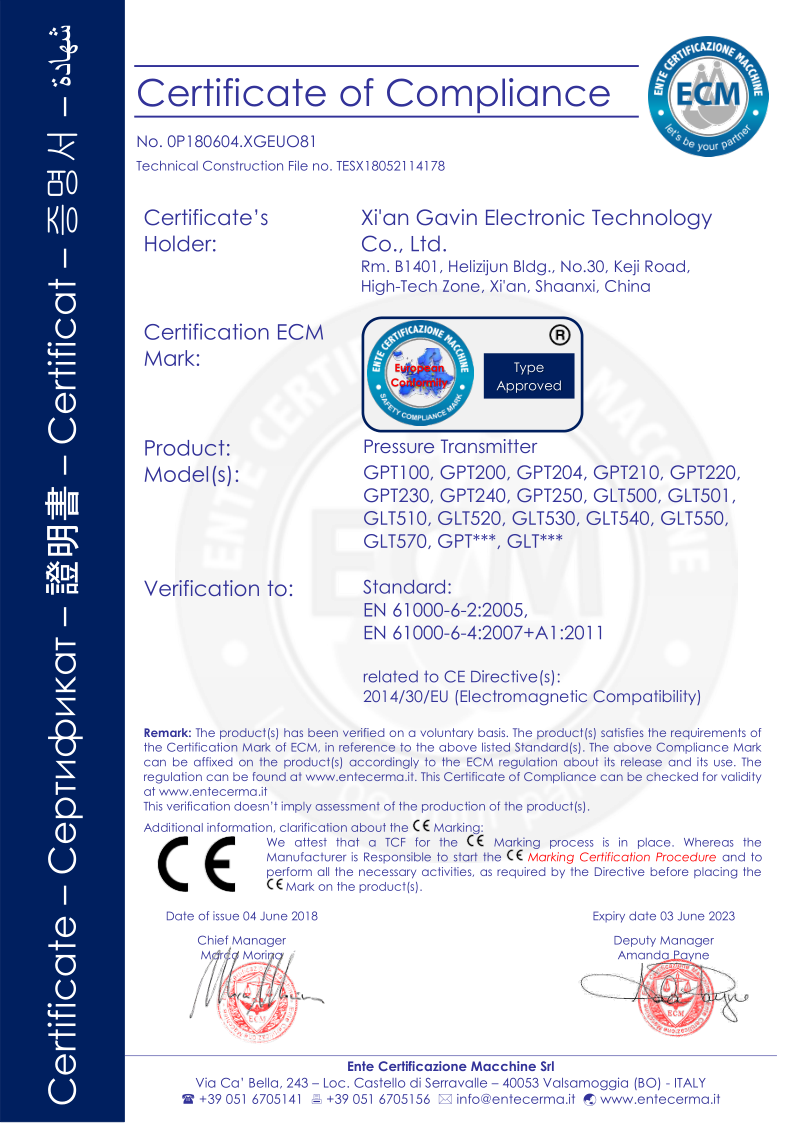
The things you need to do to get a certificate can change depending on the industry and where you live. ATEX explosion-proof ratings make sure that equipment can be safely used in settings where there are risks of explosions. A CE mark shows that the product meets European standards, and agreement with RoHS shows that the manufacturer is taking care of the environment.
Engineering Considerations for OEM Integration
The accuracy standards for sensors need to work with the way the system and the program do their jobs. Most of the time, when industrial sensors are used, they need to be able to measure within certain percentage ranges. Calibration methods establish traceability to recognized standards, which makes sure that several units work the same way.
Signal processing makes measurements more reliable and less prone to noise. For linearization, temperature compensation, and diagnostic features, advanced oil tank level sensor designs include programmable digital circuits. These make integration easier and boost the performance of the general system.
Mechanical mounting choices work with a variety of different installation situations. Threaded connections, flanged mountings, and magnetic attachment methods make it easier to work with tanks of different shapes and sizes. Designs that prevent shaking protect delicate parts in mobile applications or places where they can vibrate a lot.
Long-term reliability and ease of upkeep are affected by cable and connector specifications. Fully welded structures get rid of possible places for leaks to happen, and IP68 protection grades make sure that they will work in tough conditions. Connector compatibility makes it easier to put in the field and replace things.
Industry-Specific Application Requirements
The petroleum business needs sensors that can work with hydrocarbons that have different chemical compositions and thicknesses. In oil storage facilities, tank automation systems need level transmitters that work well even when temperatures and pressures change.
Chemical working settings have tough issues, like needing to work with harsh materials and meeting explosion-proof standards. The materials used for sensors must be able to fight rusting and continue to make accurate measurements over long periods of time. The ability to watch the environment helps make sure that processes are as safe and efficient as possible.
The food and drink industries need hygienic sensors that meet strict cleanliness standards. Building them with stainless steel and smooth surfaces stops germs from growing and makes it easier to clean them. Only materials approved by the FDA can be used in products that meet safety standards.
Compact oil tank level sensor designs with strong mechanical protection are good for mobile equipment uses. Agricultural machines, building tools, and vehicles for transportation need sensors that can handle constant vibration and impact while giving correct information about fuel levels.
Quality Assurance and Testing Protocols
Sensor performance under real-world conditions is validated through extensive testing methods. Pressure cycle tests mimic long-term loading patterns, and aging studies test how stable components they are over long periods of time. Environmental modeling shows sensors to very high and low temperatures, changes in humidity, and vibration patterns that are similar to how they would be used in real life.
Quality control in manufacturing makes sure that all of the production runs work the same way. Standardized testing makes sure that the electrical properties, mechanical dimensions, and ratings of environmental safety are correct. Traceability systems keep records of where parts come from, how they are put together, and the results of the final check.
Sensor integration testing makes sure that the systems and communication methods used by customers are compatible with the technology. Electromagnetic compatibility tests make sure that devices will continue to work properly in industrial settings where there is a lot of electrical noise. The ability to fight interference means that the signal stays strong even when you are close to high-power electrical equipment.
Predictive maintenance can watch sensors and plan replacements before they happen. Diagnostic features can tell that performance is slowly getting worse before a failure happens. This method reduces unexpected downtime and makes the best use of maintenance resources.
Supply Chain Considerations for Global OEM Partners
International certification compliance makes it easier for OEM goods with custom sensors to get into the global market. With multiple regional approvals, there are no more issues with selling internationally, and rules in each area are still followed. As part of the installation and care documentation packages, there are the following items in several languages: installation guides and maintenance procedures.
The ability to provide bulk support production needs with uniform quality. Flexible delivery schedule allows for different production needs and ways of managing inventory. Lead times that you can count on let you plan output accurately and keep your promises to customers.
Technical support services help you with issues any time during the life of a product. Application engineering advice helps make the most of your sensor choices and integration methods. Installation instructions and technical help can get people up and running with new systems faster and more easily.
Long-term partnerships make things better for everyone by coming up with new ways to do things and always looking for ways to improve. Regular performance reviews make sure that new needs are met and find ways to make things more efficient. Joint development projects use the knowledge of everyone involved to meet new market needs.
Conclusion
Custom oil tank level sensor solutions give OEM makers the ability to meet the needs of certain applications while still keeping high performance standards. Knowing the technologies, customization options, and quality assurance processes that are offered helps people make smart choices during the sensor selection process. Working with well-known sensor makers like GAMICOS can help you get access to new technologies, get support when you need it, and make sure that your business can always get the supplies it needs. These things will help your business succeed in the long term in competitive global markets.
Partner with GAMICOS for Premium Oil Tank Level Sensor Solutions
GAMICOS offers a full range of OEM customization services backed by deep technical knowledge and a track record of successful manufacturing. Our factories for oil tank level sensor manufacturers make high-quality products with low prices and delivery schedules. These products are tailored to meet the needs of different applications.
Our technical team works closely with OEM partners to come up with the best sensor combinations that make the system work better. Custom branding, paperwork, and packing help with both market positioning and the easy integration of products. Quality assurance methods make sure that all of the units that are sent out work the same way.
A broad range of certifications, such as compliance with ATEX, CE, and RoHS, makes it easier to get into markets around the world without having to follow extra rules. When you are able to quickly scale up to meet the needs of a growing market while keeping an eye on quality and delivery times, it is usually because you have established relationships in the supply chain.
Are you ready to look into custom-made oil tank level sensor options for your OEM projects? Our tech team, which has a lot of experience, is ready to talk with you about your needs and come up with custom solutions that are even better than what you expected. To start your custom sensor creation project today, email us at info@gamicos.com.
References
1. Thompson, R. & Martinez, L. (2023). "Industrial Sensor Technologies for Liquid Level Measurement: A Comprehensive Review." Journal of Industrial Automation, 45(3), 112-128.
2. Anderson, K. et al. (2022). "OEM Integration Strategies for Custom Sensor Solutions in Process Industries." International Conference on Industrial Instrumentation Proceedings, 78-95.
3. Wilson, P. & Chen, S. (2023). "Quality Assurance Protocols for Custom Sensor Manufacturing: Best Practices and Implementation Guidelines." Sensors and Instrumentation Quarterly, 18(2), 34-52.
4. Rodriguez, M. & Johnson, A. (2022). "Global Supply Chain Management for Industrial Sensor OEM Partnerships." Supply Chain Management Review, 29(4), 67-83.
5. Parker, D. et al. (2023). "Environmental Compliance and Certification Requirements for International Sensor Markets." Industrial Standards Journal, 12(1), 145-162.
6. Singh, R. & Taylor, J. (2022). "Advanced Signal Processing Technologies in Modern Level Sensors: Applications and Performance Analysis." Measurement Science and Technology Review, 33(8), 201-218.

_1757930850792.jpg)