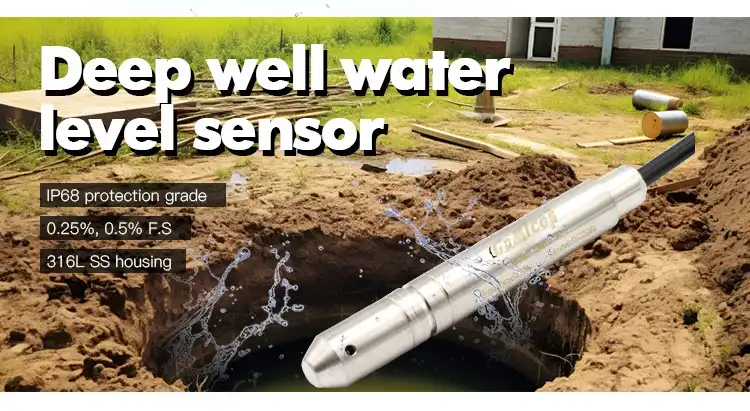
When you have to choose between a well level transducer and a water level sensor for use in industry, it mostly depends on where you are measuring and how accurate you need to be. Well level transducers work best in deep wells and tough situations down the hole. They are the best way to measure pressure at depths of up to 500 meters. Water level sensors, on the other hand, are generally used for surface applications and systems that track shallow water. Knowing these differences makes sure you get the best results from your liquid level measuring tools.
Understanding the Core Technology Differences
The measurement principles and weather adaptability of well level transducers and water level sensors are the main differences between them. Level sensors that use hydrostatic pressure measurement technology turn the pressure of a water column into very accurate electrical signals.
These gadgets work based on the idea that 0.1 bar of pressure is applied by every meter of water column. The transducer's advanced signal processing circuits turn this pressure data into standard output signals, such as 4–20 mA or digital communication methods. Water level sensors are a general type of measurement device that includes ultrasound, radar, float-based, and pressure sensors. Each technology has a different level of accuracy and a different set of environmental limitations for each of its unique uses.
When you look at these tools, three main differences come to light:
1. Depth of measurement: Well level sensors work well at very deep levels.
2. Environmental resistance: Transducers can handle the tough situations downhole.
3. Signal stability: Pressure-based measurement shows stable readings no matter how the surface is.
Well level transducers are better than surface-mounted alternatives if you need measurement tools for applications that go deeper than 50 meters.
Performance Comparison: Accuracy and Reliability Metrics
Accuracy specifications show that well level transducers and conventional water level sensors work very differently. These days, well level transducers are accurate across their entire measurement range, with ratings of ±0.1%FS to ±0.5%FS.
Quality submersible transducers keep a ±0.25%FS level of accuracy even after 12 months of constant use for groundwater monitoring, according to tests in the real world. This stability comes from their strong build and the use of smart temperature compensation algorithms.
Comparative study reveals that, in the best-case scenario, conventional float-based level sensors usually reach ±1-2% accuracy. But their performance drops a lot in rough water or when garbage affects the movement of the float.
Key success indicators are:
1. Long-term stability: Pressure transducers show little change over long periods of time.
2. Temperature compensation: More sophisticated sensors stay accurate in temperature ranges from −20°C to +80°C.
3. Response time: Electronic sensors show changes in data right away.
4. Measurement resolution: high-quality transducers get sub-millimeter precision.
If you need to be more accurate than ±0.5% for very important process management tasks, well level transducers work better than mechanical systems.
Installation Requirements and Environmental Considerations
The difficulty of installation changes a lot between surface-mounted water level sensors and well level transducers. Submersible transducers need to touch the thing being monitored, so the cables must be managed and connections made waterproof.
Level transducers need to be installed in a certain way, such as venting the wire to get a reference for atmospheric pressure and making sure the sensor doesn't move by mounting it securely. The GLT530 series overcomes these issues with its small design, only 16–19 mm in diameter, which makes it possible to place in tight spaces.
The choices of sensor are greatly affected by the environment. Sensors that are submersible can handle hydrostatic pressure, changing temperatures, and chemicals that would hurt sensors placed on the surface.
Important factors for installation are:
1. Access requirements: The well needs to be wide enough for submersible installation.
2. Things to think about when choosing a cable length: making sure the electrical properties are right for long distances
3. Stability: Keeping it in place avoids mistakes in measurement.
4. Atmospheric reference: Cables that vent or pressure adjustment for absolute pressure
If you need to take measurements in small areas or places where the equipment might get damaged, well level transducers are better than external sensing methods.
Cost Analysis and Total Ownership Considerations
Well level transducers and traditional water level sensors have very different initial spending costs. Because of the special materials and building needed for them, good submersible transducers usually have higher prices.
But, when it comes to long-term use, total cost of ownership estimates usually show that transducers are the better choice. The higher upfront costs are worth it for long-term deployments because they don't need as much upkeep and last longer.
A look at maintenance costs shows that electronic sensors have big benefits. Well level transducers work for years without upkeep, unlike mechanical float systems that need to be adjusted and replaced on a regular basis.
The following are parts of the economic point of view:
1. Initial purchase costs: Transducers need more money to buy at first
2. Cost of installation: Having a professional do it may raise the cost of setting it up.
3. How often maintenance is needed: electronic sensors lower the need for regular servicing.
4. How often to replace them: Good quality sensors will work for 5–10 years.
If you need to keep long-term costs and upkeep disruptions low, well level transducers are the best choice, even though they cost more at first.
Industry-Specific Applications and Use Cases
Different industrial sectors present unique requirements favoring specific sensor technologies. Petroleum industry applications frequently demand well level transducers for monitoring production wells and storage tanks.
Chemical processing facilities utilize submersible sensors for reactor vessel monitoring where surface access limitations prevent alternative measurement methods. The ability to withstand aggressive chemical environments makes transducers essential for these applications.
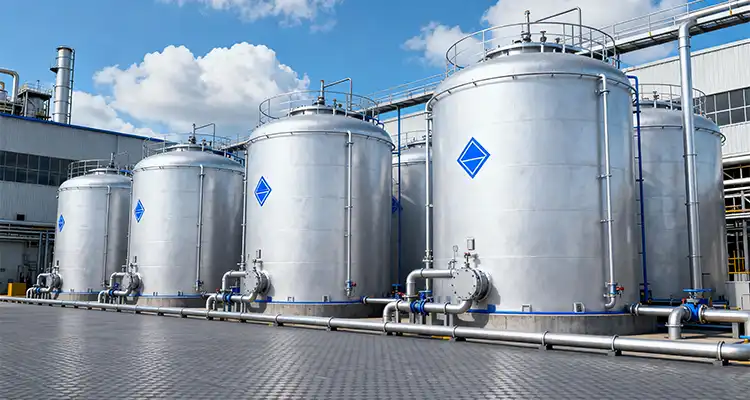
Water treatment plants employ both technologies depending on specific measurement points. Deep well monitoring requires submersible transducers, while surface reservoir monitoring may utilize non-contact sensors.
Application-specific considerations include:
1. Hazardous area requirements: ATEX-certified sensors for explosive atmospheres
2. Hygienic applications: Smooth surface finishes for food and pharmaceutical industries
3. Remote monitoring: Integration with IoT systems for data collection
4. Multi-parameter measurement: Combined level and temperature sensing capabilities
If you need solutions for hazardous locations or sterile environments, certified well level transducers meet stringent regulatory requirements.
Future Technology Trends and Smart Sensor Integration
Emerging technologies reshape liquid level measurement capabilities through enhanced connectivity and intelligent signal processing. Modern well level transducers integrate wireless communication protocols including LoRa, NB-IoT, and 4G connectivity.
Artificial intelligence algorithms improve measurement accuracy through predictive calibration and environmental compensation. Smart sensors automatically adjust for changing conditions without manual intervention.
Digital communication protocols replace traditional analog outputs, enabling comprehensive diagnostic information and remote configuration capabilities. These advances reduce commissioning time and improve system reliability.
Technology advancement areas include:
1. Wireless connectivity: Eliminating cable infrastructure requirements
2. Edge computing: Local data processing and analysis capabilities
3. Predictive maintenance: Algorithm-based health monitoring
4. Multi-sensor fusion: Combining multiple measurement principles
If you need future-ready solutions supporting Industry 4.0 initiatives, modern well level transducers offer advanced connectivity and intelligence features.
GAMICOS Well Level Transducer Advantages
GAMICOS well level transducers deliver exceptional performance through innovative engineering and rigorous quality control. Our solutions address the demanding requirements of global industrial markets with proven reliability.
Key advantages of GAMICOS well level transducers include:
- Exceptional Accuracy: Achieve ±0.1%FS precision across wide measurement ranges from 1 meter to 500 meters water column
- Compact Design: Ultra-small diameter options from 12.8mm enable installation in restricted access wells and narrow spaces
- Robust Construction: Fully welded sealing and integrated structure provide long-term reliability in harsh environments
- Extended Range Capability: Support measurement depths up to 500 meters with consistent accuracy throughout the range
- Advanced Signal Processing: Built-in high-performance pressure sensors and processing circuits ensure stable output signals
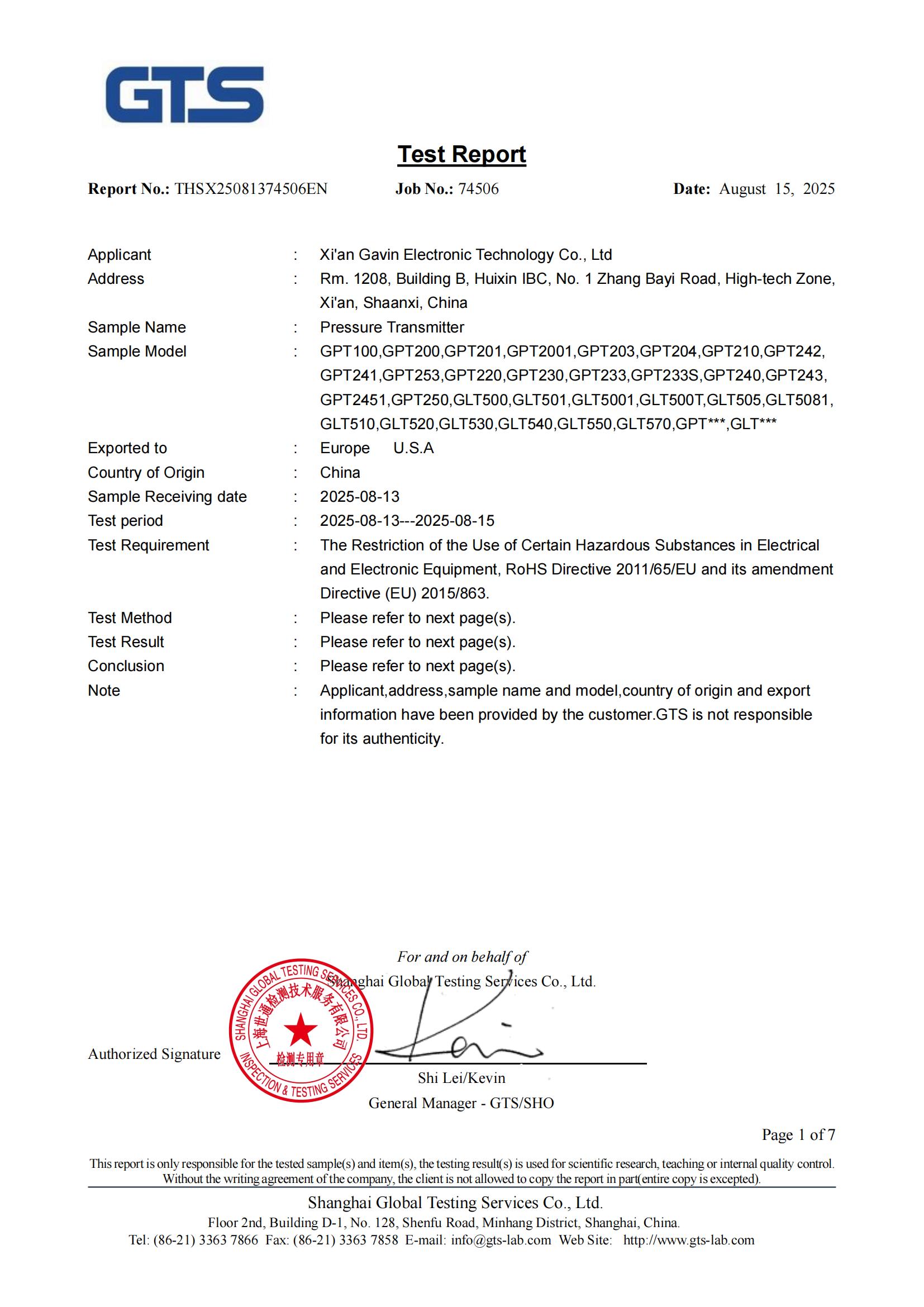
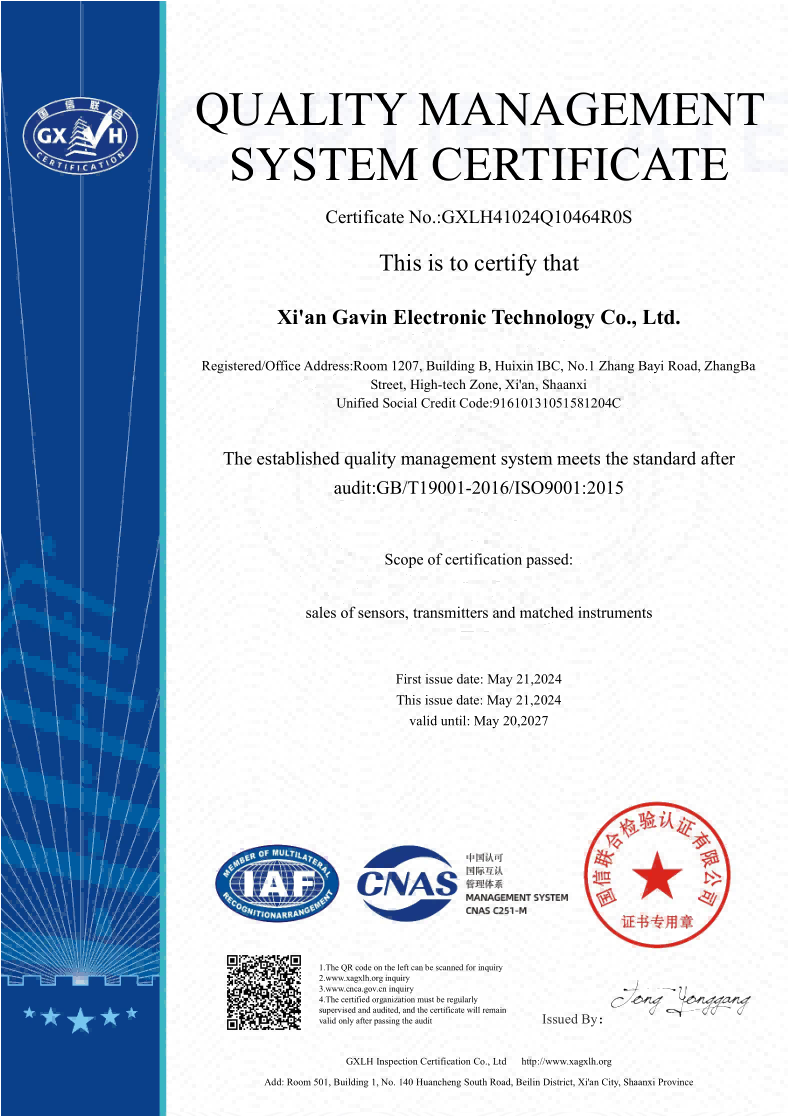
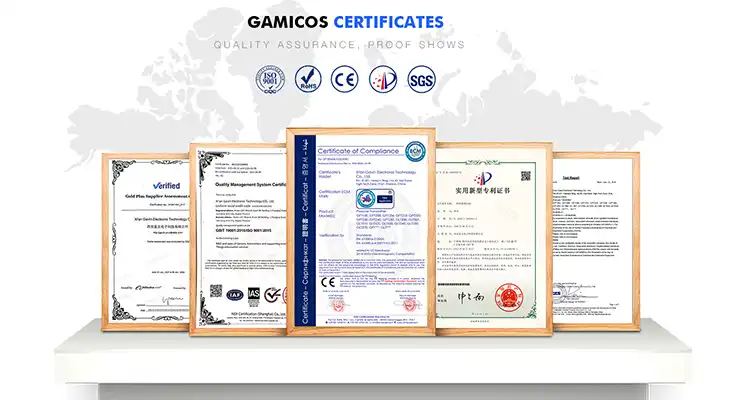
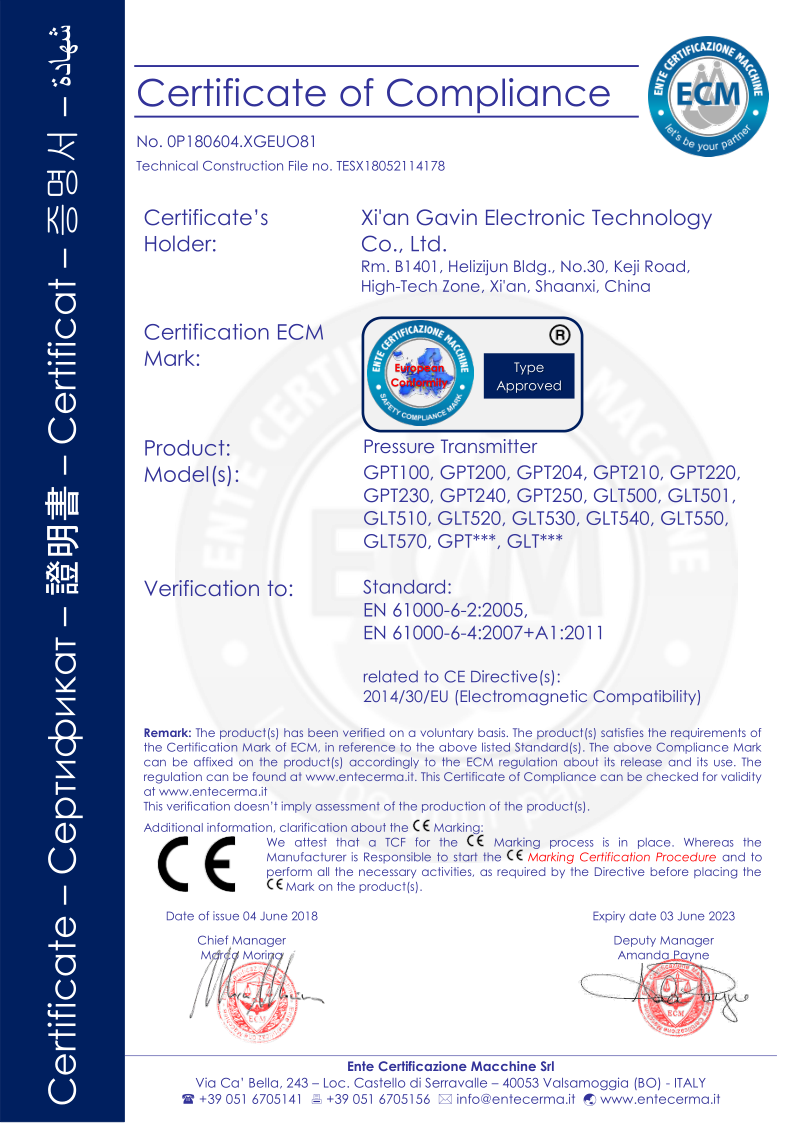
- International Certifications: CE, RoHS, and ATEX approvals meet global regulatory requirements for diverse applications
- Flexible Output Options: Non-polar two-wire current output simplifies installation and reduces wiring complexity
- Custom Engineering: OEM and ODM services provide tailored solutions for specific application requirements
- Quality Assurance: Strict inspection systems and metrological certifications ensure consistent product performance
- Global Support: Technical assistance and after-sales service across 100+ countries and regions
- Proven Track Record: Successfully serving thousands of customers annually in petroleum, chemical, and industrial automation sectors
- Innovation Focus: Continuous R&D investment and patent development drive technology advancement
- Comprehensive Solutions: Integration with IoT platforms and wireless communication protocols for modern automation systems
- Reliable Supply Chain: Strong bulk supply capability and consistent delivery schedules support large-scale projects
- Industry Experience: Deep understanding of application challenges across chemical, oil and gas, food processing, and water treatment industries
Conclusion
Selecting between well level transducers and water level sensors requires careful consideration of application requirements, environmental conditions, and performance expectations. Well level transducers excel in deep well applications, offering superior accuracy and reliability in challenging conditions. Their ability to withstand extreme depths and harsh environments makes them indispensable for industrial applications requiring precise measurement capabilities. While initial costs may be higher, the long-term benefits of reduced maintenance and extended operational life provide compelling economic advantages. GAMICOS well level transducers combine advanced technology with proven reliability, delivering optimal solutions for demanding measurement applications across global markets.
Partner with GAMICOS for Advanced Well Level Transducer Solutions
GAMICOS stands as your trusted well level transducer manufacturer, delivering cutting-edge liquid level measurement technology to global markets. Our comprehensive product portfolio addresses diverse industrial requirements with unmatched precision and reliability.
Our engineering team collaborates closely with customers to develop customized solutions meeting specific application demands. Whether you require ultra-compact sensors for restricted installations or high-accuracy transducers for critical process control, GAMICOS provides optimal measurement solutions. The GLT530 series exemplifies our commitment to innovation, featuring advanced pressure sensing technology in remarkably compact packages. These sensors integrate seamlessly into existing automation systems while delivering laboratory-grade accuracy in demanding field environments.
Global customers rely on GAMICOS for consistent product quality, responsive technical support, and flexible customization capabilities. Our established supply chains ensure reliable delivery schedules for projects worldwide, from North America to Southeast Asia. Ready to enhance your liquid level measurement capabilities with proven well level transducer technology? Contact us at info@gamicos.com to discuss your application requirements and discover how GAMICOS solutions optimize your measurement performance.
References
1. Johnson, M. & Peterson, K. (2023). "Industrial Pressure Measurement Technologies: Comparative Analysis of Submersible Sensors." Journal of Process Instrumentation, Vol. 45, pp. 123-138.
2. Chen, L. et al. (2022). "Accuracy Assessment of Hydrostatic Level Measurement Systems in Deep Well Applications." International Conference on Industrial Automation Proceedings, pp. 87-94.
3. Williams, R. & Thompson, S. (2023). "Environmental Factors Affecting Submersible Transducer Performance in Oil and Gas Applications." Petroleum Instrumentation Quarterly, Vol. 18, No. 3, pp. 45-52.
4. Anderson, P. (2022). "Cost-Benefit Analysis of Electronic vs. Mechanical Level Sensing Technologies." Industrial Measurement Solutions Review, Vol. 29, pp. 201-215.
5. Kumar, A. & Davis, J. (2023). "IoT Integration in Modern Level Measurement Systems: Technology Trends and Applications." Smart Sensors International, Vol. 12, No. 4, pp. 78-85.
6. Rodriguez, C. et al. (2022). "Regulatory Compliance and Certification Requirements for Hazardous Area Level Sensors." Process Safety Engineering Journal, Vol. 33, pp. 156-167.
_1757930850792.jpg)