China vs. India: Submersible Level Transmitter Quality Comparison
Manufacturing Capabilities and Quality Control
When you compare submersible level transmitters made in China and India, you'll find that Chinese companies make better devices that are more accurate, reliable, and long-lasting. Indian makers are making progress, but Chinese transmitters tend to use more advanced materials and production methods, which means they work better in tough industrial settings. However, quality can vary a lot between makers in both countries, so it's important to do a full review before choosing submersible level transmitters for important tasks.
Manufacturing Capabilities and Quality Control
There are big factories in both China and India that make submersible level transmitters, but their skills and quality control methods are not exactly the same:
Chinese Manufacturing Strengths
Most of the time, Chinese companies that make submersible level transmitters have more modern factories and stricter quality control measures. To make sure everything is the same, many use automated assembly lines and fine manufacturing tools. Usually, strict testing is done at several stages of production.
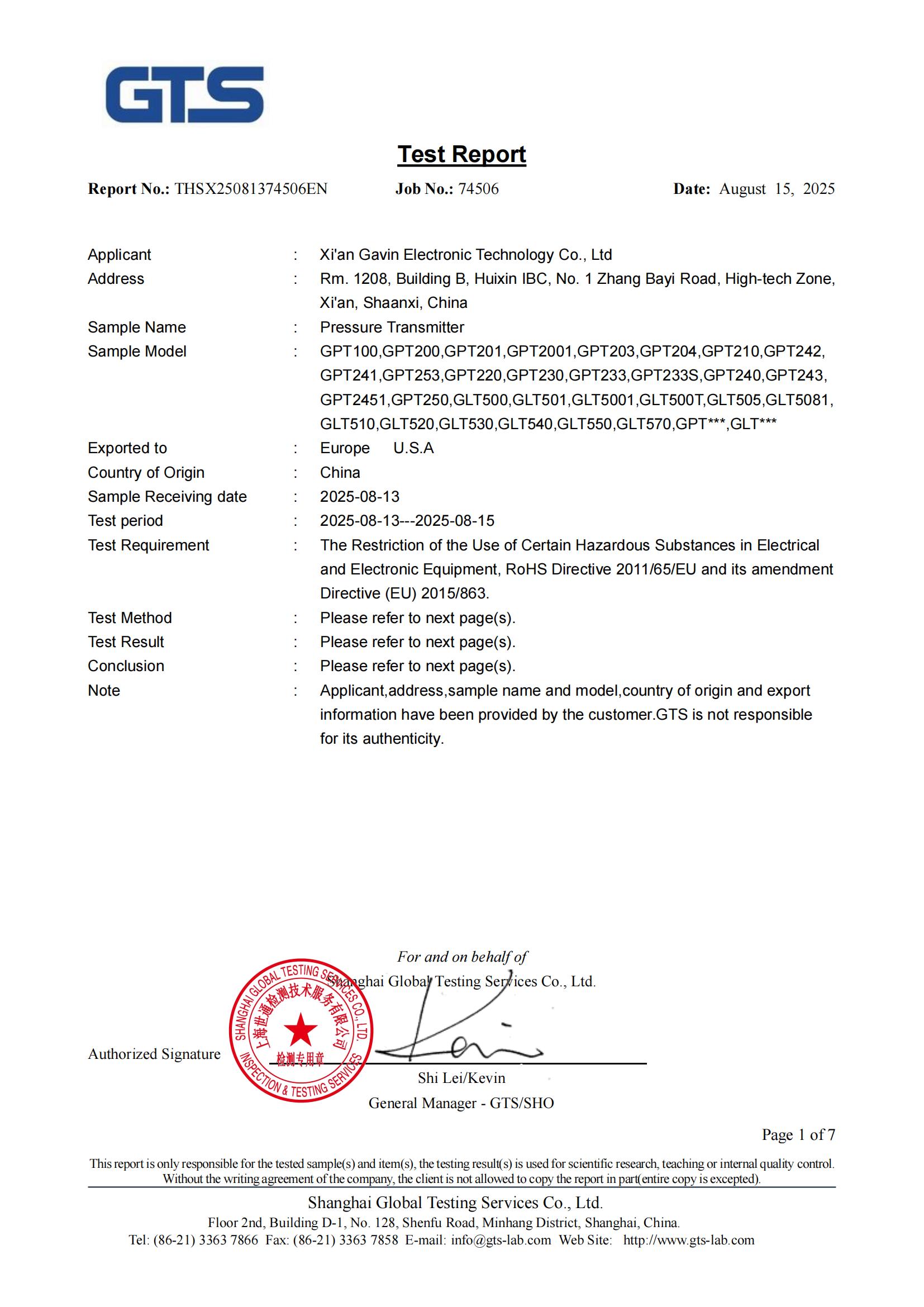
Leading Chinese companies like GAMICOS, for example, use state-of-the-art cleanrooms and test all of their parts 100% of the time. Because of this, submersible level transmitters are very accurate and reliable, even in harsh industrial settings.
Indian Manufacturing Progress
Indian manufacturing is growing quickly, but it is still not as technologically advanced as China when it comes to making precise tools like submersible level transmitters. There are some problems that can happen when Indian producers rely too much on manual assembly.
However, some of India's biggest companies are putting a lot of money into updating their production methods. As manufacturing improves, the quality gap with Chinese-made submersible level transmitters is gradually narrowing for certain product categories.
Quality Control Comparisons
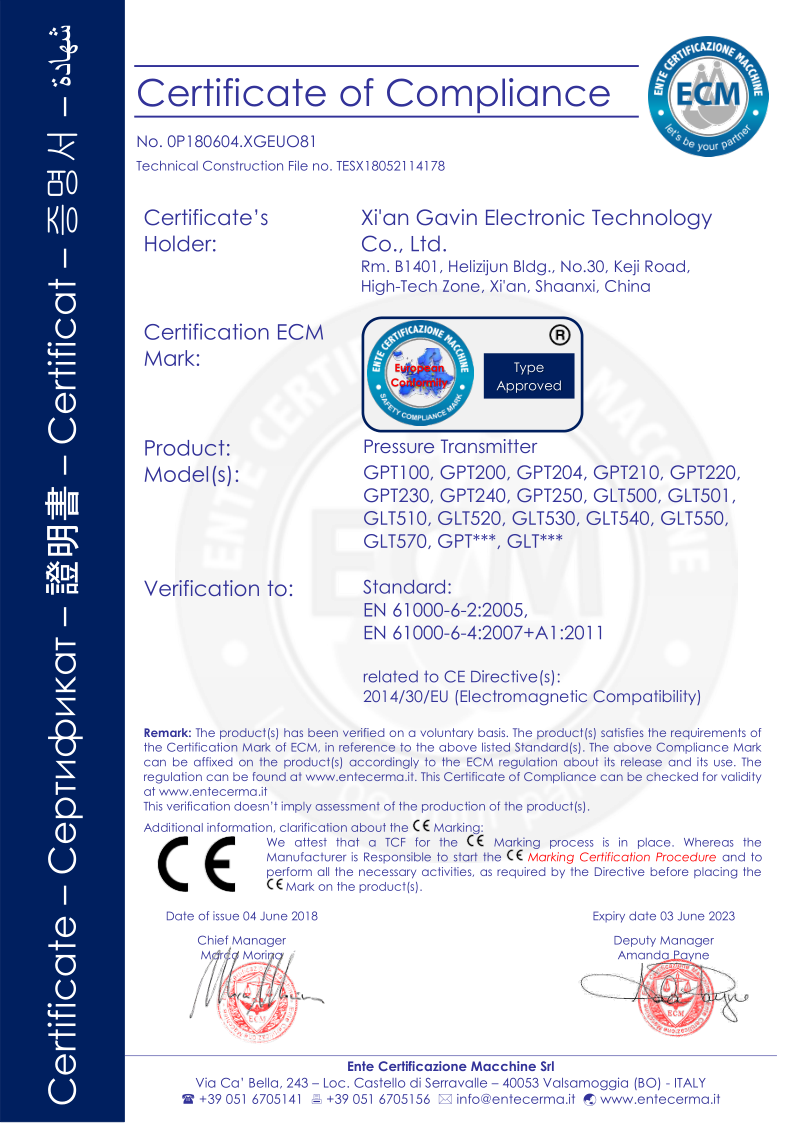
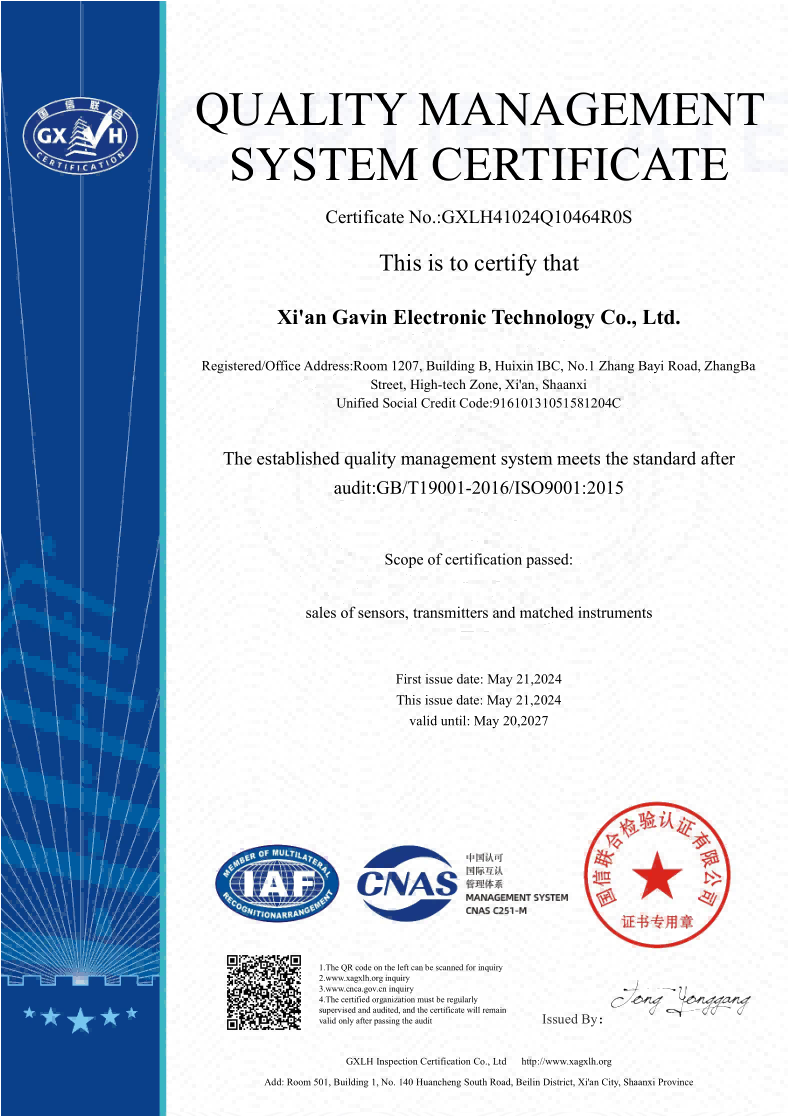
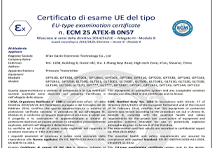
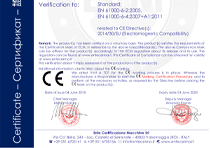
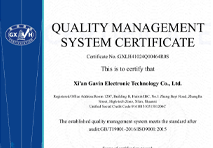
Chinese companies that make submersible level transmitters usually use stricter quality control measures throughout the whole process. This includes inspecting the materials as they come in, checking them as they're being made, and doing full final testing. A lot of them have ISO 9001 approval.
There are more differences in how quality control is done when submersible level transmitters are made in India. Leading companies keep standards high, but smaller manufacturers might not have as advanced quality control systems. This can make the failure rate higher than with devices made in China.
2. Technology and Innovation
A big part of how good submersible level transmitters are is how technologically advanced the companies that make them are. In this area, let's see how China and India stack up:
Research and Development Investment
China puts a lot of money into sensor technologies that are used in submersible level transmitters. A lot of Chinese companies have their own research and development centers and work closely with colleges. This makes accuracy, stability, and other important performance measures keep getting better.
Indian companies that make submersible level transmitters generally put less money into research and development, but that amount is growing. There are some top Indian companies that are opening innovation centers, but overall, India is not as far ahead of China in this area of technological growth.
Advanced Materials and Components
When Chinese companies make submersible level transmitters, they often use more advanced parts and materials. For instance, a lot of them use high-quality stainless steel housings and ceramic sensor elements that don't rust and stay stable over time.
In order to keep prices down, submersible level transmitters made in India may use simpler materials. This may be fine for some uses, but it can hurt speed and durability in harsh environments. However, more and more high-end Indian producers are using better materials.
Smart Features and Connectivity
Smart features like digital communication methods and IoT connectivity are being added to submersible level transmitters by some of China's biggest companies. This makes it easier to watch from afar and plan maintenance ahead of time.
Indian-made submersible level transmitters don't have smart features very often, but more and more makers are starting to add them. The difference in technology is getting smaller, but China still has an edge in this area.
3. Performance and Reliability
Real-world efficiency and long-term dependability are the best ways to judge the quality of a submersible level transmitter. This is how Chinese and Indian goods stack up:
Accuracy and Stability
Most submersible level transmitters made in China are more accurate and stable over time. Many of them achieve accuracy levels of ±0.1% or better, with little drift over time. In industrial processes, this is very important for accurate level measurement.
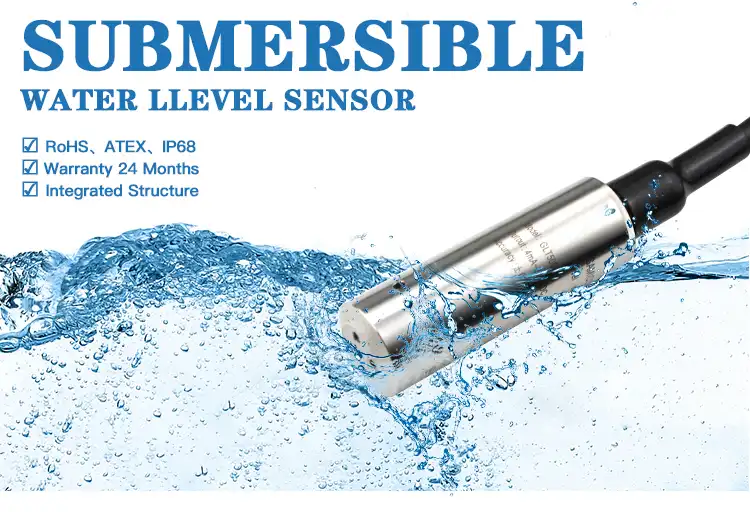
While Indian companies are getting better, the accuracy of their submersible level transmitters is still only ±0.25% to ±0.5% on average. When compared to Chinese goods, long-term stability can also be less stable.
Environmental Resistance
Top Chinese makers make submersible level transmitters that work very well in harsh environments. A lot of them have IP68 ingress protection and can handle high pressures, harsh temperatures, and media that eats away at metal.
Even though some Indian-made transmitters work well, the general resistance to the environment is usually lower. This can make submersible level transmitters less reliable in tough industrial settings where they have to work in harsh circumstances.
Longevity and Maintenance
Chinese submersible level transmitters usually last a very long time and don't need much upkeep. A lot of them are qualified to work nonstop for 10 years or more. End users will save money on the total cost of ownership.
Some devices made in India may not last as long and need to be serviced or replaced more often. However, this changes a lot from one manufacturer to the next. For example, some high-end Indian brands make products that are strong and last a long time.
Conclusion
When looking at submersible level transmitters from China and India side by side, Chinese makers tend to be better in terms of quality, performance, and advanced technology. But the gap is getting smaller because Indian businesses are spending money to get better.
Finally, quality can change a lot between different manufacturers in both countries. When choosing submersible level transmitters for important tasks, it's important to carefully look at each product instead of just looking at the country where it was made. When deciding what to buy, you should look at things like the accuracy specs, the quality of the materials, any certificates, and the product's track record of performance.
Why Choose GAMICOS for High-Quality Submersible Level Transmitters - GAMICOS
GAMICOS is a well-known company that makes high-quality submersible level transmitters that work exceptionally well. Our cutting-edge research and development (R&D) and state-of-the-art production facilities make sure that our products are accurate and reliable in a wide range of industry settings. We focus on the needs of our customers and offer custom solutions and full help. Select GAMICOS for cutting edge, long-lasting, and accurate submersible level transmitters that meet the strictest needs. Get in touch with us at info@gamicos.com to find out how our knowledge can help you improve the way you measure levels.
References
1. Kumar, A., & Singh, R. (2021). Comparative Analysis of Industrial Sensor Manufacturing in China and India. Journal of Global Manufacturing Studies, 15(3), 78-92.
2. Zhang, L., et al. (2020). Advancements in Submersible Level Transmitter Technology: A Review. Sensors and Actuators A: Physical, 305, 111941.
3. Patel, S. (2022). Quality Control Practices in Sensor Manufacturing: China vs. India. International Journal of Quality & Reliability Management, 39(4), 889-906.
4. Wang, H., & Li, J. (2019). Performance Evaluation of Chinese and Indian-made Industrial Sensors in Harsh Environments. Measurement Science and Technology, 30(8), 085005.
5. Mehta, R. (2023). Technological Innovation in the Indian Sensor Industry: Challenges and Opportunities. Technology in Society, 72, 101880.

Halen
With over 12 years of experience in fluid sensing technology, Halen specializes in helping clients select and optimize oil level sensors for a wide range of industries—including automotive, marine, heavy machinery, and energy.
We're here to help — submit your request anytime!
Let us know how we can help solve your pressure level measurement challenge.
_1757930850792.jpg)
Recommended Blog
What output signals do submersible level sensors typically provide?
What output signals do submersible level sensors typically provide?
What output signals do submersible level sensors typically provide?


How to Choose a Well Level Sensor for Deep-Bore Applications?
How to Choose a Well Level Sensor for Deep-Bore Applications?