Submersible Pressure Sensors vs. Level Sensors: Sourcing from China
Understanding Submersible Pressure Sensors and Level Sensors
When sourcing liquid level measurement solutions from China, buyers face a choice between submersible pressure sensors and traditional level sensors. Submersible pressure sensors offer key advantages for challenging industrial environments, including higher accuracy, durability in harsh conditions, and versatility for various liquids. However, level sensors may be preferable for simpler applications. This guide explores the key differences to help you make an informed sourcing decision from Chinese manufacturers.
Understanding Submersible Pressure Sensors and Level Sensors
What is a Submersible Pressure Sensor?
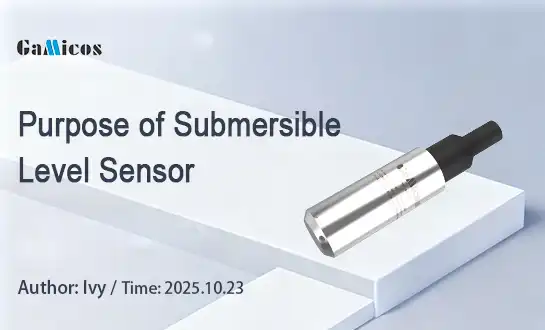
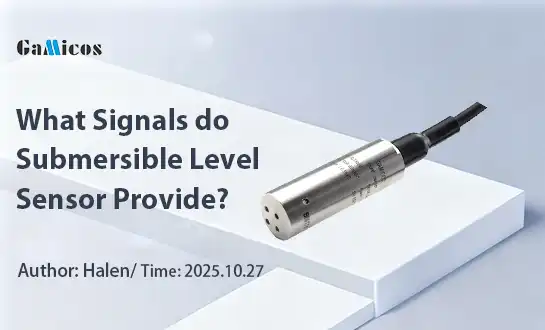
A submersible pressure sensor is a specialized device designed to measure liquid level by detecting hydrostatic pressure when submerged. These sensors contain a pressure-sensitive element, typically a ceramic or stainless steel diaphragm, enclosed in a waterproof housing. As liquid depth increases, so does the pressure on the sensor, allowing for precise level measurement.

Submersible pressure sensors excel in challenging industrial environments where accuracy and durability are paramount. Their robust construction makes them ideal for applications involving corrosive liquids, high temperatures, or turbulent conditions. Many industries rely on submersible pressure sensors, including wastewater treatment, oil and gas, chemical processing, and environmental monitoring.
Overview of Traditional Level Sensors
Traditional level sensors encompass a variety of technologies for measuring liquid levels without submersion. Common types include:
- Ultrasonic sensors: Emit sound waves to measure distance to liquid surface
- Capacitance sensors: Detect changes in electrical capacitance as liquid level varies
- Float switches: Use buoyant mechanisms to trigger at specific levels
- Optical sensors: Employ light reflection to detect liquid presence
These sensors offer simplicity and cost-effectiveness for many applications. However, they may struggle with accuracy in turbulent conditions or when measuring viscous or foamy liquids. Level sensors are often favored in industries like food and beverage, pharmaceuticals, and water storage tanks.
Key Differences Between Submersible Pressure Sensors and Level Sensors
Understanding the distinctions between these technologies is crucial for making informed sourcing decisions:
1. Measurement principle: Pressure vs. direct level detection
2. Installation: Submerged vs. typically above liquid
3. Accuracy: Generally higher for submersible pressure sensors
4. Durability: Submersible sensors often more robust in harsh environments
5. Versatility: Pressure sensors handle a wider range of liquids and conditions
6. Cost: Level sensors may be more economical for simple applications
Choosing between these options depends on your specific application requirements, budget constraints, and long-term reliability needs.
Advantages of Sourcing Submersible Pressure Sensors from China
Cost-Effective Quality from Chinese Manufacturers
Chinese manufacturers have made significant strides in producing high-quality submersible pressure sensors at competitive prices. This combination of affordability and reliability makes sourcing from China an attractive option for many buyers. Key factors contributing to this cost-effectiveness include:
- Advanced manufacturing infrastructure
- Lower labor costs
- Economies of scale in production
- Investments in research and development
- Streamlined supply chains
While price should not be the sole consideration, Chinese-made submersible pressure sensors often offer excellent value for money without compromising on essential performance metrics.
Technological Advancements in Chinese Sensor Production
China's sensor industry has experienced rapid technological growth in recent years. Many Chinese manufacturers now produce submersible pressure sensors that rival or exceed the capabilities of their Western counterparts. Notable advancements include:
- Improved ceramic and stainless steel diaphragm materials
- Enhanced signal processing and temperature compensation
- Integration of IoT and wireless connectivity features
- Development of specialized sensors for niche applications
- Adoption of advanced calibration and testing procedures
These innovations have positioned Chinese suppliers as serious contenders in the global submersible pressure sensor market, offering buyers access to cutting-edge technology at competitive prices.
Customization Options and Flexibility from Chinese Suppliers
One significant advantage of sourcing submersible pressure sensors from China is the flexibility offered by many manufacturers. Chinese suppliers are often willing to accommodate customization requests, allowing buyers to tailor sensors to their specific needs. This flexibility can include:
- Modifications to sensor housing materials for increased corrosion resistance
- Custom pressure ranges and output signals
- Integration of specialized connectors or cabling
- Adaptation of sensors for extreme temperature or pressure conditions
- Development of application-specific packaging or mounting options
This willingness to customize can be particularly valuable for buyers with unique or challenging measurement requirements. By working closely with Chinese manufacturers, companies can often source submersible pressure sensors that precisely meet their application needs.
Considerations When Sourcing from China
Ensuring Reliability of Chinese-Made Submersible Pressure Sensors
While many Chinese manufacturers produce high-quality submersible pressure sensors, buyers must exercise due diligence to ensure reliability. Key considerations include:
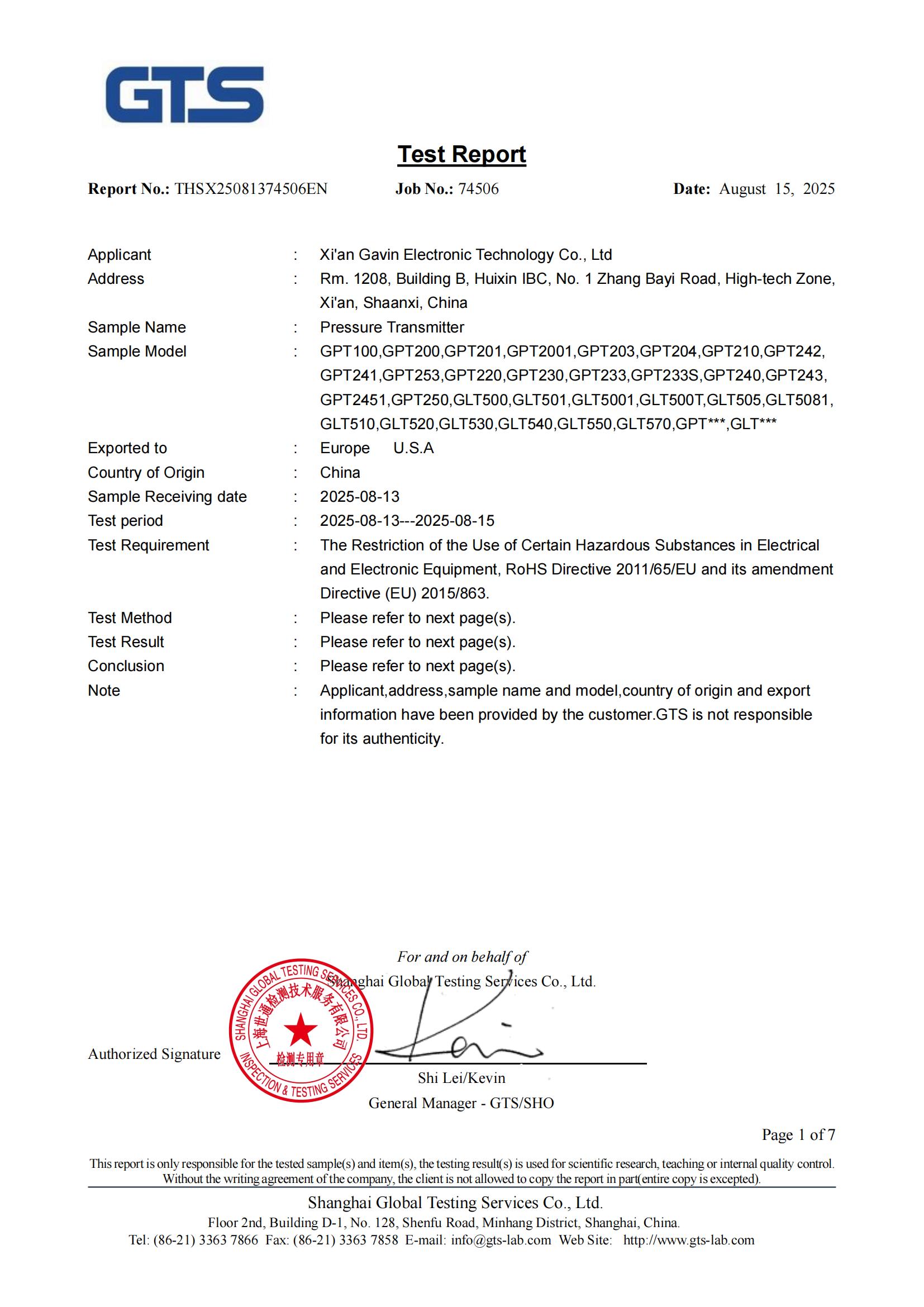
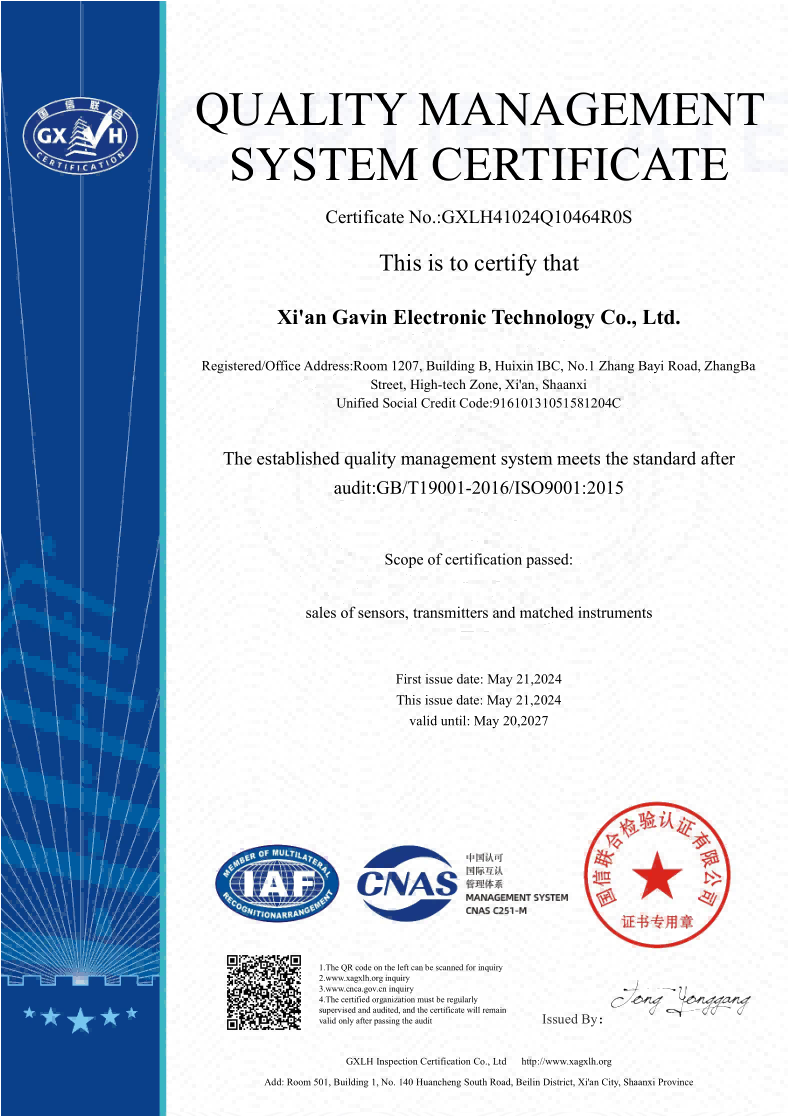
1. Certifications: Look for ISO 9001 quality management and relevant industry-specific certifications.

2. Testing procedures: Inquire about calibration methods and quality control processes.
3. Material specifications: Verify the use of high-grade materials for sensor components.
4. Performance guarantees: Seek clear warranties and after-sales support commitments.
5. Customer references: Request case studies or testimonials from previous clients.
By thoroughly vetting potential suppliers, buyers can mitigate risks and source dependable submersible pressure sensors from China.
Intellectual Property Protection and Compliance Considerations
When sourcing submersible pressure sensors from China, protecting intellectual property and ensuring regulatory compliance are important considerations:
1. Non-disclosure agreements: Have suppliers sign NDAs before sharing sensitive designs or specifications.
2. Patent research: Verify that sourced sensors do not infringe on existing patents.
3. Trademark protection: Register your trademarks in China if planning long-term partnerships.
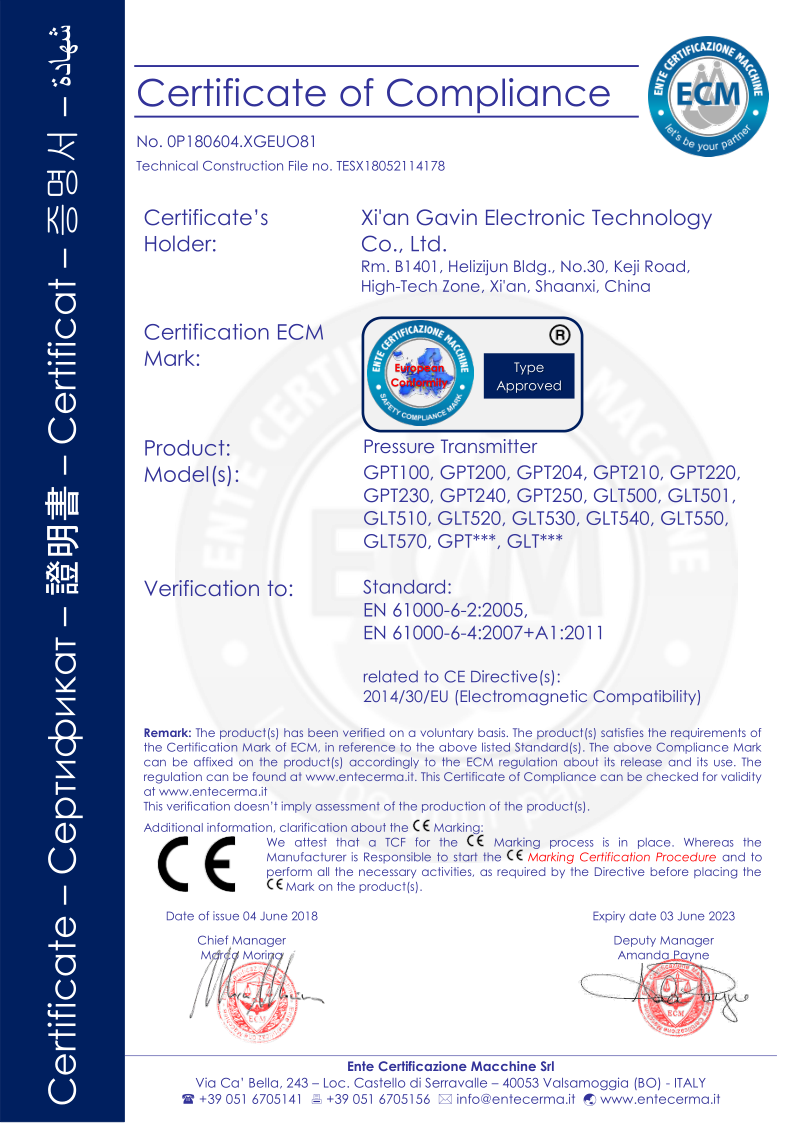
4. Regulatory standards: Ensure sensors meet applicable standards for your target markets (e.g., CE marking for Europe).
5. Import regulations: Familiarize yourself with customs procedures and any restrictions on sensor imports.
By addressing these issues proactively, buyers can minimize risks and establish sustainable sourcing relationships with Chinese submersible pressure sensor manufacturers.
Conclusion
Sourcing submersible pressure sensors from China offers compelling advantages in terms of cost-effectiveness, technological capabilities, and customization options. While traditional level sensors may suffice for simpler applications, submersible pressure sensors excel in challenging industrial environments where accuracy and durability are critical.
To make the most of Chinese sourcing opportunities, buyers should carefully evaluate supplier qualifications, communicate clearly, and address potential challenges proactively. By doing so, companies can access high-quality submersible pressure sensors that meet their specific needs while benefiting from the competitive pricing offered by Chinese manufacturers.
Expert Submersible Pressure Sensor Solutions - GAMICOS
GAMICOS stands out as a leading manufacturer of submersible pressure sensors, offering cutting-edge solutions for diverse industrial applications. Our GLT570 corrosion-resistant model features a ceramic core and PTFE housing, ensuring unparalleled accuracy and durability in harsh environments. With extensive R&D capabilities, customization options, and a global presence in over 98 countries, GAMICOS delivers tailored measurement solutions across industries. Our commitment to innovation, quality assurance, and comprehensive support makes us your ideal partner for sourcing reliable submersible pressure sensors. Contact us at info@gamicos.com to explore how our expertise can elevate your liquid level measurement capabilities.
References
1. Zhang, L., & Wang, Y. (2020). Advances in Submersible Pressure Sensor Technology for Industrial Applications. Journal of Sensor Technology, 15(3), 78-92.
2. Chen, H., et al. (2019). Comparative Analysis of Level Measurement Technologies in Process Industries. Instrumentation Science & Technology, 47(2), 201-215.
3. Liu, X. (2021). The Rise of Chinese Sensor Manufacturers: A Global Market Perspective. International Journal of Industrial Electronics and Electrical Engineering, 9(4), 56-70.
4. Smith, J., & Johnson, R. (2018). Sourcing Strategies for High-Performance Sensors: Opportunities and Challenges in the Chinese Market. Supply Chain Management: An International Journal, 23(5), 412-426.
5. Wu, F., et al. (2022). Innovation Trends in Submersible Pressure Sensor Design for Corrosive Environments. Sensors and Actuators A: Physical, 330, 112840.

Peter
Peter, Senior Sensor Technology Consultant, has 15-year industrial sensor R&D experience. He specializes in the end-to-end development of high-accuracy pressure and level sensors and he firmly believe, precision isn’t just a spec—it’s a promise.
We're here to help — submit your request anytime!
Let us know how we can help solve your pressure level measurement challenge.
_1757930850792.jpg)
Recommended Blog