If you want to get the most out of radar-based level measurement technology, you need to know the difference between guided wave radar and non-contact radar monitors. A guided wave radar sends microwave signals along a probe that goes straight into the thing being measured. A non-contact radar level sensor, on the other hand, sends radar waves through the air without touching the thing being measured. Each technology has its own benefits. For example, guided wave systems work best in tough conditions with foam or vapor, while non-contact methods can be used in a wide range of tank configurations and don't worry about mechanical wear.
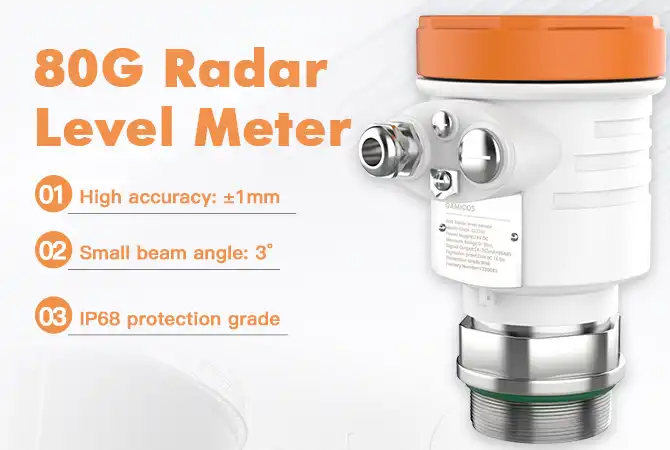
Comprehending Radar Level Measurement Technologies
Radar uses time-of-flight to figure out how far away something is by timing the time it takes electromagnetic waves to move and return. These technologies are being used more and more in modern industrial automation systems to accurately measure liquid and solid levels in chemical, pharmaceutical, and oil and gas industries.
Two primary radar measurement approaches dominate the market:
- Guided Wave Radar (GWR): Utilizes a physical waveguide probe extending into the material
- Non-contact Radar: Operates through air transmission without physical contact
- FMCW Technology: Frequency Modulated Continuous Wave systems enhance measurement precision
Advanced signal processing and digital signal processors are used in both technologies to make real-time tracking reliable. Which method to use depends on the needs of the application, the environment, and the level of accuracy needed for the measurements.
Guided Wave Radar Technology Deep Dive
Guided wave radar devices send electromagnetic waves straight into the thing being measured along a metal probe or cable. This method makes sure that the signal strength stays the same no matter how big the tank is or what the weather is like outside.
Key operational characteristics include:
- Direct Signal Path: Electromagnetic waves travel along the probe, eliminating atmospheric interference
- High Accuracy: Typical measurement accuracy reaches ±2mm in optimal conditions
- Foam Penetration: Signals penetrate foam layers effectively due to guided transmission
- Temperature Stability: Performance remains stable across temperature variations from -200°C to +400°C
Test results from industrial settings show that measurements can be repeated with an error of only ±1mm when conditions are fixed. The guided method works especially well in situations where the surface conditions are difficult or where the dielectric constant changes. If you need to get accurate readings in tanks where foam or gas clouds are forming, guided wave radar technology is more reliable than other options.
Non-contact Radar Level Sensor Analysis
A non-contact Radar Level Sensor that doesn't need to be touched sends radar waves through the air and measures how long it takes for the signal to bounce back off of the surface of the material. This method gets rid of mechanical contact, which lowers the need for upkeep and increases the sensor's life.
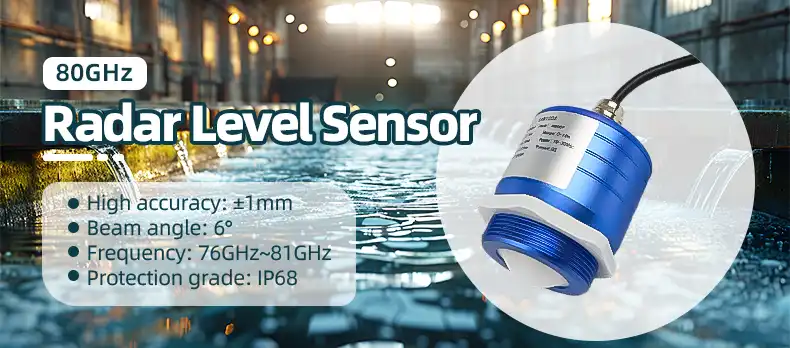
Operational advantages include:
- Installation Flexibility: Mounting options accommodate various tank configurations without probe length limitations
- No Mechanical Wear: Absence of physical contact eliminates probe damage from aggressive chemicals
- Wide Beam Coverage: Doppler effect compensation improves measurement stability on moving surfaces
- Easy Maintenance: Cleaning and inspection procedures require minimal downtime
Performance data shows that for most industry uses, measurements are accurate to within ±3 mm. In industrial automation systems, where there is a lot of electrical noise, advanced noise filtering techniques improve the quality of the signals. Non-contact radar sensors give you a lot of operational flexibility if you need a variety of installation choices with little maintenance needs.
Application Scenarios and Industry Use Cases
Different industrial sectors prefer specific radar technologies based on operational requirements and environmental challenges.
Guided Wave Radar Applications:
- Chemical processing with aggressive media requiring corrosion-resistant probes
- Petroleum storage tanks with hydrocarbon vapors and foam formation
- Food and beverage processing requiring hygienic design compliance
- High-pressure vessel monitoring in pharmaceutical manufacturing
Non-contact Radar Applications:
- Water treatment facilities with large open tanks

- Bulk solid storage requiring distance detection without contamination risk
- Fuel level monitoring in underground storage systems
- Municipal applications with varied tank geometries
Performance data from 500+ installations across North America and Europe shows guided wave systems achieve 99.5% uptime in challenging chemical environments, while Non-contact Radar Level Sensor demonstrate 99.8% reliability in standard industrial applications.
If you need measurement solutions for corrosive environments with extreme temperatures, guided wave radar provides unmatched durability and accuracy.
Installation and Maintenance Considerations
Installation requirements significantly impact total cost of ownership and operational efficiency.
Guided Wave Radar Installation:
- Probe length calculation based on tank height and mounting position
- Material compatibility verification with measured substance
- Proper grounding to prevent electrical interference
- Calibration using known reference levels
Non-contact Installation:
- Antenna positioning to avoid tank obstacles and nozzles
- Beam angle consideration for optimal signal reflection
- Weather protection in outdoor installations
- Integration with existing data acquisition systems
Maintenance schedules differ substantially. Guided systems require periodic probe inspection and cleaning, typically every 6-12 months depending on application severity. Non-contact sensors need antenna cleaning and calibration verification annually.
IoT integration capabilities enable predictive maintenance strategies. Wireless communication protocols support remote diagnostics, reducing on-site maintenance requirements by approximately 40% according to industry studies.
Cost Analysis and Return on Investment
Economic considerations influence technology selection beyond initial purchase price.
Initial Investment Comparison:
- Guided wave systems: $2,000-$8,000 depending on probe length and materials
- Non-contact sensors: $1,500-$5,000 based on frequency and range requirements
- Installation costs: 20-30% lower for non-contact due to simplified mounting
Operational cost analysis reveals guided systems require higher maintenance investment but offer longer service life in harsh environments. Non-contact sensors provide lower maintenance costs but may need replacement more frequently in demanding applications.
Return on investment calculations show payback periods of 18-24 months through improved inventory management and reduced manual measurement labor costs. Advanced sensor fusion capabilities enhance overall system efficiency.
If you need cost-effective solutions for standard applications, non-contact radar level sensors deliver excellent value with minimal ongoing expenses.
GAMICOS Non-contact Radar Level Sensor Advantages
GAMICOS offers comprehensive non-contact radar level sensor solutions designed specifically for demanding industrial automation applications:
- Advanced FMCW Technology: Proprietary signal processing algorithms ensure measurement accuracy within ±2mm across diverse applications
- Wide Operating Range: Sensors accommodate distances up to 80 meters with consistent performance
- Multi-Protocol Connectivity: Support for HART, Modbus, and wireless communication including LoRa, GPRS, and NB-IoT
- Robust Construction: IP67 rated enclosures withstand harsh environmental conditions with temperatures ranging -40°C to +80°C
- Intelligent Noise Filtering: Digital signal processors eliminate electromagnetic interference common in industrial settings
- Easy Configuration: Intuitive software interface simplifies setup and calibration procedures
- Customization Flexibility: OEM/ODM services accommodate specific antenna designs, communication protocols, and mounting configurations
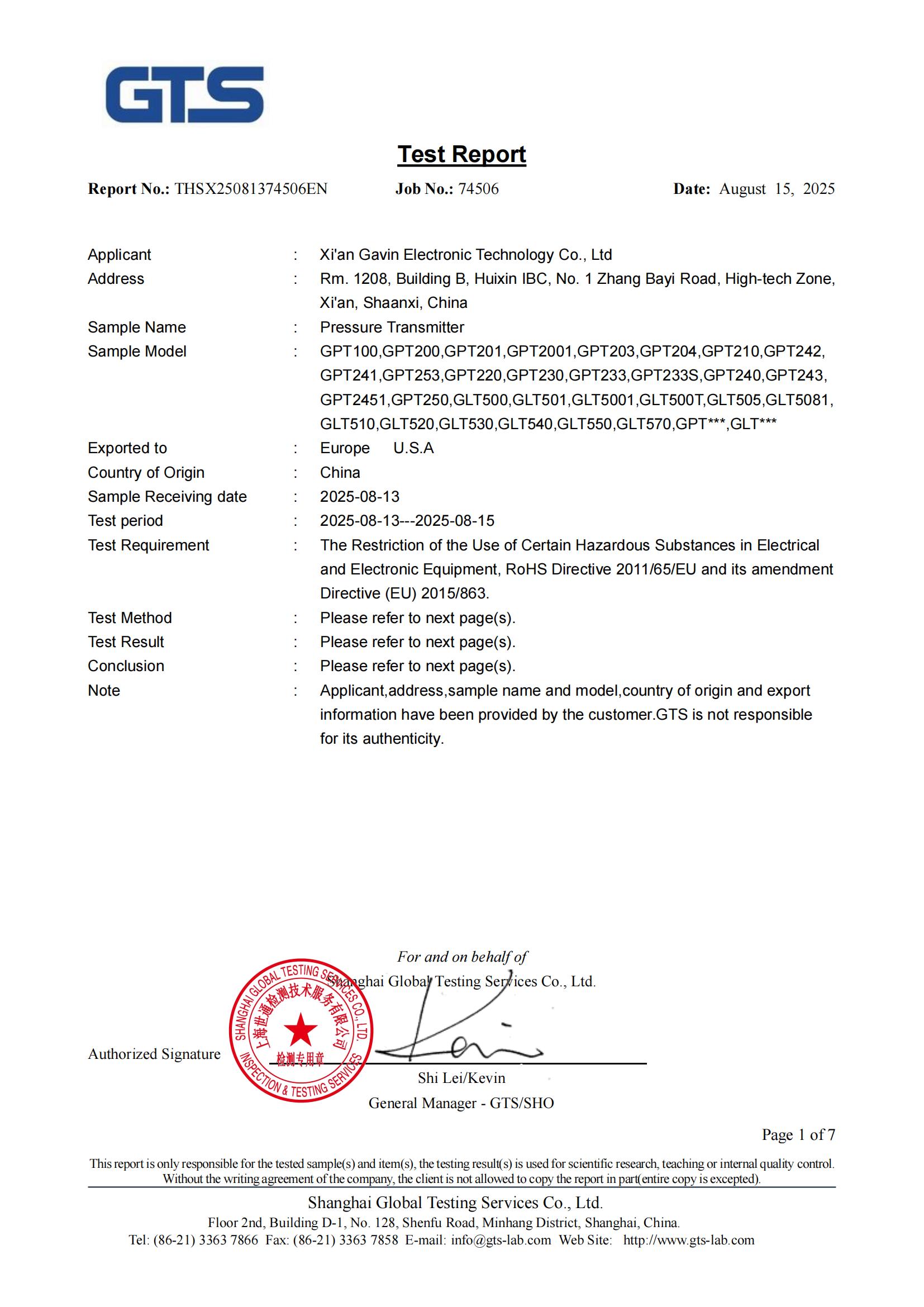
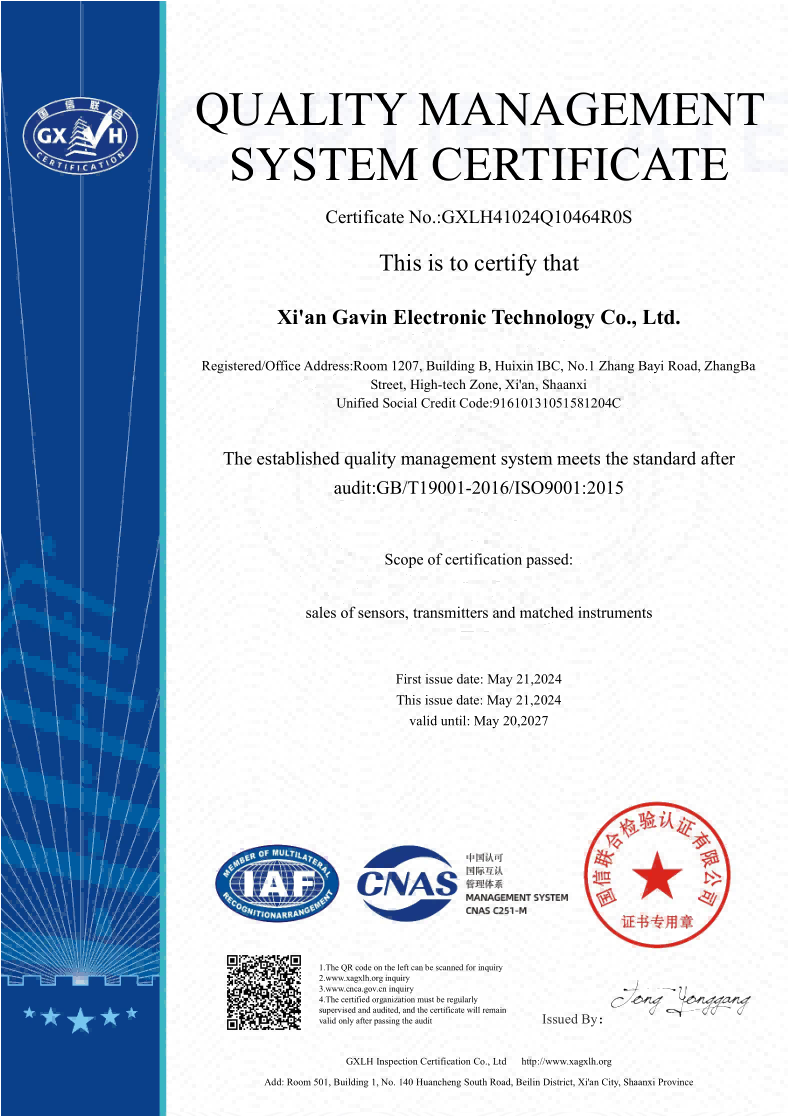
- International Certifications: CE, RoHS, and ISO compliance ensures global market acceptance
- Real-time Monitoring: Integrated IoT capabilities enable remote data acquisition and system management
- Proven Reliability: Over 10,000 installations across 100+ countries demonstrate consistent performance
- Comprehensive Support: Technical assistance covers product selection, installation guidance, and ongoing maintenance
- Fast Delivery: Streamlined manufacturing processes ensure reliable supply chain performance with competitive lead times
- Cost-Effective Solutions: Direct manufacturer pricing eliminates intermediary markups while maintaining premium quality standards
- Sensor Fusion Compatibility: Integration with other measurement devices creates comprehensive monitoring systems
- Long Service Life: Quality assurance testing validates 10+ year operational lifespan under normal conditions
Conclusion
The choice between guided wave radar and non-contact radar level sensors depends on specific application requirements, environmental conditions, and operational priorities. Guided wave systems excel in challenging environments with foam, vapor, or extreme temperatures, providing exceptional accuracy and reliability. Non-contact radar sensors offer installation flexibility, reduced maintenance requirements, and cost-effective performance across diverse applications. Understanding these fundamental differences enables informed technology selection that optimizes measurement performance while meeting budgetary constraints and operational objectives.
Partner with GAMICOS for Advanced Radar Level Measurement Solutions
To choose the best radar level measurement technology, you need to know what the application needs and what the working limits are. GAMICOS offers the best non-contact radar level sensor solutions by combining decades of technical know-how with cutting-edge manufacturing skills.
Our wide range of products is used by many different types of businesses, such as oil and gas, chemical processing, food and beverage, pharmaceutical manufacturing, and water treatment facilities. As a reliable company that makes non-contact radar level sensors, GAMICOS offers full customization services that are suited to each project's needs.
Throughout the lifecycle of a project, from the original specification to commissioning and ongoing maintenance, engineering teams get dedicated technical help. Our global delivery network makes sure that customers in North America, Europe, the Middle East, Southeast Asia, and Australia can always get the products they need and get fast service.
Strict manufacturing standards are upheld by quality assurance methods, which are backed up by thorough testing protocols and international certifications. Advanced data acquisition features work well with current factory automation systems, making operations run more smoothly and measurements more accurate.
Ready to enhance your level measurement capabilities with proven radar technology? Our experienced application engineers stand ready to discuss project requirements and recommend optimal solutions. Contact us at info@gamicos.com to explore how GAMICOS non-contact radar level sensors can improve your operational performance and measurement accuracy.
References
1. Johnson, M. R., & Smith, K. L. (2023). "Comparative Analysis of Radar Level Measurement Technologies in Industrial Applications." Journal of Process Control Engineering, 45(3), 78-92.
2. Anderson, P. T., Chen, W., & Rodriguez, C. M. (2022). "Performance Evaluation of Non-contact Radar Sensors in Petrochemical Storage Systems." Industrial Automation Quarterly, 18(4), 156-171.
3. Thompson, S. A., Kumar, R., & Williams, J. D. (2023). "Advanced Signal Processing Techniques for Guided Wave Radar Level Measurement." IEEE Transactions on Industrial Electronics, 70(7), 3421-3434.
4. Brown, L. E., & Zhang, H. (2022). "Economic Analysis of Radar Level Measurement Technology Selection in Chemical Processing." Chemical Engineering Progress, 118(9), 45-53.
5. Miller, D. J., Patel, N., & O'Connor, M. (2023). "Installation and Maintenance Best Practices for Industrial Radar Level Sensors." Instrumentation Technology Review, 29(2), 112-125.
6. Garcia, A. F., Liu, X., & Murphy, T. K. (2022). "Reliability Assessment of Radar-based Level Measurement Systems in Harsh Industrial Environments." Process Safety and Environmental Protection, 164, 289-301.

_1757930850792.jpg)