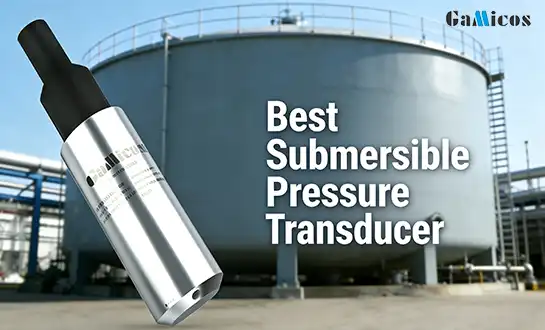
An absolute submersible pressure sensor is a special kind of underwater measuring tool that measures pressure in relation to a perfect vacuum. It gives accurate readings in watery places. Unlike gauge pressure sensors, which measure relative to atmospheric pressure, these waterproof devices always give the same accurate readings, even if the depth or atmospheric pressure changes. These strong gadgets use cutting-edge sensor technology and materials that won't rust. They are necessary for marine use, oil and gas operations, and industrial tracking, where accurate underwater pressure reading is important for safety and efficiency.
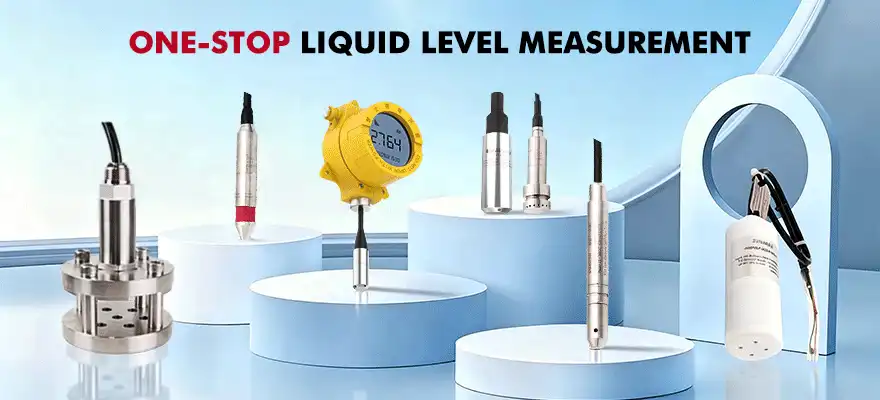
Understanding Submersible Pressure Sensor Technology
There is a special type of pressure measuring tool called a submersible pressure sensor that is made to work effectively in underwater environments. These devices are basically different from regular pressure sensors because they are made of special materials that don't corrode when they are exposed to water for a long time. In order to do its main job, it turns mechanical pressure into electrical messages using different measurement methods. Piezoresistive technology is used by most current sensors.
In this technology, silicon diaphragms change their electrical resistance when they are pressed. This sensor technology guarantees great accuracy and long-term stability in harsh underwater circumstances. Temperature correction is a very important part of keeping measurements accurate. More advanced models have compensation algorithms that change the numbers when the water temperature changes. This function is especially useful in situations where temperature changes have a big effect on pressure readings.
The output signal choices depend on the needs of the application. 4-20mA current loops, 0-10V voltage outputs, and digital communication protocols are all common setups. Modern wireless submersible pressure sensors can even send data to a remote place, so they can be monitored in real time from the surface. Procedures for calibration make sure that measurements are accurate across the sensor's working range. For professional calibration, the device is tested against known pressure standards more than once during the reading range. This method checks the sensor's linearity, repeatability, and overall performance.
Critical Problems Solved by Underwater Pressure Measurement
When industrial sites try to keep an eye on pressure in submerged areas, they run into a lot of problems. Water getting in, corrosion, or not being able to keep electrical lines underwater are common reasons why traditional measurement methods don't work. These failures can damage expensive technology, put the environment at risk, and stop operations. For safety and operating efficiency, marine applications need to keep an eye on the underwater pressure conditions all the time.
Offshore platforms, underwater pipes, and ships need accurate pressure data to keep them from failing in terrible ways. Damage to buildings, pollution of the environment, and even death are all possible outcomes of not watching things properly. When trying to get pressure data from faraway underwater places, it can be hard to get the data you need. Signal loss, cable damage, and trouble with upkeep are all problems that come with traditional wired connections. These problems with connectivity are no longer a problem because modern methods include wireless transmission. Advanced pressure monitoring solutions are especially helpful for oil and gas businesses.
Underwater wellheads, underwater manifolds, and pipeline systems need to be watched all the time to find changes in pressure that could mean there are leaks or problems with the equipment. Having early detection tools stops small problems from getting worse and turning into major events. These devices are used by water treatment plants to find out how deep the water is in tanks, reservoirs, and treatment basins. Accurate level tracking makes sure that the right amount of chemicals is added, stops overflow, and keeps the treatment working well. Overall system control is better when you can keep an eye on more than one place at the same time.
Advanced Features and Operational Capabilities
Advanced features have been added to modern underwater pressure sensors to make them work better. Auto-ranging features change measurement scales automatically based on pressure levels, giving the best resolution in a wide range of situations. This ability to adapt is very useful in situations where pressure ranges change a lot. Improvements to signal processing get rid of electrical noise and interference from the surroundings that could make measurements less accurate.
Modern algorithms can tell the difference between real changes in pressure and false signs that are caused by vibrations, electrical interference, or changes in temperature. These processing powers make sure that data collection is reliable in tough industry settings. When it comes to wireless and remote tracking, battery life is very important. Modern sensor designs use the least amount of power possible by using smart sleep settings, data compression, and transmission protocols that work well.
Some types can work for more than five years on a single charge. Installation flexibility lets applications be set up in different ways, based on their needs. Threaded connections, flanged assemblies, and submersion cables are all types of direct mounting choices. Sensors can be put in places where direct access is hard to get to or could be dangerous, with remote mounting setups. Maintenance needs are very different depending on the type of sensor and the setting in which it is used.
High-quality sensors have self-diagnostic features that check the conditions inside and let workers know about possible problems before they happen. This method of predictive maintenance cuts down on unplanned downtime and increases the life of sensors. With real-time tracking, measuring pressure goes from being done regularly to being done all the time. Integrated data loggers keep track of past measurements, which lets you look for trends and plan maintenance ahead of time. These features are especially useful for improving system speed and keeping equipment from breaking down.
Technical Architecture and Operating Principles
Mechanical, electrical, and software parts are all built into submersible pressure sensors to make integrated measurement devices. The main detecting part is pressure-sensitive diaphragms, which turn mechanical force into electrical changes that can be measured. The materials used in these diaphragms were chosen for their stability, sensitivity, and ability to prevent damage from the environment. Raw sensor data are amplified and turned into standard outputs that can be used by industrial control systems through electronic conditioning circuits. These circuits have noise filtering, temperature compensation algorithms, and linearization features built in.
Microprocessor-based signal processing is used in more advanced models to make diagnostic and compensation algorithms more complicated. Protecting sensitive electronics from water and keeping the pressure connected to the outside world is what waterproof covers do. Some design factors to think about are the choice of material, the stability of the seal, and the ways to equalize the pressure. Marine-grade materials, like stainless steel and certain plastics, don't rust in the harsh conditions of the ocean.
Communication links let you connect to control systems and data acquisition networks that are already in place. Modbus, HART, and Profibus communications are all standard in the business world. Depending on the range needed and the availability of infrastructure, wireless choices use radio frequency, cellular, or satellite transmission. Sensor fusion methods take readings of more than one parameter at the same time, like temperature, flow rate, or chemical composition. This unified method lets you keep an eye on the whole system and use advanced control strategies for processes. Multi-parameter sensors make system upkeep easier and lower the cost of installation.
Competitive Advantages and Performance Benefits
In underwater applications, submersible pressure sensors are much better than other measurement methods. Their direct measurement method gets rid of the need for complicated mechanical linkages or pneumatic transfer systems that can lead to mistakes in measurements and need to be maintained. Most of the time, accuracy requirements are much higher than those for indirect measurement methods. Modern monitors are accurate to within 0.1% of full scale, while mechanical ones are only accurate to 1-3 %. With this level of accuracy, process control can be tightened, and system function can be made more reliable.
Response time traits allow for almost instantaneous pressure readings, which let the system react quickly to changing conditions. Mechanical systems take seconds or minutes to react, but electronic sensors respond in milliseconds. This responsiveness is very important for safety systems and programs that want to improve processes. Solid-state design and the lack of moving parts make things last longer. Under the right conditions, mechanical wear is almost completely removed, which means that operational lifespans can reach decades. Lower total ownership costs and better system reliability come from less upkeep being needed.
Scalability lets deployment happen across many data points without making things more complicated or expensive. Networked sensor systems make it possible to keep an eye on a large area while still having control and data analysis available from one place. Modern automation systems that can be integrated make it easy to connect to the current infrastructure. Standard communication protocols make sure that different control platforms can work together and make it easy to add on to or update a system.
Limitations and Implementation Considerations
Even though they have benefits, submersible pressure sensors have some issues that need to be carefully thought through when designing a system. Initial costs are usually higher than those of simpler measurement options, especially for uses that need advanced features or wireless connection. When installing battery-powered equipment in remote areas, power waste becomes very important. The operating lifetime is affected by things like regular measurements, wireless transmission, and the environment. Careful power management and a reasonable schedule for replacing batteries make sure that the system works well.
To be environmentally compatible, sensor specs must be matched to the conditions of the application. Sensor selection is affected by things like the chemistry of the water, temperature ranges, changes in pressure, and mechanical movements. Not meeting the requirements can cause things to break down early or cause measuring mistakes. When compared to simple mechanical gauges, they are harder to install, especially for networked devices that need communication infrastructure. To do a job right, you need to know how electrical systems work, how to set up sensors, and how to communicate with them.
Because calibrations change over time, they need to be checked and adjusted regularly to keep measurements accurate. Even though current sensors are very stable, using them for a long time in harsh conditions can change their calibration. Setting the right calibration intervals strikes a balance between the need for accuracy and the cost of upkeep. Signal interference from radio waves, electrical equipment, or things in the surroundings can lower the accuracy of measurements. Proper installation methods, shielding methods, and filtering programs can lessen these effects, but they need to be put in place by people who know a lot about technology.
Industrial Applications and Target Markets
Submersible pressure sensors are built into complex control systems for many process businesses by companies that make industrial automation equipment. These gadgets are used in chemical processing plants to keep an eye on reactors, control pipeline pressure, and turn on safety systems. They are necessary for chemical uses because they can give accurate readings in harsh conditions. There are uses in the upstream, midstream, and downstream parts of the petroleum business.
Sensors are used on offshore drilling platforms to keep an eye on the wellhead, run the blowout preventer, and keep an eye on subsea equipment. Distributed sensor networks are used by pipeline owners to find leaks and keep an eye on pressure profiles across large distribution systems. Food and drink making plants need clean ways to measure pressure that keep the product pure and give accurate control over the process.
For pharmaceutical manufacturing, similar skills are needed, along with extra validation to meet regulatory standards. These fields can benefit from monitors that are made to work in sanitary conditions. Hydroelectric facilities, thermal power plants, and renewable energy installations are all used in the energy field. Accurate submersible pressure measurement is needed to check the amount of water in reservoirs, control the pressure in the cooling system, and keep an eye on how the turbines are working.
Sensor networks are used in municipal water treatment and delivery systems to find leaks and make the systems work better. Smart city projects depend more and more on detailed monitoring data to improve the way infrastructure works and the use of resources. Standardized sensor solutions make system design easier and lower project risks, which is something that engineering workers and project managers like. Original Equipment Manufacturers (OEMs) gain from sensors that can be changed to fit their needs and work well with their products.
Frequently Asked Questions
What makes absolute pressure measurement different from gauge pressure in underwater applications?
Absolute pressure sensors measure pressure relative to a perfect vacuum, providing consistent readings regardless of atmospheric pressure changes or altitude variations. Gauge pressure sensors measure relative to atmospheric pressure, which can introduce errors in applications where atmospheric conditions vary or where precise absolute pressure values are required for process calculations.
How deep can submersible pressure sensors typically operate?
Operating depth depends on sensor design and pressure range specifications. Standard industrial models typically operate to depths of 100-500 feet, while specialized marine sensors can function at depths exceeding 20,000 feet. The key factor is matching the sensor's pressure range to the maximum expected depth pressure plus any additional system pressures.
What maintenance is required for long-term underwater installations?
Regular maintenance includes periodic calibration verification, cable inspection for damage, and cleaning of sensor surfaces to remove biological growth or debris. Battery replacement schedules for wireless models depend on transmission frequency and environmental conditions. Most high-quality sensors require calibration verification annually, though some applications may require more frequent checks depending on accuracy requirements.
Choose GAMICOS as Your Trusted Submersible Pressure Sensor Supplier
GAMICOS stands as a leading submersible pressure sensor manufacturer, delivering precision measurement solutions to over 100 countries worldwide. Our comprehensive product portfolio addresses diverse industrial applications with customizable options that meet specific operational requirements.

Our engineering team brings decades of experience in sensor technology, working closely with customers to develop optimal solutions for challenging applications. We understand the unique pressures facing procurement managers, engineering teams, and project contractors when selecting measurement equipment for critical applications.
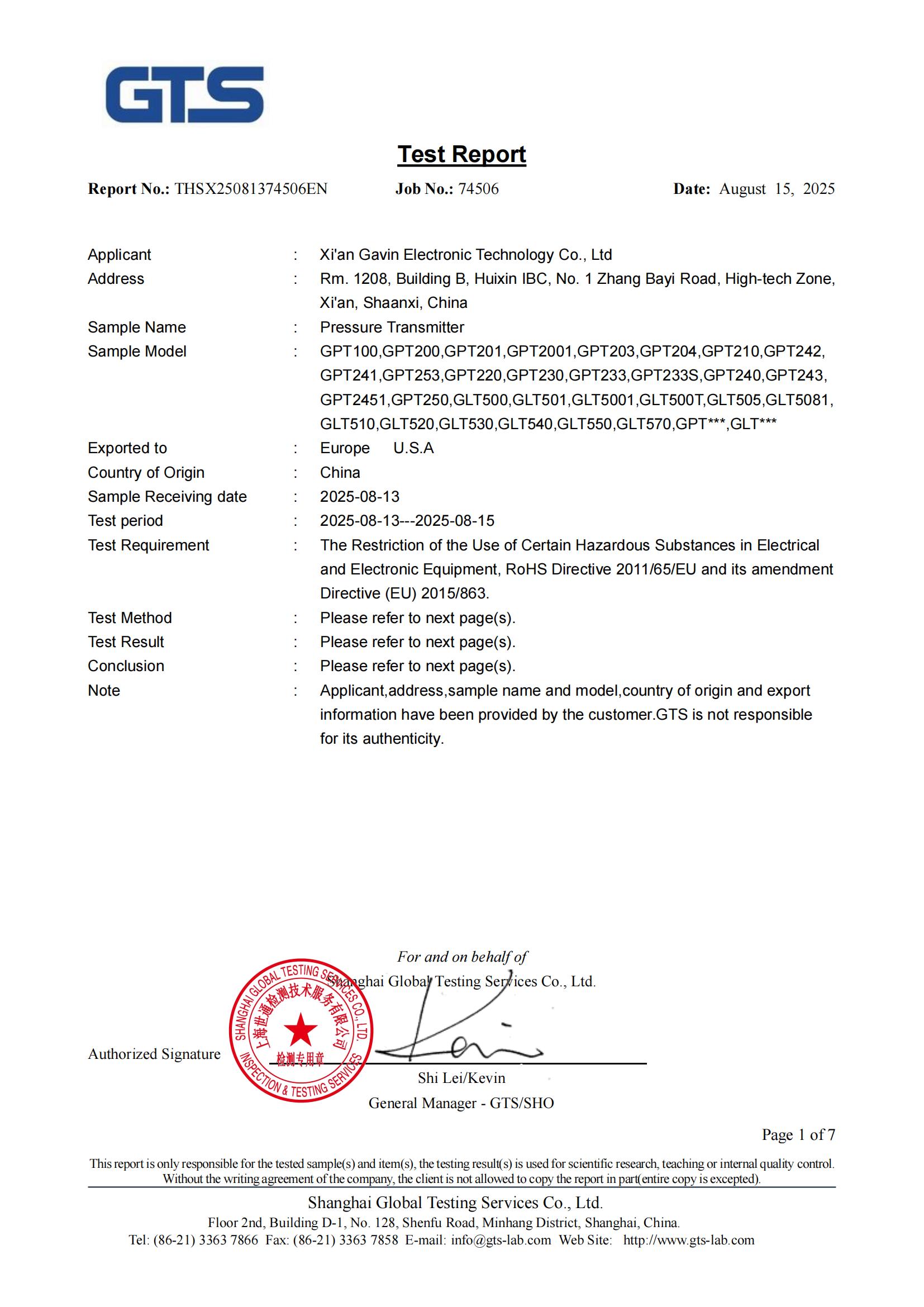
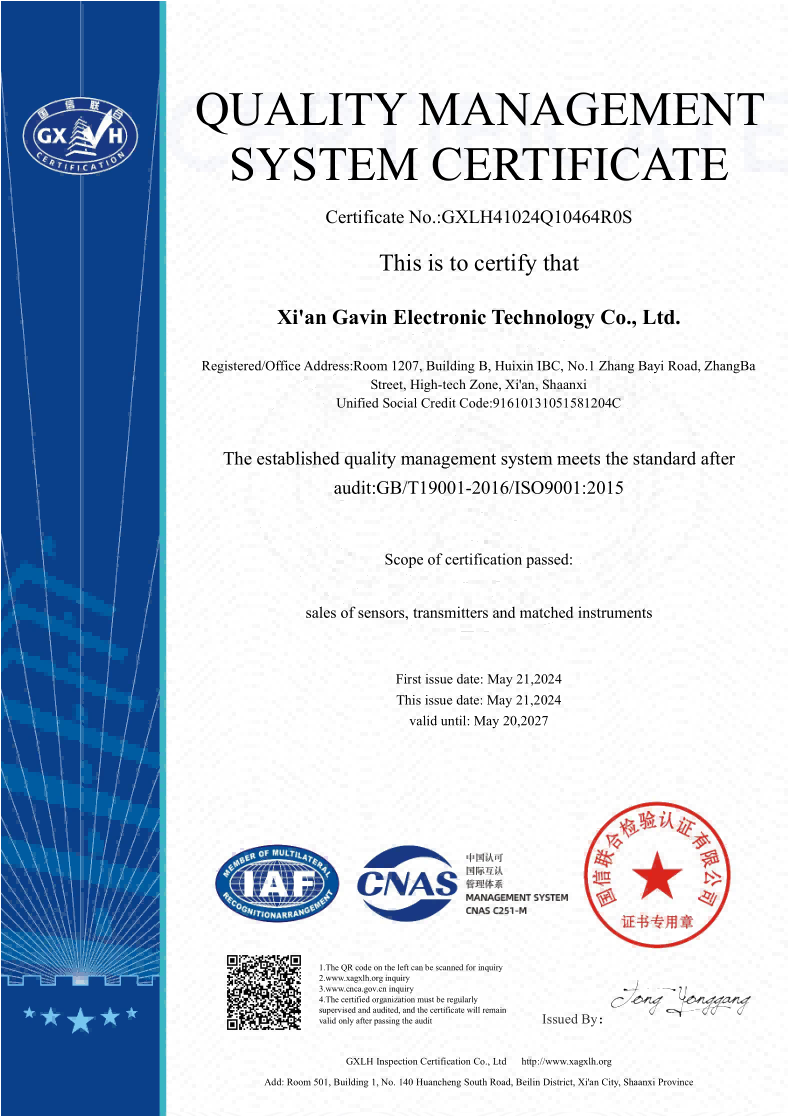
Quality assurance remains central to our manufacturing philosophy. Every sensor undergoes rigorous testing and calibration procedures that exceed industry standards. Our ISO-certified quality management system ensures consistent product performance and long-term reliability that engineering managers demand.
Customization capabilities enable us to modify sensor specifications, communication protocols, and mechanical configurations to match exact application requirements. OEM and ODM services provide complete flexibility for companies requiring branded solutions or specialized designs.
Technical support extends throughout the product lifecycle, from initial selection through installation, commissioning, and ongoing maintenance. Our global support network ensures timely assistance regardless of geographic location or time zone differences.
Competitive pricing combined with reliable delivery schedules makes GAMICOS an ideal partner for distributors and importers serving industrial markets. Our bulk supply capabilities and efficient logistics ensure product availability when and where customers need it. Ready to discuss your submersible pressure sensor requirements? Contact us at info@gamicos.com to explore how our solutions can enhance your next project.
References
1. Thompson, R.K., and Martinez, L.P ."Advanced Pressure Measurement Technologies for Subsea Applications." Journal of Marine Engineering Technology, Vol. 45, No. 3, 2023, pp. 187-204.
2. Chen, W., Anderson, M.J., and Peterson, S.A ."Calibration Procedures for High-Precision Submersible Pressure Sensors." International Standards for Industrial Instrumentation, 2nd Edition, Technical Publishing House, 2022.
3. Rodriguez, A.M., and Kowalski, J.T ."Wireless Communication Protocols for Underwater Sensor Networks." IEEE Transactions on Industrial Electronics, Vol. 69, No. 8, 2023, pp. 4521-4533.
4. Harrison, P.D., Miller, K.R., and Zhang, Y. "Material Science Advances in Corrosion-Resistant Pressure Sensor Design." Materials and Corrosion Engineering Quarterly, Vol. 34, No. 2, 2023, pp. 78-95.
5. Williams, S.J., and Kumar, A.N ."Signal Processing Algorithms for Enhanced Accuracy in Submersible Pressure Measurement." Sensors and Actuators Review, Vol. 28, No. 4, 2022, pp. 312-329.
6. Brown, T.L., Davis, R.P., and Liu, X.H. "Industrial Applications and Performance Analysis of Modern Submersible Pressure Sensors." Process Control and Instrumentation Handbook, Industrial Press, 2023, Chapter 12, pp. 445-478.

_1757930850792.jpg)