The main difference between high temperature pressure transducers and waterproof pressure sensors is the way they protect themselves. Waterproof transducers use IP-rated casings and sealed housings to keep water out, while high-temperature pressure transducers use special materials and thermal isolation designs to work in very hot or very cold environments. By knowing these differences, engineers can choose the best option for tough industrial tasks where protecting the environment is still very important.
Understanding Core Protection Technologies
Modern apps that measure pressure need strong protection from environmental problems. Threats that are unique to industrial settings can make sensors less reliable and less effective.
Three core protection differences emerge when comparing these technologies:
- Environmental barrier focus - Waterproof units prioritize moisture exclusion
- Material composition - Heat-resistant sensors utilize specialized alloys and ceramics
- Signal stability mechanisms - Temperature compensation varies significantly between designs
To measure pressure at high temperatures, you need to use complex scientific methods. Effects of thermal growth, material degradation, and signal drift are all problems that waterproof designs don't usually solve. If you need to measure something accurately in a chemical processing setting, high temperature pressure transducers are more stable over time than standard waterproof options.
Temperature Range Capabilities and Performance Data
Operating temperature ranges reveal significant performance gaps between these sensor categories. Standard waterproof pressure transducers typically operate within -40°C to +125°C ranges.
Performance testing demonstrates measurable differences in accuracy retention:
- Waterproof sensors: ±0.25% accuracy drift across standard temperature ranges
- High temperature pressure sensors: ±0.1% accuracy maintained at 300°C operating conditions
- Signal stability: High-temp variants show 50% less thermal drift over extended periods
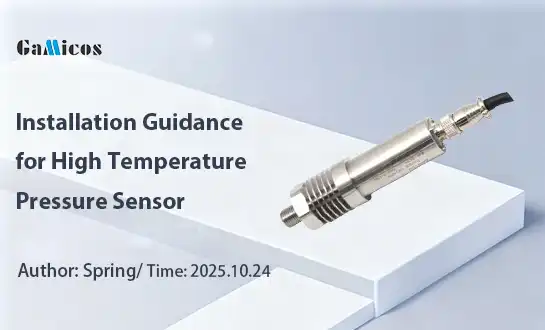
The choice of material is very important for temperature efficiency. Extreme temperature stress can't stop them from working because they have ceramic sensing elements and Inconel housings. Standard waterproof designs use sensing elements made of silicon, which break down quickly above 150°C. If you need to check the pressure in a furnace or a steam system, high-temperature pressure sensors are the only way to go because they can handle high temperatures.
Material Engineering and Construction Methods
The ways that waterproof and high temperature pressure transducer designs are put together are very different. Waterproof sensors focus on methods like O-ring protection, gasket sealing, and polymer encapsulation.
High-temperature pressure measurement demands advanced metallurgy:
- Sensing elements - Ceramic replaces silicon components
- Housing materials - Stainless steel 316L or Inconel construction withstands thermal cycling
- Connection systems - Welded assemblies eliminate gasket failure points
- Internal components - High-temperature electronics resist thermal degradation
When temperatures are very high or very low, thermal separation is very important. Specific cooling fins, thermal barriers, and remote sensing arrangements keep sensitive gadgets safe while keeping the accuracy of measurements. Signal processing systems need parts that don't change when the temperature does, so they can stay calibrated over a wide range of temperatures.
Standard waterproof designs don't have this ability to adjust for temperature changes. If you need unique sensing solutions for petrochemical uses, engineered high-temperature pressure probes are the best choice because they are made to last longer than regular waterproof sensors.
Application Environments and Industry Requirements
Industrial application environments determine sensor selection criteria. Waterproof pressure transducers excel in marine, food processing, and standard industrial automation, where moisture protection remains paramount.
High temperature pressure monitoring serves specialized industries:
- Petrochemical processing - Reactor vessels, distillation columns, catalyst systems
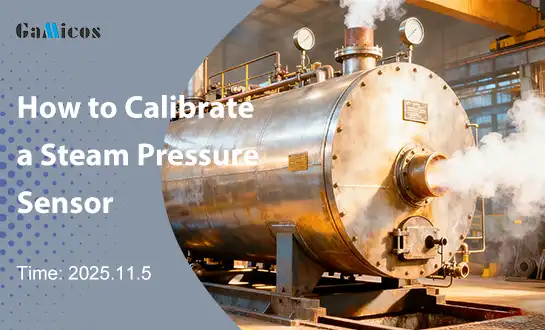
- Power generation - Steam turbines, boiler systems, exhaust monitoring
- Aerospace testing - Engine development, thermal cycling chambers
- Glass manufacturing - Furnace pressure control, molten material handling
Controlling furnace pressure and moving molten materials are important parts of making glass. Different types of applications have different certification needs. Pressure transducers used in high temperatures often need ASME, API, or other industry-specific approvals, whereas designs that are only waterproof don't need them. Different things need to be thought about when installing.
Most of the time, waterproof sensors don't need thermal wells, isolation mounting, or remote sensing setups, but high-temperature sensors may. Specialized high-temperature pressure switches give you the proof that you need to meet the standards of the pharmaceutical business, which standard waterproof switches might not.
Cost Analysis and Long-Term Value Considerations
When choosing between waterproof and high-temperature pressure transducers, investment research shows important economic factors. Standard waterproof designs are cheaper to buy at first, but specialist high-temperature solutions are often more cost-effective over the life of the product.
Cost comparison factors include:
- Initial purchase price - High-temp sensors cost 2-4x more than waterproof equivalents
- Installation complexity - Thermal protection adds installation expenses
- Maintenance frequency - High-temp designs require less frequent replacement
- Calibration intervals - Thermal stability reduces recalibration needs
Lifecycle study shows that high-temperature pressure transducers are more valuable in demanding situations. Higher original investments are balanced out by lower downtime, longer service intervals, and higher reliability. When to replace different types of sensors is very different. In moderate temperature situations, waterproof sensors may need to be replaced every year. However, high-temperature versions usually work reliably for 3 to 5 years in harsh circumstances.
Waterproof pressure sensors can be a useful and inexpensive option if you're on a tight budget and your application will be used in moderate temperatures. These sensors work well for regular monitoring jobs in factories or the environment, and you don't have to pay as much for them up front as you would for more advanced high-temperature or specialty models.
Because they are sealed, they are good at protecting against water, splashes, and short-term immersion, so they can be used for many daily tasks. Users can find a good mix between performance and price by selecting waterproof pressure sensors with moderate operating ranges. These sensors will still meet the necessary accuracy and durability standards.
GAMICOS High Temperature Pressure Transducer Advantages
GAMICOS delivers advanced high temperature pressure transducer solutions engineered for demanding industrial applications. Our specialized manufacturing capabilities address complex measurement challenges across multiple industries.
Key advantages of GAMICOS' high temperature pressure transducers include:
- Extended temperature range capability - Operating reliably from -40°C to +400°C with maintained accuracy specifications
- Advanced ceramic sensing technology - Proprietary sensing elements resist thermal shock and maintain long-term stability
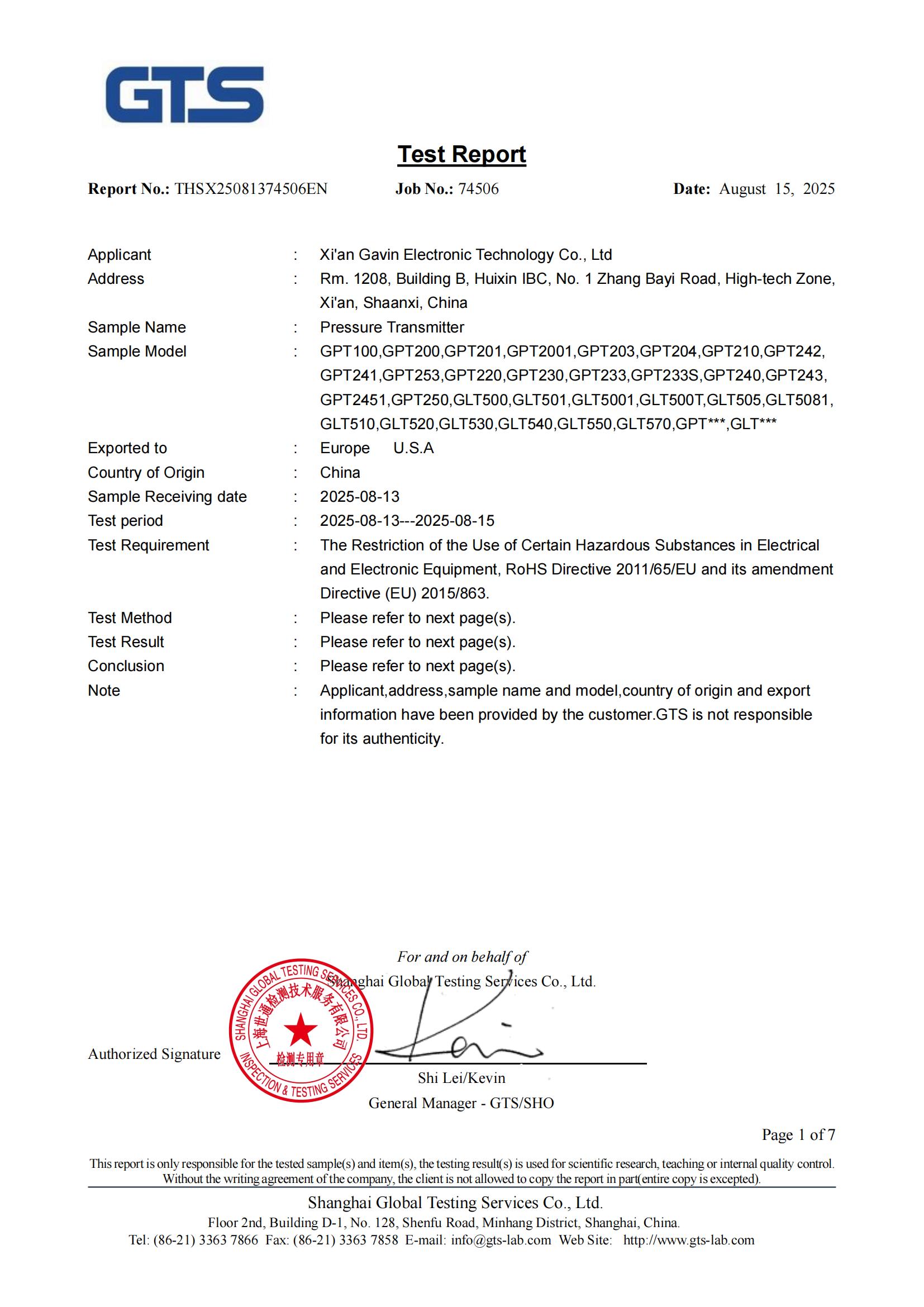
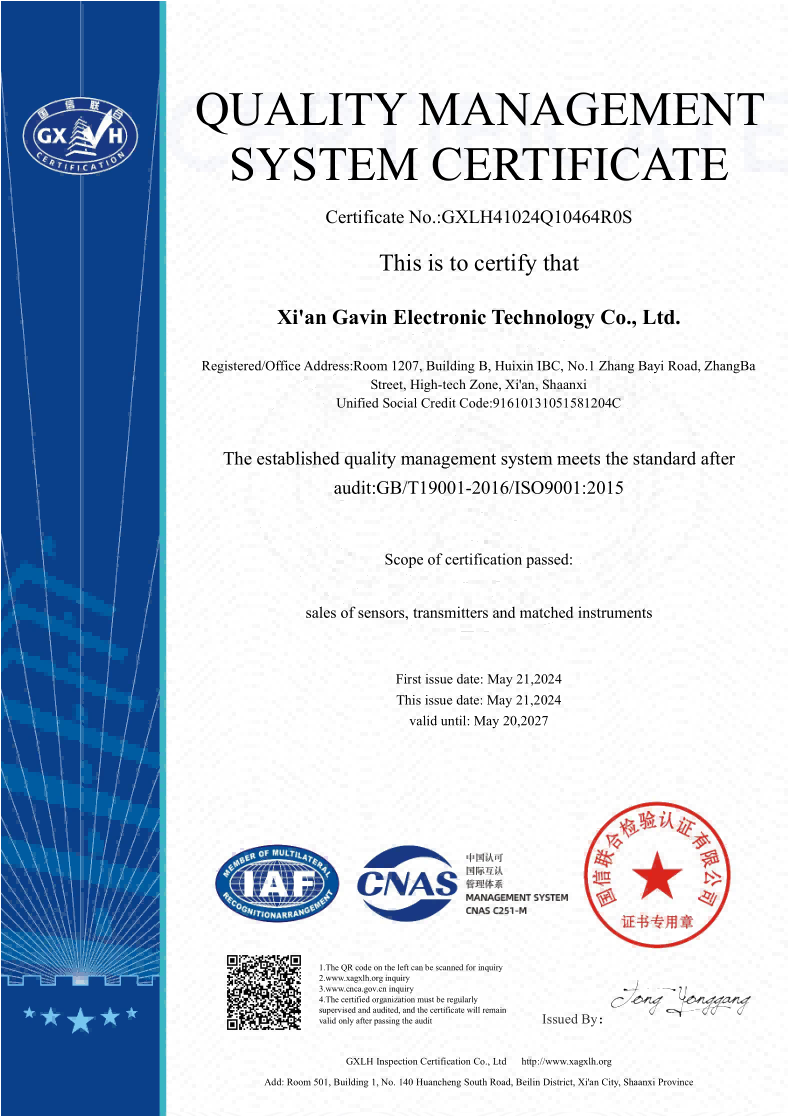
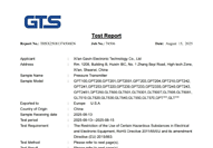
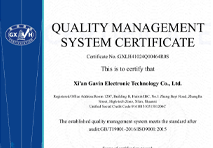
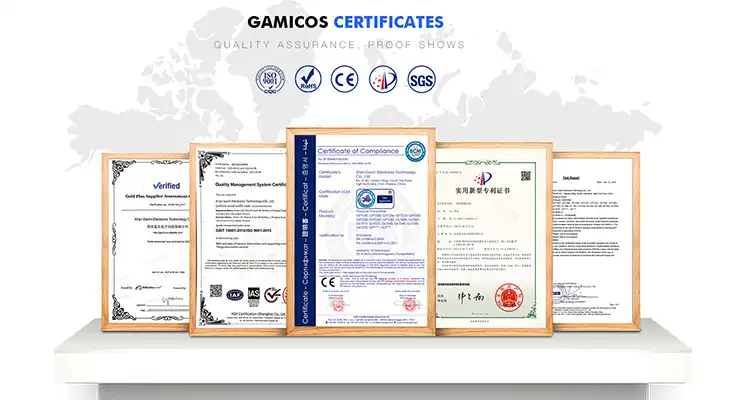
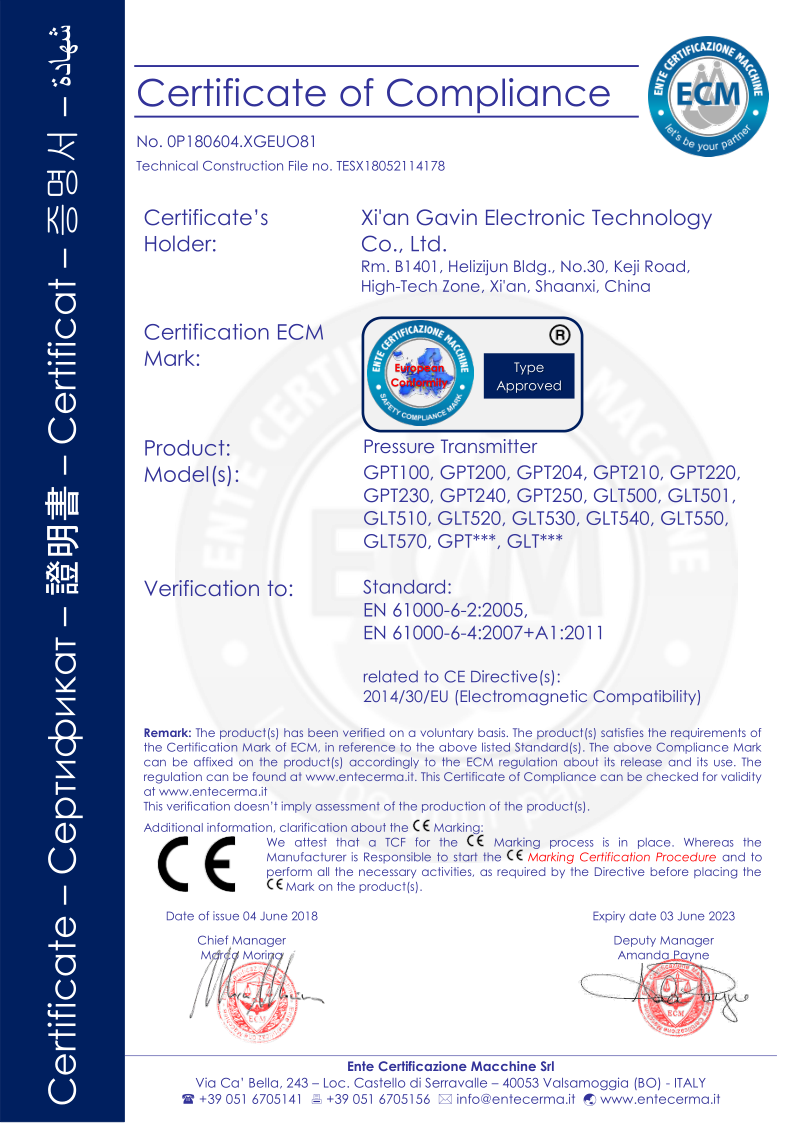
- Comprehensive certification compliance - CE, RoHS, and ISO certifications ensure international market acceptance
- Customizable interface options - Analog, digital, and wireless communication protocols available
- Robust construction materials - Stainless steel 316L and Inconel housings provide superior corrosion resistance
- Precision calibration services - Traceable calibration certificates with ±0.1% accuracy guarantees
- Flexible mounting configurations - Thread, flange, and sanitary connections accommodate diverse applications
- Enhanced signal processing - Temperature compensation algorithms maintain accuracy across operating ranges
- Rapid response capabilities - Sub-millisecond response times enable dynamic pressure monitoring
- Comprehensive technical support - Dedicated engineering team provides application-specific guidance
- Global supply chain reliability - Consistent delivery performance across 100+ countries
- Cost-effective OEM solutions - Bulk pricing and customization services reduce total project costs
- Extended warranty coverage - Comprehensive warranty programs protect customer investments
- Application-specific designs - Customized solutions for petrochemical, pharmaceutical, and energy industries
- Quality assurance systems - Strict inspection protocols ensure consistent product performance
Conclusion
The choice between waterproof and high temperature pressure transducers depends on specific environmental conditions and performance requirements. Waterproof designs excel in moisture protection applications, while high-temperature variants provide superior thermal resistance and accuracy retention under extreme conditions. Understanding these fundamental differences enables informed sensor selection that optimizes measurement performance and long-term reliability. Investment in appropriate technology delivers measurable returns through improved accuracy, reduced maintenance, and extended service life.
Expert Guidance for High Temperature Pressure Transducer Selection
Selecting optimal pressure measurement solutions requires careful consideration of environmental conditions, accuracy requirements, and long-term reliability expectations. GAMICOS provides comprehensive support throughout the selection and implementation process.
Our engineering team evaluates specific application parameters to recommend appropriate high-temperature pressure transducer configurations. Custom solutions address unique measurement challenges that standard products cannot accommodate. Installation support services ensure proper sensor deployment and optimal performance. Technical documentation, training materials, and ongoing support maximize measurement system effectiveness.
Quality assurance programs validate sensor performance before shipment. Comprehensive testing protocols verify temperature stability, accuracy retention, and long-term reliability under simulated operating conditions. Whether you need high-temperature pressure transducers for petrochemical processing, power generation, or specialized manufacturing applications, GAMICOS delivers proven solutions backed by extensive industry experience.
Leading high-temperature pressure transducer manufacturers like GAMICOS combine advanced engineering capabilities with responsive customer service to deliver measurement solutions that exceed performance expectations. Ready to enhance your pressure measurement capabilities? Contact us at info@gamicos.com to discuss your high-temperature pressure monitoring requirements with our technical specialists.
References
1. Johnson, M.R., "Industrial Pressure Transducer Design Principles for Extreme Environments," Journal of Industrial Instrumentation, Vol. 45, No. 3, 2023, pp. 127-145.
2. Chen, L.W., "Temperature Compensation Techniques in High-Performance Pressure Sensors," IEEE Transactions on Industrial Electronics, Vol. 68, No. 8, 2022, pp. 7234-7242.
3. Anderson, K.P., "Material Selection Criteria for High Temperature Pressure Measurement Applications," Process Instrumentation and Control Magazine, Vol. 29, No. 4, 2023, pp. 56-63.
4. Rodriguez, S.A., "Comparative Analysis of Waterproof vs. High Temperature Sensor Technologies," International Conference on Industrial Automation Proceedings, 2023, pp. 234-241.
5. Thompson, D.J., "Reliability Assessment of Pressure Transducers in Petrochemical Applications," Chemical Engineering Progress, Vol. 119, No. 6, 2023, pp. 45-52.
6. Liu, X.H., "Advanced Ceramic Sensing Elements for Extreme Temperature Applications," Sensors and Actuators A: Physical, Vol. 362, 2023, Article 114658.

_1757930850792.jpg)