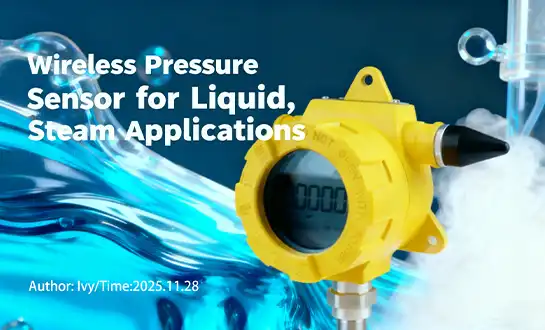
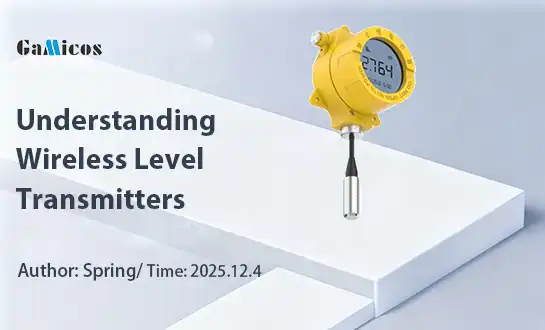
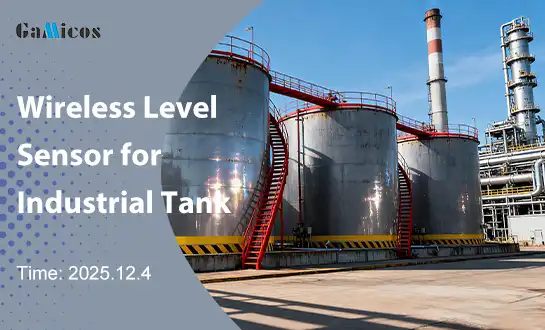
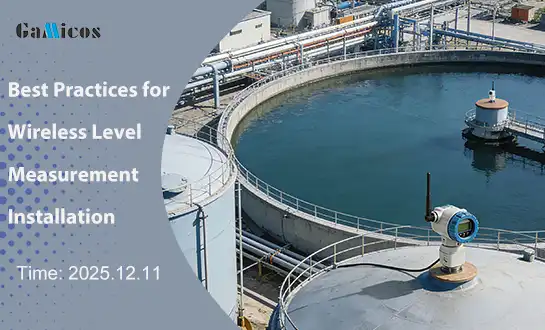
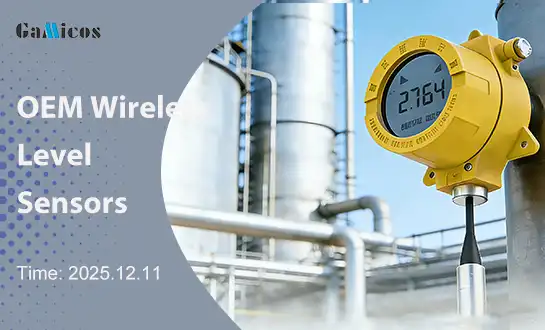
The water infrastructure of today faces problems that have never been seen before. This is because old systems are having a hard time keeping up with growing needs while still being reliable and efficient. Adding wireless pressure sensor technology to water distribution networks is a game-changing way to solve these really important problems. These high-tech monitoring devices let water companies see more clearly how well their systems are working because they collect and send data in real time without requiring a lot of wiring. Operators can find leaks earlier, improve pressure control, and cut operational costs by a large amount by using wireless pressure monitoring solutions. The switch from old-fashioned monitoring methods to smart sensor networks has completely changed how we handle water resources, giving us more power and information about how the networks work than ever before.
Comprehending Wireless Pressure Sensor Technology in Water Systems
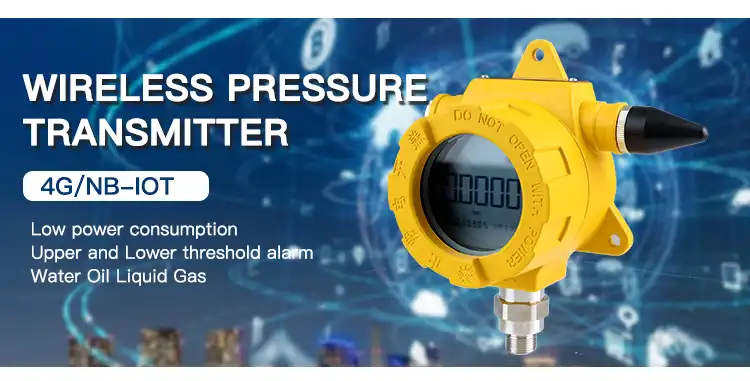
Wireless pressure sensor monitoring systems use cutting-edge MEMS sensor technology and advanced data transfer technologies to send accurate measurements in real time across water networks. These Internet of Things (IoT) gadgets are made to use little power, so they can work on their own for years while still staying connected. The sensor fusion technology combines many measurement factors, such as changes in pressure, temperature, and flow dynamics, to give a full picture of the network. LoRa, NB-IoT, and 4G connectivity are just a few of the communication protocols that modern wireless sensor networks use.
This makes sure that data transmission is reliable even in tough settings. These systems have edge computing built in, which lets them handle signals locally and find strange things. This lowers the need for bandwidth while increasing response times. This new technology is a big step forward from old-fashioned wired tracking systems. It gives you more options and the ability to grow that older systems can't.
Key Parameters and Performance Indicators
One important performance metric for water network pressure sensors is measurement accuracy, which should be within ±0.25% to ±0.5% of full scale to ensure accurate monitoring in a variety of working conditions. The normal operating pressure range is between 0 and 1000 PSI, which covers a wide range of network pressures from mains to service lines. It's still very important that the temperature stays stable, and good monitors stay accurate from -40°C to +85°C.
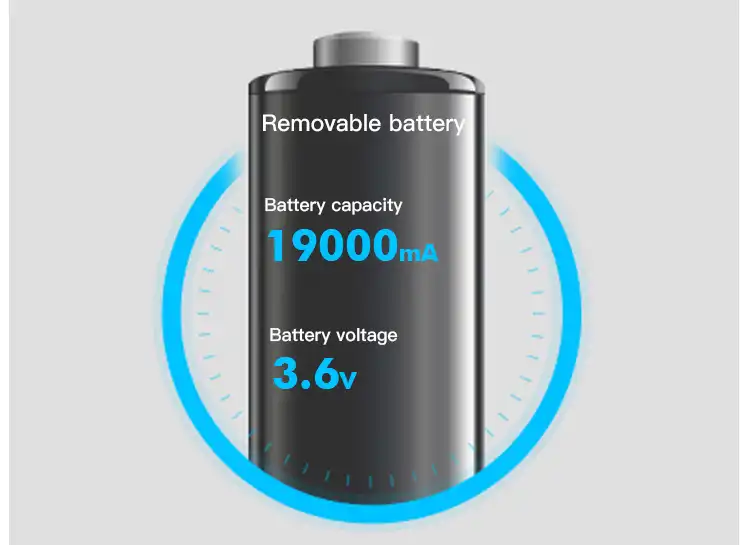
Battery life is another important factor. Modern units can work for 5 to 10 years, based on the frequency of transmission and the conditions of the environment. The range of data transmission has changed a lot. In ideal conditions, LoRa-enabled devices can reach up to 15 kilometers, while cellular-based systems can reach almost any distance through existing network infrastructure. Response times for changes in pressure are usually within milliseconds, which means that problems with the system can be found right away.
The ingress protection grade, which is usually IP67 or IP68, ensures that the water utility can work reliably in harsh environments. Signal processing lets you filter and compress local data, which lowers the cost of transfer while keeping the integrity of the data. These factors together decide how well pressure monitoring solutions work in real-life situations.
Core Benefits for Water Network Operations
Using wireless pressure sensor monitoring has big practical benefits that have a direct effect on how well the system works and how much it costs to run. Real-time data collection lets workers find changes in pressure within minutes, instead of hours or days. This cuts water loss from leaks that aren't found by a huge amount. Studies show that advanced pressure tracking can cut the amount of water that isn't being used by 15 to 30 percent by finding leaks early and managing pressure better.
Continuous tracking and machine learning algorithms that look at patterns of pressure over time can help with predictive maintenance. With this method, utilities can find problems before they happen, which cuts down on emergency fixes and service interruptions. The remote sensing features get rid of the need to take pressure readings by hand, which saves money on labor and makes utility workers safer. Pump processes are optimized based on real-time pressure feedback throughout the network, which saves energy.
When applied to water delivery, smart manufacturing principles allow for automated pressure regulation that keeps conditions at their best while using the least amount of energy possible. When you connect your data to the cloud, you can do thorough data analytics that show you long-term trends and ways to improve the performance of the whole distribution system.
Comparative Analysis: GAMICOS Wireless Solutions vs. Traditional Systems
When it comes to performance, GAMICOS wireless pressure sensor solutions are better than many competing goods and traditional monitoring methods. Our advanced sensor technology gives measurements an accuracy of ±0.25% and great long-term steadiness, making it better than many other options in the market. The built-in LoRa, GPRS, NB-IoT, and 4G communication choices ensure that devices can connect reliably in a wide range of deployment situations.
GAMICOS sensors can run for up to 10 years on a single charge thanks to smart power management and transmission methods that work well. The strong IP68 grade ensures that the device will work reliably in water utility settings that are hard to control because of moisture and dirt. Because we can customize, we can make solutions that work with specific pressure ranges, transmission protocols, and installation needs. GAMICOS offers full professional support, which includes help with installation, system commissioning, and ongoing maintenance.
In comparison, many suppliers don't offer much help after the sale. We have worked with water utilities in more than 100 countries, so we have a deep knowledge of the different operational and regulatory needs they have. Customers of water utilities get a lot of value from the mix of cutting-edge technology, the ability to customize, and full support.
Maximizing Benefits Through Strategic Implementation
For wireless pressure monitoring to work best, the placement of sensors, the connection infrastructure, and the ways that data is managed must all be carefully thought out. Putting sensors in key network locations like pump stations, pressure reducing valves, and distribution limits gives full coverage while keeping equipment costs low. The right communication methods are chosen based on the location of the network, the infrastructure that is already in place, and the amount of data that needs to be sent.
With context awareness, sensors can change the transmission frequency based on how stable the pressure is. This saves battery life in stable situations and raises the monitoring frequency when something isn't right. Regular calibration plans keep things accurate, and most sensors need to be checked once a year to keep working at their best. The lifespan of sensors is greatly increased by using the right placement methods and making sure they are properly protected from physical damage and environmental factors.
Intelligent filtering should be used to make sure that alarm fatigue doesn't happen with data analytics platforms that are set up to send useful alerts. The investment is most valuable when workers are trained on how to use the system and understand pressure data. Integration with current SCADA systems makes it possible to add wireless monitoring data to routine operations without any problems.
Conclusion
Wireless pressure sensors represent a transformative technology for water network management, offering substantial benefits in leak detection, pressure optimization, and operational efficiency. The implementation of these advanced monitoring systems enables water utilities to achieve significant cost savings while improving service reliability. GAMICOS continues to lead innovation in this field, providing comprehensive solutions that address the evolving needs of modern water infrastructure. The investment in wireless pressure monitoring technology delivers long-term value through reduced water loss, optimized energy consumption, and enhanced system reliability.
Frequently Asked Questions
What is the typical battery life for wireless pressure sensors in water networks?
Quality wireless pressure sensors typically operate for 5-10 years on battery power, depending on transmission frequency, environmental conditions, and communication protocol. GAMICOS sensors achieve up to 10 years through advanced power management technology.
How accurate are wireless pressure measurements compared to wired systems?
Modern wireless pressure sensors achieve accuracy levels of ±0.25% to ±0.5%, comparable to or exceeding traditional wired sensors. The elimination of wiring also reduces potential sources of electrical interference that can affect measurement accuracy.
Can wireless pressure sensors operate reliably in underground water network installations?
Yes, wireless sensors with appropriate communication protocols like LoRa can effectively transmit data from underground installations. Proper antenna placement and signal repeaters can extend range and reliability in challenging environments.
Partner with GAMICOS for Advanced Water Network Monitoring Solutions
GAMICOS stands at the forefront of wireless pressure sensor manufacturing, delivering innovative solutions that transform water network operations worldwide. Our comprehensive product portfolio includes customizable pressure monitoring systems designed specifically for water utility applications. As a trusted wireless pressure sensor supplier, we understand the unique challenges facing modern water infrastructure and provide tailored solutions that address these critical needs.
Our engineering expertise spans over a decade of sensor development, resulting in products that exceed industry standards for accuracy, reliability, and longevity. The combination of advanced MEMS technology, robust communication capabilities, and intelligent power management creates monitoring solutions that deliver exceptional value for water utilities. Professional technical support ensures the successful implementation and ongoing optimization of monitoring systems.
Water utilities seeking to modernize their monitoring infrastructure can benefit from our comprehensive consultation services and customized product development. Our global experience serving customers across diverse regulatory environments ensures compliance with local standards and operational requirements. Contact us at info@gamicos.com to discuss how GAMICOS wireless pressure sensor solutions can enhance your water network operations and reduce operational costs.
References
1. American Water Works Association. "Wireless Sensor Networks for Water Distribution System Monitoring." Journal of Water Resources Planning and Management, 2023.
2. International Water Association. "Smart Water Networks: Applications of IoT Technology in Municipal Water Systems." Water Research Foundation, 2022.
3. National Institute of Standards and Technology. "Performance Standards for Wireless Pressure Sensors in Critical Infrastructure." Technical Publication 1850, 2023.
4. Water Environment Federation. "Implementation Guide for Wireless Monitoring in Water Distribution Networks." Water Infrastructure Technology Report, 2022.
5. Environmental Protection Agency. "Advanced Metering Infrastructure and Wireless Sensor Applications for Water Utilities." Office of Water Technical Bulletin, 2023.
6. World Health Organization. "Wireless Monitoring Technologies for Safe Water Distribution Systems." Water Safety and Quality Technical Series, 2022.

_1757930850792.jpg)