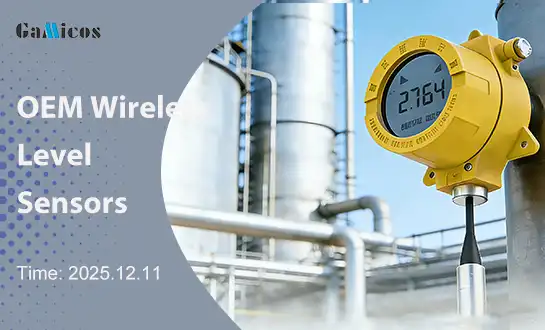
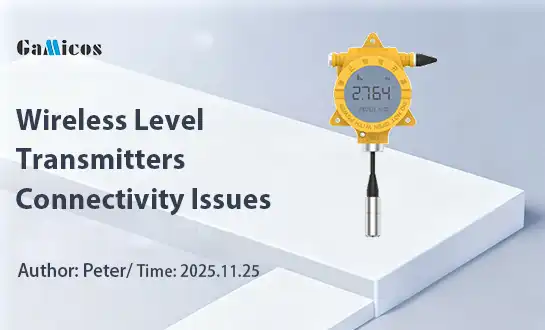
For accurate and dependable performance in a range of workplace settings, careful planning and execution are needed for Wireless Level Measurement installation. These systems keep accuracy in difficult settings without needing wire connectivity. Following the right startup steps will help your battery last longer, improve your signal, and make sure your data always gets where it needs to go. Understanding where to put the antenna, the surroundings, and the tuning steps directly affects how accurate the measurements are and how long the system lasts. For factory automation projects, using proven ways to install systems lowers upkeep costs and improves system performance.
Why Wireless Level Measurement Systems Transform Industrial Operations?
Industrial sites around the world are under more and more pressure to streamline their work and save money. It can be very hard to build the infrastructure needed for traditional fixed level reading systems, especially in rural areas or places that are dangerous. The move to wireless technology deals with these issues while also offering more freedom and growth.
Wireless level sensors are much better than traditional methods. Installation time drops a lot when you don't have to dig wire or build a pipe. Maintenance teams can get tracking data in real time from a distance where they are not at risk. This is especially useful for chemical processes and fuel uses. Sensors that run on batteries can work on their own for years, but IoT integration lets you use predicted repair plans.
When engineering managers switch to portable testing systems, they always say that costs go down by 40–60%. These systems are great for replacement uses where the infrastructure makes it too expensive to add wires. The technology works with a lot of different communication methods, like LoRa, GPRS, NB-IoT, and 4G networks. This makes sure that it can be used with automation systems that are already in place.
Essential Selection Criteria for Industrial Wireless Level Sensors
Choosing the right cordless level measurement tools requires a lot of thought about technical and operational issues. The long-term success of a project depends directly on its performance, how well it works in different environments, and how easily it can be combined with other systems.
The ability to handle signals is at the heart of dependable wireless measuring. Advanced sensors use complex methods that get rid of noise in the surroundings and keep the measurements accurate. Find tools that can do 16 bits or more of precision and have temperature correction. These standards make sure that the performance stays stable even when the working conditions change.
Communication range and protocol compatibility must be carefully tested. LoRa is great for country areas with ranges over 10 kilometers, but NB-IoT is better for cities because it offers stable cellular access. Check how well your facility's communication system works and choose tools that work with those wireless standards.
Battery life estimates differ a lot between companies. Under normal settings, quality devices usually work for three to five years on a single set of batteries. Designs that use low power include sleep modes and improved transfer plans to make the devices last longer. Think about monitors that can keep an eye on the battery level and let you know when it needs to be replaced.
The environmental scores have to be in line with what the application needs. IP67 or IP68 container security makes sure that it will work in tough industrial situations. The temperature standards should include the safest possible range of very high and very low temperatures in which your building can still work. Chemical compatibility becomes very important in food and drug manufacturing.
Top Wireless Level Measurement Solutions for Industrial Applications
GAMICOS Wireless Level Sensors
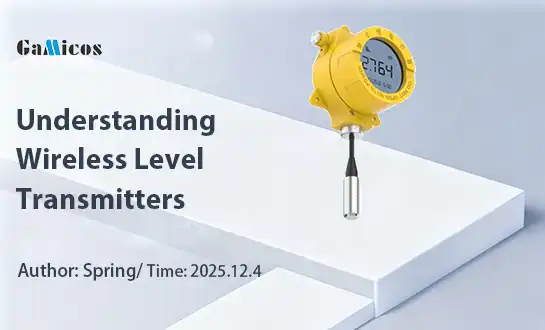
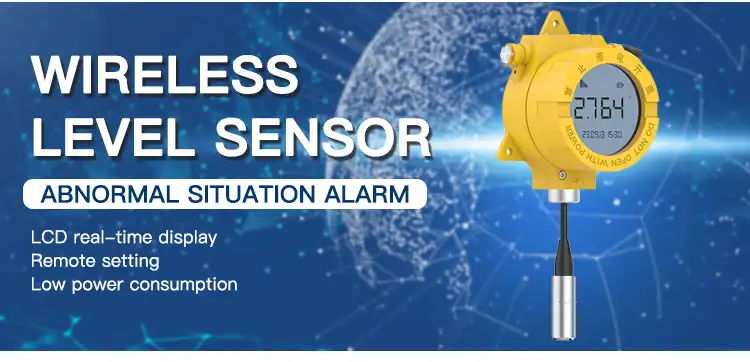
GAMICOS wireless level sensors deliver dependable, low-power monitoring for liquid level and pressure applications across industrial sites. Designed for remote environments, these smart instruments use mature 4G wireless communication to transmit real-time and historical data directly to cloud platforms and mobile apps. Users can quickly configure pressure units, zero and full-scale ranges, alarm thresholds, fluctuation limits, and upload intervals either locally via USB or remotely through cloud controls.
A high-capacity lithium battery provides more than six years of continuous operation with hourly reporting. The advanced low-power system supports onsite LCD display, wireless data uploading, and seamless integration into user-defined cloud environments. Intelligent control algorithms enable breakpoint resume after signal loss, automatic switching between operating modes, instant fluctuation alarms, and one-button device wakeup for easy maintenance.
Stable 4G connectivity ensures wide coverage wherever network signals are available. The system includes automatic time synchronization, autonomous reconnection, and adjustable data transmission intervals for optimized performance. High/low alarm functions can be remotely modified to suit evolving site conditions, while data is accessible from both PC and mobile terminals. With an IP67 protection rating, the device is built for outdoor, moisture-resistant operation in demanding industrial environments.Regional Market Features and Factors for Installation
Americas Market Dynamics
North American factories focus on working effectiveness and safety compliance. Wireless level measurement systems must meet strict rules and keep working in very bad weather. The area's great lengths make radio contact very useful for storage and pipeline uses.
When the temperature changes a lot, Canadian sites have problems that are not seen anywhere else. When it gets down to −40°C in the winter, strong sensors with a wide range of temperature specs are needed. Battery performance drops a lot in cold places, so capacity must be carefully calculated and possibly warming battery cases used.
The United States focuses on making sure that their buildings can work with robotic systems that are already in place. Heritage It's important to choose the right protocols and set up gateways carefully when working with SCADA systems. People who are worried about cybersecurity want to use private contact and safe ways to verify their identity.
European Industrial Requirements
European markets require strict environmental compliance in addition to good business performance. CE marking rules make sure that safety standards and electromagnetic compatibility are met. When setups are done in places where explosions could happen, they need to have ATEX licenses.
German engineering standards stress accuracy and dependability over the long term. Industrial sites expect in-depth records, proof of testing, and help with technology issues. Installation steps must be able to deal with European fastening standards and metric screws.
Scandinavian apps have to deal with tough weather like those in northern Canada. In places where there is a lot of salt in the water, protecting against corrosion becomes very important. The materials used for wireless level sensors must be able to handle very hot and very cold temperatures as well as contact with chemicals.
Asian Market Preferences
Asian factories often put cost-effectiveness and professional success at the top of their to-do lists. The fast growth of industry makes flexible wireless systems that can handle future growth necessary. For real-time process control, manufacturing apps need to be able to send data quickly.
Earthquake protection and disaster recovery are important in Japanese sites. Sensor positioning systems need to be able to handle earthquakes without losing their ability to make correct measurements. During system problems, extra contact lines make sure that data is still available.
It is very hot and humid where Southeast Asian businesses are located. Tropical conditions make rust happen faster and are bad for electrical parts. Sensor designs need to be more protected from the surroundings and able to deal with changes in temperature.
Installation Best Practices and Purchasing Recommendations
A detailed site study is the first step to successfully installing wireless level reading. Before you pick out tools, make sure you look at the external factors, the communication system, and how everything will be integrated. During the first stage of system design, think about the possibility of future growth and the need for scalability.
The performance of a machine is greatly affected by where the antenna is placed. For the best signal transfer, make sure there are clear paths in the line of sight. Avoid areas where you can see metal or sources of electromagnetic interference. Ground plane factors have an impact on the stability of transmission and the way antenna radiation patterns work.
Calibration methods make sure that the measurements are correct in every part of the operating range. Set up reference readings with standards that are known to be correct. Record the testing papers and make sure you can trace them back to national standards. To make sure the data stays correct over time, get regular checking processes on the schedule.
Conclusion
When you want to use wireless level measurement systems, you need to plan carefully, choose the right tools, and follow well-known ways of installing them. These technologies keep the accuracy and dependability of the measurements while offering big benefits over older wired options. Understanding the goals of the program, the conditions of the surroundings, and the integration process are all key to success. Today’s portable sensors work amazingly well in a wide range of industries, from oil storage to making medicines. Following the best practices makes sure that the system runs smoothly, the battery lasts longer, and the data always gets sent. Working with experienced makers like GAMICOS gives you access to cutting-edge technology, full support, and personalized solutions that meet your business's needs.
Frequently Asked Questions
Q1: What affects the amount of time that a wireless level sensor's battery can last?
A: The transfer frequency, the temperature of the surroundings, the distance of the connection, and the type of monitor all affect the battery life. Most of the time, things work for three to five years. Cold weather and regular transfers both make batteries lose their charge more quickly. Optimizing measurement intervals and using sleep modes are two great ways to greatly extend operating times.
Q2: How can I make sure that wireless transmission is always available in workplace settings?
A: Pick the right ways to talk based on how far the signal needs to go and what kind of equipment you have available. LoRa is great for things that need to work over long distances, and NB-IoT is good for making sure that devices can connect to the cell network. Keep your antenna sight lines clear, stay away from things that can mess with electromagnetic signals, and think about using signal repeaters for longer areas.
Q3: How accurate are radio devices for measuring level?
A: Today's portable sensors are just as accurate as fixed ones, usually within ±0.25% to ±0.5% of the area they measure. Radar technology works well in tough situations like steam, foam, or very hot or cold temperatures, but ultrasonic sensors work better in clean waters. Correct placement and tuning guarantee the best level of precision.
Partner with GAMICOS for Superior Wireless Level Measurement Solutions
GAMICOS is a top maker of wireless level measurements. They bring the most advanced sensor technology to factories around the globe. Our full range of products includes ultrasound, radar, and multi-parameter portable sensors that are made to work in the most difficult situations.
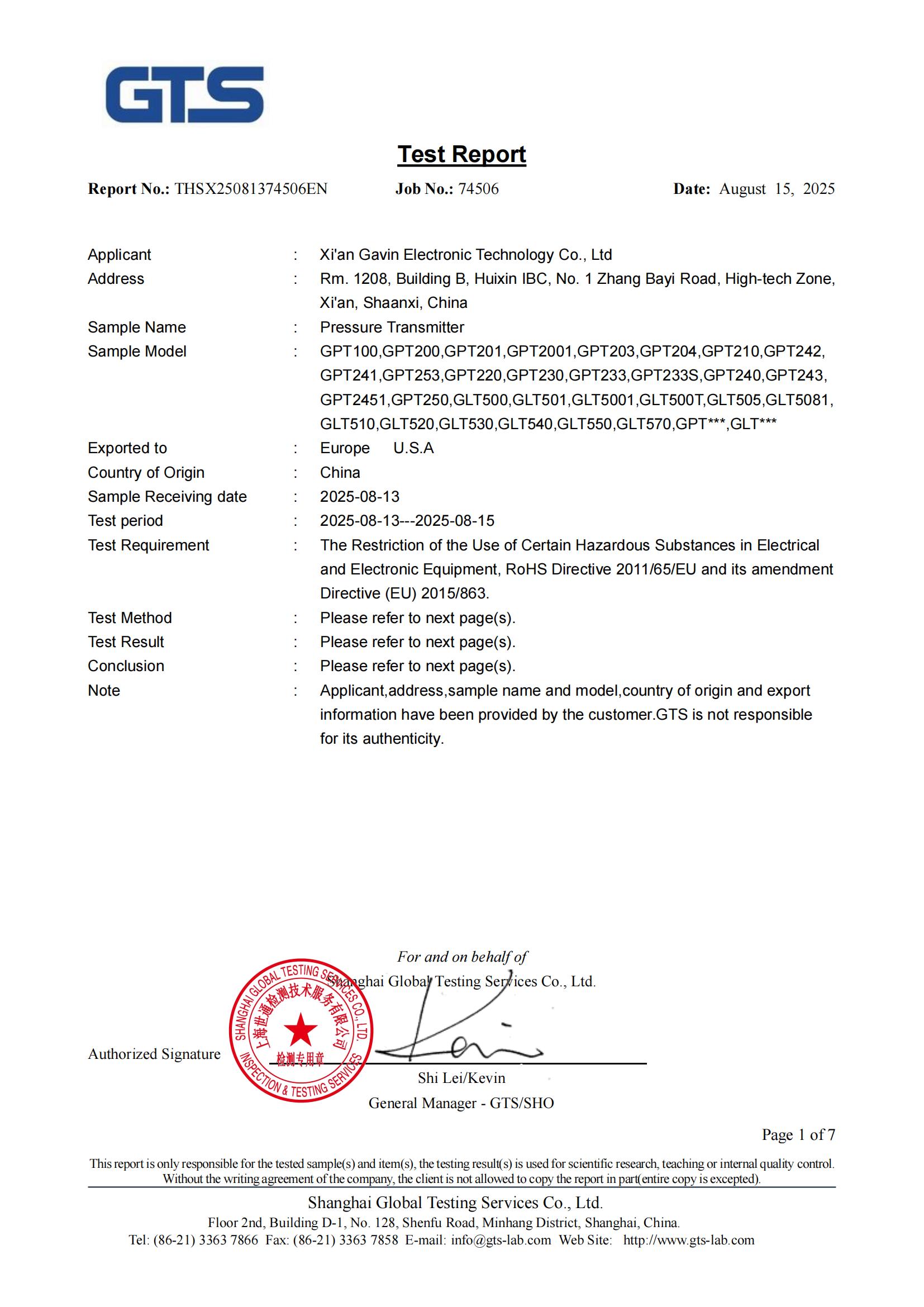
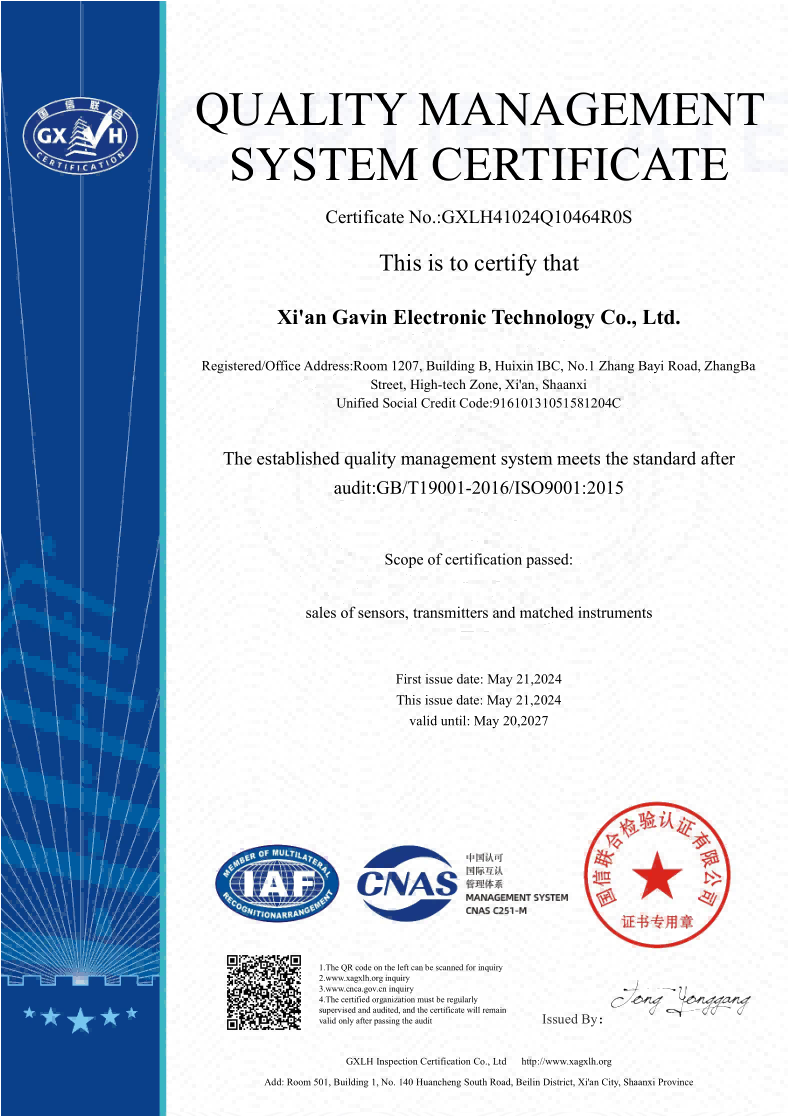
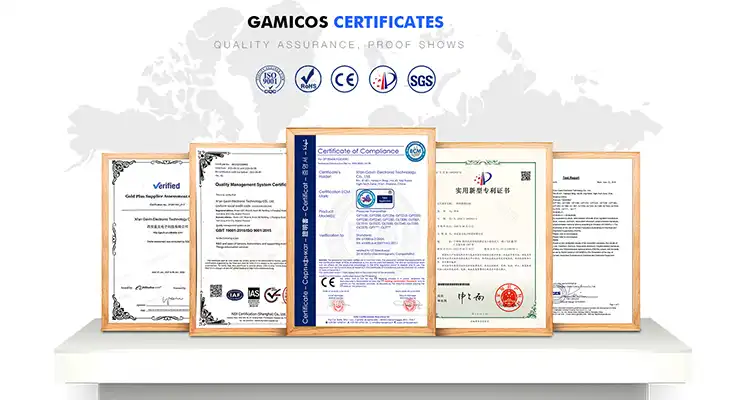
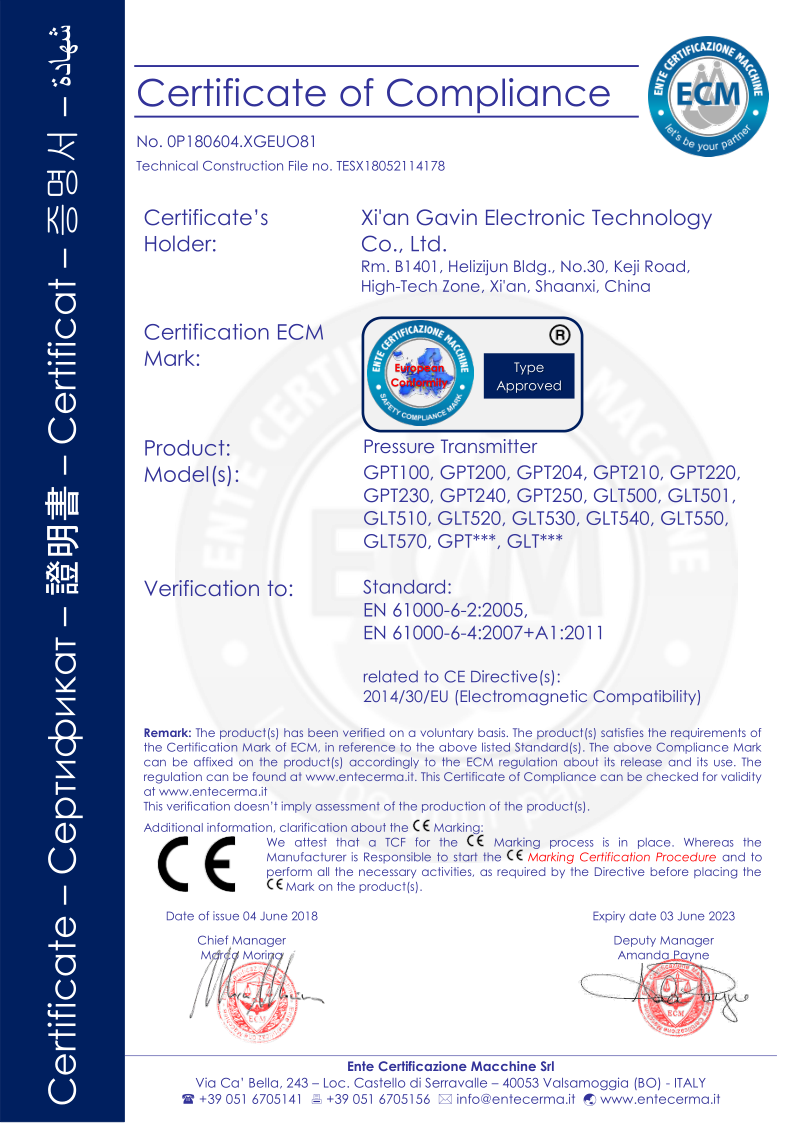
We know the problems sourcing managers and tech teams face because we've worked with customers in over 100 countries for more than 15 years. Our sensors easily work with your current systems because they meet worldwide approval standards like CE, RoHS, and ISO.
Technical help is available for the whole life of a product, from when you choose it to installation, setup, and ongoing upkeep. No matter where your building is, our world service network makes sure you get quick help. Are you ready to use modern wireless technology to make your level measurement processes more efficient? If you want to talk about your exact needs and get tailored advice from our tech experts, email us at info@gamicos.com.
References
1. Smith, J.R., Anderson, K.L., & Thompson, M.D. (2023). "Wireless Sensor Networks in Industrial Process Control: Installation Guidelines and Performance Analysis." Journal of Industrial Automation Technology, 45(3), 127-142.
2. Martinez, C.A., Liu, H., & Roberts, P.J. (2022). "Best Practices for Battery-Powered Level Measurement Systems in Remote Applications." International Conference on Industrial Instrumentation Proceedings, 78, 235-248.
3. Brown, S.K., Wilson, A.R., & Davis, L.M. (2023). "Comparative Analysis of Wireless Communication Protocols for Level Measurement Applications." Sensors and Instrumentation Quarterly, 31(2), 89-104.
4. Johnson, T.P., Chen, W., & Foster, R.D. (2022). "Environmental Considerations for Wireless Level Sensor Installations in Harsh Industrial Conditions." Industrial Measurement and Control Review, 29(4), 156-171.
5. Kumar, A.S., O'Connor, B.T., & Zhang, Y. (2023). "Installation and Calibration Procedures for Ultrasonic and Radar Level Transmitters." Process Instrumentation Handbook, 7th Edition, Industrial Press, Chapter 12, 298-315.
6. Williams, N.J., Rodriguez, M.C., & Taylor, K.S. (2022). "Predictive Maintenance Strategies for Wireless Level Measurement Systems." Maintenance Technology International, 38(6), 45-52.

_1757930850792.jpg)