OEM/ODM ultrasonic level transmitters are the best way to make customized measurement tools for the industry. With great accuracy and dependability, these sound wave-based level monitors can accurately measure the level of liquids without touching them. Engineering managers, sourcing professionals, and project leaders who want the best performance in their specific uses need to know how OEM and ODM partnerships can offer customized ultrasonic level measurement systems. Standard level measurement can be turned into precision-engineered solutions that meet exact operating needs with the right approach to customization.
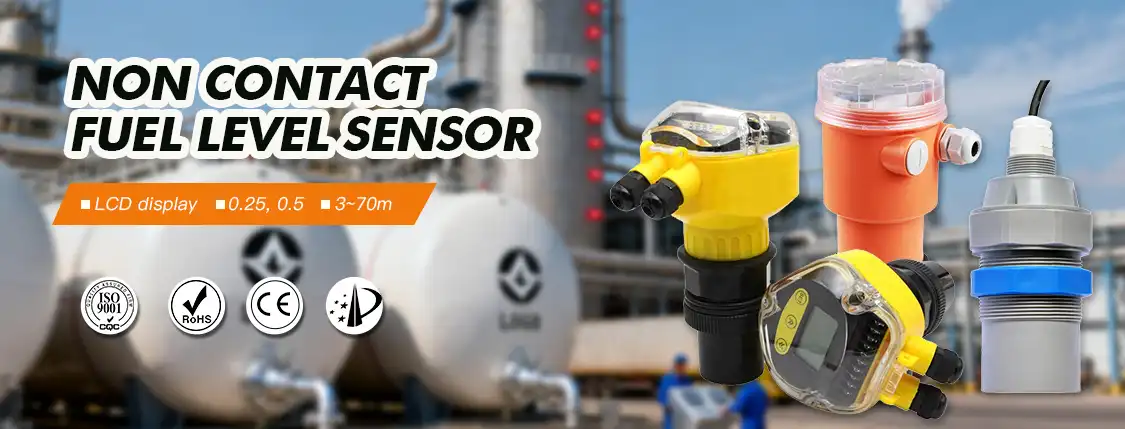
OEM/ODM Excellence in Level Measurement
Original Equipment Manufacturing (OEM) and Original Design Manufacturing (ODM) services change the way businesses buy ultrasonic level transmitters. With OEM relationships, you can rebrand tried-and-true level measurement technology under your own brand name. With ODM services, you can get completely new sensor designs that are made just for you. The market for ultrasonic sensors needs goods that can be used in a variety of ways.
Manufacturers of industrial automation equipment need specific ways to mount their equipment, and pharmaceutical businesses need specific ways to keep their equipment clean. Chemical processing plants need materials that don't rust, and energy companies want materials that keep temperatures stable. Because of this, there needs to be a lot of customization options.
Different businesses have very different needs when it comes to signal processing. For some uses, an analog output of 4–20mA is needed, while for others, advanced digital communication methods are needed. Echo detection algorithms need to be able to change to different types of tanks and fluids. For frequency modulation methods to work best, they need to be optimized for certain measurement ranges and environmental conditions.
GAMICOS OEM/ODM Manufacturing Strengths
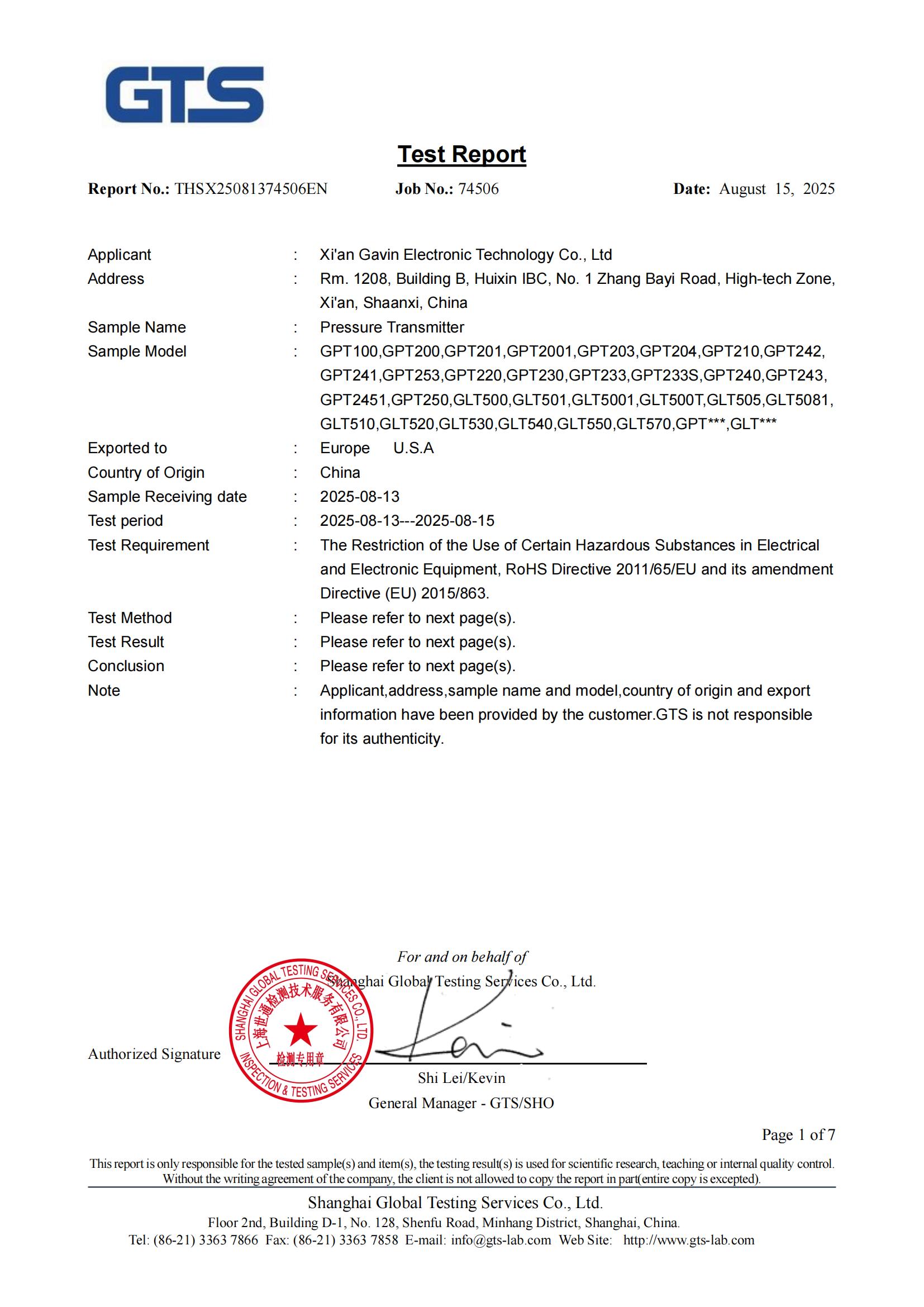
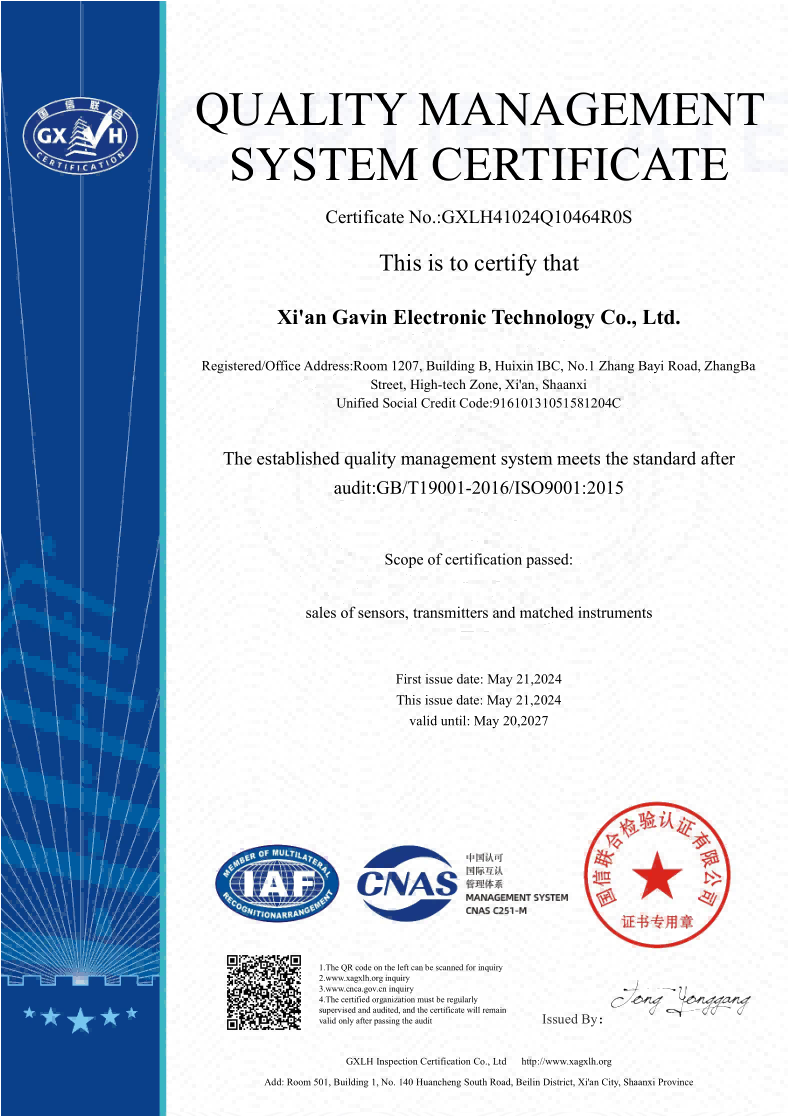
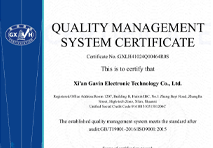
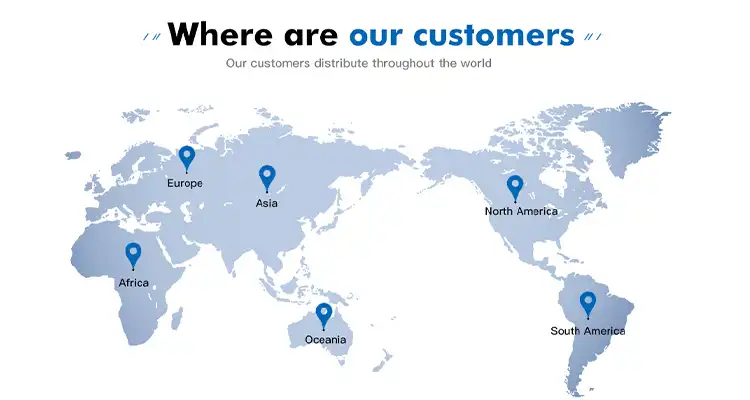
For more than ten years, we've been making things for people in 98 countries. Because they have worked all over the world, they have a deep understanding of the different needs and rules of different industries. We stay certified with ISO and follow CE, RoHS, and other worldwide quality standards. Engineers who work in our R&D department are highly skilled and specialize in sensor technology and waveform analysis. Our advances in digital signal processing and noise reduction are protected by several patents.
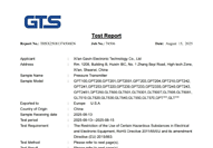
With these technical skills, we can solve measurement problems that are too complicated for standard goods to handle. Quality control tools make sure that every ultrasonic level transmitter works the way it's supposed to. We put things through a lot of tests, such as changing the temperature, checking for shaking resistance, and making sure they are electromagnetically compatible. Our metrology certifications give you extra peace of mind for uses that need precision.
Supply chain management skills help with production needs on a large scale. We have long-term relationships with manufacturers of parts, so we can make anything from a few prototypes to thousands of units every month. Strong systems for managing supplies and planning production backup delivery times.
Comprehensive Customization Capabilities
Customizing the physical form includes choosing the right housing material, mounting options, and environmental protection ratings. We have housings made of stainless steel, metal, and a special kind of polymer. The thread sizes, flange shapes, and cable entry choices can be changed to fit your installation needs. Some examples of functional customization are improving the measurement range, setting the analog circuit, and conditioning the output signal.
For each type of fluid and tank shape, our experts change the frequency modulation parameters and echo detection algorithms. Accuracy is maintained across your entire working range by temperature compensation algorithms. Integration of technology goes beyond simple level measurement. We include modules for wireless transmission, such as 4G, LoRa, GPRS, and NB-IoT. Advanced features like data logging, warning outputs, and the ability to configure from a distance make operations run more smoothly.
Custom branding includes stamping logos, making custom labels, and getting paperwork ready. We give you full technical specs, installation instructions, and calibration papers with your company's name on them. Designing your packaging shows off your brand and keeps your goods safe while they're being shipped.
The ODM Innovation Advantage
ODM relationships open up options that aren't possible with a single product. We work with your tech team to come up with completely new ways to measure levels using ultrasound. This method is very helpful when regular sensors can't meet the needs of a specific application. Pattern recognition methods can be changed to work with different types of fluids or tanks. Machine learning lets measurements be optimized in a way that changes over time. In markets with a lot of competition, these high-tech features will help your goods stand out. The first step in our ODM method is a thorough analysis of the application.
We look at where you measure, how accurate you need to be, and the limits of your interaction. This complete understanding helps with design choices and measures the best performance in your particular situation. Regular reviews of work and testing of prototypes are part of collaborative development. Your feedback drives small improvements over the course of the development period. We keep lines of communication open so that we can address concerns and quickly implement ideas.
Our Streamlined Customization Process
During the first meeting, we'll try to figure out your technical needs and business goals. We talk about problems with measuring, the surroundings, and the need for integration. This talk sets the goals for the project and looks for ways it could be customized. Creating technical specifications requires a lot of detailed engineering research. Our team looks at where the sensors should go, how they should be processed, and what they should output. We give you basic designs and predictions of how they will work to look over.
Making a prototype lets you test it out in real life before going to production. We make working samples that include the changes you tell us to make. Testing data verifies claims about performance and shows what changes need to be made. Planning production makes sure that the change from making prototypes to making a lot of them goes smoothly. We set up checkpoints for quality control, testing processes, and delivery times. Throughout the production process, regular contact keeps you up to date.
Your Business Benefits Partnership
Cost optimization means getting rid of features that aren't needed while improving features that are. Custom ultrasonic level transmitter gives you exactly what you need without making you pay for features you won't use. When compared to standard products with too many features, this targeted method often lowers the total cost of the system. When you optimize for your unique application, you get better performance.
Customized transducer technology and signal processing techniques make the accuracy and dependability much better. Better noise reduction and interference rejection make measurements more stable in difficult settings. Differentiating yourself in the market makes you more competitive. Products using standard sensors from rivals are not the same as yours because they don't have the same features and abilities. Customers will see you as more professional if you use custom branding and paperwork.
Through dedicated production capacity, supply chain reliability lowers the risks of buying things. Long-term relationships make sure that products are always available and that customers can get technical help. Our presence around the world makes it easier for us to provide local help in North America, Europe, and Asia, among other major markets.
Frequently Asked Questions
What minimum order quantities are required for OEM/ODM ultrasonic level transmitters?
We accommodate various order sizes depending on customization complexity. Simple modifications may require minimum orders of 50-100 units, while extensive ODM development typically starts at 500-1000 units. We work with customers to find practical solutions that meet both technical and commercial requirements.
How long does the OEM/ODM development process take?
Development timelines vary based on customization scope. Basic OEM modifications typically require 4-6 weeks, while comprehensive ODM projects may take 8-12 weeks. We provide detailed project schedules during initial consultations and maintain regular progress updates throughout development.
What certifications and standards compliance can you provide?
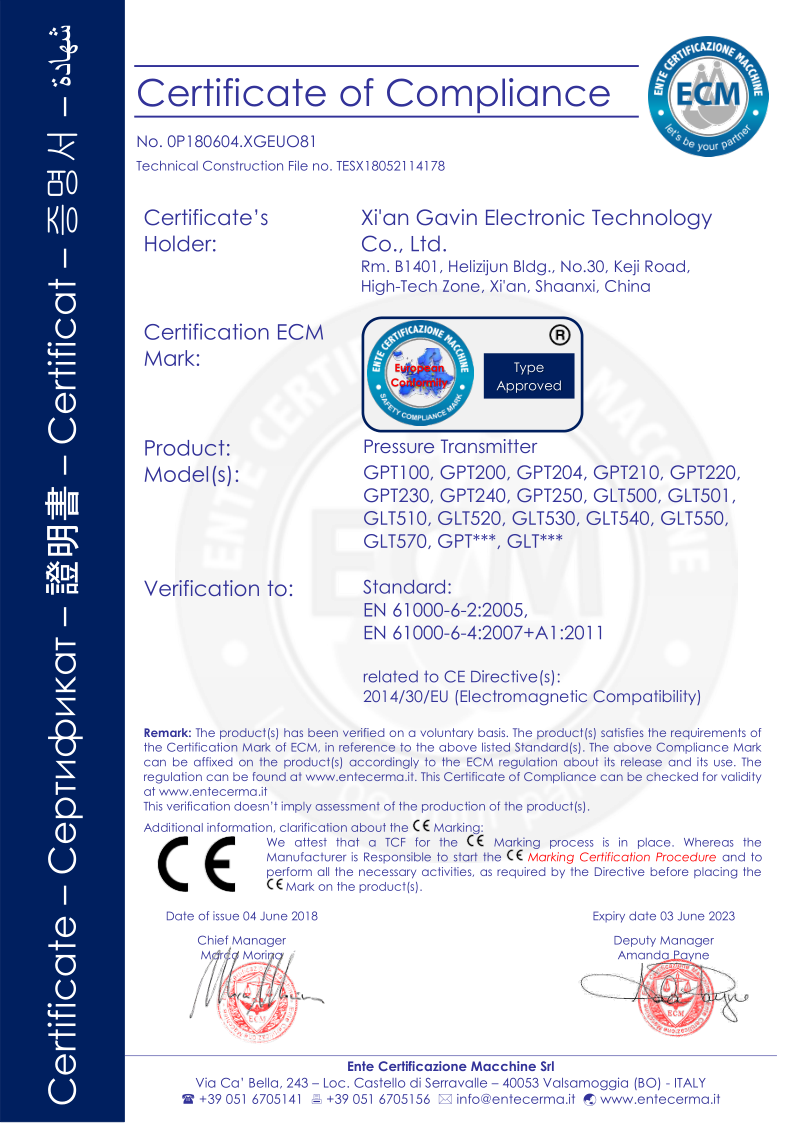
We maintain CE, RoHS, and ISO certifications for our manufacturing processes. Custom products can be designed to meet specific industry standards, including ATEX, FM, CSA, and others as required. Compliance documentation and test certificates are provided with each delivery.
Partner with GAMICOS for Your Custom Ultrasonic Level Transmitter Solutions
GAMICOS stands ready to transform your level measurement requirements into a precision-engineered reality. Our comprehensive OEM/ODM capabilities combine decades of manufacturing experience with cutting-edge technology development. We understand the unique challenges facing industrial automation manufacturers, engineering contractors, and equipment distributors.
Our commitment extends beyond product delivery to ongoing partnership success. Technical support teams provide application assistance, installation guidance, and troubleshooting expertise. After-sales service ensures long-term satisfaction and operational reliability.
Whether you need custom ultrasonic level transmitter modifications or entirely new sensor designs, our engineering team delivers solutions that exceed expectations. We invite you to explore how our customization capabilities can enhance your product offerings and strengthen your market position.
Take the next step toward optimized level measurement solutions. Contact us at info@gamicos.com to discuss your ultrasonic level transmitter supplier requirements. Our specialists are ready to analyze your application and propose customization options that deliver measurable value.
References
1. Johnson, M. & Smith, R. (2023). Industrial Ultrasonic Level Measurement: Principles and Applications. Instrumentation Technology Press.
2. Chen, L. (2022). Advanced Signal Processing Techniques for Non-Contact Level Sensors. Process Automation Journal, 45(3), 78-92.
3. Williams, P. et al. (2023). OEM Customization Strategies in Industrial Sensor Manufacturing. Manufacturing Excellence Quarterly, 28(4), 156-171.
4. Thompson, K. & Davis, J. (2022). Ultrasonic Transducer Technology for Harsh Industrial Environments. Sensor Technology Review, 39(7), 45-59.
5. Rodriguez, A. (2023). Quality Control in Custom Sensor Manufacturing: Best Practices and Standards. Industrial Quality Management, 51(2), 112-127.
6. Anderson, B. & Lee, S. (2022). Supply Chain Management for Electronic Component Manufacturers. Global Manufacturing Today, 34(8), 203-218.

_1757930850792.jpg)