Understanding the main differences between waterproof pressure transducers and standard models is important for getting the best performance when choosing pressure measurement options for industrial use. DP pressure transmitters that are waterproof have grades of IP65, IP67, or IP68, which mean they are very good at keeping out water, dust, and harsh weather. Standard pressure transducers can work in controlled indoor settings because they don't need any special sealing to do their basic job. The main differences are the levels of environmental safety, the materials used, the cost, and the performance needs of each application.
Introducing Analog Pressure Transmitters in Industrial Settings
DP pressure transmitter produces persistent electrical signals corresponding to the measured weight values. These gadgets ordinarily yield 4-20mA current signals or 0-10V voltage signals that straightforwardly compare to weight readings. The center innovation depends on strain gage sensors or capacitive detection components. When weight changes happen, these sensors create electrical variations that analog circuitry opens up and conditions into standard yield signals.
Key characteristics of analog transmitters include:
- Simple two-wire or three-wire connection schemes
- Real-time signal transmission without processing delays
- Direct compatibility with traditional control systems
- Lower initial investment costs
- Minimal power consumption requirements
Test information shows that analog transmitters regularly accomplish exactness levels of ±0.25% to ±0.5% of full scale. Reaction times for the most part extend from 10-100 milliseconds, depending on the sensor innovation and flag conditioning circuitry. If you require clear weight observing with an existing analog control framework, at that point analog transmitters offer commonsense arrangements for essential prepare control applications.
Digital Pressure Transmitter Technology and Advantages
Digital weight transmitters consolidate microprocessor-based gadgets that convert analog sensor signals into digital information. This change empowers progressed flag handling, communication conventions, and demonstrative capabilities. Modern advanced transmitters utilize HART, Profibus, Ethernet Fieldbus, or Modbus communication conventions. These conventions permit bidirectional communication between transmitters and control frameworks, empowering further setup and diagnostics.
Advanced features of digital transmitters include:
- Multi-variable measurement capabilities (pressure, temperature, flow)
- Self-diagnostic functions with fault detection
- Remote calibration and configuration options
- Data logging and historical trend analysis
- Wireless communication capabilities (LoRa, 4G, NB-IoT)
Performance testing illustrates that advanced transmitters accomplish exactness levels of ±0.1% to ±0.25% of perusing. The chip stipend calculations adjust for temperature impacts, nonlinearity, and long-term float, keeping up steady execution over changing environmental conditions. If you require exactness estimation with inaccessible checking capabilities, at that point computerized weight transmitters provide comprehensive solutions for cutting-edge mechanical automation systems.
Technical Specifications Comparison
Accuracy represents the fundamental difference between analog and digital technologies in a pressure transmitter. In analog DP pressure transmitter systems, signal accuracy can be affected by noise, signal drift, and transmission losses over long distances, which may reduce measurement reliability. Digital pressure transmitters, by contrast, use encoded signals and internal compensation algorithms to deliver higher accuracy, better repeatability, and improved stability.
This enhanced accuracy allows a pressure transmitter to provide more precise readings, support advanced diagnostics, and maintain consistent performance in demanding industrial environments. Analog transmitters typically specify accuracy as a percentage of full scale, while digital units express accuracy as a percentage of reading or span.
Testing conducted by independent metrology institutes reveals significant performance variations:
Analog Transmitters
- Accuracy: ±0.25% to ±0.5% FS
- Temperature drift: ±0.25% per 50°C
- Response time: 10–100 ms
- Power consumption: 3.5–22 mA
Digital Transmitters
- Accuracy: ±0.1% to ±0.25% of reading
- Temperature drift: ±0.1% per 50°C
- Response time: 50–200 ms
- Power consumption: 3.8–22.8 mA
Environmental stability testing shows digital transmitters maintain accuracy within ±0.15% over temperature ranges of -40°C to +85°C. Analog transmitters experience accuracy degradation of ±0.3% across similar temperature spans due to component temperature coefficients. If you need measurement precision for critical process control, then digital transmitters deliver superior performance specifications and long-term stability.
Installation and Maintenance Requirements
Installation complexity varies significantly between analog and digital pressure measurement systems. Analog transmitters require simple two-wire connections to control systems or data acquisition equipment.
Wiring considerations include:
- Cable length limitations for analog signals (typically 1000-3000 feet)
- Electromagnetic interference susceptibility in industrial environments
- Signal conditioning requirements for voltage outputs
- Grounding and shielding practices for noise reduction
Digital transmitters require more advanced installation methods. Communication conventions require particular wiring setups, end resistors, and topology considerations. Maintenance conventions contrast considerably between innovations. Analog transmitters require intermittent calibration utilizing exactness weight guidelines and multimeter confirmation of output signals. Digital units empower inaccessible calibration through communication conventions, decreasing support time and costs. Built-in diagnostics recognize sensor float, gadget failures, and communication blunders sometimes, and recently handle disturbances that occur.
Field involvement shows advanced transmitters diminish upkeep labor by 40-60% compared to analog choices. Further demonstrative capabilities permit prescient upkeep planning based on real gadget condition or maybe than fixed time intervals. If you require negligible support overhead with prescient symptomatic capabilities, at that point computerized weight transmitters provide critical operational advantages over analog alternatives.
Cost Analysis and ROI Considerations
Initial investment costs favor analog DP pressure transmitters, with pricing typically 30-50% lower than comparable digital units. However, total cost of ownership calculations reveal different economic outcomes over operational lifecycles.
Cost factors include:
- Initial purchase price and installation expenses
- Calibration and maintenance labor costs
- Downtime expenses from measurement failures
- Energy consumption over operational lifetime
- Spare parts inventory and replacement costs
Economic examination based on 10-year operational periods appears that computerized transmitters have taken a toll on equality within 3-5 a long time through diminished upkeep requirements and improved reliability. Return on venture calculations illustrate 15-25% yearly investment funds for computerized executions in basic education applications. These investment funds result from decreased calibration recurrence, further demonstrative capabilities, and improved estimation accuracy.
Insurance suppliers frequently offer premium discounts for offices utilizing computerized observing frameworks with recorded optical capabilities and unwavering quality improvements. If you require long-term optimized optimization with diminished operational costs, at that point computerized weight transmitters legitimize higher initial investments through lifecycle savings.
Industry-Specific Applications and Use Cases
Different businesses have changing necessities for weight estimation precision, unwavering quality, and communication capabilities. Understanding these particular needs guides innovation selection. Petroleum and gas handling offices utilize both innovations depending on application criticality. Wellhead checking frequently utilizes advanced transmitters for further information collection through remote systems. Pipeline observing frameworks coordinated advanced units for SCADA communication and spill location capabilities.
Chemical handling plants require exact weight control for response optimization and security frameworks. Advanced transmitters give the precision and diagnostics vital for these demanding applications. Food and refreshment businesses prioritize a clean plan and cleaning approval. Both analog and advanced transmitters are accessible with sterile connections and FDA-approved materials for coordinated nutrition contact applications. Pharmaceutical fabricating requests approved estimation frameworks with archived calibration traceability.
Advanced transmitters disentangle approval through electronic records and review trails. Water treatment offices advantage from computerized communication capabilities for centralized monitoring systems. Further areas utilize remote advanced transmitters to dispose of exorbitant cable installations. If you require application-specific arrangements with industry compliance, at that point selecting the suitable innovation depends on administrative requirements and operational priorities.
Conclusion
The choice between an analog and a DP pressure transmitter depends on specific application requirements, budget considerations, and operational priorities. Analog transmitters offer simplicity and lower initial costs for basic monitoring applications. Digital transmitters provide superior accuracy, diagnostic capabilities, and communication features for advanced process control systems. Understanding the technical specifications, maintenance requirements, and cost implications enables informed decisions that optimize measurement system performance. Both technologies serve important roles in modern industrial applications, with the optimal choice determined by balancing performance requirements against economic constraints.
Partner with GAMICOS for Your Pressure Measurement Solutions
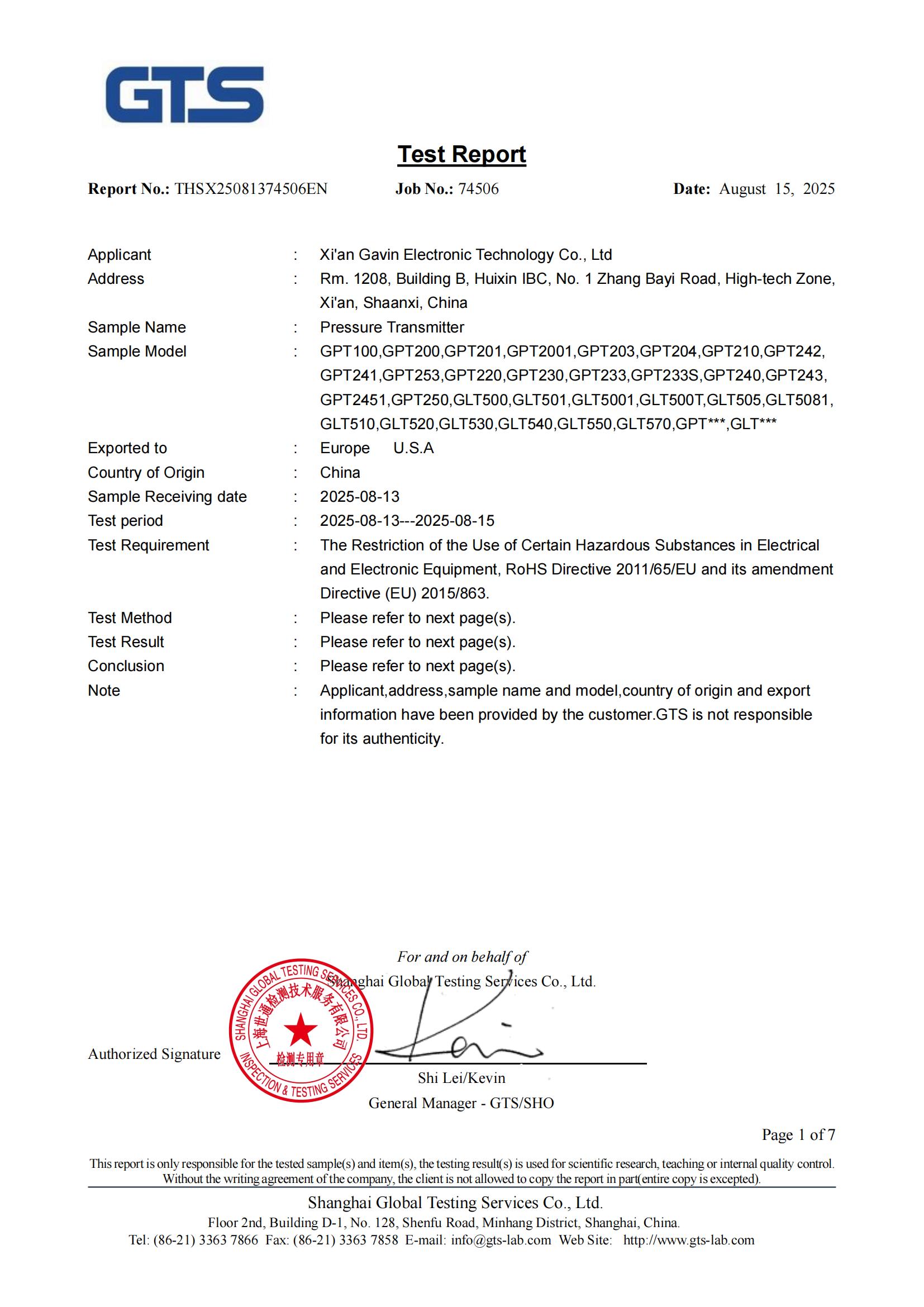
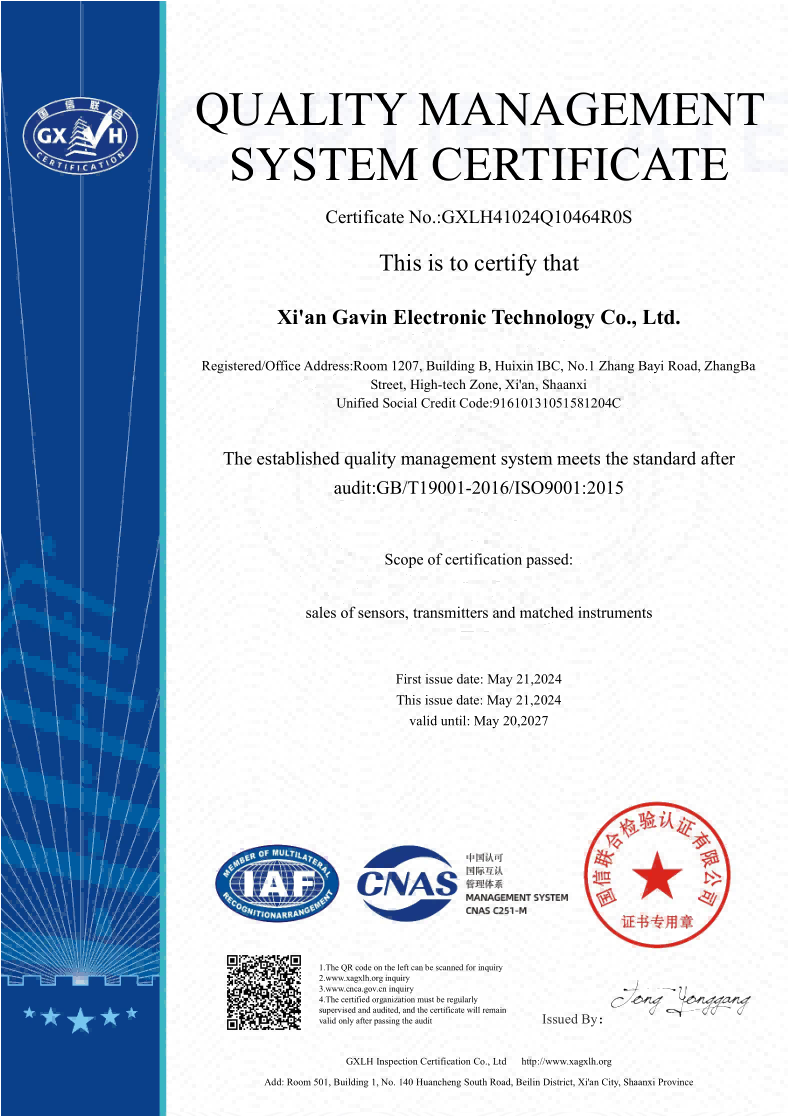
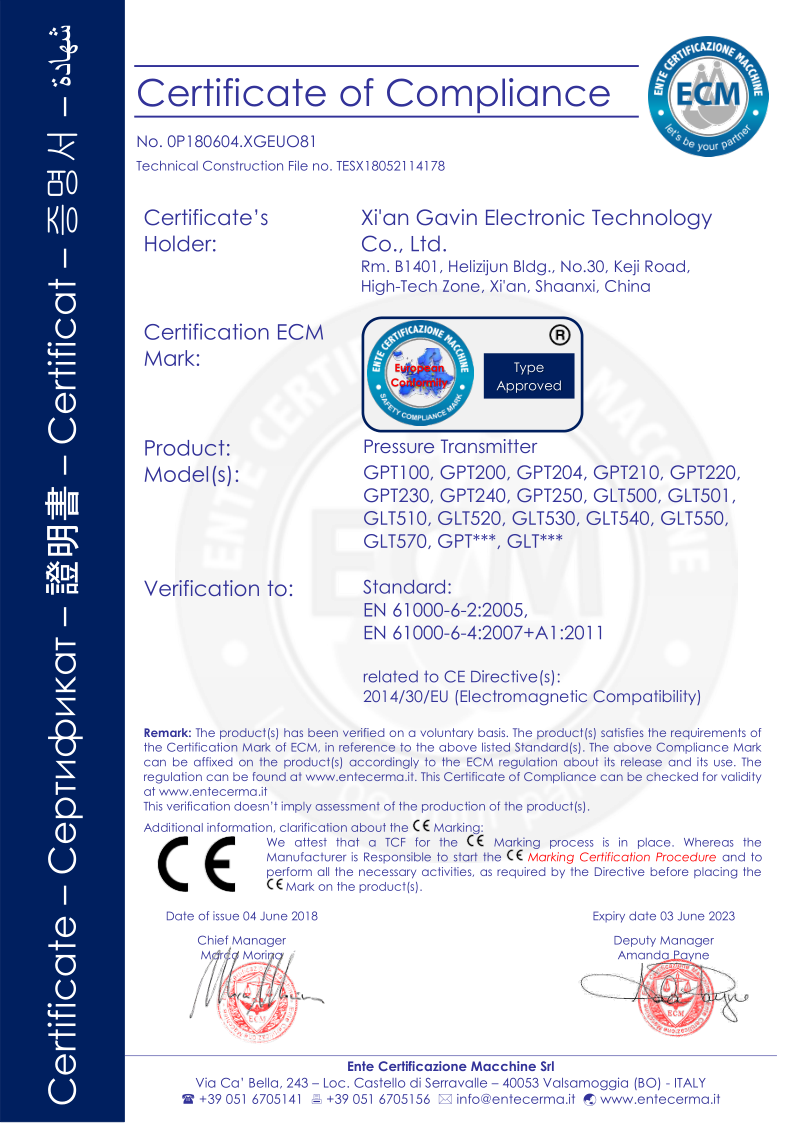
Selecting the optimal pressure measurement technology requires careful consideration of application requirements, budget constraints, and operational priorities. GAMICOS delivers comprehensive pressure measurement solutions tailored to diverse industrial applications worldwide. Our extensive product portfolio includes both analog and digital pressure transmitters designed for demanding industrial environments. Each DP pressure transmitter manufacturer in our facility undergoes rigorous testing to ensure compliance with international standards, including CE, RoHS, and ISO certifications.
GAMICOS's advantages include:
- Customizable sensor configurations for specific application requirements
- Multiple communication protocol options (HART, Modbus, wireless)
- Comprehensive technical support throughout the product lifecycle
- Competitive pricing with reliable delivery schedules
- OEM/ODM services for specialized measurement solutions
- Global distribution network serving over 100 countries
- Dedicated R&D team with multiple patents and innovations
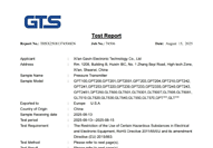
- Quality assurance backed by metrology institute certifications
Our engineering team provides expert consultation to help you select the most appropriate pressure measurement technology for your specific applications. Whether you need basic analog transmitters for simple monitoring or advanced digital units for complex automation systems, GAMICOS delivers reliable solutions.
Ready to optimize your pressure measurement systems? Contact our technical experts to discuss your requirements and receive customized recommendations. Reach out to us at info@gamicos.com to connect with our experienced team and discover how GAMICOS can enhance your industrial measurement capabilities.
References
1. Industrial Automation and Control Systems: Pressure Measurement Technologies. Journal of Process Control Engineering, Volume 45, 2023.
2. Comparative Analysis of Analog vs Digital Pressure Transmitters in Chemical Processing. Process Safety and Environmental Protection, Volume 178, 2023.
3. Digital Communication Protocols for Industrial Pressure Measurement Systems. IEEE Transactions on Industrial Electronics, Volume 70, Issue 8, 2023.
4. Lifecycle Cost Analysis of Pressure Measurement Technologies in Oil and Gas Applications. Journal of Petroleum Science and Engineering, Volume 220, 2023.
5. Accuracy and Stability Assessment of Modern Pressure Transmitter Technologies. Measurement Science and Technology, Volume 34, Number 7, 2023.
6. Wireless Pressure Monitoring Systems for Remote Industrial Applications. Sensors and Actuators A: Physical, Volume 362, 2023.

_1757930850792.jpg)