If you're looking for high-precision submersible level sensors, China is the best place to find them because it has the best quality, the best prices, and the most cutting-edge technology. Chinese companies make complete solutions for automating factories, treating water, keeping an eye on oil and gas, and measuring the amount of different liquids. China provides reliable sensor solutions to markets in the Americas, Europe, and Asia through a variety of channels, such as direct manufacturers, authorized distributors, and specialized B2B platforms. These channels include established supply chains, certified quality systems, and a wide range of OEM and ODM capabilities.
Introducing Submersible Level Sensors and Their Critical Applications
Core Functionality and Technology
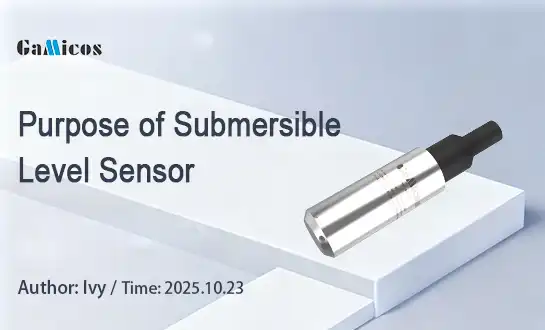
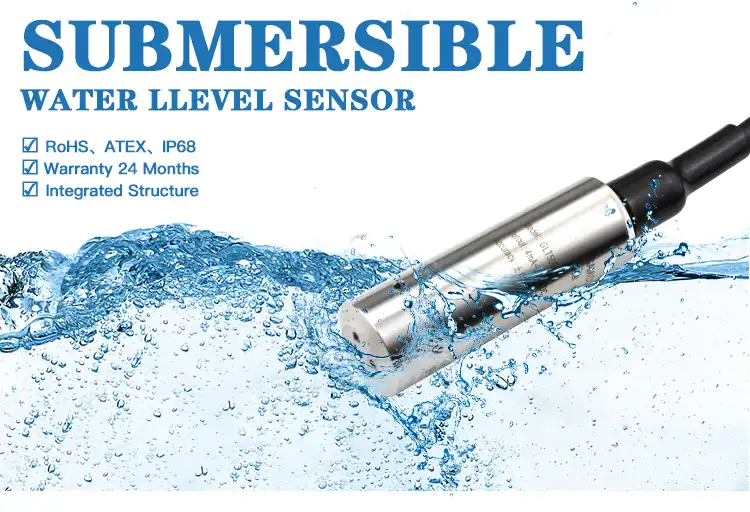
There are high-tech measuring tools called submersible level sensors that are made to work underwater and accurately find the level of liquids. These gadgets use pressure measurement to turn hydrostatic pressure into electrical signals that show how deep the fluid is. In order to get accurate readings in tough conditions, the technology uses piezoresistive elements, strain gauge configurations, or ceramic capacitive sensor elements.
Industrial Applications Across Sectors
Water level sensors are used in a lot of different places, like chemical processing plants, pharmaceutical factories, food and drink factories, and public water treatment systems. These devices are used in industrial automation projects to collect data in real time, which lets automated control systems keep fluid levels at the right level. Submersible pressure transmitters are very useful in the oil and gas business because they can work reliably even in harsh conditions.
Advanced Features and Capabilities
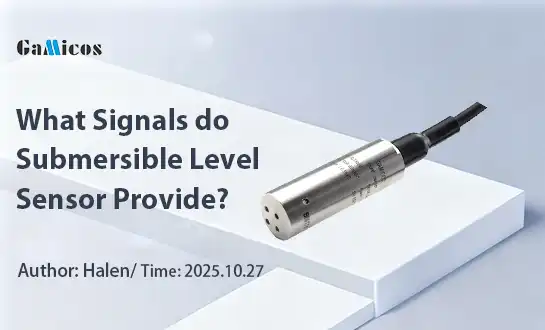
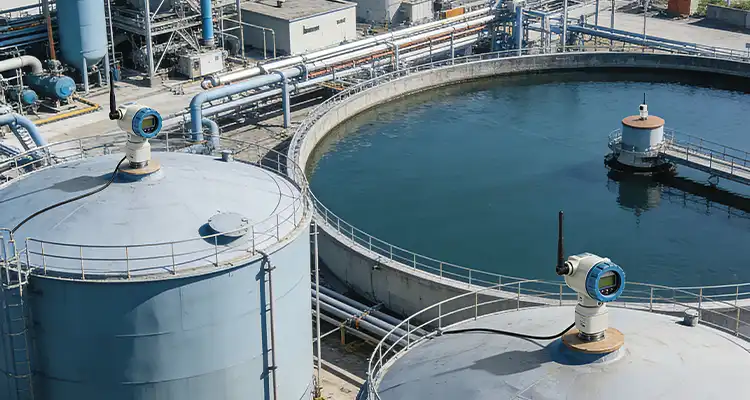
Modern depth sensors are connected to the Internet of Things (IoT), which lets them be monitored from afar using LoRa, GPRS, NB-IoT, and 4G networks. These smart sensors can send out a number of different messages, such as 4-20mA analog, digital RS485, and Modbus. Long-term accuracy is ensured by the ability to calibrate the sensors, and strong building materials protect against rust, changes in temperature, and changes in pressure.
Global Market Dynamics: Supply and Demand Analysis
Americas Market Landscape
Tough rules about the environment and the need for improved industrial automation are driving a strong demand for high-precision level detection systems in North American markets. The US and Canada give more weight to sensors that have a lot of certifications, like UL labels and API approvals. More and more Mexican factories are using automated systems to check the level of fluids, which opens up possibilities for low-cost sensor solutions. The energy and petrochemical businesses in Brazil need sensors that are strong and can work in harsh conditions.
European Market Requirements
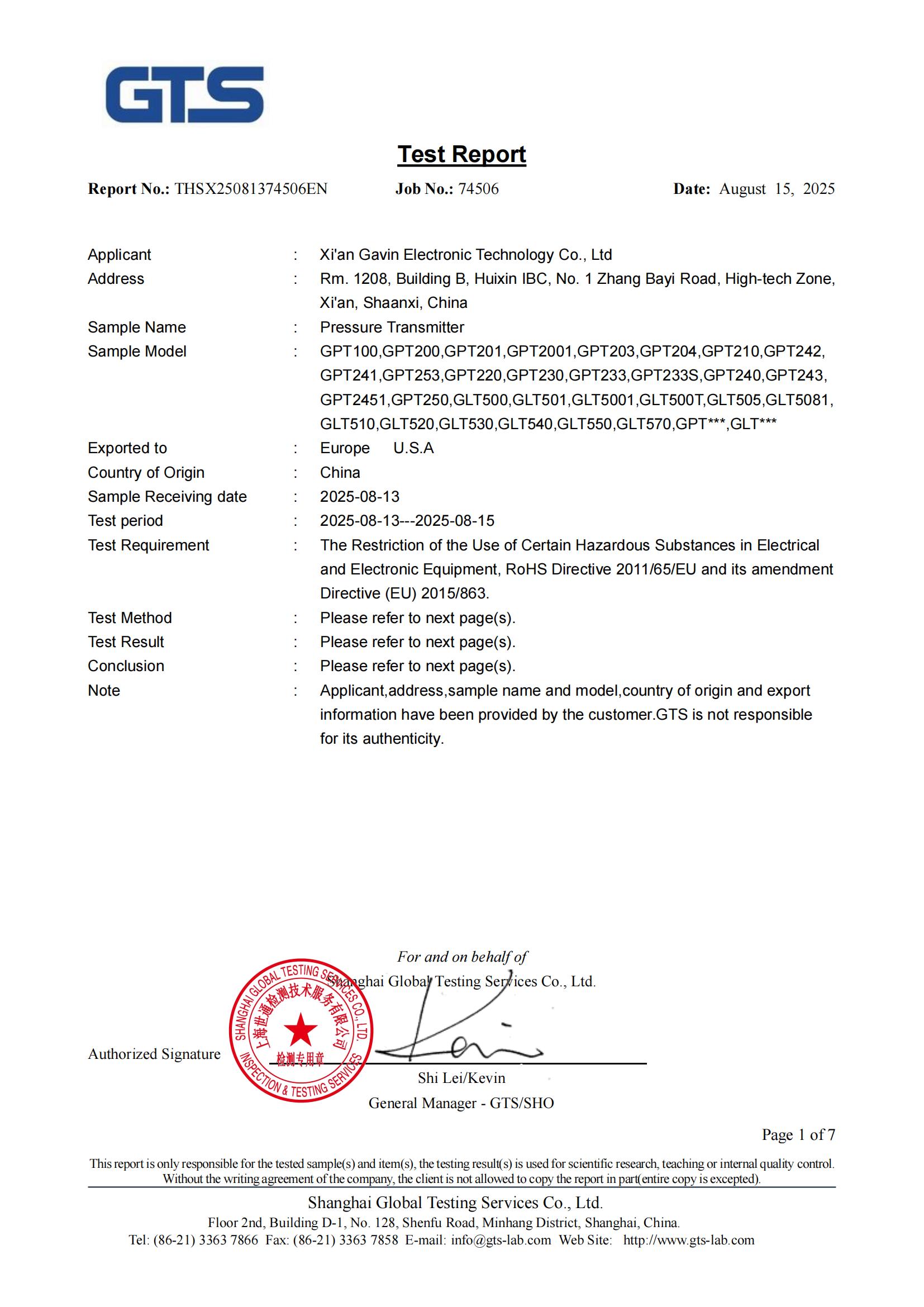
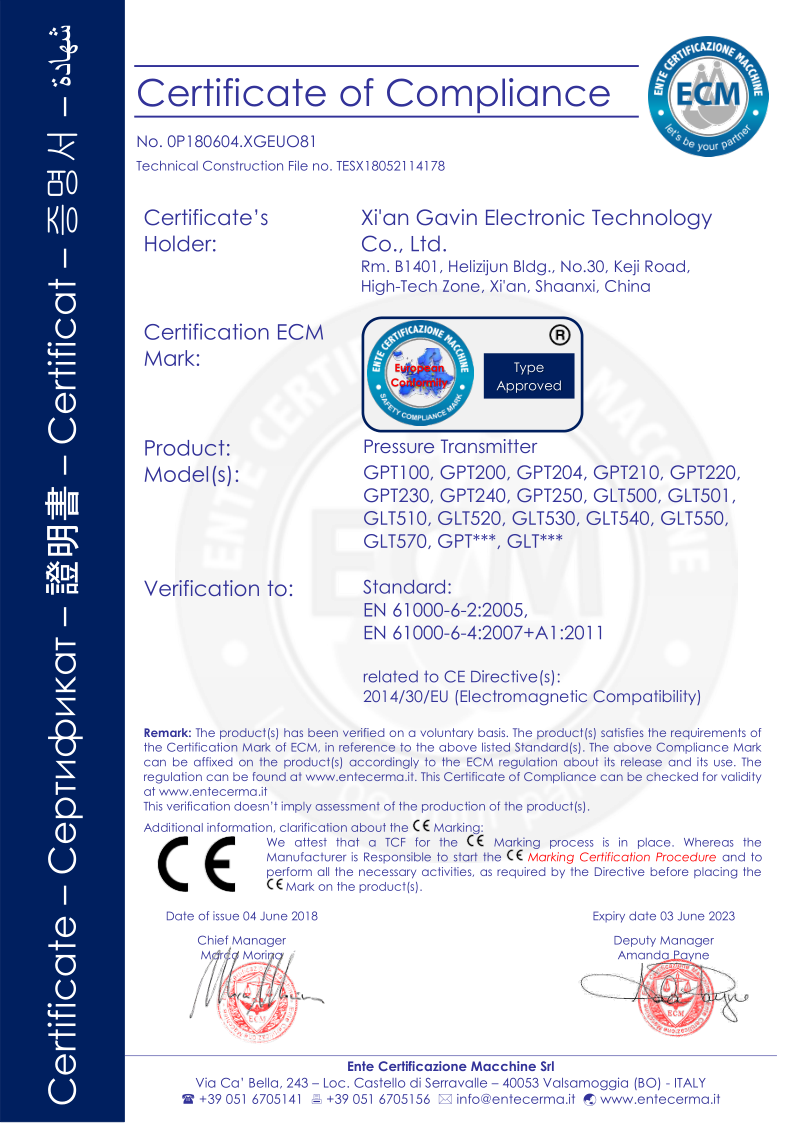
For use in dangerous environments, European markets put a lot of weight on following CE marking, RoHS directives, and ATEX certifications, especially for equipment such as submersible level sensor measurement devices that operate in hazardous or potentially explosive conditions. The German chemical and auto businesses need the highest levels of accuracy and dependability. Scandinavian countries are focusing on making sensors that use less energy for uses that use green energy. For municipal infrastructure projects in the UK, the water utility business needs sensors that meet certain British standards.
Asian Market Growth Trends
Industrial automation is being used more and more in Asian markets, especially in Southeast Asian industry hubs. Singapore and Malaysia put a lot of emphasis on smart manufacturing solutions that use systems that collect data in real time. Australian mining operations need sensors that are rugged and can handle the harsh climate. Japanese industries that make precise goods need sensors that can measure with very high accuracy and use advanced signal processing.
Supplier Evaluation and Quality Assurance Guidelines
Essential Verification Criteria
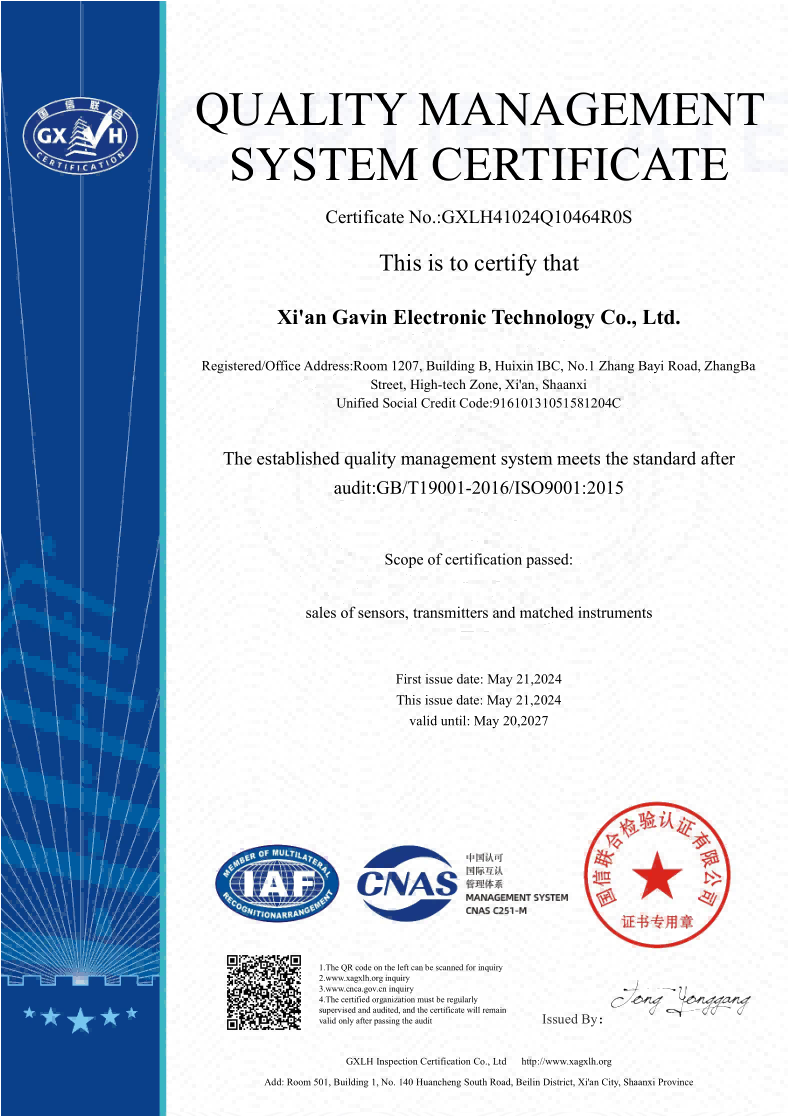
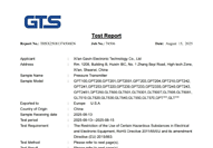
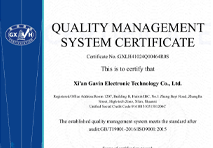
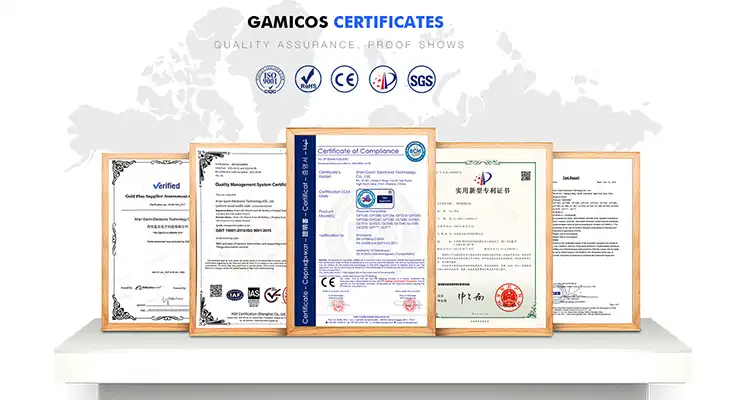
Checking manufacturing certifications, such as ISO 9001 quality management systems, ISO 14001 environmental standards, and any industry-specific approvals, is the first step in a good source screening process. Check out the supplier's testing facilities, output capacity, and quality control methods. Ask for a lot of technical information, like performance test results, calibration certificates, and material certifications. Check the supplier's history of exporting and ask for customer examples from similar projects.
Quality Control Checkpoints
Set up a full set of quality control measures, such as protocols for incoming inspections, batch testing routines, and performance validation tests. Check the accuracy of the sensor by calibrating it independently against norms that can be tracked. Check the quality of the mechanical construction, the stability of the cables, and how well the environmental sealing works. Do accelerated aging tests to check how stable and reliable something will be in the long run. Keep records of all quality control actions so that they can be tracked and warranty claims can be supported.
Technical Support and Service Capabilities
Check out a supplier's technical support system to see if it offers engineering help, application advice, and troubleshooting support. Check how quickly technical questions are answered and whether there is multilingual help staff available. Check the quality of the documentation, such as the installation manuals, calibration steps, and upkeep instructions. Think about suppliers that offer training programs on how to properly set up and maintain sensors.
Procurement Best Practices and Risk Mitigation
MOQ and Payment Considerations
For standard products, the minimum order quantity is usually between 10 and 100 pieces. For custom sensor setups, the minimum order quantity may be between 50 and 500 pieces. For new buyers, the terms of payment usually include 30% down payment and d 70% balance before shipment. Net payment terms of 30 to 60 days are common for long-term contracts. For big sales, you might want to use trade financing, letters of credit, or payment protection services. For complicated customization jobs, talk about setting payment milestones that are linked to quality checkpoints.
Delivery Timeline Management
Submersible level sensor shipping times for stock items are between 2 and 4 weeks, while custom goods take between 4 and 8 weeks to make. Allow more time for getting licenses, taking tests, and preparing paperwork. Think about how changes in the seasons might affect work schedules, especially around Chinese holidays. Set clear deadlines for delivery and include penalties for orders that are late. Keep a buffer stock for important uses to keep production from stopping.
Common Pitfalls and Prevention Strategies
Don't buy from sellers whose prices are too low; this could mean that the quality has been lowered or there are hidden costs. Check the stated certifications with outside sources and ask for copies of the official certificates. Make the warranty's terms clear, such as what it covers, how long it lasts, and how to file a claim. Set up clear technical specs to keep people from getting confused about what needs to be done. Keep track of all of your conversations and deals so that you can settle any disagreements that may come up.
Technology Integration and Future Trends
IoT and Smart Sensor Evolution
When Internet of Things technology is added to standard sensor monitoring systems, they become full data management systems. Edge computing is built into modern submersible sensors. This lets data be processed locally and lowers the amount of bandwidth needed for connection. Through centralized control systems, wireless sensor networks make it possible to keep an eye on many measurement points from afar. Machine learning algorithms improve the performance of sensors by predicting when they will need repair and adjusting their calibration automatically.
Industry 4.0 Applications
Smart manufacturing projects increase the need for sensors that can communicate with corporate resource planning systems and work with advanced communication protocols. For correct virtual modeling, digital twin technologies need sensors that provide high-resolution data. Consistent sensor data quality is needed for predictive analytics applications to find equipment breakdowns before they happen. Cloud-based monitoring platforms make it possible to control sensor networks across multiple facilities as a global fleet.
Conclusion
China is a great place to buy high-precision submersible level sensors because of its low prices, modern technology, and wide range of customization options. To be successful, you need to carefully evaluate suppliers, define specifications clearly, and have strong quality assurance methods in place. Chinese manufacturers are very good at meeting foreign standards and offering flexible OEM/ODM services that are flexible.
As IoT technology and smart manufacturing needs become more integrated, Chinese sensor suppliers will become useful long-term partners for industrial automation projects around the world. Strategic methods to buying things that focus on quality control, technical support, and the dependability of the supply chain make sure that sensors work well and projects are completed successfully in a wide range of industrial settings.
Frequently Asked Questions
What certifications should I look for when purchasing submersible level sensors from China?
Essential certifications include CE marking for European markets, FCC approval for North America, RoHS compliance for environmental safety, and ISO 9001 for quality management. Industry-specific certifications like ATEX for explosive atmospheres, API standards for oil and gas applications, and NSF approval for potable water systems may be required depending on your application.
How can I verify the quality and accuracy of Chinese-manufactured submersible level sensors?
Request calibration certificates traceable to national standards, ask for sample units for independent testing, review quality control documentation, and verify manufacturing facility certifications. Consider third-party inspection services for large orders and establish clear acceptance criteria before shipment.
What are typical lead times and MOQs for custom submersible level sensor orders?
Standard products typically require 2-4 weeks of delivery with MOQs of 10-50 pieces. Custom configurations need 4-8 weeks of production time with MOQs ranging from 50-500 pieces, depending on complexity. Certification requirements may add 2-4 additional weeks to delivery schedules.
What communication protocols are commonly available in Chinese submersible level sensors?
Most manufacturers offer 4-20mA analog output, RS-4855 digital communication, Modbus RTU/TCP protocols, and increasingly, wireless options including LoRa, NB-IoT, and 4G connectivity. Custom communication protocols can often be accommodated for OEM applications.
How do I handle warranty and after-sales support for sensors purchased from China?
Establish clear warranty terms before purchase, typically 12-24 months for standard products. Verify the supplier's technical support capabilities, response times, and replacement part availability. Consider working with suppliers who have local service partners or distributors in your region for faster support.
Partner with GAMICOS for Superior Submersible Level Sensor Solutions
GAMICOS stands as a leading submersible level sensor manufacturer, delivering precision-engineered solutions to over 100 countries worldwide. Our comprehensive product portfolio includes customizable sensors supporting various communication protocols, certifications, and environmental specifications. With extensive OEM/ODM capabilities, dedicated R&D facilities, and rigorous quality control systems, GAMICOS ensures exceptional performance for your liquid level measurement applications.
Our experienced engineering team provides comprehensive technical support from initial consultation through installation and maintenance. Whether you require standard water level sensors or complex integrated monitoring systems, GAMICOS delivers reliable solutions tailored to your specific requirements. Ready to discuss your submersible level sensor supplier needs? Contact us at info@gamicos.com to explore how our innovative sensing technologies can enhance your industrial automation projects.
References
1. International Society of Automation. "Pressure and Level Measurement Best Practices for Industrial Applications." ISA Standards and Guidelines, 2023.
2. Chen, Wei et al. "Advanced Submersible Sensor Technologies for Industrial Automation." Journal of Industrial Instrumentation and Control Systems, Vol. 15, No. 3, 2023.
3. Global Market Research Institute. "Liquid Level Sensor Market Analysis: Regional Trends and Growth Projections 2023-2028." Industrial Automation Report Series, 2023.
4. European Committee for Standardization. "Submersible Pressure Transmitters: Performance Standards and Certification Requirements." EN Technical Specifications, 2023.
5. American Petroleum Institute. "Recommended Practices for Tank Gauging and Level Measurement Systems." API Publication 2350, Fourth Edition, 2023.
6. Zhang, Ming and Liu, Xiaoping. "IoT Integration in Industrial Sensor Networks: Applications and Implementation Strategies." Chinese Journal of Industrial Automation, Vol. 28, No. 2, 2023.

_1757930850792.jpg)