If you install a Radar Level Gauge properly, it will work perfectly in harsh industrial settings and give you accurate readings of the level of liquids. These sensors don't need to be touched and use advanced radar technology to measure continuously in a range of tank shapes and process conditions. For a proper installation, you need to know how to mount the device, how to handle signals, and how the surroundings can affect the accuracy of your measurements. For process control and safety tracking to work well, industrial automation systems need accurate level measurement data.
Understanding Radar Technology for Level Measurement
Radar Level Gauge works by sending microwave signals into the medium being measured and then reading the signals that are reflected to figure out the level of the liquid. In dangerous environments, this non-contact sensor technology is much better than standard ways of measuring. The radar device uses time-of-flight calculations to get very accurate readings, no matter what the temperature, pressure, or vapor levels are. Modern smart sensors use complex signal processing algorithms to get rid of interference and account for changes in the surroundings.
These devices are reliable and accurate enough to be used in important tank monitoring tasks, which helps industrial automation systems. Engineers can choose the best mounting locations and configuration parameters if they understand the basic concepts. Process instrumentation experts know that radar sensors are the best way to take continuous measurements in tough circumstances. The technology works great in places where normal touch methods don't work because they are corrosive. Operators can keep an eye on multiple measurement places from a central control system thanks to remote monitoring.
Pre-Installation Planning and Site Assessment
A thorough site assessment and planning part is the first step to a successful installation. Scientists need to look at the shape of the tank, the different ways it can be mounted, and any outside sources of interference that might affect how well the measurements work. Process control needs to decide where sensors should be placed and how they should talk to each other in data acquisition systems. For applications that involve watching tanks, the properties of the liquid, the working conditions, and safety rules must all be carefully thought through.
Mounting height estimates make sure that the measurement range is good and that maximum fill levels are kept at safe distances. Wireless transmission choices give you more options in tough installation situations where running cables can be a pain. Environmental factors have a big effect on how well sensors work and how long they last. Extremes in temperature, shaking, and electromagnetic interference can all make measurements less stable.
By finding these problems early on in site studies, engineers can use the right methods to fix them during installation. The study of the documentation includes the vessel's specs, the layout of its current instruments, and the requirements for maintenance access. Procedures for calibration must be in line with the needs of the process and government guidelines. During the planning stages, power supply needs and how to connect to the current networks of process instruments are also thought through.
Mounting Hardware and Positioning Guidelines
Choosing the right mounting hardware is important for a safe fitting and good beam propagation patterns. Standard flange connections make attaching tanks strong for most tank designs. Custom mounting brackets can be made to fit different vessel shapes and limited room in retrofit situations. Positioning instructions stress staying away from internal structures, agitators, and tank walls that could block the beam. To keep signal scattering to a minimum, the Radar Level Gauge beam should aim at wet surfaces that are perpendicular to it.
Making sure there is enough space around heating coils, stairs, and other obstacles stops false echoes from happening. Corrosion resistance is very important in places where chemicals are processed because active media make things hard. The materials used to make sensor housings must be able to handle high temperatures and chemicals for the whole time they are supposed to last. If you choose the right gasket, it will seal well even when the temperature changes.
When figuring out the installation height, you need to balance the measurement range needs with the ease of upkeep access. The recommended mounting distances from the tank walls keep the readings stable at all working levels and stop beam interference. In situations where there are a lot of mechanical problems, vibration isolation may be needed.
Electrical Connections and Signal Integration
For uses in dangerous areas, electrical installation follows well-known safety rules. Different sensor models and communication options have different power source needs. Using the right grounding methods keeps electrical interference from happening and keeps people safe while maintenance work is being done. How the output signals are set up depends on how they need to be integrated with other control systems. Traditional process control tools can directly talk to analog outputs.
Through industrial networks, digital communication protocols make it possible for improved diagnostic tools and remote monitoring functions. The way cables are routed protects the purity of signals and stops electromagnetic interference. Shielded wires are better at blocking noise in places with a lot of electrical noise. When you use the right termination methods, your connections will stay strong even when the temperature changes and the object moves.
Standardized signal formats and transmission protocols are good for systems that collect data. Loop-powered setups make installation easier by sending both power and signal through a single pair of cables. Wireless choices get rid of the problems that come with routing cables in hard-to-reach places.
Calibration Procedures and Performance Verification
The first calibration sets exact measurement standards for the shape of the tank and the properties of the liquid. Empty tanks are used as zero-level references, and known liquid levels are used to make sure that measurements are constant. More advanced sensors come with more than one way to calibrate them so they can be used in a variety of installation situations. Performance verification makes sure that measurements are correct across the whole working range.
Measurements of static levels and evaluations of dynamic responses during filling and emptying cycles are part of the test processes. Requirements for documentation make sure that things can be tracked and that quality control systems are followed. Signal processing parameters need to be changed depending on the needs of the program. Echo curve analysis helps find and get rid of echoes that aren't wanted from inside the tank. Adjustments for sensitivity make the device work best with different types of fluids and surface conditions.
Accuracy in continuous measurements rests on how well they are set up at the start and checked on a regular basis. The time between calibrations is in line with what the process needs and what the law says. Advanced diagnostic tools check the health of the sensors and the quality of the signals to figure out when repair is due before it happens.
Troubleshooting Common Installation Issues
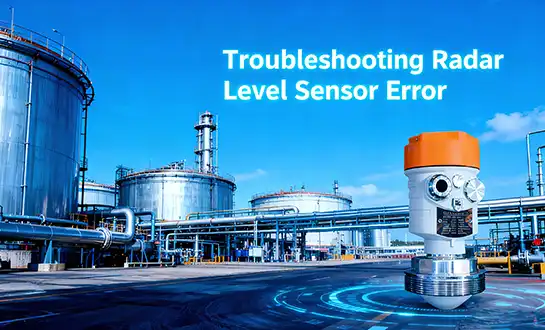
Signal interference from close metal structures or equipment is a common problem during installation. By changing the beam angle, Radar Level Gauge data can be sent away from reflectors that are causing problems. In complicated tank configurations, interference problems that won't go away may be fixed by moving the mounting positions. Communication troubles are usually caused by bad wiring or protocol settings that don't work with each other. Systematic repair steps separate measurement problems from electrical problems.
Signal monitors help figure out what's wrong with communication and find noise sources that are slowing things down. In extreme working conditions, environmental factors can sometimes be worse than what the sensor was designed to handle. Temperature compensation functions keep the accuracy even when the temperature changes a lot. Sensitive electronics are protected by protective housings from harsh weather and mechanical effects.
When performance drops over time, it's usually because deposits are building up on the sensor plates or the process conditions have changed. Cleaning methods and calibration checks are part of regular maintenance schedules. Trend research finds small changes that could mean problems are getting worse.
Maintenance Best Practices and Long-Term Performance
Preventive maintenance plans make sure that things work well for a long time and increase the service life of sensors. Inspections done on a regular basis check the state of the housing, the connections between cables, and the mounting hardware. Cleaning methods get rid of buildups that could get in the way of signal transmission. Modern sensors come with diagnostic features that are very helpful for upkeep. Status tracking finds possible problems before they affect the performance of measurements.
Predictive maintenance plans help make sure that unexpected problems don't happen and that maintenance is done at the best times. The inventory of spare parts should include important parts that can break down due to wear or damage from the surroundings. In harsh service situations, gaskets, cable assemblies, and protective covers need to be replaced from time to time.
Documentation tools keep track of past maintenance and when to replace parts. Performance trends find small changes that could mean problems are getting worse or that the process needs to be changed. Verifying the calibration regularly keeps measurements accurate and in line with quality standards. Training programs make sure that people who work in repair know how to do things right and follow safety rules.
Conclusion
Successful radar level gauge installation requires careful planning, proper mounting techniques, and thorough calibration procedures. Understanding the technology fundamentals and following established best practices ensures reliable performance in demanding industrial environments. Professional support from experienced manufacturers like GAMICOS provides additional assurance for critical measurement applications. Proper installation techniques combined with regular maintenance deliver long-term measurement accuracy and operational reliability. The investment in quality radar level measurement technology pays dividends through improved process control and reduced maintenance costs.
Partner with GAMICOS for Professional Radar Level Gauge Solutions
GAMICOS is a reliable company that makes radar level gauges and has worked with industry clients all over the world for a long time. In our wide range of products, we have high-tech radar sensors made especially for tough industry uses in the chemical, petroleum, and pharmaceutical sectors. Professional technical help makes sure that installations go smoothly and that the system works at its best for a long time. Our engineering team makes special solutions to deal with measurement problems that only happen in complicated industrial settings.
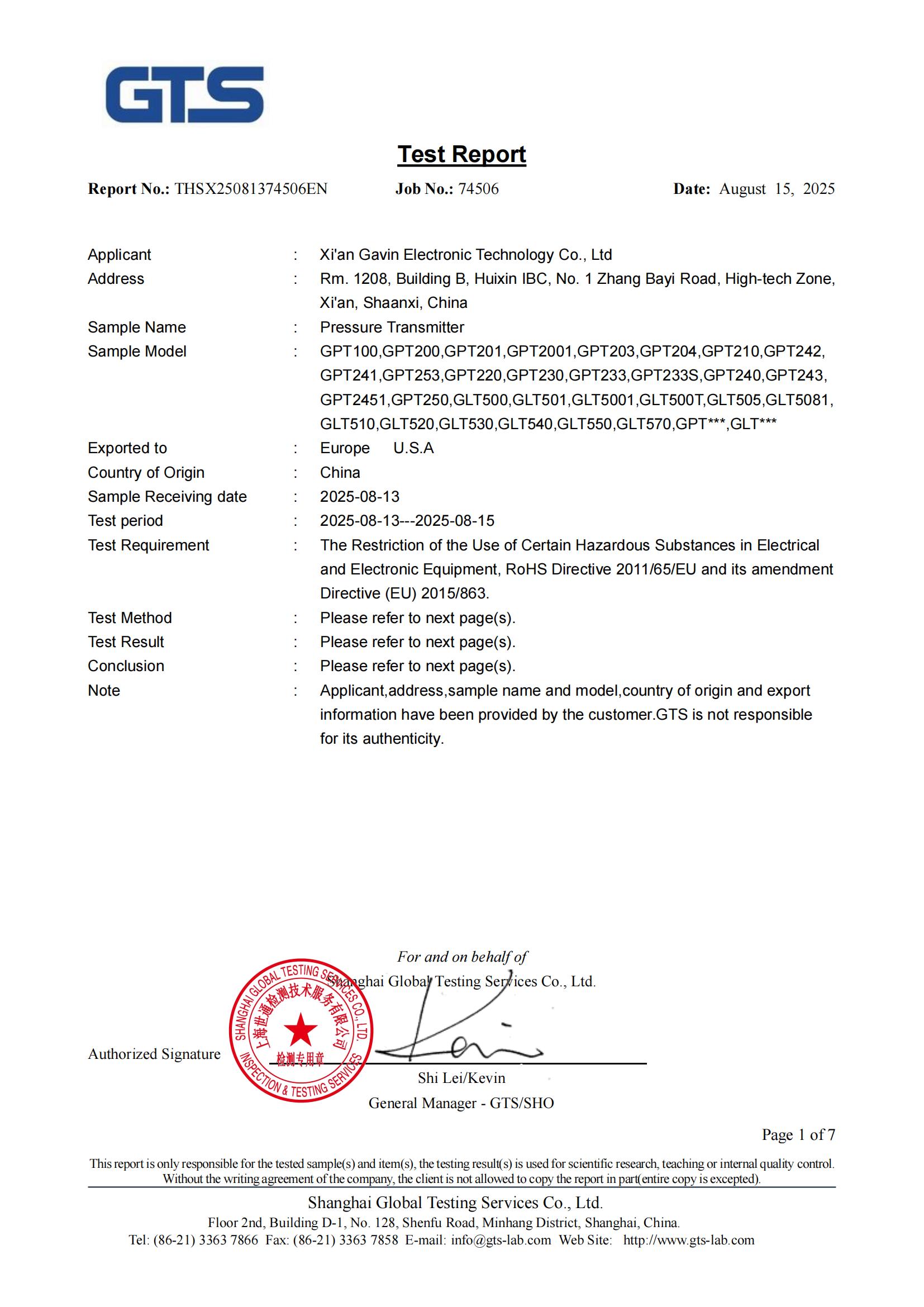
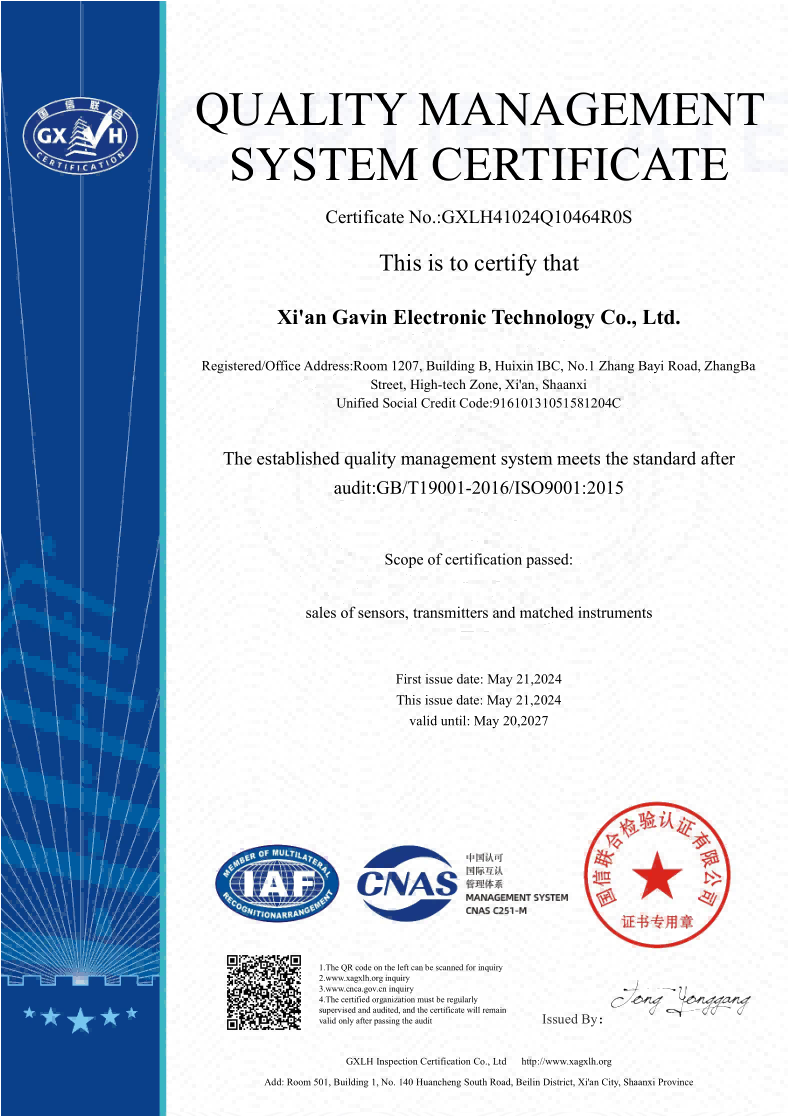
OEM and ODM services can meet unique needs for communication protocols, sensor interfaces, and mechanical layouts. Quality assurance programs make sure that strict manufacturing standards are met, as well as foreign certifications like ISO, CE, and RoHS compliance. The global supply chain makes sure that both individual monitors and large orders are delivered on time. Technical documentation and help with installation make putting the idea into action go more smoothly.
After-sales service that covers everything includes help with calibration, troubleshooting, and getting new parts. Try professional radar level measurement options in your industrial settings and see the difference they make. Get in touch with us at info@gamicos.com to talk about your unique needs and find out how GAMICOS can help you improve your process control.
References
1. Industrial Automation Society Standards Committee. "Guidelines for Non-Contact Level Measurement in Process Industries." Process Instrumentation Handbook, 2023 Edition.
2. Peterson, M.J. and Williams, R.K ."Radar Level Measurement Technology: Principles and Applications." Journal of Process Control Engineering, Vol. 45, No. 3, 2023.
3. European Committee for Standardization. "Safety Requirements for Level Measurement Devices in Hazardous Areas." EN 50495:2023 Industrial Safety Standards.
4. Thompson, D.A ."Installation Best Practices for Microwave Level Sensors in Chemical Processing." Chemical Engineering Progress, April 2023 Issue.
5. International Society of Automation. "Calibration Procedures for Radar-Based Level Transmitters." ISA-18.2-2023 Technical Standard.
6. Rodriguez, C.L. and Chen, H.W ."Troubleshooting Guide for Industrial Radar Level Measurement Systems." Instrumentation and Control Systems Magazine, March 2023.

_1757930850792.jpg)