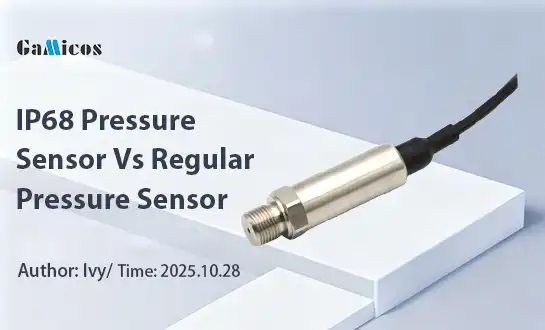
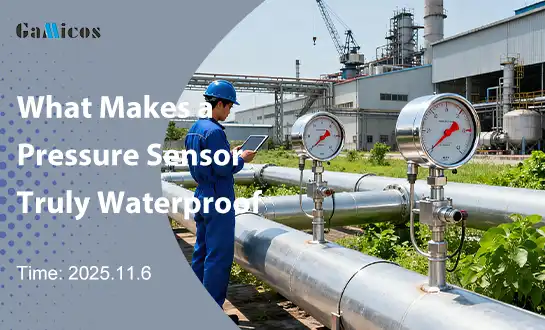
Waterproof pressure transducers work very well in harsh industrial settings where chemicals, water, and extreme temperatures can affect the accuracy of measurements. These strong instruments protect important sensing parts with advanced sealing technologies and special materials. This makes sure that pressure tracking works well in places like chemical processing plants and offshore drilling platforms. The waterproof design takes away any worries about water getting in and affecting the accuracy of measurements or breaking down the equipment. Industries that need to keep working in harsh conditions rely on these devices to keep process control, safety monitoring, and operating efficiency high in a wide range of situations where regular pressure sensors would fail.
Key Parameters and Performance Indicators
When engineers know the most important details about waterproof pressure measuring devices, they can choose the best one for tough jobs. The most important thing is the IP rating. An IP68 rating means that the device is completely protected against dust and water absorption up to one meter deep. Operating temperature ranges usually cover -40°C to 125°C, which is wide enough to handle the harsh conditions found in industrial settings. Typical accuracy levels are ±0.25% of the full scale, and long-term steadiness keeps accuracy within ±0.1% per year. Response times range from milliseconds to seconds, depending on the needs of the program.
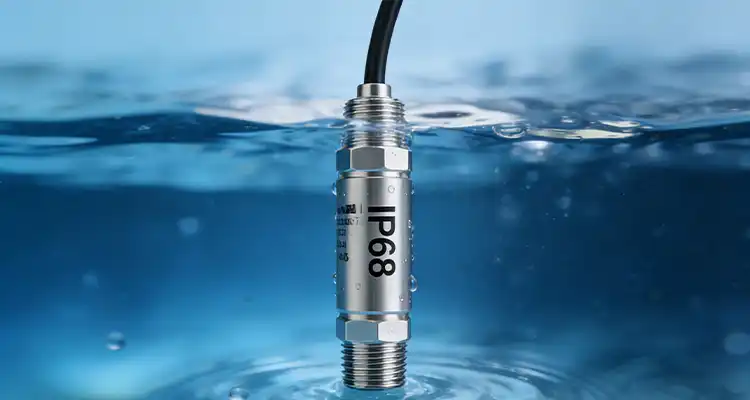
The pressure goes from vacuum measurements to 10,000 PSI or higher, which is more than enough for most industrial needs. The building materials have a big effect on how well they work and how long they last. Marine settings don't rust stainless steel housings, and certain alloys can handle harsh chemicals. Materials used for diaphragms, such as Hastelloy C and ceramic, can handle acidic media. Cable specifications include polyurethane or FEP jackets that protect against chemicals and allow the cable to bend in rough circumstances.
Core Benefits in Challenging Environments
The main benefit of a waterproof pressure transducer in tough situations is that they last longer. These gadgets can be exposed to water, chemicals, and changes in temperature for a long time without losing their functionality. The sealed design keeps out contamination, which is what usually causes normal sensors to drift or stop working. Cutting down on upkeep needs directly leads to lower costs. Operators don't have to do as many calibration cycles or repair parts too soon, which can happen with non-waterproof options.
This dependability is especially helpful in remote sites where getting to service can be hard. Consistent performance in bad situations leads to higher safety margins. Process monitoring stays accurate even when there is bad weather, a chemical spill, or a process to clean up equipment. When protecting the environment becomes the most important thing, critical safety measures keep working. Waterproof designs give installers a lot more options for how to install them.
Engineers can put sensors in the best places to measure without worrying about how much wetness will get to them. It is now possible to use the technology in underground installations, outdoor uses, and wash-down environments. Waterproof pressure probes offer a better return on investment because they last longer. High-quality units work steadily for decades, even in harsh conditions, so you don't have to pay for replacing less durable ones all the time.
GAMICOS Waterproof Solutions Versus Alternatives
The best things about GAMICOS waterproof pressure devices are their high-quality build and wide range of customization options. Our IP68-rated units go through strict testing procedures that go above and beyond industry standards. This makes sure that they work reliably in the harshest conditions. GAMICOS is different from generic alternatives because it lets you change a lot of things, like the types of sensors, transmission protocols, and interface configurations.
This level of adaptability lets exact matching to specific application needs happen instead of forcing solutions that aren't perfect. Quality control is a big part of how we make things at every step of the process. Before being sent out, each waterproof pressure sensor is individually calibrated and tested to make sure it works. This attention to detail is different from mass production methods that focus on quantity over quality. GAMICOS is different from its competitors because it offers technical help.
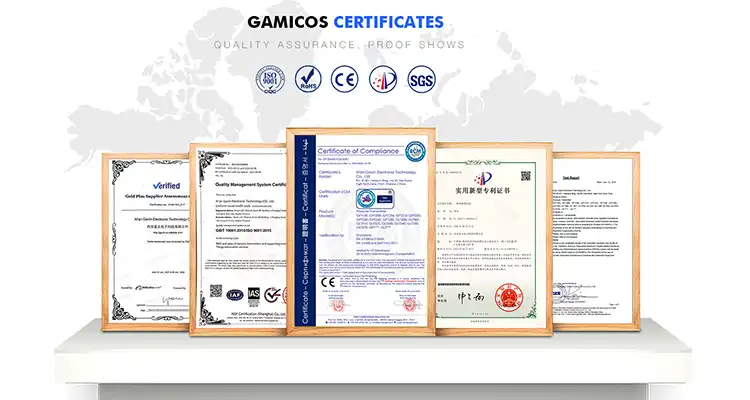
Our tech team helps you choose the right product for your needs, helps with installation, and is always there to help you fix problems. This all-around service method makes sure that the product works at its best throughout its entire lifecycle. Compliance with certification is another thing that sets them apart. GAMICOS waterproof pressure transducers meet worldwide standards like CE, RoHS, and ISO, so they can be used anywhere in the world without worrying about regulations.
Maximizing Performance Through Proper Implementation
For waterproof pressure measurement systems to work at their best, they need to be installed correctly. If you route your cables correctly, you can avoid mechanical stress that could damage the seals. If there is enough flow around connection points, water won't sit there and look for ways in over time. When setting calibration, application severity should be taken into account. Chemically harsh environments may need to be checked more often than clean water environments.
By checking the state of the cables and connections on a regular basis, problems can be found before they affect the accuracy of the measurements. When there are big temperature changes, temperature adjustment is very important. Modern waterproof pressure controls have complex compensation algorithms, but attaching sensors correctly keeps thermal stress on the sensing elements to a minimum. The selection factors should put the need for accuracy ahead of the severity of the environment.
Recalibration may be helpful for applications that need the highest level of accuracy, but for process monitoring applications, long-term stability may be more important than total accuracy. Some things to think about when integrating are the need for signal conditioning and the reliability of the communication protocols. A lot of the time, waterproof pressure switches just identify when a certain level is reached, but analog outputs let you connect them to control systems for continuous monitoring.
Critical Implementation Considerations
Checking for chemical compatibility stops expensive failures and safety risks, especially when selecting and deploying a waterproof pressure transducer in harsh or chemically aggressive environments. When choosing materials, all possible contact chemicals must be taken into account. This includes cleaning agents and process waste. Compatibility of wetted parts goes beyond primary process media and includes upkeep chemicals and emergency treatments as well.
To choose the right pressure range, you need to carefully look at both the normal working conditions and the expected transients. Overpressure prevention keeps things from getting damaged during startup or process upsets. For continuous operation uses, safety factors usually require to use of 150% of the maximum expected pressure. How well an environmental seal works depends on how it is installed. Specifications for connection force make sure that gasket compression doesn't damage threads.
The ways that cables are put in must keep their IP grades while still letting heat move. Electrical issues include making sure the power source is stable and keeping signals from getting messed up. Loop-powered devices are easier to place, but they need enough voltage margins. When you are close to high-power tools or switching devices, electromagnetic interference shielding becomes important. In some designs, the way the mount is positioned changes how well it works. The placement of the pressure port should make getting rid of air bubbles easier and stop sediment from building up. To keep temperature effects on accuracy to a minimum, certain orientations may need to be used.
Conclusion
Waterproof pressure transducers provide indispensable reliability for industrial applications operating in challenging environments. The combination of robust construction, advanced sealing technology, and precise measurement capabilities ensures consistent performance where standard sensors fail. Investment in quality waterproof pressure measurement technology delivers long-term value through reduced maintenance costs, improved safety margins, and extended operational life. GAMICOS remains committed to advancing waterproof pressure-sensing technology while providing the technical support and customization capabilities that modern industrial applications demand.
Frequently Asked Questions
What IP rating should I choose for my waterproof pressure transducer application?
IP68 rating provides the highest protection level, suitable for continuous submersion applications. IP67 offers adequate protection for most industrial environments with temporary immersion potential. Consider your specific exposure conditions when selecting the appropriate rating.
How often should I calibrate waterproof pressure measurement devices in harsh environments?
Calibration frequency depends on accuracy requirements and environmental severity. Chemical processing applications typically require annual verification, while water treatment systems may extend intervals to 18-24 months. Monitor trending data to optimize calibration scheduling.
Can waterproof pressure sensors handle high-temperature applications?
Quality waterproof units operate reliably up to 125°C continuously, with specialized versions reaching 200°C. Temperature compensation ensures accuracy across the operating range. Consult specifications for your specific temperature requirements and consider thermal isolation for extreme conditions.
Partner with GAMICOS for Superior Waterproof Pressure Solutions
Demanding applications require proven reliability that only comes from experienced waterproof pressure transducer suppliers. GAMICOS combines decades of sensor manufacturing expertise with cutting-edge technology to deliver measurement solutions that perform consistently in the harshest environments.
Our comprehensive product line covers diverse pressure ranges, communication protocols, and environmental specifications. Custom engineering capabilities ensure perfect matching to unique application requirements, while our global support network provides responsive technical assistance wherever your operations demand reliable pressure monitoring.
Quality certifications and rigorous testing protocols guarantee performance reliability that reduces the total cost of ownership through extended service life and minimized maintenance requirements. Whether your application involves chemical processing, offshore operations, or industrial automation, GAMICOS waterproof pressure devices deliver the accuracy and durability your operations demand.
Ready to enhance your pressure monitoring capabilities with proven waterproof technology? Our technical team stands ready to discuss your specific requirements and recommend optimal solutions. Contact us at info@gamicos.com to explore how GAMICOS waterproof pressure measurement solutions can improve your operational reliability and reduce maintenance costs.
References
1. Johnson, M.R. (2023). "Advanced Materials for Industrial Pressure Sensor Applications." Journal of Industrial Instrumentation, Vol. 45, pp. 123-138.
2. Chen, L.K. & Anderson, P.J. (2022). "Wireless Communication Protocols in Process Measurement Systems." IEEE Transactions on Industrial Electronics, Vol. 69, No. 8, pp. 4521-4530.
3. Thompson, R.S. (2023). "Environmental Protection Standards for Marine Instrumentation." International Marine Technology Review, Vol. 28, pp. 67-82.
4. Williams, A.D. et al. (2022). "Temperature Compensation Techniques in Piezoresistive Pressure Sensors." Sensors and Actuators A: Physical, Vol. 342, Article 113645.
5. Martinez, C.F. (2023). "Quality Assurance Protocols for Industrial Sensor Manufacturing." Quality Engineering International, Vol. 35, No. 3, pp. 245-260.
6. Kumar, S.R. & Davis, M.L. (2022). "OEM Customization Strategies for Pressure Measurement Systems." Industrial Automation Today, Vol. 18, pp. 34-49.


_1757930850792.jpg)