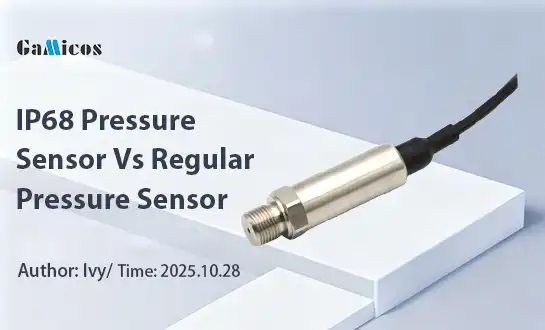
OEM customization of waterproof pressure sensors requires careful consideration of application requirements, environmental conditions, and performance specifications. A waterproof pressure transducer serves as the foundation for reliable measurement systems across industries like chemical processing, marine applications, and food production. This comprehensive guide explores critical aspects of customization, including housing materials, protection ratings, signal output options, and calibration parameters. Understanding these elements ensures optimal sensor performance while meeting specific operational demands. Successful customization balances technical specifications with cost-effectiveness, creating measurement solutions that withstand harsh environments while maintaining long-term accuracy and stability.
Comprehending Waterproof Pressure Sensor Fundamentals
The core of many industrial uses is waterproof pressure measurement technology, which keeps equipment working even when water, chemicals, or harsh conditions are present. Advanced sealing methods and strong building materials are used in modern waterproof pressure monitors to keep measurements accurate even in harsh environments. Different sensing methods are used to turn mechanical pressure into electrical signals, which is how these devices work.
Different types of piezoresistive elements, capacitive sensors, and strain gauge configurations all have their own benefits that rely on the needs of the application. Designs for waterproof pressure transmitters use special housings that keep sensitive parts safe while still letting pressure flow to the detecting element. The choice of material is very important for the waterproof function of a pressure sensor. In chemical situations, stainless steel housings are very resistant to corrosion, and in marine settings, special coatings make them last longer.
The material of the sensing diaphragm must be able to handle repeated pressure cycles without wearing out or moving. This will ensure that the measurements are stable over time. Temperature compensation is very important in waterproof situations where temperature changes can affect how accurate measurements are. High-tech waterproof pressure modules have temperature sensors and digital compensation systems that keep the accuracy even when the temperature changes a lot. For outdoor installations and process tracking systems, this feature is a must.
Critical Customization Parameters for OEM Applications
To successfully customize OEM parts, you must first carefully look at the needs of the unique application. The sensitivity, resolution, and overpressure safety of a sensor are all affected by the pressure range it is set to. For example, continuous monitoring systems or control applications usually need different requirements than waterproof pressure gauge applications. Setting up the output signals is another important part of tailoring. For older control systems, analog outputs like 4-20mA and 0-10V are still common.
For newer IoT uses, digital interfaces like RS-485, Modbus, and wireless protocols are more common. For waterproof pressure monitor systems to work with a variety of control architectures, they often need more than one output choice. Ratings for environmental protection must match how the equipment is actually used. IP67 ratings are good for most industry uses, while IP68 ratings are better for situations where the device is submerged in water all the time.
For marine and offshore uses, you might need special waterproof pressure probe types that can handle more shocks and salt spray. How electrical connections are made has a big effect on how flexible a system is and how reliable it is in the long run. Cable links are easy to use, but they need to be properly sealed and relieved of stress. Connector-based systems are easier to maintain, but they add more places where things need to be sealed. Designs for waterproof pressure devices have to find a mix between ease of use and safety needs.
The calibration factors have a direct effect on the accuracy of measurements and the suitability of an application. Zero and span changes let you fine-tune for certain pressure ranges, and linearity corrections make sure that the measurements are accurate all the way across the measurement span. Calibration methods for waterproof pressure transducers need to take temperature changes and long-term stability needs into account.
Advanced Features and Technology Integration
Modern waterproof pressure transducer technology has advanced features that make it work better and make using it more enjoyable. Digital compensation methods fix issues caused by temperature, nonlinearity, and wear and tear, keeping measurements accurate over long periods of time. Traditional waterproof pressure measuring systems can be turned into smart monitoring systems with wireless communication features. LoRa, NB-IoT, and 4G technologies make it possible to collect data remotely from difficult spots where wired links wouldn't work.
These waterproof pressure controller systems let you watch in real time with very little trouble during installation. Another improvement in waterproof pressure sensor technology is the ability to diagnose itself. Sensor drift, electrical faults, and environmental stress conditions can all be found by the built-in health tracking system. This feature is especially useful in serious situations where the accuracy of measurements has a direct effect on safety or process efficiency.
Pressure data loggers that are waterproof can store data, which lets you look at trends and plan for maintenance. Onboard memory storage records changes in pressure even when contact is lost or when there is maintenance. This makes sure that all data for process optimization efforts is always available. With multi-parameter sensing, you can record pressure as well as temperature, humidity, or vibration, all in one waterproof package. This integration makes installation easier while giving advanced control systems full tracking capabilities for the environment.
Industry-Specific Customization Requirements
The chemical and pharmaceutical businesses need special waterproof pressure switch designs that meet very high standards for safety and purity. Electropolished surfaces, FDA-approved materials, and the ability to work with both CIP and SIP make sure that regulatory standards are met while measurement accuracy is maintained. For use in food and drinks, a waterproof pressure transducer technology that can handle harsh cleaning methods is needed.
Cleaning solutions that are very acidic, cycles of high temperatures, and regular washing all put stress on the sensors' ability to last. For these tough working conditions, special housing materials and sealing methods are needed. Marine and offshore settings have their own problems, such as corrosion from salt spray, exposure to vibration, and big changes in temperature. Waterproof pressure probes made for these uses have better rust protection and shock-resistant construction to make sure they work reliably in rough marine conditions.
In the oil and gas business, applications often need both waterproof and explosion-proof certifications. Designs that are intrinsically safe stop sources of fire while keeping measurement accuracy in dangerous environments. To make sure they meet safety standards, these waterproof pressure measuring systems go through strict certification steps. Water treatment plants use waterproof pressure transmitters to keep an eye on filtering systems, pump performance, and distribution networks. For these uses, chlorine protection, UV stability, and biofilm prevention become very important design factors.
Quality Assurance and Testing Protocols
Comprehensive testing procedures make sure that waterproof pressure sensors work reliably in a wide range of settings. Pressure cycling tests show that sensors can handle being loaded and unloaded many times, and temperature cycling tests show how well sensors can handle temperature changes. Submersion tests at certain levels and times are used for waterproof integrity testing to make sure the seals work. These tests go beyond what is normally expected to provide safety gaps for unexpected environmental exposure.
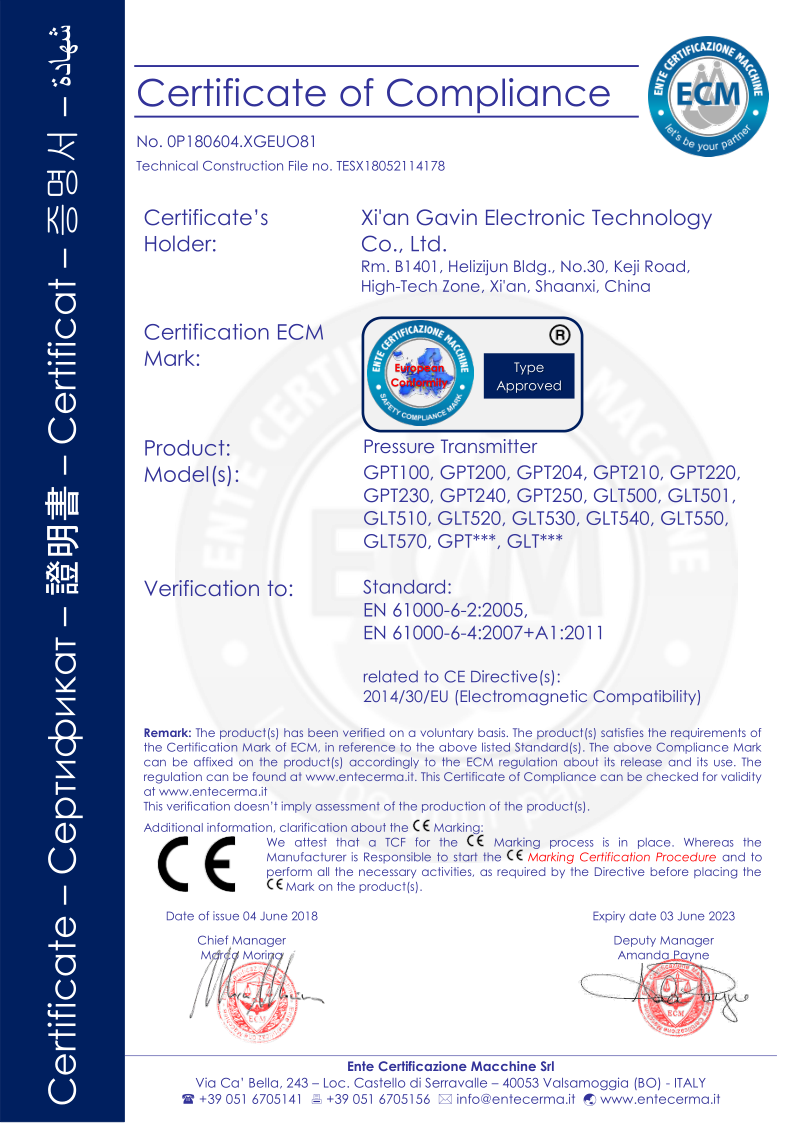
Helium leak monitoring methods find tiny problems with the seals that could make the system less reliable over time. Electromagnetic compatibility testing makes sure that the performance of waterproof pressure modules stays stable in places with a lot of electrical noise. A lot of electromagnetic radiation is made by factories, which can mess up sensitive measurement systems. With the right shielding and filters, the signal stays intact even in these tough situations.
Procedures for calibration verification prove the accuracy of the waterproof pressure transducer over a range of specified operating conditions. Traceable temperature and pressure tanks and standards allow for accurate calibration that meets international metrology standards. As a way to ensure the quality of the product, documentation packages include testing certificates and performance data. Controlled stress exposure and accelerated aging tests can tell you how well a waterproof pressure sensor will work in the long run. Protocols for temperature cycles, vibration testing, and chemical exposure act out years of use in a short amount of time, finding possible failure modes before the product is released.
Conclusion
Successful waterproof pressure sensor customization requires careful attention to application-specific requirements, environmental conditions, and performance specifications. Understanding fundamental design principles enables informed decisions regarding housing materials, output configurations, and protection ratings. Advanced features like wireless communication and self-diagnostics enhance functionality while industry-specific requirements demand specialized approaches. Quality assurance protocols ensure reliable performance across diverse operating conditions. GAMICOS combines extensive customization capabilities with comprehensive support services, delivering tailored waterproof pressure transducer solutions that meet exacting OEM requirements while maintaining competitive positioning in global markets.
Partner with GAMICOS for Waterproof Pressure Transducer Solutions
GAMICOS delivers comprehensive OEM customization services for waterproof pressure transducer manufacturer requirements across global markets. Our engineering team collaborates closely with clients to develop tailored solutions that meet specific application demands while maintaining cost-effectiveness and delivery reliability.
Our extensive customization capabilities encompass housing materials, output configurations, communication protocols, and environmental ratings. Whether you need specialized waterproof pressure sensor designs for chemical processing or ruggedized units for marine applications, GAMICOS provides complete development support from concept through production.
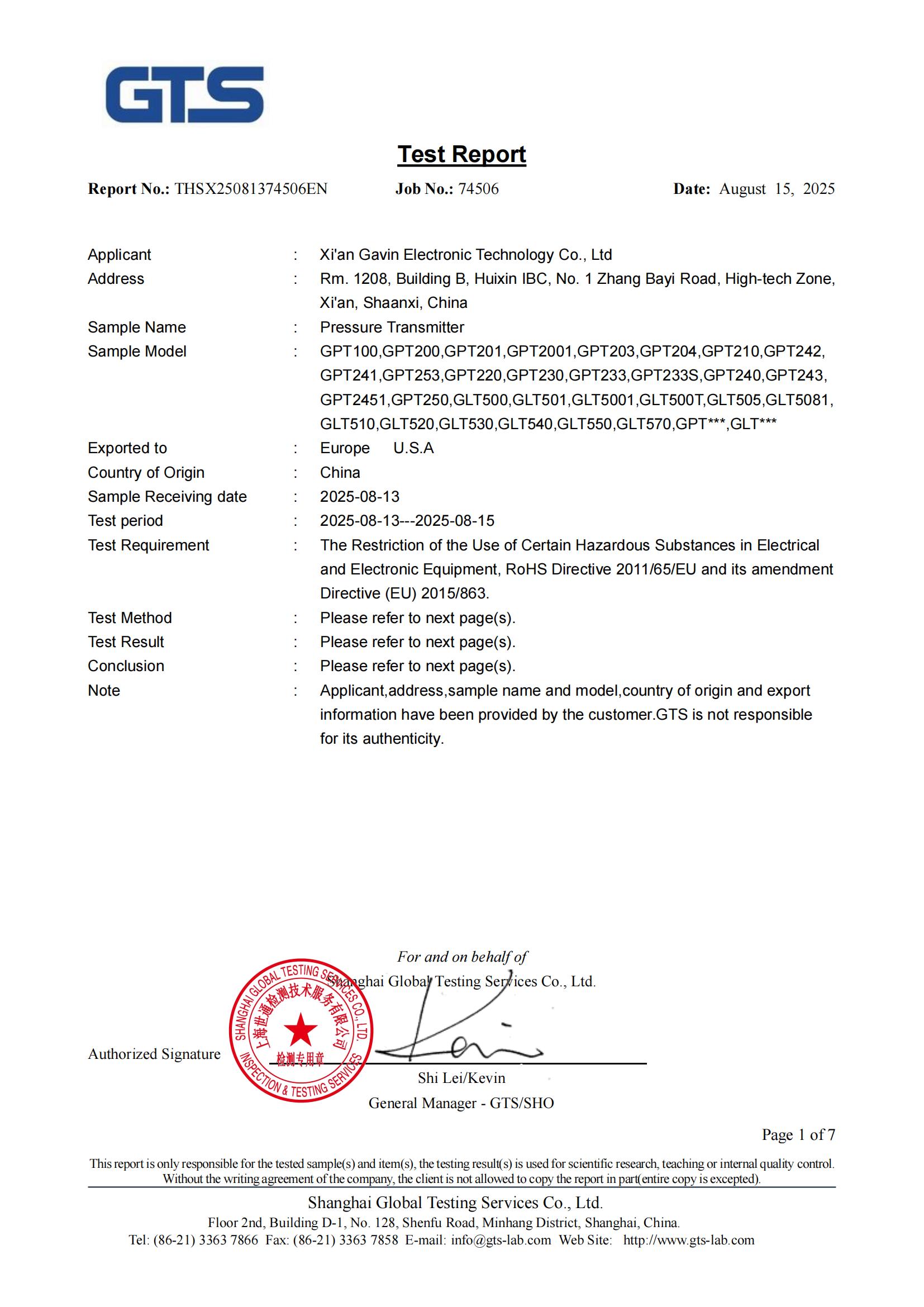
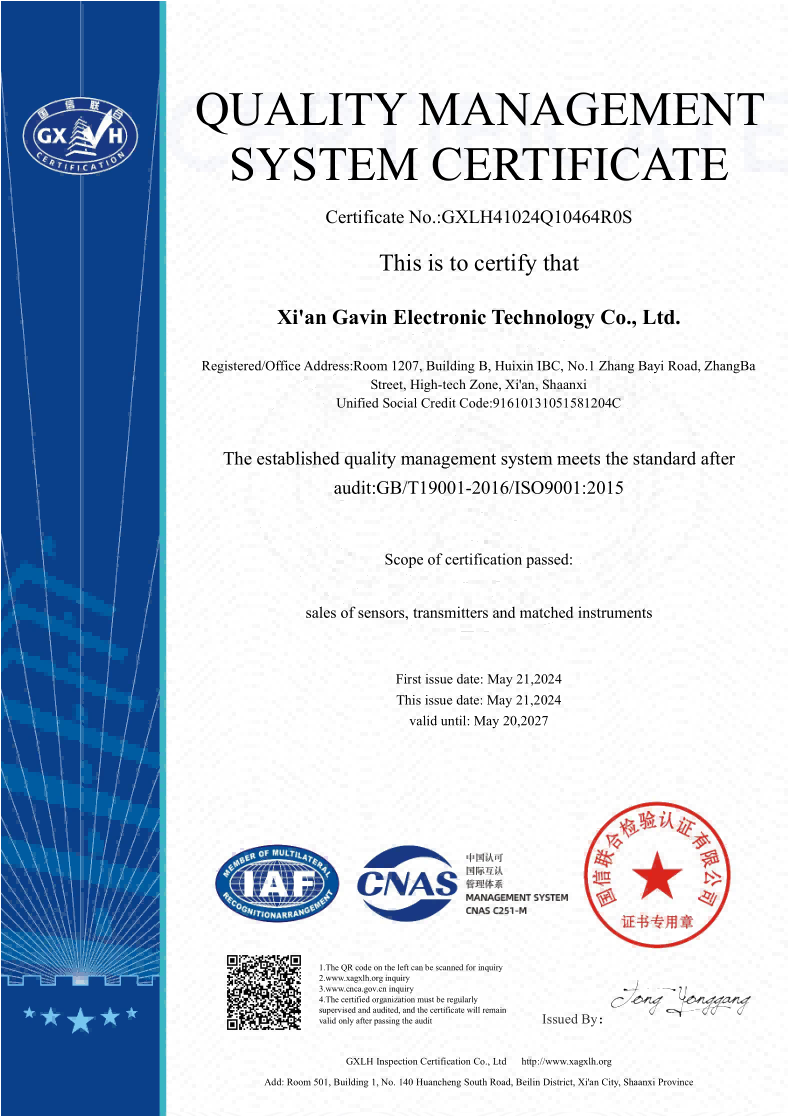
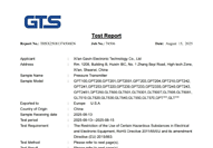
Quality assurance remains paramount throughout our customization process. Comprehensive testing protocols validate performance specifications while ensuring compliance with international standards, including CE, RoHS, and ISO certifications. Our quality systems provide documentation packages that support customer approval processes and regulatory compliance.
Technical support extends beyond product delivery through installation guidance, calibration assistance, and ongoing maintenance consultation. Our global service network ensures responsive support regardless of deployment location, maintaining long-term partnership relationships that drive mutual success.
Ready to explore customization possibilities for your next project? Our experienced team stands ready to discuss your specific requirements and develop optimal waterproof pressure measurement solutions. Contact us at info@gamicos.com to begin your customization journey with a trusted industry partner.
References
1. Johnson, M.R. (2023). "Advanced Materials for Industrial Pressure Sensor Applications." Journal of Industrial Instrumentation, Vol. 45, pp. 123-138.
2. Chen, L.K. & Anderson, P.J. (2022). "Wireless Communication Protocols in Process Measurement Systems." IEEE Transactions on Industrial Electronics, Vol. 69, No. 8, pp. 4521-4530.
3. Thompson, R.S. (2023). "Environmental Protection Standards for Marine Instrumentation." International Marine Technology Review, Vol. 28, pp. 67-82.
4. Williams, A.D. et al. (2022). "Temperature Compensation Techniques in Piezoresistive Pressure Sensors." Sensors and Actuators A: Physical, Vol. 342, Article 113645.
5. Martinez, C.F. (2023). "Quality Assurance Protocols for Industrial Sensor Manufacturing." Quality Engineering International, Vol. 35, No. 3, pp. 245-260.
6. Kumar, S.R. & Davis, M.L. (2022). "OEM Customization Strategies for Pressure Measurement Systems." Industrial Automation Today, Vol. 18, pp. 34-49.

_1757930850792.jpg)