Understanding the main differences between waterproof pressure transducers and standard models is important for getting the best performance when choosing pressure measurement options for industrial use. Waterproof pressure transducers have grades of IP65, IP67, or IP68, which mean they are very good at keeping out water, dust, and harsh weather. Standard pressure transducers can work in controlled indoor settings because they don't need any special sealing to do their basic job. The main differences are the levels of environmental safety, the materials used, the cost, and the performance needs of each application.
Understanding Environmental Protection Ratings
The Ingress Protection (IP) rating system tells us how well electronic gadgets protect us from solid objects and liquids getting inside. Most waterproof pressure sensors have grades of IP67 or IP68, which means they are completely protected from dust and water. Devices with an IP67 rating can be submerged in water up to 1 meter deep for 30 minutes. IP68-rated units are even safer because they can withstand being submerged in water for a long time at a depth of 1 meter. Standard pressure transducers usually have an IP54 or IP65 grade, which means they can handle splashes but not deep water.
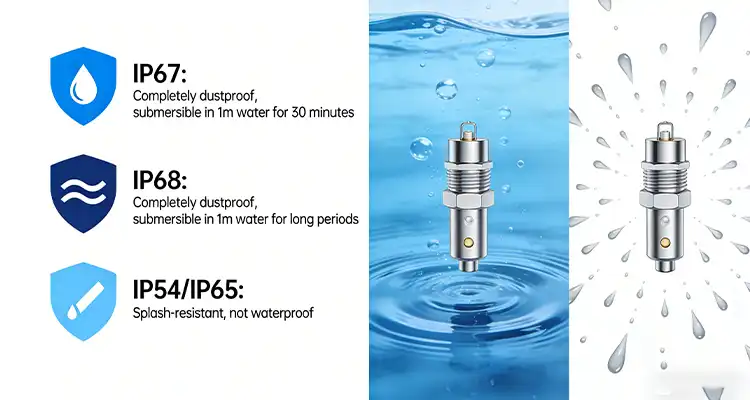
Three core protection differences include:
- Seal integrity - Enhanced gaskets and O-rings in waterproof models
- Cable entry design - Specialized connectors prevent moisture ingress
- Housing materials - Corrosion-resistant alloys and protective coatings
If you need pressure measurement in outdoor applications or wet environments, then waterproof pressure transducers are more suitable for ensuring reliable long-term operation.
Construction and Design Variations
Pressure measuring tools that are waterproof are built in a way that makes them different from regular types. Stainless steel 316L or marine-grade aluminum with better surface treatments are usually used for the housing. The jackets of cable bundles are made of polyurethane or PTFE and have stronger strain reliefs. Standard pressure sensors use common materials like PVC cable sheaths and aluminum alloy housings. These materials work fine in controlled settings, but they don't last long enough for harsh circumstances. The protection for the sensing element is also very different between types.
Waterproof pressure probe designs include:
- Welded diaphragm construction eliminates potential leak paths
- Hermetically sealed electronics compartments
- Conformal coating application on circuit boards
- Specialized vent designs for gauge pressure applications
When waterproof pressure units are being made, they have to go through more testing procedures. Pressure decay tests, helium leak detection tests, and submersion tests are all done on each machine. Most of the time, standard models only get basic functional testing and not external validation. If you need waterproof pressure controller solutions that are specifically made for OEM applications, then specialized makers can make designs that meet your needs.
Performance Characteristics and Accuracy
When it comes to protecting the environment, waterproof pressure devices often meet or beat the performance requirements of standard transducers. As with standard models, accuracy scores are usually between 0.1% and 0.5% of the full scale. Temperature compensation is still very important for both systems. Test results from lab tests show that after 1000 hours of salt spray contact, waterproof pressure sensors lose less than 0.05% of their accuracy. In the same settings, standard transducers showed a 0.2% loss of accuracy. Long-term security is better in waterproof designs because the parts are better protected.
Key performance metrics include:
- Pressure range capabilities - Both types available from millibars to 10,000+ PSI
- Response time - Waterproof models may show slight delays due to protective barriers
- Output signal stability - Enhanced in waterproof designs through better EMI shielding
- Calibration retention - Superior in harsh environment applications
Even if water gets on the cable connections, the waterproof pressure signal transfer stays the same. For standard models to work reliably, the joining points must be dry. This difference is very important for sites that are outside or in humid industrial settings. If you need to measure accurate, waterproof pressure for pharmaceutical or food processing purposes, then hygienic designs with higher accuracy standards are the best choice.
Application Scenarios and Industry Usage
Based on the environment and government rules, different businesses choose waterproof pressure transducers over standard ones. Because of the risks of being exposed to water, marine applications, offshore platforms, and water treatment plants only use waterproof pressure monitor devices. For outdoor installations and wash-down areas, chemical processing companies often ask for waterproof pressure gauge technology. When making food and drinks, shapes need to be waterproof so that they can be cleaned properly. Standard pressure transducers are still widely used in HVAC systems, lab tools, and home automation.
Common waterproof applications include:
- Municipal water systems and wastewater treatment
- Agricultural irrigation and precision farming
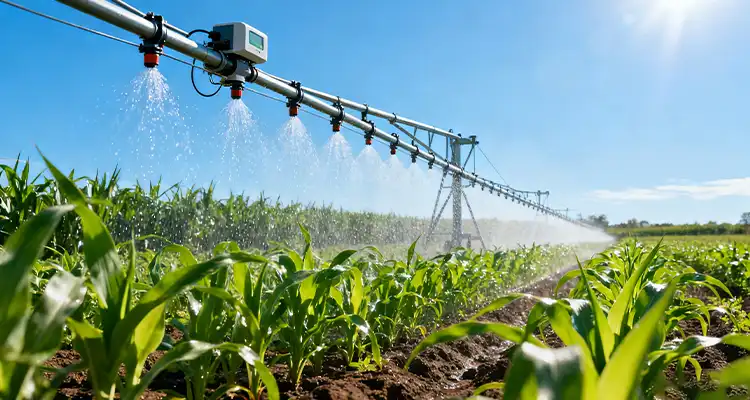
- Marine vessel systems and offshore drilling
- Chemical storage tank monitoring
- Food processing equipment with CIP requirements
Installation issues are very different between types. Pressure sensor cable systems that are waterproof can be buried directly or routed underwater. For outdoor use, standard models need conduit cover and sealed junction boxes. Maintenance schedules also change depending on the climate. In harsh situations, waterproof units can work for 5 to 10 years without any service. Standard transducers in controlled settings have the same lifespans as long as they are cleaned and calibrated regularly. If you need to keep an eye on pressure for underground utilities or uses that are underwater, waterproof pressure data collection systems are the best way to do it.
Cost Analysis and Return on Investment
Because they are made with better materials and using better manufacturing methods, waterproof pressure transducers usually cost 20 to 40 percent more than normal models at first. Total cost of ownership estimates, on the other hand, often favor waterproof designs in tough environments because they cost less to maintain and replace. Standard pressure sensors are cheaper up front, but they may need protective enclosures, conduit systems, and be replaced more often in harsh environments. Over time, the cost of labor for installation and upkeep can have a big effect on project budgets.
Economic comparison factors:
- Initial equipment cost - Standard models are 20-40% less expensive
- Installation complexity - Waterproof designs simplify outdoor mounting
- Maintenance frequency - Reduced service intervals with environmental protection
- Replacement rates - Lower failure rates in harsh conditions
- System downtime costs - Reduced with reliable waterproof operation
When buying in bulk, waterproof pressure technology is often the best choice for projects that will be used both inside and outside. Standardizing on models that are better for the environment simplifies inventory and cuts down on the need for extra parts. To lower the risk of callbacks, engineering companies often ask for waterproof designs. Looking at the total lifecycle costs instead of just the original purchase price can help you make a better decision when looking for cost-effective pressure measurement solutions for big industrial projects.
Conclusion
Understanding the distinctions between waterproof pressure transducers and standard pressure transducers enables informed equipment selection for industrial applications. Waterproof designs provide superior environmental protection through enhanced sealing, specialized materials, and rigorous testing protocols. While initial costs may be higher, the total ownership benefits often justify the investment in challenging environments.
Standard pressure transducers remain viable options for controlled indoor applications where environmental protection is less critical. However, the versatility and reliability of waterproof pressure sensor technology make it increasingly popular across diverse industries. Careful evaluation of application requirements, environmental conditions, and lifecycle costs guides optimal selection decisions.
Transform Your Pressure Measurement Projects with GAMICOS Waterproof Solutions
GAMICOS stands as a leading waterproof pressure transducer manufacturer, delivering innovative measurement solutions to over 100 countries worldwide. Our comprehensive product portfolio includes pressure sensors, liquid level sensors, and wireless monitoring systems designed for the most demanding industrial environments.
Our waterproof pressure sensor housing technology incorporates advanced materials and precision manufacturing processes. Each waterproof pressure module undergoes rigorous testing protocols, including submersion trials, pressure cycling, and electromagnetic compatibility verification. This commitment to quality ensures reliable operation in chemical processing, marine applications, and food manufacturing environments.
GAMICOS waterproof pressure transducer advantages include:
- IP68 protection rating for continuous submersion applications
- Stainless steel 316L construction with enhanced corrosion resistance
- Temperature compensation across -40°C to +125°C operating range
- Accuracy specifications from 0.1% to 0.25% full-scale output
- Multiple pressure ranges from 0-1 PSI to 0-15,000 PSI capability
- Customizable output signals including 4-20mA, 0-5V, and digital protocols
- Specialized cable assemblies with polyurethane jacketing
- Hygienic designs meeting FDA and 3A sanitary standards
- Explosion-proof certifications for hazardous area installations
- OEM/ODM services with logo engraving and custom packaging
- One-year warranty coverage with comprehensive technical support
- Rapid prototyping capabilities for specialized applications
Our dedicated R&D team collaborates with international research institutes to advance waterproof pressure sensor technology. Multiple patents protect our innovative designs, ensuring customers receive cutting-edge solutions. GAMICOS maintains ISO 9001 quality certification and CE compliance across all product lines.
Ready to enhance your pressure measurement capabilities with reliable waterproof technology? Our experienced application engineers provide personalized consultation and product recommendations based on your specific requirements. Contact us at info@gamicos.com to discuss your waterproof pressure measurement needs and receive detailed technical specifications.
References
1. International Electrotechnical Commission. "IEC 60529: Degrees of Protection Provided by Enclosures (IP Code)." 3rd Edition, Geneva: IEC, 2019.
2. American Society of Mechanical Engineers. "ASME B40.100: Pressure Gauges and Gauge Attachments." New York: ASME Press, 2020.
3. National Institute of Standards and Technology. "NIST Special Publication 250-83: Pressure Metrology Guidelines for Industrial Applications." Gaithersburg: NIST, 2021.
4. International Society of Automation. "ISA-S51.1: Process Instrumentation Terminology Standard." Research Triangle Park: ISA, 2018.
5. British Standards Institution. "BS EN 61298: Process Measurement and Control Equipment - General Methods and Procedures for Evaluating Performance." London: BSI Group, 2019.
6. Deutsches Institut für Normung. "DIN 16086: Pressure Measurement Technology - Requirements for Industrial Applications." Berlin: DIN Standards, 2020.


_1757930850792.jpg)