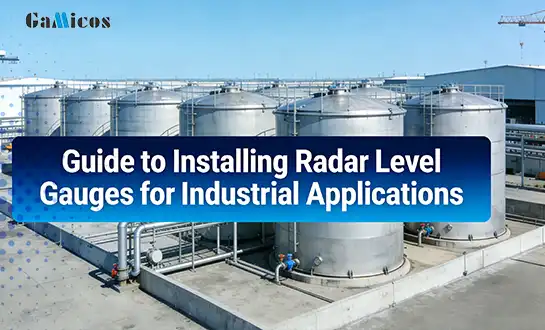
When choosing the right non-contact radar level sensor for chemical applications, you need to think about a lot of technical factors, such as how well it works with chemicals, how accurate the measurements are, and the conditions of the surroundings. These high-tech monitors use microwave technology to accurately measure the level of liquids without touching them directly with harmful or corrosive materials. When engineers look at radar level sensors, they have to look at frequency ranges, antenna designs, signal processing power, and certification needs to make sure they work well in harsh chemical conditions. Knowing these factors helps procurement teams make smart choices that improve the safety of the process and the speed of operations.
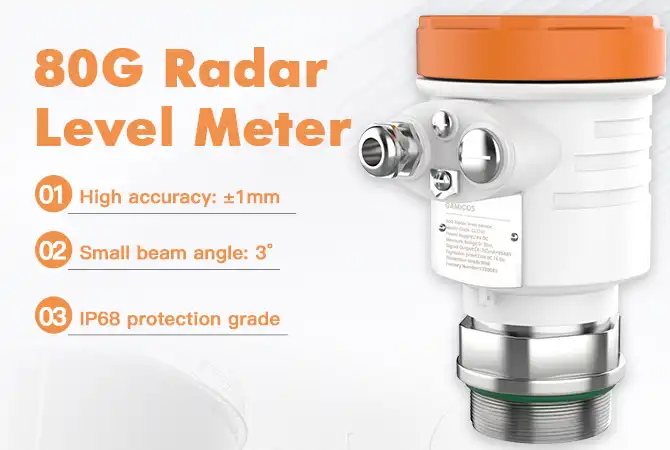
Understanding Radar Technology for Chemical Applications
Radar technology changes the way chemical tanks are monitored by getting rid of the need for direct contact with aggressive media. FMCW (Frequency Modulated Continuous Wave) and pulse radar systems are the two main types of technology used in modern radar devices. The frequency shifts in reflected radar waves are measured by advanced signal processing methods in FMCW sensors, which make them more accurate. Radar devices send out microwave signals that can go through vapor, foam, and dust that are common in chemical storage tanks.
The time-of-flight theory is used by echo detection systems to figure out exact distances. These sensors work in a number of frequency ranges, but 26 GHz and 80 GHz are the most common ones used in industrial robotics. Non-contact Radar Level Sensor. Doppler principles improve measurement accuracy by blocking unwanted rays from inside the tank. Beamforming technology narrows the radar's energy beams so that nozzles, heating coils, and agitators don't interact with the signal. This accuracy is very useful for engineering managers who are in charge of complicated chemical processes where accuracy has a direct effect on safety and output.
Chemical Compatibility and Material Considerations
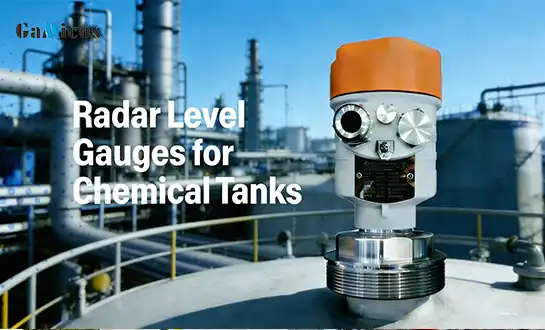
Chemical conditions have their own problems that need special antenna materials and housings to protect them. The choice of antenna relies on the chemicals involved, the temperature ranges, and the properties of the vapor. PTFE antennas work best in places with a lot of corrosion, while stainless steel antennas can handle some chemical exposure. Sensors that are made with the right IP ratings and explosion-proof standards are useful for process control systems.
ATEX and IECEx certifications make sure that sites in dangerous areas meet international safety standards. Concerns of sourcing managers who put worker safety and following the rules are addressed by these certificates. Vapor density changes how radar waves travel, which means that choosing the right sensor is very important for getting correct range measurements. Chemicals with a low dielectric constant need sensors that are more sensitive, while conductive liquids may need specific changes to the frequency. Knowing these qualities of the material helps R&D managers choose the right sensor configurations for a wide range of chemical uses.
Frequency Selection and Measurement Performance
Choosing the right frequency has a big effect on how well measurements work in chemical settings. Non-contact Radar Level Sensor. Sensors with a higher frequency have better resolution and smaller beam angles, which makes them perfect for narrow tanks or situations where exact target identification is needed. Lower frequencies are better at getting through heavy smoke, but they lose some accuracy. Different makers have different signal processing abilities, which can make measurements less stable in tough situations.
Changes in temperature and dielectric constant that happen a lot in chemical processes are taken into account by advanced algorithms. Automation managers who want consistent performance in a wide range of operational situations will like these features. Frequency selection decisions are affected by the measurement range needs. Lower frequencies may work better for long-range tasks, while higher frequencies are better for accurate short-range readings. When project managers look at sensor choices, they have to weigh these trade-offs against performance requirements and budget limits.
Installation and Environmental Factors
Installation issues are very important for how well sensors work and how long they last. Radar waves are affected by the height of the mounting, the shape of the tank, and any possible obstacles. When placed correctly, the beam covers the most area while influence from structures is kept to a minimum. When sensors are outside, where they are exposed to extreme temperatures and weather, they need to be able to monitor the environment.
Ultrawideband sensors work better in changing environments because they can pick up signals more clearly and are less affected by noise. Adding wireless sensors to a system lets you do remote tracking, which is especially useful for chemical storage facilities that are spread out. LoRa, GPRS, NB-IoT, and 4G technologies are just some of the transmission protocols that these systems can handle. Engineering contractors like how flexible these wireless solutions are during the phases of system integration and testing.
Communication Protocols and System Integration
Many different types of communication protocols can be used with modern radar sensors, so they can be easily integrated with current control systems. Non-contact Radar Level Sensor. Different types of automation systems can use the HART, Modbus, Profibus, and Foundation Fieldbus protocols. Simplified configuration and upkeep tasks are made easier for data acquisition systems with standard communication interfaces. Sensor fusion lets you combine radar data with data from other measurement technologies to get more accurate results and more backups.
This method works especially well in the food and drug processing industries, where accurate measurements are important for making sure products are safe and following rules. Monitoring features that don't get in the way cut down on upkeep needs while increasing process safety. These features are liked by site managers whose job it is to keep downtime and operational costs as low as possible. Predictive maintenance insights from advanced monitoring functions help keep things from breaking down when they least expect it.
Certification and Quality Standards
Radar devices must meet strict quality and safety standards in order to be certified internationally. European conformity is shown by the CE mark, and environmental issues are addressed by RoHS compliance. ISO certifications prove that quality systems and standards for product reliability are followed in production. Traceability documentation and calibration certificates help quality assurance programs, which are important for businesses that are regulated.
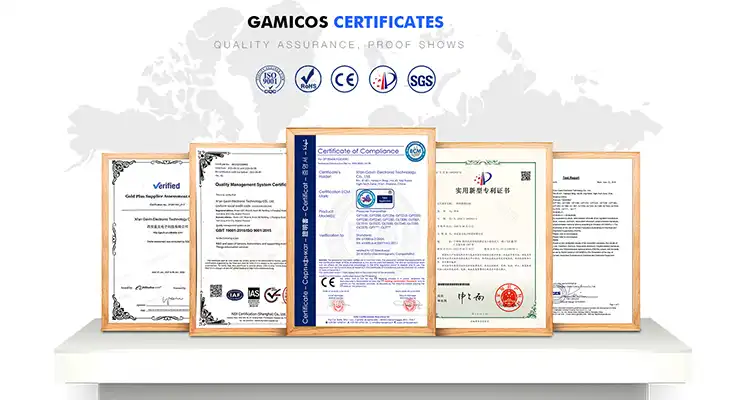
These certificates ease the minds of quality managers who are putting in place complete measurement systems in food and drug processing. Certifications from metrology institutions show that the sensor's boasts about accuracy and performance are true. These credentials are especially important for engineering managers who have to pick precise measurement places where errors have a direct effect on safety and process control systems.
Cost Considerations and Total Ownership Value
When buying sensors, choices must be made that weigh the initial costs against the long-term benefits for operations. Most of the time, premium sensors are more accurate, last longer, and need less upkeep, which makes the higher initial costs worth it. When putting together product lines for tough jobs, importers and wholesalers know about these value propositions. For big projects and OEM uses, being able to supply in bulk and offering competitive prices becomes very important.
Project deadlines and customer satisfaction goals can be met with reliable delivery schedules and uniform quality standards. These things should be thought about because they are important for general workers who are in charge of big industrial automation projects. Total ownership costs are affected by the quality of after-sales service and the availability of technical assistance. Quick response support teams cut down on the time needed to fix problems and make sure that sensors work at their best throughout their entire operating lifecycles. This support is especially helpful for customers from other countries who need help quickly but are in different time zones.
Conclusion
Selecting optimal non-contact radar level sensors for chemical applications requires careful evaluation of technology types, frequency ranges, material compatibility, and certification requirements. Understanding these critical factors enables informed procurement decisions that enhance safety, accuracy, and operational efficiency. Consider measurement range requirements, environmental conditions, communication protocols, and long-term support capabilities when evaluating sensor options. Partner with experienced manufacturers offering comprehensive technical support, quality certifications, and customization capabilities to ensure successful project outcomes and reliable long-term performance in demanding chemical environments.
Choose GAMICOS: Your Trusted Non-contact Radar Level Sensor Manufacturer
GAMICOS delivers cutting-edge radar level measurement solutions specifically engineered for chemical industry applications. Our comprehensive product portfolio includes advanced non-contact radar sensors featuring FMCW technology, multiple frequency options, and robust chemical-resistant materials. With over 100 countries served and thousands of satisfied customers annually, GAMICOS combines innovative engineering with proven reliability.
Our dedicated R&D department continuously develops next-generation sensor technologies while maintaining strict quality control standards. Multiple patents and strategic partnerships with research institutes ensure our products incorporate the latest advancements in radar sensing technology. Engineering managers trust GAMICOS sensors for their superior accuracy, exceptional durability, and comprehensive certification compliance.
We provide flexible OEM and ODM customization services, including specialized antenna designs, communication protocols, and housing modifications tailored to specific chemical applications. Our professional technical support team assists with sensor selection, installation guidance, and ongoing maintenance to maximize performance and reliability. Ready to enhance your chemical measurement systems? Contact us at info@gamicos.com for expert consultation and competitive pricing on premium radar level sensors.
References
1. Smith, J.R., "Advanced Radar Level Measurement Technologies for Chemical Processing Industries," Journal of Industrial Automation, Vol. 45, No. 3, 2023, pp. 78-92.
2. Chen, L. and Martinez, A., "FMCW Radar Sensors: Performance Analysis in Corrosive Chemical Environments," Process Safety and Environmental Protection, Vol. 167, 2022, pp. 445-458.
3. Thompson, K.D., "Non-contact Level Measurement Solutions for Hazardous Chemical Storage Applications," Chemical Engineering Progress, Vol. 119, No. 8, 2023, pp. 34-41.
4. Anderson, M.P., "Frequency Selection Criteria for Radar Level Sensors in Chemical Tank Monitoring Systems," Instrumentation and Control Systems, Vol. 96, No. 4, 2023, pp. 112-125.
5. Liu, W. and Brown, S.E., "Certification Requirements and Safety Standards for Radar Level Sensors in Chemical Process Industries," Process Safety Progress, Vol. 42, No. 2, 2023, pp. 289-302.
6. Garcia, R.F., "Integration of Wireless Radar Level Sensors in Modern Chemical Plant Automation Systems," Control Engineering Practice, Vol. 134, 2023, pp. 105-118.