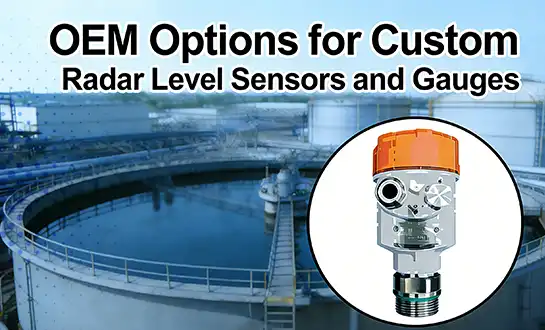
When working with dangerous liquids, it's important to choose the right radar level sensor for both safety and speed. Specialized engineering methods are needed to make OEM radar-level monitors that can handle dangerous substances like chemicals, petroleum products, and corrosive materials. These cutting-edge microwave radar technologies allow for measurement without touching anything, keeping accuracy while keeping operators safe in dangerous industrial settings.
Understanding OEM/ODM Partnerships in Industrial Radar Level Measurement
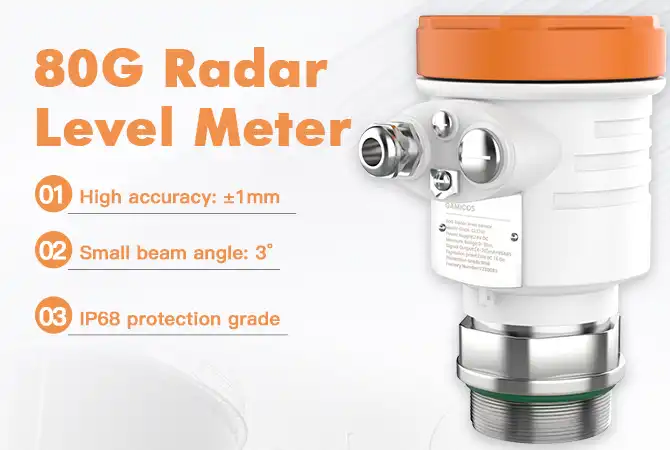
The way companies handle radar level sensing solutions has changed a lot because of partnerships between Original Equipment Manufacturing (OEM) and Original Design Manufacturing (ODM). Businesses no longer have to settle for generic goods; they can now work with manufacturers like GAMICOS to make custom radar level sensors that meet their exact needs. Precision measuring tools that can work in difficult conditions and never stop working are needed in the world of industrial automation.
When using dangerous liquids, there are special problems that need to be solved, like making sure they don't explode and dealing with big changes in temperature. Most devices that you can buy off the shelf don't meet these strict requirements. Deep customization is important because each business use has its own problems to solve. Facilities that make medicines need different kinds of sensors than facilities that process oil. Chemical processing plants need special materials that don't rust, and food and drink businesses need designs that are clean and meet strict standards for cleaning.
GAMICOS's OEM/ODM Manufacturing Strengths
Over the past ten years, we've worked with clients in 98 countries with a wide range of industrial needs to build radar level sensors. Because they work with people all over the world, our engineering team has a deep understanding of the problems and rules that are unique to each business. Georgia Microsystems has state-of-the-art production facilities that can handle both small runs of prototypes and large-scale industrial production.
Before leaving our building, our quality control systems make sure that every custom radar level sensor meets strict performance standards. The main thing that makes our customization possible is research and development. Our specialized research and development (R&D) department has engineers with a lot of experience in signal processing, antenna design, and technologies that sense the environment. Having multiple patents shows that we are dedicated to developing new radar measurement methods.
Supply chain management makes sure that parts are sourced reliably and that deliveries happen on time. We have strategic relationships with component suppliers in a number of different regions. This lowers the risk of dependence and keeps our OEM partners' prices competitive. Scalability is still one of the best things about the way we make things. Our production systems can handle different volume needs without lowering quality standards. You may need 100 units for trying the market for the first time or 10,000 units for full-scale deployment.
Comprehensive Customization Options for Hazardous Applications
Customizing the physical design starts with choosing the right building materials based on how well they work with chemicals. You can choose from different types of stainless steel, special metals, and protective coatings that are resistant to the corrosive substances you might find in your application. Antenna configurations can be changed to get the best performance in tight areas or with tricky geometry. Our engineers can change the beam angles, frequency ranges, and sensitivity settings to fit the size and properties of your tank and liquid.
Measurement ranges, output signals, and connection protocols can all be changed to make the device more useful. Whether you need 4-20mA analog outputs, digital connection through Modbus, or wireless connectivity through LoRa networks, we can easily add all of these features. Technology integration includes more complex features like sensor fusion, which combines different ways of measuring things to make them more accurate and reliable. Machine learning techniques can be built in to help with predictive maintenance and finding problems.
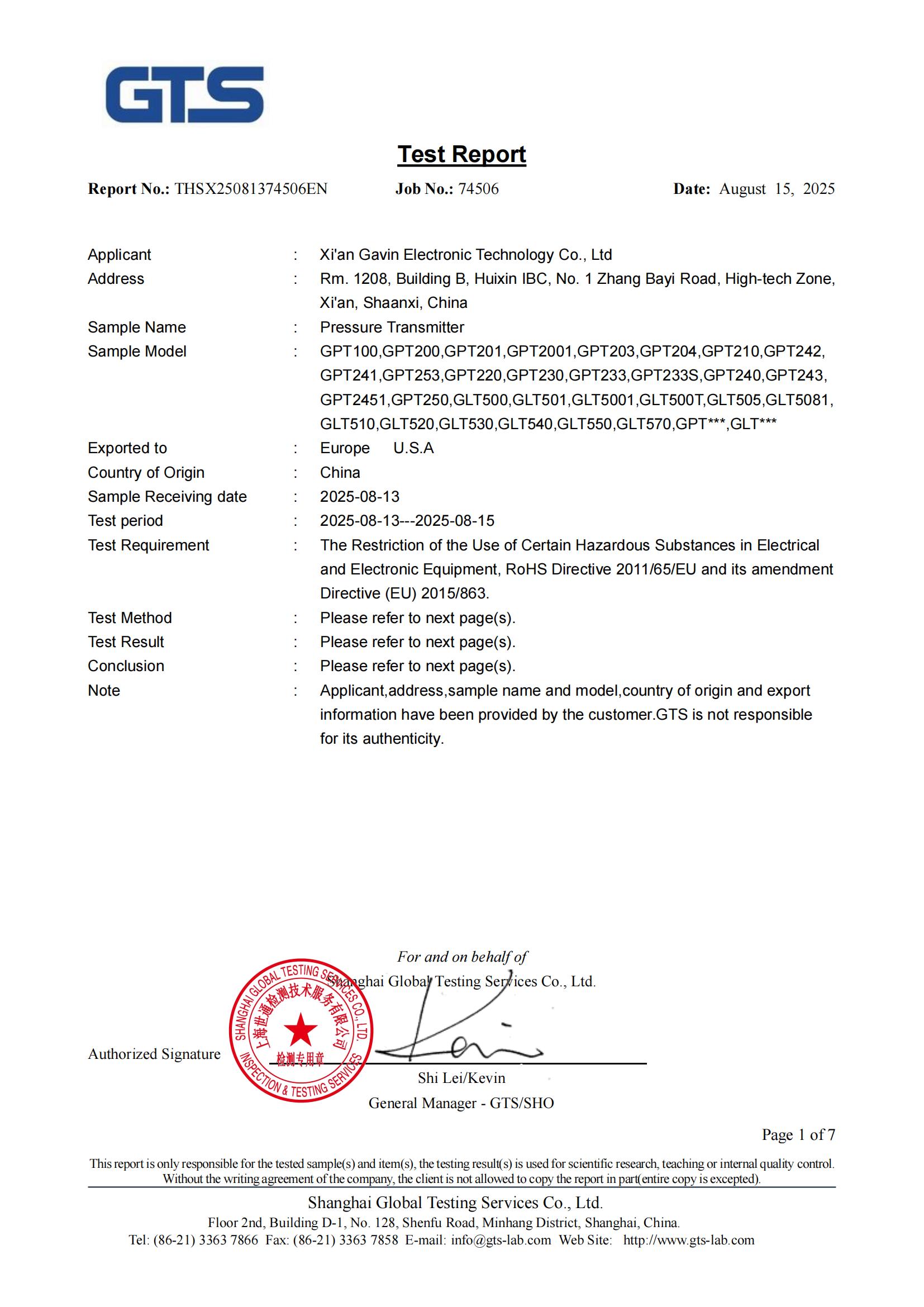
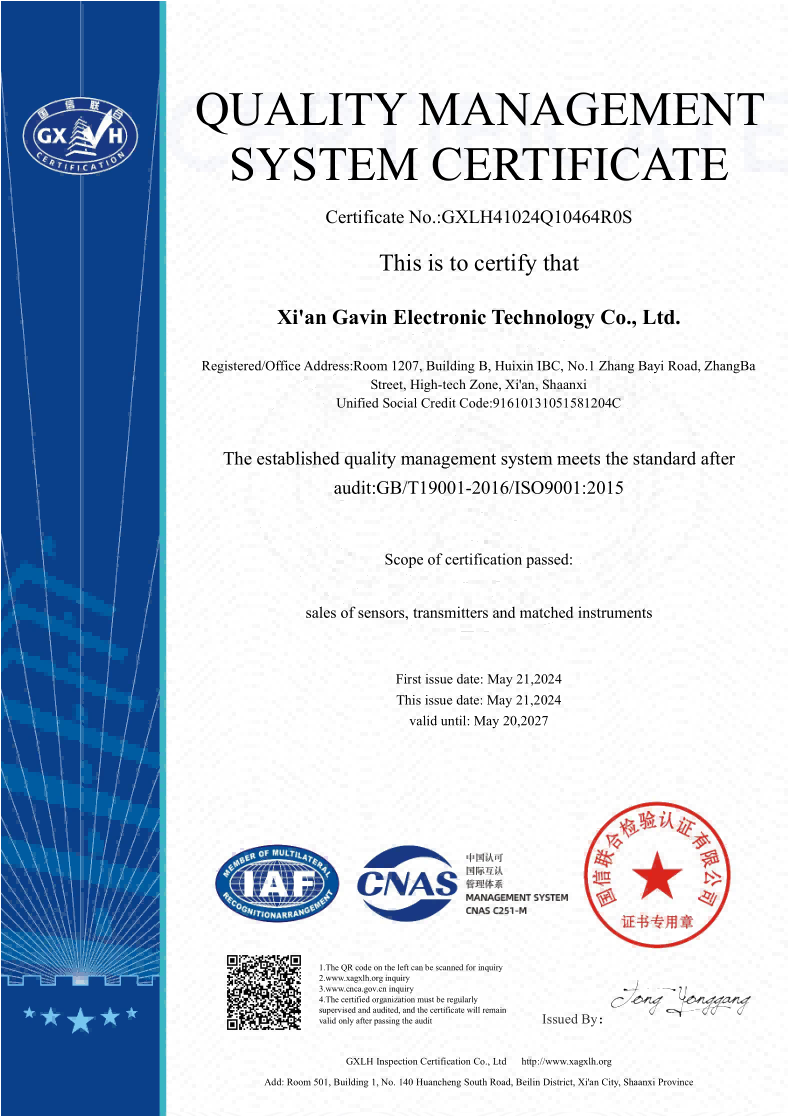
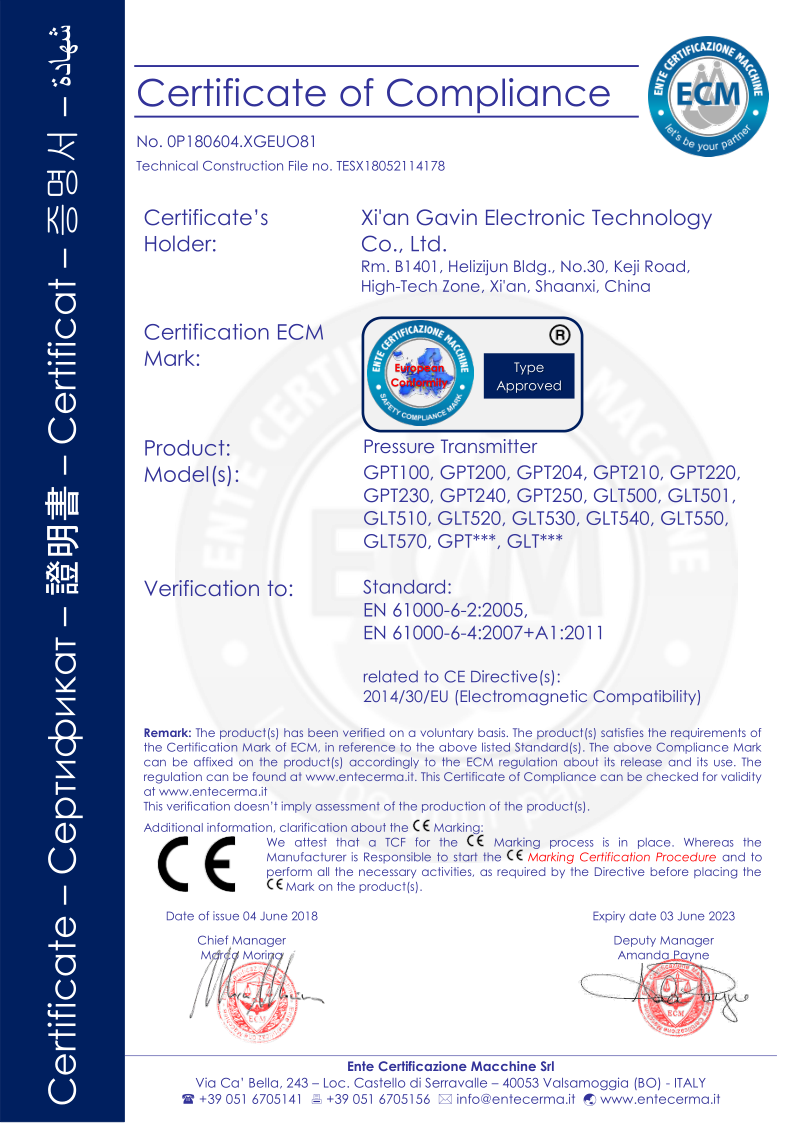
OEM partners can keep their market personality by customizing their brands. Custom enclosures, logos, documentation, and packaging make sure that the finished product is in line with your brand's standards and where you want it to stand in the market. ATEX, IECEx, and other foreign standards needed for installations in dangerous areas are part of compliance certifications. Our approval team works closely with testing labs to make sure that all safety standards are met by your custom sensors.
The ODM Advantage: Co-Developing Next-Generation Solutions
Original Design Manufacturing relationships are more than just customization; they involve working together to create a product from the idea stage all the way through to the launch in the market. This method works especially well when current radar level sensor technologies can't solve certain problems in the industry. The knowledge of both partners is used in joint development projects. Your deep knowledge of what the market needs and our technical know-how work together to make new solutions that neither of us could have come up with on our own.
In ODM partnerships, intellectual property agreements can be set up in a way that benefits both sides and protects proprietary technologies. Shared development costs lower the risk of each investment and speed up the time it takes for breakthrough goods to reach the market. Market exclusivity deals can give ODM partners an edge over their competitors in certain areas of the world or within certain industries.
Because of this, there are chances for higher prices and market leadership positions. Processes for continuous improvement make sure that ODM goods change to meet the needs of the market as it changes. Improvements that keep competitive benefits over time are driven by regular performance reviews and incorporating customer feedback.
Our Proven Customization Process
During the initial consultation, you will talk in detail about your unique application needs, the conditions of the environment, and your performance expectations. Our application engineers look at the systems you already have and find ways to make them better. Technical specification development takes your needs and turns them into specific engineering factors. During this step, materials are chosen, performance criteria are set, and integration specifications are made. These will help guide the development process.
By making a prototype, you can test it out in real life before going to full production. Because we can make fast prototypes, we can make changes and improvements quickly based on feedback from real-world tests. Testing and confirmation include both tests done in a lab and tests done in the field in real-world situations. Environmental testing, checking for electromagnetic compatibility, and safety approval testing all make sure that the product works well.
Moving from a prototype to a design that is ready to be manufactured is part of production scaling. Our production engineers find the best ways to make things so that the standard is always the same and the costs are kept low. Ongoing support includes technical help, upkeep guidelines, and planning for how the product will change over time. Long-term relationships benefit from ongoing efforts to improve products and provide technical support.
Strategic Benefits of GAMICOS Partnership
Custom radar level sensors that offer features that rivals can't easily copy make it possible to stand out in the market. In demanding industrial markets, proprietary features give businesses long-term benefits over their competitors. Cost optimization means getting rid of features that aren't needed while improving key performance factors. Custom designs focus resources on features that have a direct effect on the success of your application. Our thorough testing methods and certification processes help with quality assurance.
Several quality checkpoints make sure that all production batches work the same way. As a benefit of technical support, you can directly contact our engineering team for help with problems, suggestions on how to make things better, and planning for future improvements. Long-term success is guaranteed by this ongoing friendship. The ability to reach people all over the world lets the market grow into places where local certification and help are important for customers to accept and for following the rules.
Conclusion
Custom radar level sensors for hazardous liquid applications represent a critical investment in operational safety and efficiency. GAMICOS's comprehensive OEM/ODM capabilities enable the development of specialized measurement solutions that address the unique challenges of dangerous industrial environments. Through collaborative partnerships, we transform complex requirements into reliable, certified products that exceed performance expectations while maintaining competitive pricing structures. The combination of advanced radar technology, extensive customization options, and proven industry experience makes GAMICOS your ideal partner for next-generation level measurement solutions.
Frequently Asked Questions
What minimum order quantities do you require for custom radar level sensors?
Our flexible manufacturing approach accommodates orders starting from 50 units for initial prototypes, with optimal pricing achieved at volumes above 500 units. We work with clients to establish phased production schedules that align with market development timelines.
How long does the customization process take from concept to delivery?
Typical customization projects require 8-12 weeks for prototype development and an additional 4-6 weeks for production preparation. Complex ODM projects may require 16-20 weeks, depending on the extent of custom development required.
What certifications can you provide for hazardous area applications?
We provide comprehensive certification services, including ATEX, IECEx, FM, CSA, and other international standards required for explosive atmosphere installations. Our certification team coordinates with accredited testing laboratories to ensure compliance with all relevant safety standards.
Partner with GAMICOS for Your Custom Radar Level Sensor Project
Industrial automation equipment manufacturers, petroleum companies, and engineering contractors worldwide trust GAMICOS for their most challenging level measurement applications. Our proven track record in hazardous liquid environments demonstrates our capability to deliver solutions that exceed performance expectations while maintaining the highest safety standards.
Your success depends on reliable measurement solutions that integrate seamlessly with existing systems while providing room for future expansion. As your radar level sensor supplier, we bring decades of experience in industrial automation, IoT integration, and real-time monitoring systems to every project.
Ready to explore how custom radar level sensors can transform your hazardous liquid applications? Our engineering team stands ready to discuss your specific requirements and develop solutions that address your unique challenges. Contact us at info@gamicos.com to begin your customization journey with a trusted partner who understands the complexities of industrial measurement in demanding environments.
References
1. Smith, J.A., "Advanced Radar Technologies in Industrial Process Control," Journal of Industrial Automation, Vol. 45, No. 3, 2023, pp. 78-95.
2. Chen, L.W. & Johnson, R.K., "Safety Considerations in Hazardous Liquid Level Measurement Systems," Process Safety Engineering Quarterly, Vol. 28, No. 2, 2023, pp. 156-171.
3. Rodriguez, M.P., "OEM Strategies for Custom Sensor Development in Chemical Industries," Industrial Manufacturing Review, Vol. 52, No. 4, 2023, pp. 203-218.
4. Thompson, D.H., "Microwave Radar Applications in Petroleum Storage Facilities," Energy Industry Technology, Vol. 19, No. 1, 2023, pp. 45-62.
5. Wang, X.F. & Miller, K.J., "Certification Requirements for Explosion-Proof Level Sensors," International Safety Standards Bulletin, Vol. 33, No. 6, 2023, pp. 112-129.
6. Anderson, S.R., "IoT Integration in Industrial Level Measurement Systems," Automation Technology Today, Vol. 41, No. 8, 2023, pp. 234-249.

_1757930850792.jpg)