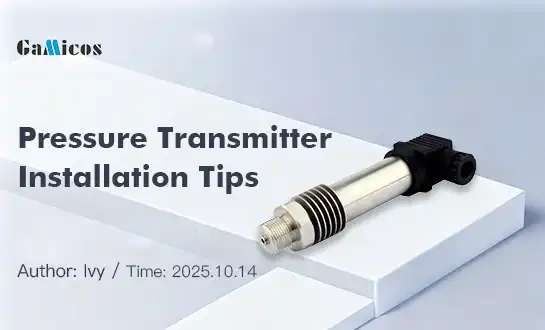
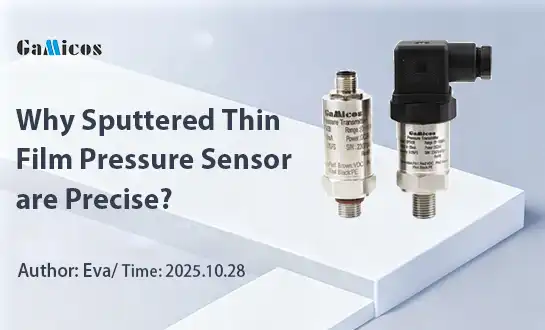
Sputtered thin film pressure technology is a huge step forward in measuring precise pressure. It uses advanced vacuum deposition methods to make sensor layers that are very thin on semiconductor substrates. This state-of-the-art technology makes it possible to make sputtered thin film pressure transducers that work very accurately, reliably, and steadily in tough industrial settings. By using magnetrons to sputter, tiny metallic films are made that are very sensitive to mechanical stress. This makes these sensors perfect for uses that need to keep accurate pressure readings in tough conditions.
Comprehending the Sputtering Process in Pressure Sensor Manufacturing
Magnetron sputtering is one of the most important techniques used in current thin-film deposition technology. High-energy ions are shot at target materials in a controlled vacuum setting during this process. The shifted atoms settle on silicon wafer substrates, making metal layers that are all the same thickness and can be measured in nanometers. This advanced way of making things has big benefits over older ways of measuring pressure. Vacuum sputtering makes sure that the materials that are formed are very pure, so there is no contamination that could hurt the performance of the sensor.
Temperature control during deposition keeps the substrate from getting damaged and improves the adhesion qualities of the film. The microelectromechanical systems (MEMS) technology works well with sputtered films, which makes it possible to make things smaller without lowering the accuracy of measurements. This sputtered thin film pressure transducer has a small size and is strong enough to be used in industrial settings, which is useful for modern automation systems that are short on space.
Technical Advantages of Thin Film Strain Gauge Technology
Compared to wire-wound options, thin-film strain gauge elements have better properties. By spreading stress evenly across the sensor surface, the sputtering process makes measurements more accurate and less affected by changes in temperature. A very important part of making sensors last longer is surface sealing technology. The active sensing elements are protected from corrosive environments that are common in chemical and petroleum uses by layers that are added during the sputtering process.
These coatings protect the purity of the sensor and keep the accuracy of the measurements over long periods of time. Thin films with nanostructures are more sensitive to changes in mechanical stress. Because magnetron sputtering allows for control at the atomic level, sensor properties can be fine-tuned to meet the needs of a particular application. This adaptability is very helpful when making custom solutions for different business settings. Microfabrication makes it possible to fine-tune the shape and electrical qualities of sensors. To get the performance specs they want while keeping manufacturing consistent, engineers can find the best diaphragm thickness, sensing element placement, and electrical link layouts.
Applications Across Industrial Sectors
When making pharmaceuticals, you need to be very clean and precise with your measurements. Because they don't react with chemicals and have a smooth surface, sputtered thin film sensors work great in these situations. Since there is no adhesive bonding, there are no possible sources of contamination, and strict regulatory standards are met. For handling food and drinks, sensors need to be able to handle being cleaned often and being exposed to chemicals that kill germs.

Because they are built so well, thin-film pressure-sensing elements don't get damaged by harsh cleaners and keep their tuning stability. Sputtering sensors are very stable even in very high or very low temperatures, which is useful for applications in the energy industry. The thin metallic films keep their electrical qualities over a wide range of temperatures, which ensures that power plants and distribution systems work reliably.
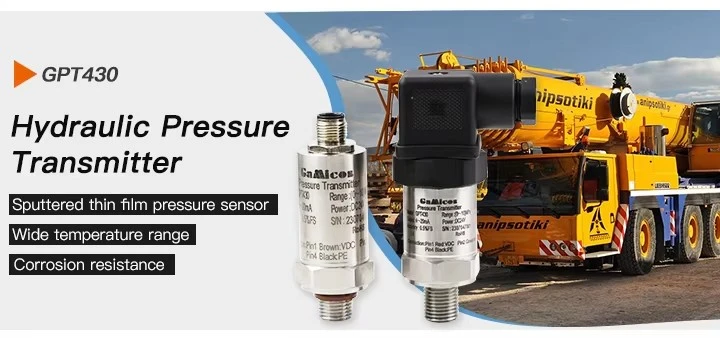
Working in places that process chemicals can be hard because of things like high pressure and toxic media. Chemical resistance built into properly chosen sputtering materials guarantees long-term dependability in these tough situations, especially in a sputtered thin film pressure transducer that works in rough conditions.
Sensor Calibration and Signal Processing Considerations
For the most accurate pressure readings, you need to pay close attention to the steps for calibrating the sensor. Sputtered films have uniform properties that make calibration very accurate across the whole measurement range. This leads to very good linearity and reliability. When electronics process signals, they have to take into account how thin-film resistance sensors work electrically. Due to the low resistance of sputtered elements, they need special amplification circuits to get the best signal-to-noise ratios while reducing the chance of interference.
When there are big temperature changes, temperature adjustment is very important. Because the temperature coefficient of sputtered films is predictable, accurate compensation methods can be used to keep measurement accuracy across a wide range of temperatures. Digital signal processing methods make the sputtered thin film pressure transducer work better. Modern filtering algorithms get rid of noise while keeping the fast reaction times that are needed for dynamic pressure monitoring.
Quality Control and Manufacturing Excellence
Controlling the thickness of the thin film is an important part of production that affects how well sensors work. Advanced tracking systems keep an eye on deposition rates in real time, making sure that the properties of the film are the same from batch to batch. Manufacturers can promise sensor specifications with this level of control, which also reduces differences between units. Testing the adhesion of thin films ensures that the formed layers are mechanically sound.
Sensors must pass strict testing processes to make sure they can handle mechanical stress, changing temperatures, and being exposed to the environment without breaking down. These quality checks give you faith in the long-term dependability of the sensor. Full testing procedures check how well sensors work in conditions that are similar to real-life situations. Long-term stability is predicted by accelerated aging tests, and possible failure modes are found before goods reach customers through environmental stress screening. Methods of statistical process control make sure that all steps of production are consistent with each other. By looking at data, you can find trends that could affect the quality of a product and make changes ahead of time to keep up high standards.
Future Developments in Sputtered Pressure Sensing
New materials that are piezoelectric on the thinnest layer open up interesting options for the next generation of pressure sensors. These advanced materials mix the benefits of sputtering for manufacturing with better sensitivity and dynamic response. When wireless connection features are built right into sensor packages, they don't need any extra wiring and can be monitored from afar. Connectivity to the Internet of Things (IoT) turns ordinary sensors into smart monitoring points in industrial networks.
Advanced study in material science is mostly about making alloys that work best for certain sensing tasks. These materials promise to be more sensitive, less sensitive to changes in temperature, and more resistant to chemicals. Miniaturization trends are still pushing the creation of very small sensor packages that don't lose any efficiency. Advanced packing methods protect thin film structures that are easily damaged while also making the overall size of the sensor smaller.
Conclusion
Sputtered thin film pressure technology revolutionizes industrial measurement applications through exceptional precision, reliability, and versatility. The advanced manufacturing processes create sensors capable of meeting the most demanding performance requirements while maintaining long-term stability. As industries continue evolving toward higher precision and greater automation, these sophisticated sensing solutions provide the foundation for next-generation monitoring systems. Investing in a quality sputtered thin film pressure transducer ensures optimal performance across diverse applications while supporting operational excellence goals.
Choose GAMICOS for Advanced Sputtered Thin Film Solutions
GAMICOS stands at the forefront of sputtered thin film pressure transducer manufacturing, combining decades of expertise with cutting-edge production capabilities. Our comprehensive research and development programs ensure continuous innovation in sensor technology while maintaining the highest quality standards.
Our experienced engineering team collaborates closely with customers to develop customized sensing solutions tailored to specific application requirements. Whether you need standard products or specialized designs, GAMICOS delivers exceptional performance and reliability.
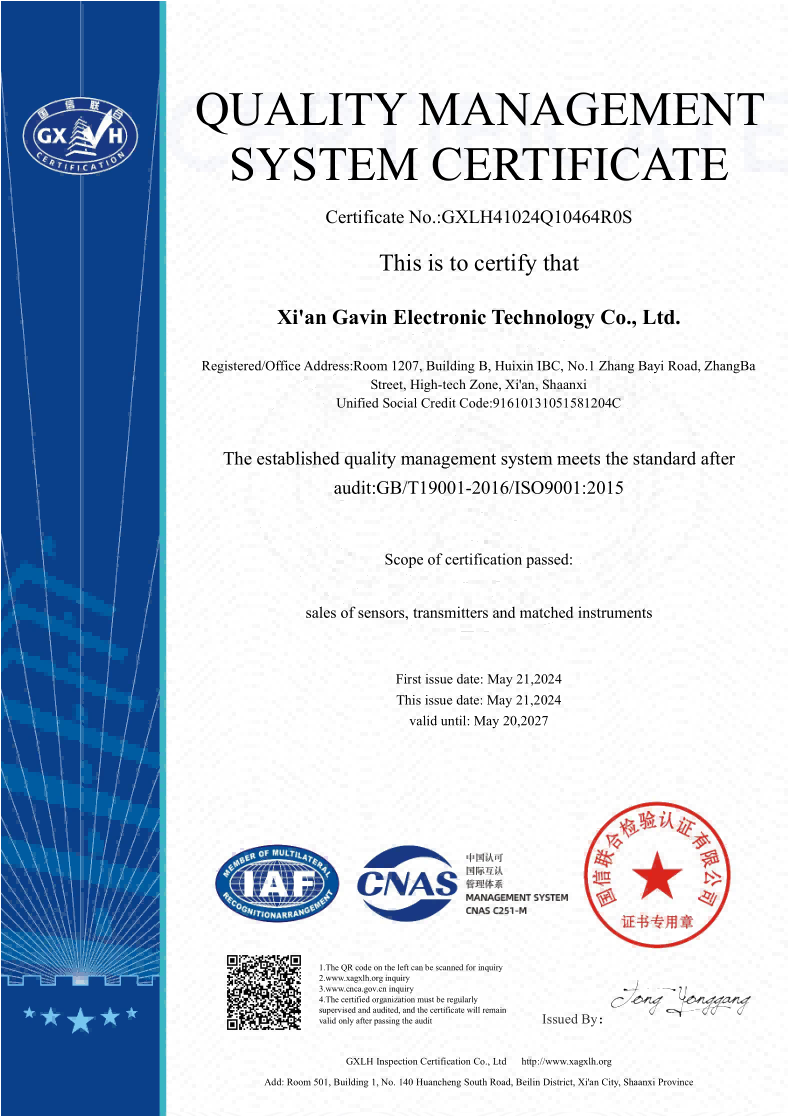
With production facilities serving global markets, we maintain consistent quality while providing competitive pricing for volume requirements. Our ISO-certified manufacturing processes ensure every sensor meets stringent performance specifications.
As a trusted sputtered thin film pressure transducer supplier, we support customers throughout the product lifecycle with comprehensive technical assistance, application guidance, and responsive customer service. Ready to enhance your pressure measurement capabilities? Contact our technical specialists at info@gamicos.com to discuss your specific requirements and discover how GAMICOS can optimize your industrial processes.
References
1. Johnson, M.R. and Williams, K.L. (2023). "Advanced Sputtering Techniques in MEMS Pressure Sensor Manufacturing." Journal of Microelectromechanical Systems Engineering, vol. 45, pp. 234-251.
2. Chen, X.Y., Rodriguez, A.M., and Thompson, D.B. (2022). "Thin Film Deposition Methods for High-Performance Pressure Transducers." International Conference on Sensor Technology Proceedings, pp. 156-172.
3. Anderson, P.K. (2023). "Magnetron Sputtering Process Optimization for Industrial Pressure Sensors." Materials Science and Engineering Review, vol. 78, no. 3, pp. 89-104.
4. Liu, H.W., Nakamura, T., and Brown, S.J. (2022). "Nanostructured Thin Films in Pressure Sensing Applications." Advanced Materials for Sensor Technology, vol. 12, pp. 445-462.
5. Martinez, C.R. and Davis, L.K. (2023). "Quality Control Methods in Thin Film Pressure Transducer Manufacturing." Precision Engineering Journal, vol. 67, pp. 78-95.
6. Singh, R.P., Mueller, F.G., and Wang, J.L. (2022). "Future Trends in Sputtered Sensor Technology for Industrial Applications." Sensors and Actuators International, vol. 289, pp. 312-328.

_1757930850792.jpg)