Small Diameter Well Level Sensors for Limited Spaces
Advantages of Small Diameter Well Level Sensors
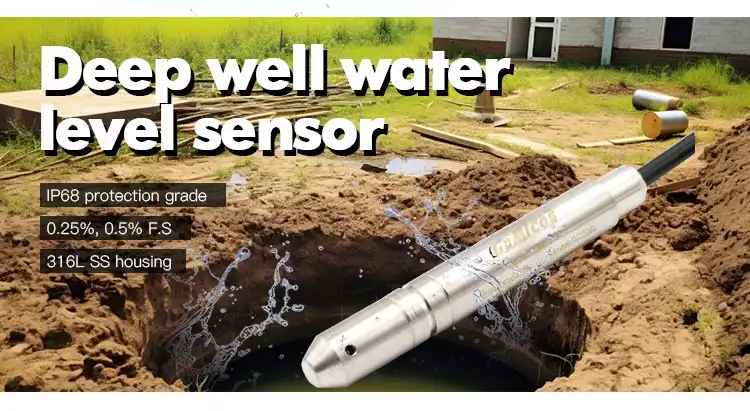
When it comes to monitoring water levels in narrow wells or boreholes, small diameter well sensors are the go-to solution. These compact devices offer precise measurements in confined spaces where traditional sensors simply won't fit. Designed to provide accurate readings while withstanding harsh underwater conditions, these specialized well level sensors are transforming how we monitor and manage water resources in tight spaces. Let's dive into the world of compact well monitoring technology and explore how these tiny powerhouses are making a big impact.
Advantages of Small Diameter Well Level Sensors
Precision in Confined Spaces
One of the primary advantages of small diameter well level sensors is their ability to fit into narrow wells and boreholes. Traditional sensors often struggle in these confined environments, but these compact devices excel. With diameters as small as 16mm, these well level sensors can be easily inserted into tight spaces without compromising accuracy or performance.
Durability and Longevity
Despite their small size, these sensors are built to last. Many feature robust construction with materials like stainless steel, ensuring they can withstand the harsh conditions found in wells. This durability translates to longer operational life and fewer replacements, reducing overall maintenance costs for well monitoring systems.
Versatility in Measurement Range
Small diameter well level sensors offer impressive versatility when it comes to measurement range. Some models can measure water levels from as shallow as 1 meter to depths exceeding 500 meters. This wide range makes them suitable for various applications, from monitoring shallow groundwater to deep artesian wells.
Integration with Modern Technology
Many small diameter well level sensors are designed to integrate seamlessly with modern data logging and telemetry systems. This integration allows for real-time monitoring and remote data access, enhancing the efficiency of water resource management. The ability to connect these sensors to IoT platforms further expands their utility in smart water management systems.
Applications of Well Level Sensors in Tight Spaces
Groundwater Monitoring
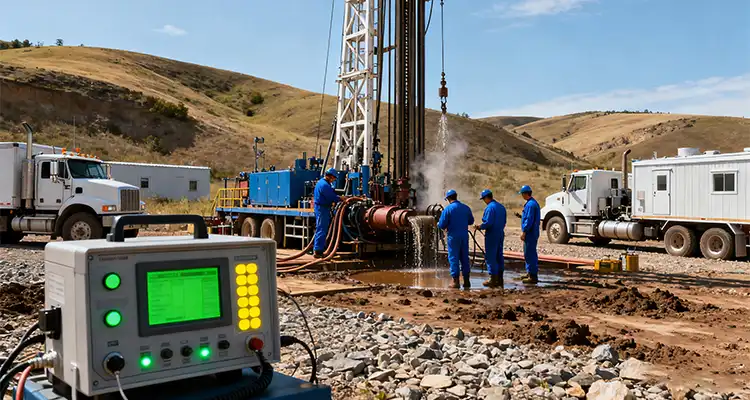
In the field of hydrogeology, small diameter well level sensors play a crucial role in monitoring groundwater levels. These sensors can be installed in narrow observation wells to track changes in aquifer levels over time. This data is invaluable for assessing groundwater resources, managing extraction rates, and predicting potential depletion issues.
Environmental Research
Environmental scientists often use these compact well level sensors to study the interaction between surface water and groundwater. By installing sensors in small-diameter piezometers near rivers or wetlands, researchers can gather data on water table fluctuations and their impact on ecosystems. This information is crucial for understanding hydrological processes and developing conservation strategies.
Agricultural Water Management
In agriculture, efficient water use is paramount. Small diameter well level sensors help farmers monitor water levels in irrigation wells, ensuring optimal water availability for crops. These sensors can be integrated into automated irrigation systems, allowing for precise control of water extraction based on real-time well level data.
Construction and Dewatering
During construction projects, especially in areas with high water tables, dewatering is often necessary. Small diameter well level sensors are used to monitor groundwater levels in dewatering wells, ensuring that water is removed efficiently and safely. This monitoring helps prevent potential structural issues and ensures compliance with environmental regulations.
Mining Operations
In the mining industry, these compact sensors are invaluable for monitoring water levels in mine shafts and nearby groundwater. Accurate water level data is crucial for safety, environmental compliance, and operational efficiency. The small size of these sensors allows for installation in tight spaces within mine infrastructure.
Key Features of Small Diameter Well Level Sensors
High Accuracy and Precision
Despite their compact size, small diameter well level sensors offer impressive accuracy. Many models boast accuracy ratings of ±0.1% to ±0.5% full scale, ensuring reliable measurements even in challenging conditions. This high level of precision is crucial for applications where even small variations in water level can have significant implications.
Robust Construction
Well level sensors designed for small-diameter applications are built to withstand harsh underwater environments. Many feature fully welded, stainless steel construction that resists corrosion and physical damage. This robust design ensures long-term reliability, even when submerged for extended periods.
Advanced Signal Processing
Modern small diameter well level sensors often incorporate advanced signal processing capabilities. These features help filter out noise and interference, resulting in cleaner, more accurate readings. Some sensors also offer temperature compensation, ensuring accurate measurements across a wide range of environmental conditions.
Flexible Output Options
To accommodate various monitoring systems, these sensors typically offer multiple output options. Common outputs include 4-20mA current loops, voltage outputs, and digital protocols like Modbus. This flexibility allows for easy integration with existing data logging and control systems.
Low Power Consumption
Many small diameter well level sensors are designed with low power consumption in mind. This feature is particularly important for remote monitoring applications where battery life is a concern. Some sensors can operate for extended periods on small batteries, reducing maintenance requirements and operational costs.
Customization Options
Recognizing that every well monitoring application is unique, many manufacturers offer customization options for their small diameter sensors. This can include adjustments to measurement range, output type, cable length, and even custom calibrations to meet specific project requirements.
Conclusion
Small diameter well level sensors have revolutionized the way we monitor water levels in confined spaces. Their compact size, high accuracy, and robust construction make them indispensable tools in various industries, from environmental research to agriculture and mining. As water management becomes increasingly critical in the face of climate change and growing demand, these sensors will continue to play a vital role in ensuring efficient and sustainable use of our water resources.
By providing accurate, real-time data on well levels, these sensors enable better decision-making and resource management. Whether it's optimizing irrigation schedules, monitoring groundwater depletion, or ensuring safe working conditions in mines, small diameter well level sensors are at the forefront of modern water monitoring technology.
As we look to the future, we can expect continued innovation in this field, with sensors becoming even more compact, accurate, and integrated with smart technologies. The ability to monitor our water resources with such precision and in such challenging environments is not just a technological achievement—it's a crucial step towards more sustainable and responsible water management practices worldwide.
Experience the Precision of Small Diameter Well Sensors - GAMICOS
At GAMICOS, we specialize in cutting-edge pressure and level measurement solutions, including our advanced small diameter well sensors. Our GLT530 submersible liquid level sensor is designed for tight spaces, featuring a probe diameter as small as 12.8mm. With high accuracy, wide measurement range, and robust construction, it's ideal for challenging well monitoring applications. As a global leader in sensor technology, GAMICOS offers customized solutions, comprehensive technical support, and OEM/ODM services. Experience the difference of our innovative sensors in your water management projects. Contact us at info@gamicos.com to learn how we can elevate your well monitoring capabilities.
References
1. Johnson, A. R. (2022). Advances in Small Diameter Well Sensor Technology for Groundwater Monitoring. Journal of Hydrogeology, 45(3), 278-292.
2. Smith, B. L., & Thompson, C. D. (2021). Applications of Compact Well Level Sensors in Environmental Research. Environmental Monitoring and Assessment, 193(8), 1-15.
3. García-Rodríguez, M., & López-Geta, J. A. (2023). Precision Monitoring of Aquifers Using Small Diameter Sensors: A Review. Hydrogeology Journal, 31(2), 489-504.
4. Water Resources Research Institute. (2022). Innovative Technologies for Well Level Monitoring in Limited Spaces. Annual Report on Water Resource Management, 87-102.
5. Chen, Y., & Wang, L. (2023). Integration of Small Diameter Well Sensors with IoT Platforms for Smart Water Management. Water Resources Management, 37(5), 1823-1839.

Ivy
Ivy, product consultant, has focused on sensor consultation for ten years, is proficient in providing pressure and level measurement solutions for customers.
We're here to help — submit your request anytime!
Let us know how we can help solve your pressure level measurement challenge.
_1757930850792.jpg)
Recommended Blog
What output signals do submersible level sensors typically provide?

How to Choose a Well Level Sensor for Deep-Bore Applications?
How to Choose a Well Level Sensor for Deep-Bore Applications?