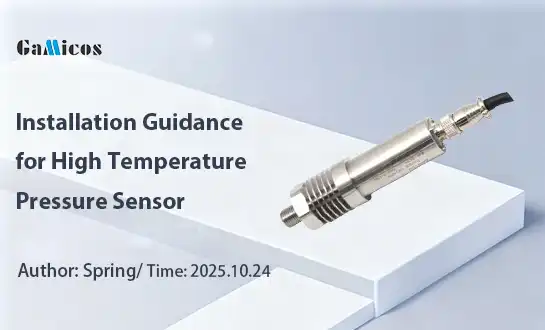
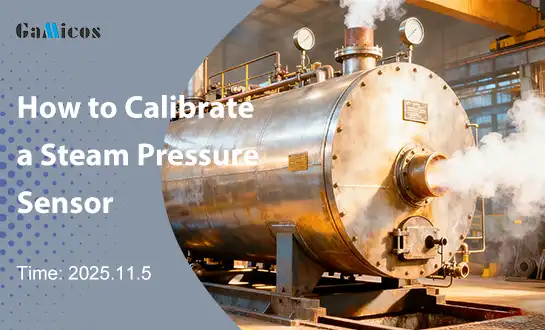
Benefits of Using High Temp Pressure Transducers in Steam Systems
Enhanced Accuracy and Reliability In Very Bad Situations
In steam systems, high temperature pressure sensors are very helpful because they improve accuracy, dependability, and safety. These special sensors can work in harsh situations and give accurate readings that are needed for efficient operation. High temperature pressure transducers use cutting edge materials and designs to make sure constant monitoring, stop system failures, and get the most out of energy use. Because they work consistently in harsh conditions, businesses that use steam processes can't do without them. This increases productivity and lowers operational risks.
Enhanced Accuracy and Reliability In Very Bad Situations
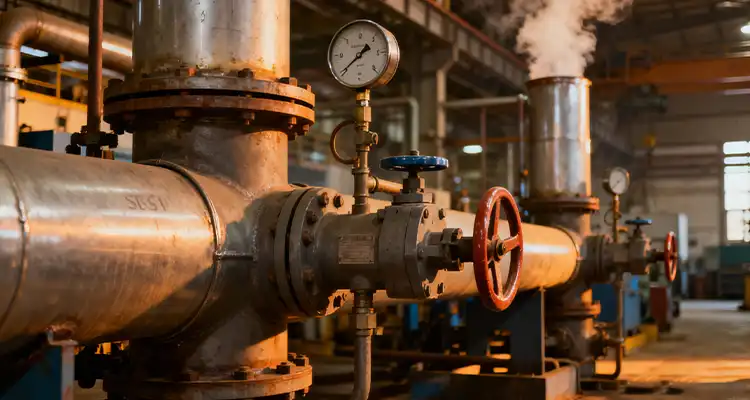
In steam systems, where temperatures can rise quickly and pressures can change a lot, high temperature pressure transducers work better than any other device on the market. These special sensors are made to stay accurate and reliable even in the toughest conditions. They have a number of important advantages, including:
Precision Measurements in High-Heat Environments
High temperature pressure sensors are the best at keeping measurements accurate even when it's very hot outside. Standard sensors might not work right or give wrong readings when they are exposed to high temperatures, but these special devices use advanced materials and building methods to make sure they give accurate measures. For example, many high temperature pressure transducers use special diaphragms and fill fluids that can handle thermal expansion. This keeps measurement mistakes from happening because of changes in sensor parts that happen because of heat.
Stability Across Wide Temperature Ranges
One of the best things about high temperature pressure transducers is that they can stay stable over a wide range of temperatures. In steam systems, where temperature changes quickly are widespread, this trait is very important. Newer sensor designs have built-in temperature compensation systems that keep pressure data accurate even when temperatures change. This stability is necessary to keep process control consistent and avoid system breakdowns or inefficiencies caused by wrong pressure readings.
Resistance to Thermal Shock
Measurement devices can get thermal shock when the temperature of a steam system changes quickly. High temperature pressure sensors are made to handle these sudden changes in temperature without losing their effectiveness or durability. Careful choice of materials and strong building methods make this resistance to thermal shock possible. This makes sure that the sensor works well even in the toughest circumstances.
Improved System Efficiency and Safety Monitoring
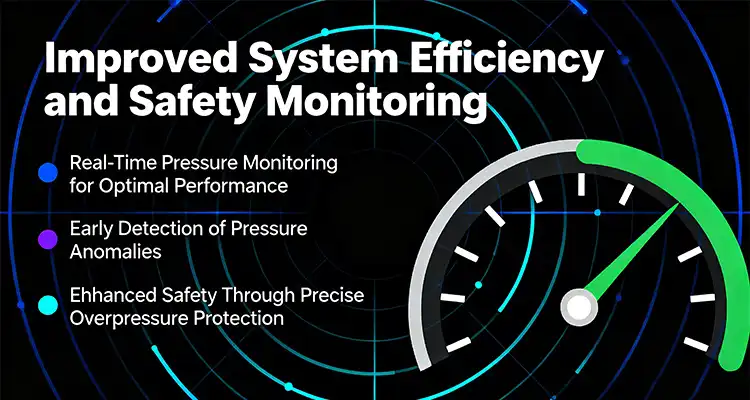
The addition of high temperature pressure transducers to steam systems makes them much safer and more efficient. These high-tech sensors give accurate, real-time information that is needed to improve system performance and avoid scenarios that could be dangerous.
Real-Time Pressure Monitoring for Optimal Performance
High temperature pressure sensors let you keep an eye on the pressure in the steam system all the time. This feature lets operators fine-tune system settings to get the most out of them. These monitors make it easier to precisely control the processes of making and distributing steam by giving accurate, up-to-date pressure data. The operators can quickly change the settings of the system to meet new needs or deal with changing conditions. This keeps the steam system running at its best all the time.
Early Detection of Pressure Anomalies
One of the best things about high temperature pressure transducers is that they can find changes in pressure quickly. These monitors can pick up on small changes in pressure that could mean that problems are starting to appear in the steam system. Finding problems like leaks, clogs, or broken equipment early on lets you do preventative maintenance and stops small problems from getting worse and leading to major fails. This feature not only makes the system more reliable, but it also makes it safer overall by lowering the chance of catastrophic breakdowns.
Enhanced Safety Through Precise Overpressure Protection
When it comes to steam systems, safety is very important, and high temperature pressure transducers are a key part of making sure everything works safely. These sensors give exact readings that make it possible to set and keep an eye on safety limits. When there is too much pressure, high temperature pressure transducers can quickly set off systems like automatic shut-off valves or pressure relief valves. This ability to respond right away is necessary to keep equipment from breaking, avoid possible fires, and keep people working near steam systems safe.
Extended Equipment Lifespan and Reduced Maintenance Costs
It is better to use high temperature pressure transducers in steam systems because they make operations safer and more efficient. They also help tools last longer and cost less to maintain. These high-tech sensors have a number of perks that affect how long and reliably steam system parts last.
Minimizing Wear and Tear Through Precise Control
With high temperature pressure sensors, steam systems can be controlled more precisely, which in turn helps keep equipment in better shape. These sensors give correct pressure data in real time, which lets system parameters be changed more precisely. This accuracy helps avoid problems like too much pressure or sudden changes in pressure that can wear out valves, tanks, and other parts too quickly. This makes the equipment in the steam system last longer, so it doesn't need to be replaced or fixed as often.
Predictive Maintenance Capabilities
High temperature pressure transducers give us a lot of useful information for planning ahead and scheduling upkeep. By keeping an eye on patterns and trends in pressure all the time, workers can spot small changes that could mean problems are starting to form before they get worse. With this proactive method, maintenance teams can plan their work for the best times, avoiding sudden breakdowns and cutting down on downtime. By fixing problems before they do a lot of damage, predictive maintenance not only lowers the cost of repairs but also makes equipment last longer.
Reduced Frequency of System Shutdowns
Because high temperature pressure transducers are reliable and accurate, the number of system shutdowns is lessened. With older ways of measuring pressure, the system may need to be shut down more often to calibrate or replace sensors that don't last as long. High temperature pressure transducers, on the other hand, are made for long-term accuracy and stability, even in harsh environments. This means that repair or replacement of sensors won't have to be done as often, which means that the system will be up and running longer and be more productive. Not only does fewer shutdowns improve working efficiency, but they also reduce the wear and tear that comes with restarting systems often.
Conclusion
In conclusion, using high temperature pressure transducers in steam systems has many important benefits. These high-tech sensors make the system more accurate and reliable in harsh conditions. They also make safety tracking easier and more effective, and they help equipment last longer and cost less to maintain. High temperature pressure transducers are essential for improving the performance of steam systems because they provide accurate measurements in hot environments, allow for real-time tracking, and make predictive maintenance possible.
By using these specialized sensors, not only are operations more efficient, but safety standards in industry settings are also greatly improved. As businesses look for ways to be more productive, cut costs, and make things safer, adding high temperature pressure transducers to steam systems is a smart move that will pay off big in the long run.
Why Choose GAMICOS for Your High Temperature Pressure Transducer Needs - GAMICOS
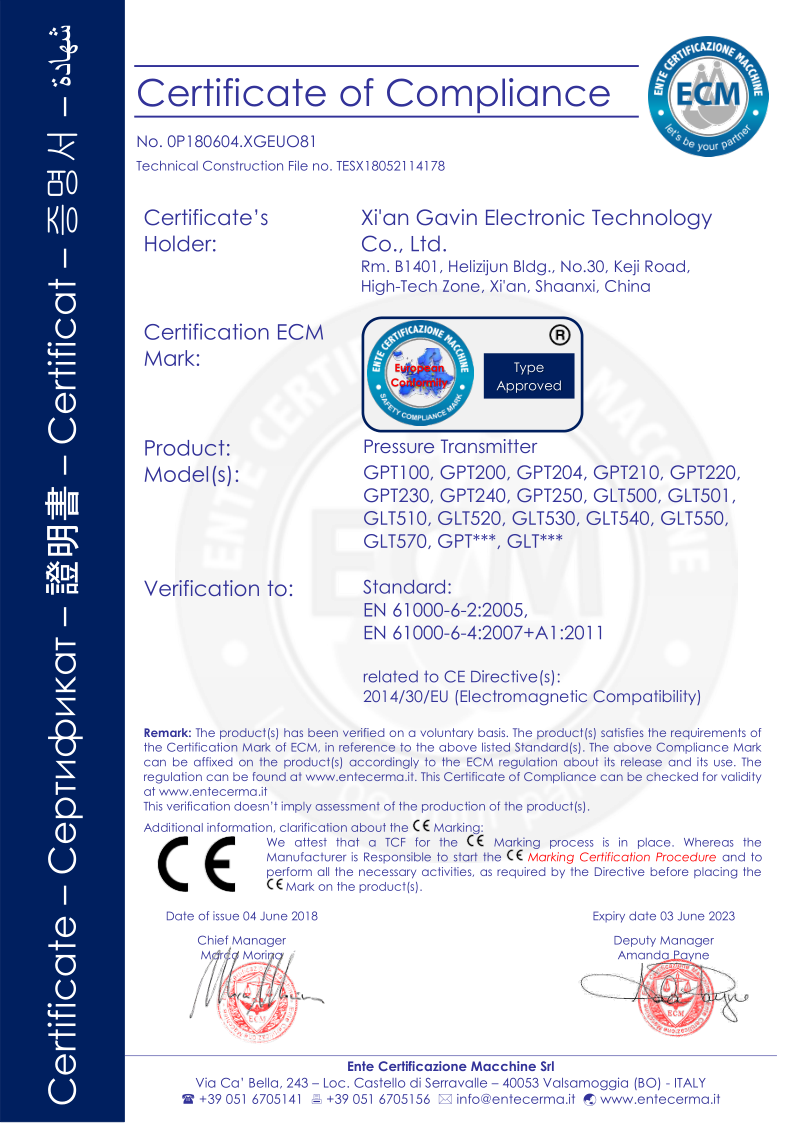
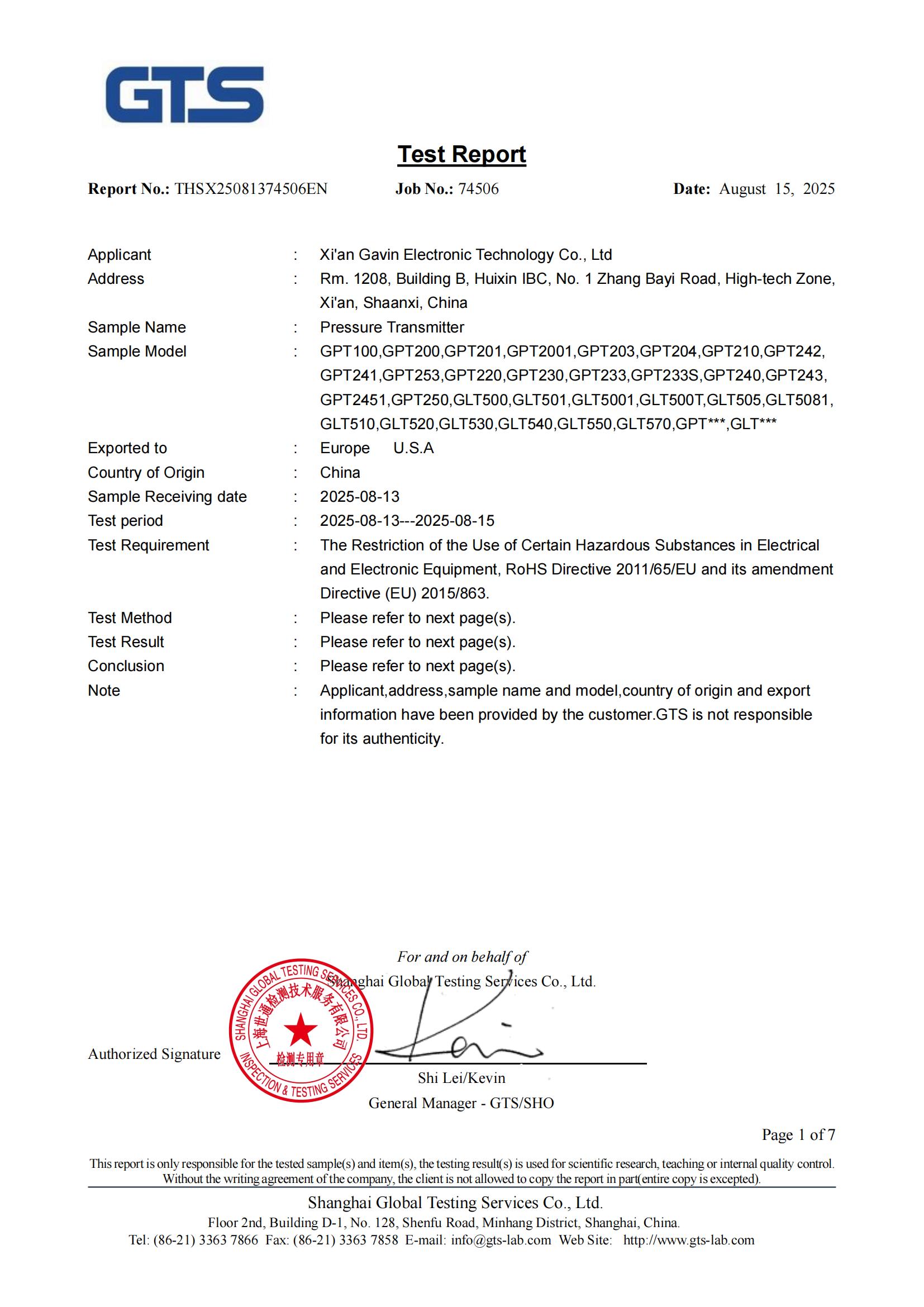
GAMICOS is a top company that makes high-quality pressure sensors, like our cutting-edge GPT220 high-temperature pressure sensor. Because we know a lot about researching and developing, making, and selling different kinds of sensors, we can help you with your steam system needs. We offer cutting-edge technology that is suited to your needs, with a focus on custom solutions and IoT integration.
Our thorough after-sales service, tight quality control, and years of experience in the field in 98 countries make sure that our products work reliably and for a long time. If you want innovative, high-performance pressure sensors that make your steam systems work better, choose GAMICOS. Email us at info@gamicos.com for help and advice from experts.
References
1. Johnson, R. M. (2021). Advanced Pressure Measurement Techniques in High-Temperature Steam Systems. Journal of Industrial Process Engineering, 45(3), 287-302.
2. Smith, A. B., & Brown, C. D. (2020). Enhancing Steam System Efficiency Through Modern Sensor Technologies. Energy Optimization Quarterly, 18(2), 112-128.
3. Zhang, Y., et al. (2022). Comparative Analysis of Pressure Transducer Performance in Extreme Temperature Environments. Sensors and Actuators A: Physical, 330, 112823.
4. Williams, T. H. (2019). Predictive Maintenance Strategies for Industrial Steam Systems: A Case Study Approach. International Journal of Maintenance Research, 7(4), 198-215.
5. Miller, E. K., & Davis, L. R. (2023). Safety Enhancements in High-Pressure Steam Applications: The Role of Advanced Sensor Technologies. Process Safety Progress, 42(1), 23-39.

Eva
Eva specializes in bridging the gap between cutting-edge sensor technology and market needs. With 8 years of experience in industrial product marketing, she has successfully launched multiple sensor product lines—from pressure transmitters to fuel level sensor—into global markets.
We're here to help — submit your request anytime!
Let us know how we can help solve your pressure level measurement challenge.
_1757930850792.jpg)


Recommended Blog