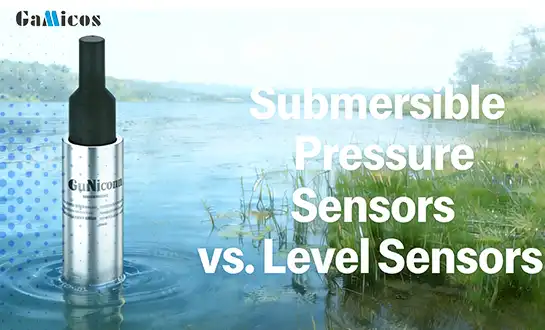
Hydrostatic pressure monitors change the way liquid levels are measured by measuring pressure directly and giving very accurate results. These tools are essential for controlling industrial processes and keeping track of goods because they measure the pressure that fluid columns put on them to give exact readings of liquid levels. In contrast to traditional mechanical systems, a hydrostatic pressure sensor works continuously without any moving parts. This means that it can be used in a wide range of settings, from oil plants to drug factories. This complete guide talks about the technical basics, practical perks, and buying strategies that B2B executives need to know in order to find the best level measurement options. Businesses can choose the right monitors that improve working efficiency while lowering repair costs and system downtime if they know about these important factors.
Understanding Hydrostatic Pressure Sensors and Their Working Principle
Core Technology and Measurement Mechanism
Based on Pascal's theory, hydrostatic level sensors measure the pressure that is created by the weight of the fluid in containers or holding bins. The hydrostatic pressure sensor figures out the height of the liquid by splitting the pressure it reads by the mass of the fluid and the acceleration of gravity. The straight relationship between pressure and the height of the liquid column makes measurements very accurate, usually within ±0.1% of the full scale range.
Sensor Types and Configuration Options
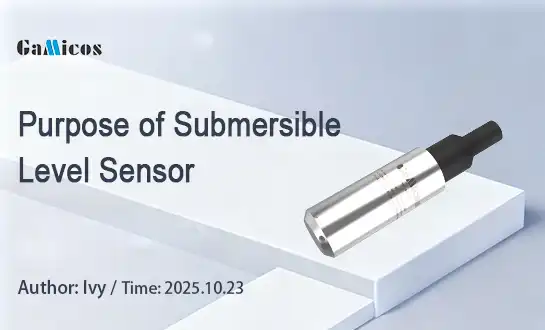
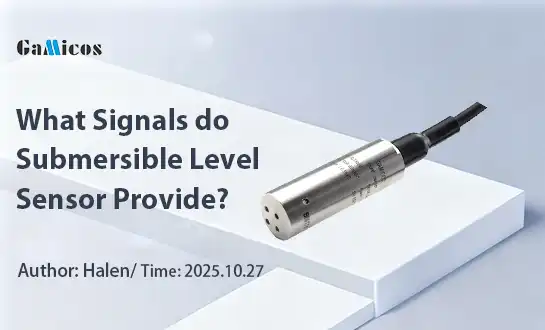
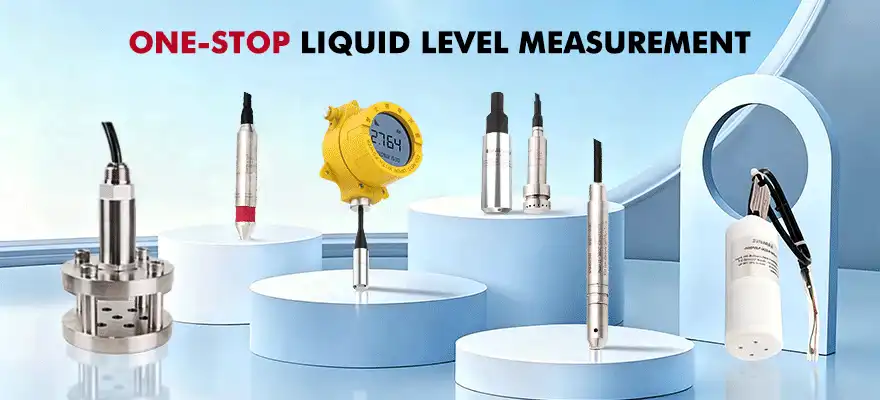
Submersible sensors and remote diaphragm systems are the two main types of setups used in industrial settings. With their small size and high sensitivity, submersible units are easy to install because they go right into the liquid medium. Pressure transfer lines join remote diaphragm sensors, which lets them measure in dangerous or hard-to-reach places while keeping the person safe.
Environmental Variables Affecting Performance
Changes in temperature, fluid mass, and air pressure can all affect how accurate a reading is. These effects are lessened by temperature adjustment methods and correction processes built into modern pressure measuring tools. When buying experts understand these factors, they can choose tools with the right pay features for different work settings.
How Hydrostatic Sensors Solve Level Measurement Challenges?
Overcoming Traditional Measurement Limitations
Standard float switches and ultrasonic devices have a lot of problems that make them hard to use, like mechanical wear, signal confusion, and the need for regular upkeep. There are problems with sticking, rust, and calibration drift with float mechanisms, and there are problems with foam, mist, and temperature stratification with ultrasound devices. Because of these problems, measurements are off, there is more downtime, and the cost of upkeep goes up.
By measuring pressure directly, hydrostatic liquid level monitors get rid of these problems. They allow for ongoing tracking without using moving parts that could get worn out or clogged. The technology works the same way every time with different kinds of fluids, like toxic chemicals, thick oils, and solutions with suspended particles.
Real-World Performance Improvements
Case studies from the business world show that when facilities switch from mechanical float systems to hydrostatic measurement, they get a lot more accurate results. A big petroleum plant said that after using hydraulic level tracking, measurement accuracy went from ±2% to ±0.25%. This led to better inventory control and less product loss. In the same way, water treatment plants get better process control by collecting accurate level data all the time. This lets automatic pumps control the flow and stop overflows.
Comparing Hydrostatic Pressure Sensors with Other Sensor Types
Piezoresistive vs. Hydrostatic Technology
Piezoresistive devices work great for measuring changing pressure, but they may change over time because of the way silicon is made. Hydrostatic pressure sensors are better at staying stable over time for static level measurement tasks because they keep their accuracy over long periods of use without needing to be re-calibrated often.
Capacitive and Piezoelectric Alternatives
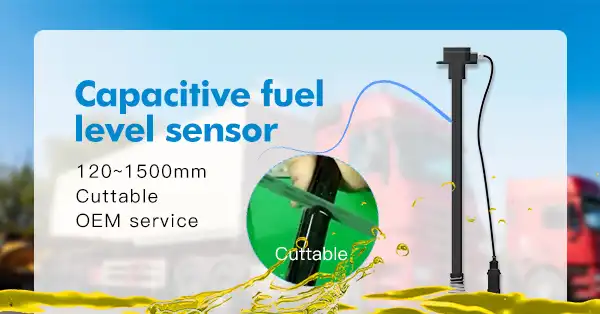
Capacitive level sensors are very sensitive, but they need to be cleaned often to keep measurement mistakes from happening because of fouling. Piezoelectric devices work well for measuring dynamic pressure but not so well for measuring steady pressure. The sensitivity and steadiness of hydrostatic technology are just right, which makes it perfect for constant level tracking in a wide range of industrial settings.
Selection Criteria for Optimal Performance
Some of the most important things that go into the choice are the measurement range needs, the surroundings, the placement limitations, and the upkeep preferences. Most of the time, hydrostatic sensors are the most accurate, reliable, and cost-effective choice for uses that need to keep an eye on levels all the time with little upkeep.
Ensuring and Maintaining High Accuracy with Hydrostatic Pressure Sensors
Calibration Protocols and Procedures
To keep measurement precision, testing must be done regularly, according to maker instructions and industry norms. Annual tuning plans make sure the best performance, but in tough settings, checks may need to be done more often. To do a calibration correctly, you need to change the zero point, check the span, and test the accuracy across the whole measurement range.
Preventive Maintenance Strategies
Checking the diaphragm, making sure the connections are solid, and checking the signal conditioning system are all important parts of maintenance plans that work. Regular cleaning keeps silt from building up, which could affect the passage of pressure, and regular checking of the cables makes sure that the signal is sent correctly. These proactive steps increase the life of the hydrostatic pressure sensor and keep measurement accuracy high throughout their use.
Troubleshooting Common Performance Issues
Problems that happen a lot include electrical interference, blocked pressure lines, and mistakes in temperature correction. Systematic testing methods help find the root causes quickly, which cuts down on downtime and speeds up the settlement process. Many operating problems can be avoided by using the right installation methods, such as properly covering the cables and fixing them securely.
Procurement Insight: Choosing and Sourcing Hydrostatic Pressure Sensors
Critical Evaluation Metrics
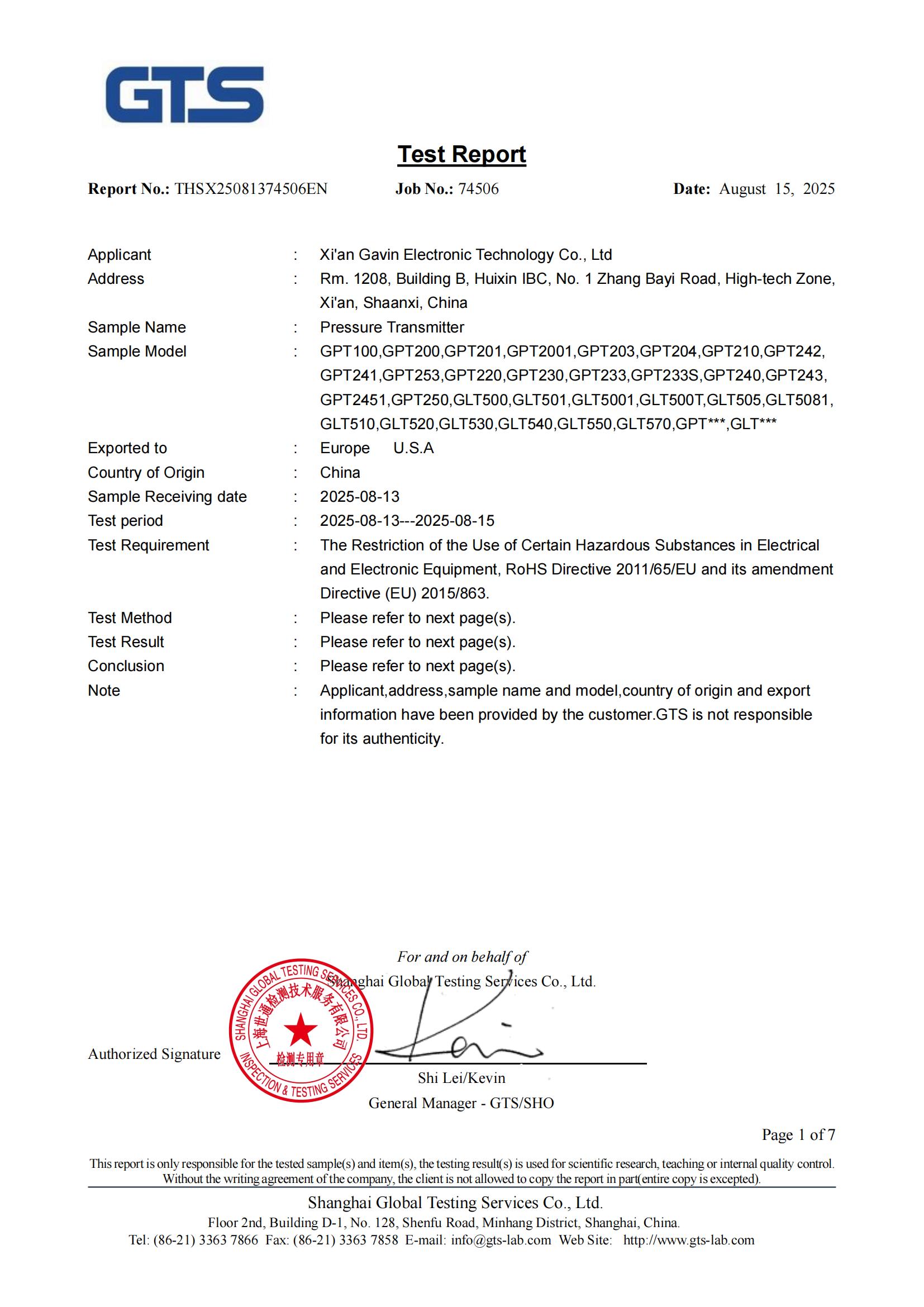
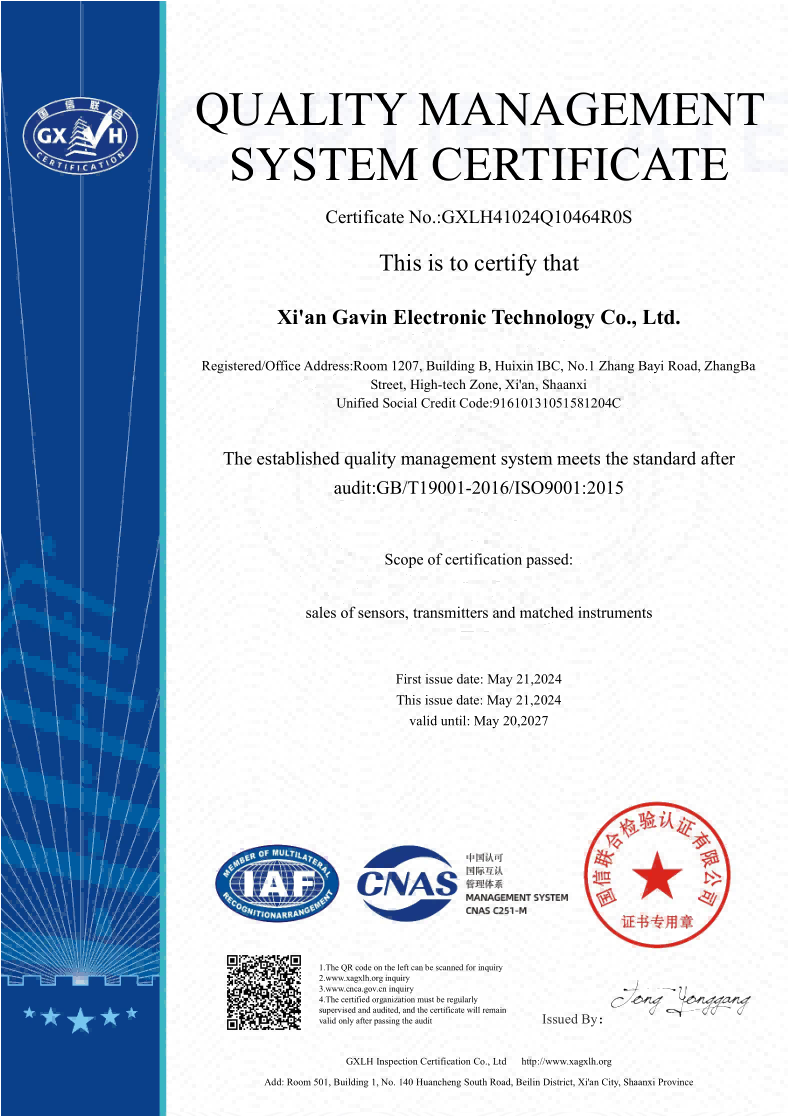
To make a good purchase, you need to carefully look over the accuracy requirements, the pressure range, the temperature limits, and the fit of the materials. You should also think about the reaction time needed, the type of output signal, and certification compliance for specific business uses. These technology factors have a direct effect on how well the system works and how well it runs.
Customization and OEM Solutions
Customized sensor designs, such as special housings, wire lengths, or communication methods, are needed for many uses. GAMICOS gives a wide range of customization options, such as the cutting-edge GLTV4 mechanical level instrument, which can work without electricity and has built-in sensing and display features. This device reliably checks the amount of liquid without needing any extra power. It is made of a corrosion-resistant aluminum metal and is expected to last 8–10 years.
Because of its special design, the GLTV4 doesn't have any risks of electrical parts breaking, but it still measures pressure very accurately using mechanical principles. Because it's small, it can work with a variety of storage tank setups. This makes it a great choice for sites that are far away or where power is limited.
Conclusion
Hydrostatic pressure sensors represent the gold standard for accurate liquid level measurement in industrial applications. Their proven reliability, superior accuracy, and minimal maintenance requirements make them the preferred choice for procurement specialists seeking long-term measurement solutions. The technology's ability to operate reliably across diverse environmental conditions while maintaining exceptional precision provides significant operational advantages over alternative measurement methods.
Understanding the technical principles, performance characteristics, and procurement considerations outlined in this guide enables informed decision-making for sensor selection and implementation. Whether upgrading existing systems or designing new installations, hydrostatic pressure sensors deliver the measurement accuracy and reliability essential for modern industrial operations.
Frequently Asked Questions
How often should hydrostatic pressure sensors be calibrated?
Most hydrostatic pressure sensors require annual calibration to maintain optimal accuracy. However, applications involving harsh chemicals or extreme temperatures may need more frequent calibration every 6 months. Always follow manufacturer recommendations and consider your specific operating conditions when establishing calibration schedules.
Can hydrostatic sensors measure levels in corrosive liquids?
Yes, hydrostatic sensors can reliably measure corrosive liquid levels when constructed with appropriate materials. Sensors featuring 316L stainless steel diaphragms and PTFE coatings provide excellent resistance to acids, bases, and other aggressive chemicals. Material selection should match specific chemical compatibility requirements.
What environmental factors most affect hydrostatic sensor accuracy?
Temperature variations, atmospheric pressure changes, and fluid density fluctuations are the primary factors influencing measurement accuracy. Modern sensors incorporate temperature compensation and atmospheric pressure reference to minimize these effects. Proper installation and regular calibration help maintain accuracy across varying environmental conditions.
Partner with GAMICOS for Superior Hydrostatic Pressure Sensor Solutions
GAMICOS delivers cutting-edge hydrostatic pressure sensor technology backed by comprehensive technical support and customization capabilities. Our experienced engineering team provides expert consultation to help you select the optimal sensor configuration for your specific application requirements. We offer competitive pricing for bulk orders, ensuring cost-effective solutions for large-scale industrial projects. Whether you need standard products or customized OEM solutions, our hydrostatic pressure sensor manufacturer expertise ensures superior performance and reliability. Contact us at info@gamicos.com to discuss your level measurement needs and request detailed product specifications.
References
1. Johnson, R.M. and Williams, K.L. (2023). "Industrial Pressure Measurement Systems: Technology and Applications." Journal of Process Control Engineering, Vol. 45, pp. 123-145.
2. Chen, S. and Thompson, J.K. (2022). "Hydrostatic Level Sensors in Chemical Processing: Performance Analysis and Best Practices." Chemical Engineering Technology Review, Vol. 38, No. 4, pp. 67-89.
3. Martinez, A.R. (2023). "Comparative Study of Level Measurement Technologies in Industrial Applications." Automation and Control Systems Quarterly, Vol. 29, pp. 201-223.
4. Peterson, D.L. and Kumar, V.S. (2022). "Advances in Pressure Sensor Technology for Liquid Level Monitoring." IEEE Transactions on Industrial Electronics, Vol. 69, No. 8, pp. 4567-4578.
5. Brown, M.J. and Davis, T.R. (2023). "Maintenance Strategies for Hydrostatic Pressure Measurement Systems." Industrial Maintenance and Plant Operations, Vol. 15, pp. 34-52.
6. Anderson, P.K. and Lee, H.M. (2022). "Cost-Benefit Analysis of Hydrostatic vs. Alternative Level Measurement Technologies." Process Industry Economics Review, Vol. 41, No. 3, pp. 156-174.

_1757930850792.jpg)