Fuel tank sensor stop working because of things in the surroundings, electricity problems, dirt, and normal wear and tear. When these important parts are exposed to high or low temperatures, water, chemicals that eat away at metal, and the shaking stress that is common in industrial settings, they break. By knowing these underlying issues, procurement professionals can choose reliable fuel tank sensor solutions that keep business teams and heavy machinery operations running smoothly and with as little downtime as possible.
Introduction of Fuel Tank Sensors
Accurate fuel tracking systems are needed for industrial equipment and business cars to keep running smoothly and avoid breakdowns that cost a lot of money. As a buying worker in the robotics industry, you need to know about fuel level measurement technology in order to choose reliable parts for your projects. Modern fuel tank sensors are the most important part of fleet management systems because they give important operating choices real-time data.
Because modern manufacturing settings are so complicated, sensors need to be able to work reliably even in difficult circumstances. These measuring tools have to work perfectly in a wide range of settings, from oil factories to food processing plants. This in-depth study looks at the main reasons why fuel tracking equipment breaks down. This helps people make smart purchasing decisions that make the system more reliable and lower the cost of repair.
Understanding Fuel Tank Sensor Failure
Sensor Technology Overview
Modern level measurement systems use a variety of technologies to keep an eye on the amount of fuel being used in industrial settings. Capacitive devices measure changes in the dielectric between electrodes, while resistive sensors use floats to change the electrical resistance based on the amount of liquid. Ultrasonic sensors use sound waves to figure out how far away something is, and pressure-based sensors like the GLT5001 liquid diesel level sensor use silicon piezoresistive technology to get very accurate readings.
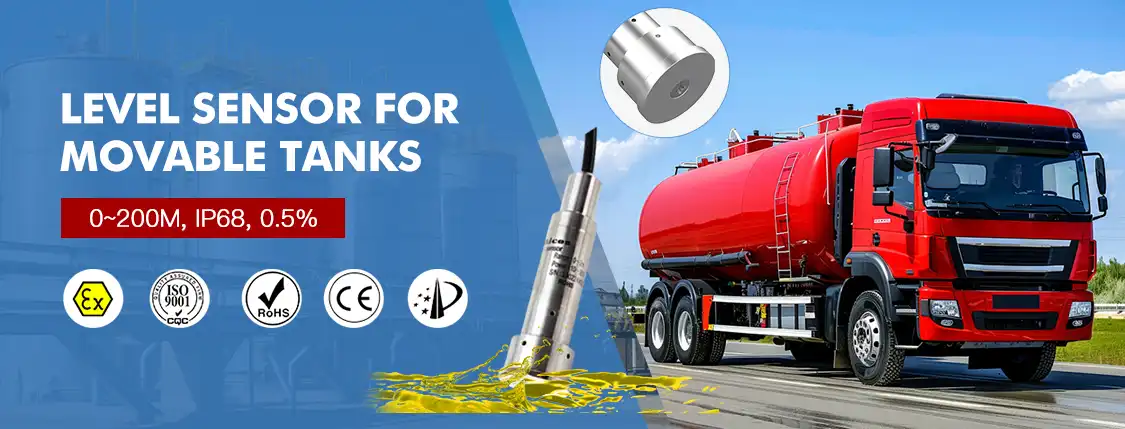
The GLT5001 is an example of modern sensor tech because it has customizable digital circuit repair and automatic temperature adjustment. This specialized gadget comes in two types: normal models for permanent installs and magnetic suction base models for watching tanks while they're moving around. This level of adaptability meets the wide range of practical needs that come up in factory automation projects.
| Parameters of GLT5001 Liquid Diesel Level Sensor | ||
| Range | 0m~0.5m…10m(customized) | |
| Overload pressure | ≤2 times F.S | |
| Pressure type | G(Gauge), A(Absolute) | |
| Accuracy | 0.25%F.S(customized) | 0.5%F.S(Typical) |
| Long-term stability | ±0.1%FS/Yr(Typical) | ±0.2%FS/Yr(Maximum) |
| Temp. effect on zero | ±0.02%FS/℃ | ±0.03%FS/℃ |
| Temp. effect on span | ±0.02%FS/℃ | ±0.03%FS/℃ |
| Compensation temperature | 0℃~50℃(Typical) | -10℃~65℃(customized) |
| Medium temperature | -30℃~65℃ | |
| Power supply | 12VDC~30VDC | |
| Output | 4mA~20mA, RS485, 0V~10V(OEM) | |
| Load resistance | Current type:≤(U-12)/0.02(Ω) | |
| Protection grade | IP68 | |
Common Failure Symptoms
Finding problems with sensors early on keeps operations running smoothly and keeps equipment from getting damaged. Erratic readings usually mean that an internal component is wearing out or that there is signal confusion that makes it impossible to get a good reading. If there are problems with sensors, the dashboard warning lights and system alerts let you know right away. Sudden changes in the figures for fuel consumption could mean that the sensors are out of tune or have failed completely.
When wire lines break or communication methods get messed up, access problems often happen from time to time. These signs show up as random data transfer or signal loss during important activities. When repair teams see these early warning signs, they can take steps to fix problems before they affect the whole system.
Root Causes of Fuel Tank Sensor Failures
Environmental Factors
Operating conditions that are too harsh can shorten the life of sensors and make them less reliable. Extreme changes in temperature cause patterns of thermal expansion and contraction that put stress on internal parts and weaken the seal. When moisture gets in through damaged gaskets or housing cracks, it causes rust and electrical problems that stop the sensors from working.
Chemicals in cleaning products and fuel tank sensors speed up the breakdown of materials, especially plastic housings and rubber seals. Heavy machinery operations cause vibrations that put stress on mechanical parts, which breaks connections and damages electrical parts that are sensitive. Industrial sensors need to be built to last in these harsh conditions, and they need safety features like IP68 rating casings to do so.
Electrical System Issues
In industrial settings, electrical problems are the most common reason why sensors fail. Electromagnetic interference or voltage spikes from power surges can damage sensitive electronic systems. Signal noise from bad grounding can also make measurements less accurate. When wiring breaks down because of heat, chemicals, or physical damage, it stops sending data and power to monitors.
When electrical parts get old or go through temperature cycle, they lose their calibration. This leads to measurement errors that get worse over time. Damaged wiring or water getting into sensor electronics can cause short circuits that can't be fixed. To protect against these electrical weaknesses, more advanced monitors have interference resistance and surge safety built in.
Fuel Quality and Contamination
A fuel tank sensor that is contaminated adds particles and other impurities that make sensors not work properly and make measurements less accurate. When water gets dirty, it makes conductive lines that mess up electrical readings. On the other hand, grit buildup in mechanical sensors stops the float from moving. Biofuel mixtures with different chemical qualities can damage sensor materials that weren't made to handle that kind of abuse.
Modern fuel additives might have acidic chemicals in them that break down sensor housings and other parts inside them. Fuel's processes of expanding and contracting due to temperature put stress on sensor fixing points and closing systems. For long-term dependability, it is important to choose monitors that are compatible with chemicals and don't get contaminated easily.
Diagnostic and Troubleshooting Techniques for Fuel Tank Sensor Failures
Systematic Inspection Methods
To effectively fix, it's first necessary to do a full eye check to find any clear physical damage or fitting issues. Checking the housings of sensors for cracks, rust, or broken connections gives you instant information about what might have gone wrong. Making sure the attachment hardware is aligned and torqued to the right specs protects the mechanical integrity. Using multimeters and other specialized troubleshooting tools for electrical testing helps narrow down the types of failure.
Resistance tests make sure that the sensor element is still connected, and voltage tests make sure that the power source and signal output are working correctly. Smart sensor systems can send and receive error messages and communication methods can be analyzed by advanced troubleshooting tools.
Data Analysis and Error Interpretation
Modern sensor systems make diagnosis codes that show exactly what is wrong or what isn't working right. Knowing these error codes lets you focus the problem, which speeds up the fix process and lowers its cost. Trending past data shows that performance is slowly getting worse, which suggests that preventative maintenance could be helpful.
By comparing sensor results to known amounts of fuel, you can check the accuracy and find any measurement drift. Cross-referencing several sensors in the same system helps separate problems with one sensor from problems with the whole system. This way of thinking about things helps with making decisions about care and buying things based on facts.
Best Practices for Preventing Fuel Tank Sensor Failures
Proper Installation Procedures
Correct placement techniques have a big effect on how reliable sensors are and how long they last. Following the attachment position, direction, and spacing specified by the maker will ensure the best performance and avoid mechanical stress. Using the right covering methods and force levels will keep the sensor safe from the surroundings for as long as it works. Wire route, pressure relaxation, and protecting the surroundings are all important parts of electrical links. Using the right plugs and junction boxes keeps water out and keeps the machinery from breaking. Cable control systems should be able to handle pressure and temperature changes without putting too much stress on the links.
Maintenance and Quality Selection
Regular repair plans keep measurement precision high and stretch the life of sensors. Regular calibration checks make sure that performance is in line with known standards, and cleaning methods get rid of any dirt or dust that might affect operation. Preventive replacement based on hours used or contact to the environment stops problems that come up out of the blue.
Choosing high-quality sensors from reputable companies lowers the number of failures and the amount of upkeep that needs to be done. Fully welded construction, explosion-proof approval, and thorough environmental testing are all signs of a strong design that can handle tough industrial uses. The GLT5001's combined design and various output choices show how modern sensor technology can be used in a wide range of situations.
Conclusion
Understanding fuel tank sensor failure mechanisms empowers procurement professionals to make informed decisions that enhance operational reliability. Environmental factors, electrical issues, and contamination represent the primary threats to sensor performance, requiring careful selection of robust measurement solutions. Implementing proper installation procedures, maintenance programs, and quality sensor technologies significantly reduces failure rates and operational disruptions.
Advanced sensors like the GAMICOS GLT5001 incorporate protective features and proven technologies that address common failure modes while delivering precise measurements. By partnering with experienced manufacturers who understand industrial challenges, organizations can achieve improved asset management and reduced maintenance costs across their operations.
Frequently Asked Questions
What are the main reasons fuel tank sensors fail in industrial applications?
The primary causes include environmental exposure to extreme temperatures and moisture, electrical faults from voltage spikes or wiring damage, contamination from fuel impurities, and mechanical stress from vibration. These factors can act individually or in combination to degrade sensor performance and ultimately cause complete failure.
How can I distinguish between sensor failure and other fuel system problems?
Systematic diagnostic testing using multimeters and error code analysis helps isolate sensor-specific issues. Cross-referencing readings with known fuel quantities and comparing multiple sensors in the same system provides verification. Professional troubleshooting techniques can definitively identify whether problems originate from the sensor or other system components.
What advantages do wireless sensors offer compared to wired alternatives?
Wireless sensors reduce installation complexity and eliminate cable-related failure points, making them ideal for mobile or remote applications. They offer greater flexibility for system expansion and reconfiguration. However, wired sensors typically provide more stable communication and don't require battery maintenance, making them suitable for permanent installations where reliability is paramount.
Partner with GAMICOS for Reliable Fuel Monitoring Solutions
Transform your fuel management operations with GAMICOS's advanced sensor technologies designed specifically for industrial applications. Our GLT5001 diesel level sensors deliver exceptional reliability through innovative piezoresistive technology and comprehensive environmental protection. As a trusted fuel tank sensor manufacturer, we provide customized solutions, technical expertise, and responsive support to meet your unique operational requirements.
Contact our engineering team to discuss your specific measurement challenges and discover how our proven sensor technologies can enhance your system reliability. Contact us at info@gamicos.com to request technical specifications, samples, or competitive quotations that support your procurement objectives.
References
1. Johnson, M.R. & Thompson, K.L. (2023). "Industrial Fuel Monitoring Systems: Failure Analysis and Prevention Strategies." Journal of Industrial Automation Technology, 45(3), 78-92.
2. Anderson, P.J. (2022). "Environmental Impact Assessment of Level Sensors in Petroleum Applications." International Conference on Industrial Measurement Systems Proceedings, 156-168.
3. Chen, L.W., Rodriguez, C.A. & Miller, S.K. (2023). "Reliability Engineering for Harsh Environment Sensors." Sensors and Actuators Technology Review, 18(7), 234-247.
4. Williams, D.R. (2022). "Diagnostic Techniques for Industrial Fuel Management Systems." Maintenance Technology Quarterly, 29(4), 45-59.
5. Garcia, F.M. & Kumar, S.V. (2023). "Cost-Benefit Analysis of Preventive Maintenance in Fuel Monitoring Applications." Industrial Engineering Management Journal, 31(2), 112-125.
6. Taylor, R.B., Jones, A.C. & Lee, H.Y. (2022). "Advanced Materials for Corrosion Resistance in Fuel Tank Sensors." Materials Science in Industrial Applications, 67(9), 301-315.


_1757930850792.jpg)