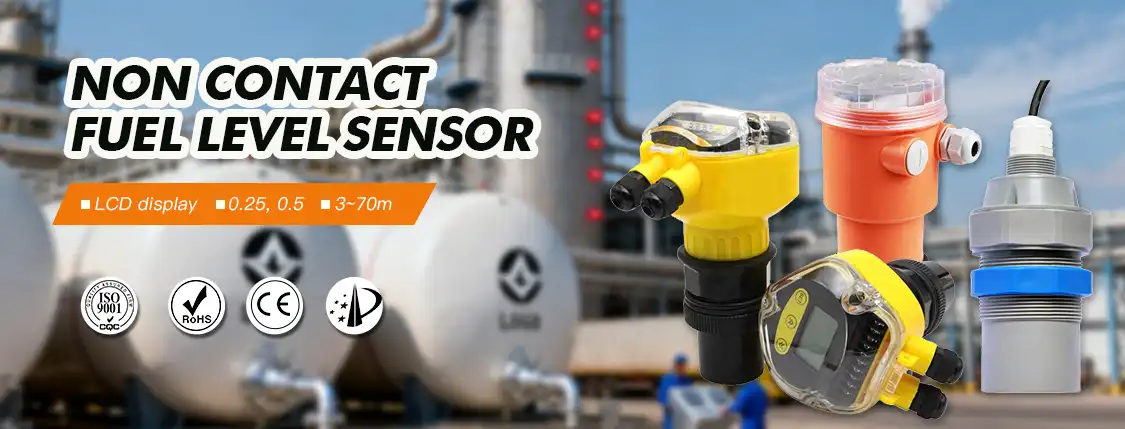
When you need to check the amount of slurry or thick liquids, you need special tools that can work when normal monitors don't. With ultrasonic water level transmitter technology, you don't have to touch anything. It works well through foam covers and can handle particles in the water without touching them directly. These high-tech measuring tools use sound waves to get accurate readings even on rough surfaces. Because of this, they are perfect for use in places that process chemicals, clean up trash, and make food.
Understanding Water Level Transmitters and Their Key Principles
Different types of water level transmitters use different measurement methods that work best in different situations. Changing the amount of the liquid physically into standard electrical signs that control systems can understand and use is what the basic function depends on.
Pressure-Based Measurement Technology
Pressure-based level monitors work by measuring the weight of liquid columns above the sensor part using hydraulic pressure. Silicon piezoresistive pressure sensor cores are very accurate and stay stable over time in tough industrial settings. These devices have automatic temperature adjustment that keeps measurements accurate even when the working temperature changes. This makes sure that the devices always work the same way, even when seasonal or process heat changes.
Signal Output Options and Communication Protocols
Modern level measuring tools have more than one type of output data so they can work with a wide range of control system designs. Standard 4-20mA current loops are still the most common way for factories to talk to each other because they are very good at blocking out noise and can send signals over long distances. The HART system lets digital communication be added on top of analog data. This lets setup and diagnosis be done from afar without stopping regular operations.
Wireless vs. Wired Transmission Systems
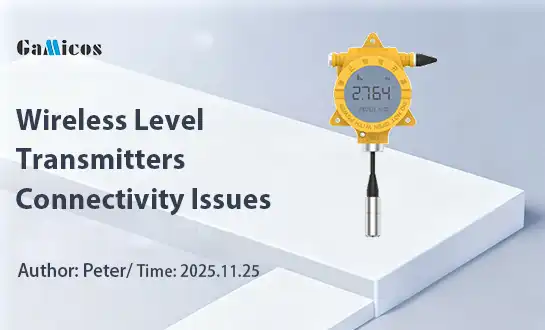
Water level transmitters get rid of the need for expensive wire setups and let you keep an eye on things in dangerous or remote areas. LoRa, NB-IoT, and 4G radio technologies all make it possible to send data reliably over long distances while using little power. Wired systems are more reliable for important tasks that need to communicate all the time, like in safety-critical processes that need to be able to respond right away.
Key Criteria for Selecting the Right Water Level Transmitter for Your Plant
To pick the best level measurement option, you need to carefully look at the performance standards, external factors, and business needs. This thorough evaluation makes sure that the chosen emitter gives accurate readings for the whole time it is in use.
Measurement Range and Accuracy Requirements
To find the needed measurement range, you have to look at the highest and lowest amounts of liquid in all possible operating situations. For business uses, accuracy requirements usually fall between 0.1% and 0.5% of full scale. Accuracy standards must match these requirements. Think about how stable the measurements are over time and how they change with changes in temperature. These things have a big effect on long-term performance and testing intervals.
Environmental Conditions and Material Compatibility
Conditions in industrial settings can be tough, which affects the choice of device and how long it lasts. When measuring toxic solutions or working in harsh environments, chemical compatibility is very important. For most uses, stainless steel building is very resistant to rust. However, for harsh chemical conditions, special treatments or unusual materials may be needed. To make sure safe and effective operation, temperature ranges, pressure ratings, and labels for explosive atmospheres must match up with real-world conditions.
Installation and Integration Considerations
Implementing a transmitter successfully depends on how well the installation is planned and how well the system can work with the transmitter. There are different ways to put things, such as straight placement, flange mounting, or tank bottom installs. Each has its own benefits for different uses. Cable specs must take into account assembly lengths and weather exposure. Depending on the needs of the application, standard PVC, polyurethane, or chemical-resistant materials can be used.
Market Overview: Popular Brands and Solutions for Industrial Use
In the industrial level measurement market, there are well-known companies that make a wide range of products for a variety of uses. Getting to know a supplier's skills, product features, and support services helps buying teams choose the right vendors.
Leading Manufacturers and Technology Providers
Siemens, Honeywell, ABB, and Emerson are all big names in the industrial electronics market. They all make reliable level measurement products and have a lot of certifications to back them up. These companies make a wide range of products, from simple measuring tools to high-tech smart monitors that can do troubleshooting and preventative maintenance all in one. For certain market niches, regional providers often offer competitive options with unique features or lower prices.
Evaluating Supplier Credibility and Support Services
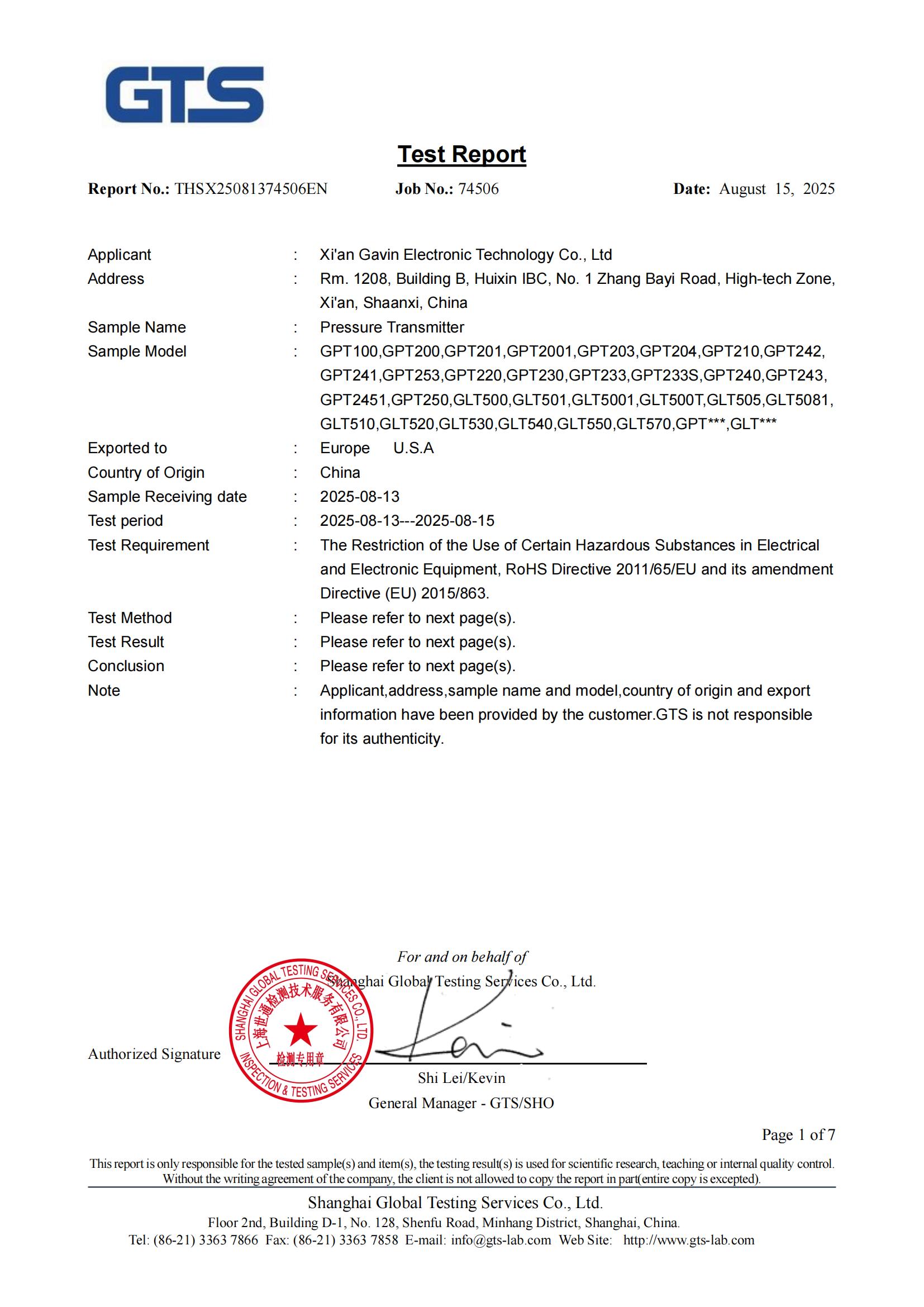
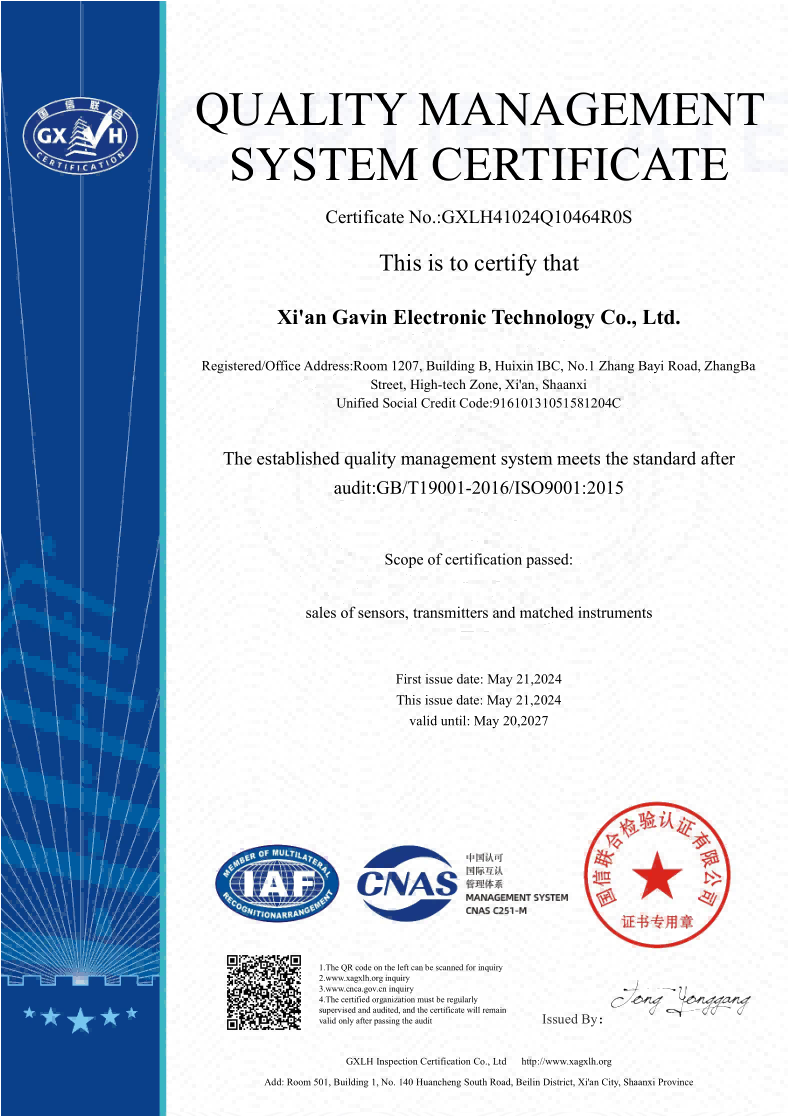
Evaluation of suppliers includes more than just product specs. It also looks at testing certification, guarantee terms, and the supplier's ability to provide help after the sale. When customizations or special certifications are needed, delivery wait times become very important for keeping to project plans. Access to technical help, such as local service networks and the ability to do diagnostics remotely, has a big effect on how well operations run and how much it costs to replace equipment over its lifetime.
OEM Customization and Volume Procurement
OEM makers offer customization services to meet the needs of specific applications. These services include private labels, changed sensor setups, and unique wire kits. Agreements to buy in bulk can save you money and make sure that you always have the products you need for big jobs or regular maintenance. Because customization is possible, products can be made to work better with special fitting needs or performance requirements that standard goods can't meet.
Practical Steps to Buying: From Inquiry to Installation
To successfully buy a water level transmitter, you need to follow an organized process from creating the original specifications to completing the final setup and proof. This organized method lowers risks and makes sure that the equipment works at its best.
Technical Specification Development
Full technical specs are needed to get accurate quotes and carry out projects successfully. The range of measurements, the level of accuracy needed, the surroundings, the output signal forms, and the certification needs should all be written down. To avoid problems with compatibility during implementation, installation restrictions, wire lengths, and placement choices must be made clear.
Supplier Evaluation and Quote Analysis
A good seller review takes technology compliance, business terms, and shipping options into account. When analyzing quotes, you should look at the total cost of ownership, which includes the cost of the equipment itself, the cost of installation, and the cost of regular upkeep. Delivery plans need to match up with project timelines, taking into account that the customization or licensing processes could take longer than expected.
Installation and Commissioning Best Practices
The best performance and durability of tools are guaranteed by following the right fitting steps. Before installing something, it needs to be checked to make sure it works with other control systems and that the settings are safe. Standardization processes set the level of accuracy for measurements, and paperwork gives repair workers a place to start when they need to do more work. As part of the commissioning process, functional testing should be done in real-world working circumstances to make sure that the performance specs are met.
GAMICOS: Your Trusted Partner for Industrial Level Measurement Solutions
GAMICOS creates and makes precise level measuring tools for tough industrial uses as its main business. Our wide range of products includes portable measurement systems, liquid level sensors, and pressure sensors that are shipped to more than 100 countries around the world.
Advanced Product Technologies and Features
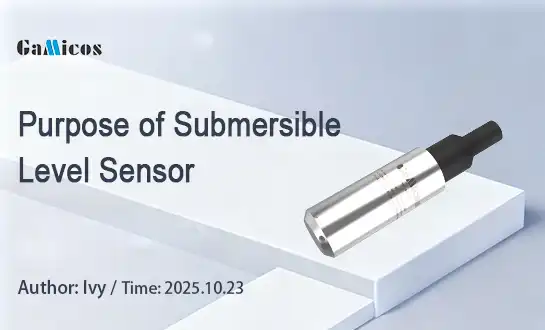
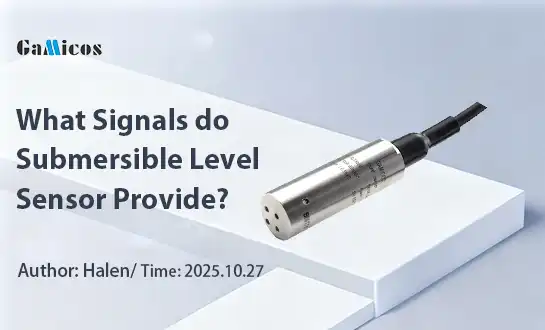
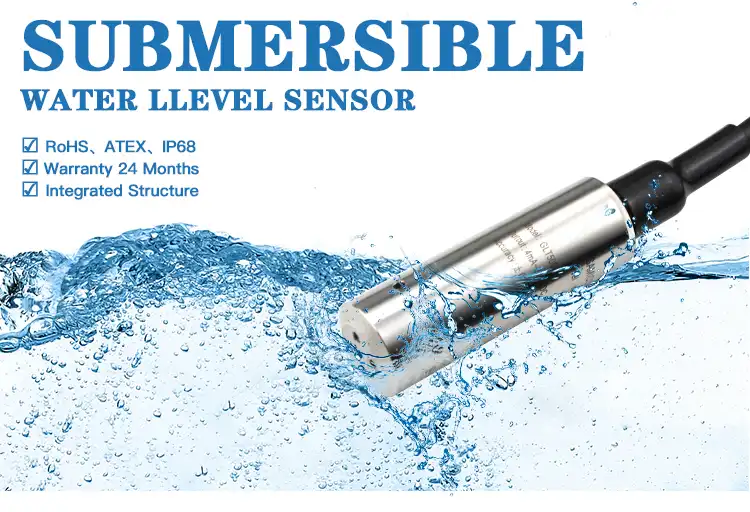
Our GLT500 underwater water level transmitter is a great example of how dedicated we are to performance and dependability. This small device has a silicon piezoresistive pressure sensor core that is very reliable and can automatically adjust for temperature and fix digital circuits that have been programmed. The all-stainless steel design makes it last in tough conditions, and the fully waterproof sealed circuit technology makes it reliable over time.
The advanced features of our level measurement solutions include:
- Multi-layer protection structure: Enhanced durability for extended service life in challenging industrial environments
- Flexible cable specifications: Various options including wear-resistant, oil-resistant, and acid-alkali resistant cables for specialized applications
- Anti-clogging design: Pressure vent holes and optimized liquid entry design prevent sensor blockage and extend operational life
- Multiple output options: Standard industrial signals including 4-20mA, HART, and wireless communication protocols
These advanced capabilities enable our sensors to excel in wastewater treatment, petrochemicals, pharmaceuticals, and other demanding industrial applications where measurement accuracy and reliability are paramount.
| Parameter of GLT500 Submersible Level Sensor | |
| Pressure range | 0~1m...200mH20 |
| Pressure type | Gauge |
| Output signal | 4~20mA 0~5V 1~5V 0.5~4.5V 0~10V RS485 |
| Power supply | 5V,12~30VDC |
| Compensated temperature range | -10~70℃ |
| Operating temperature range | -30~80℃ |
| Storage temperature range | -40~125℃ |
| Temperature effect on Zero | ±0.03%FS/℃ |
| Temperature effect on Span | ±0.03%FS/℃ |
| Over pressure | 150%FS |
| Mechanical Vibration | 20g (20-5000HZ) |
| Shock/Impact | 100g (11ms) |
| Comprehensive error | ±0.5%FS(standard), ±0.25%FS |
| long-term stability | ±0.2%FS/year |
| Medium compatible | Compatible with 316L SS of all kinds of medium |
| Protection | IP68 |
Comprehensive OEM and Customization Services
Our extensive customization capabilities address unique application requirements through flexible OEM and ODM services. We provide complete customization of models, parameters, packaging, and documentation to meet specific customer needs. Our engineering team collaborates closely with clients to develop tailored solutions that optimize performance for specific operating conditions and integration requirements.
Quality Assurance and Global Support
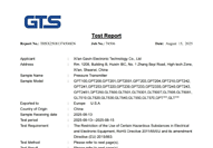
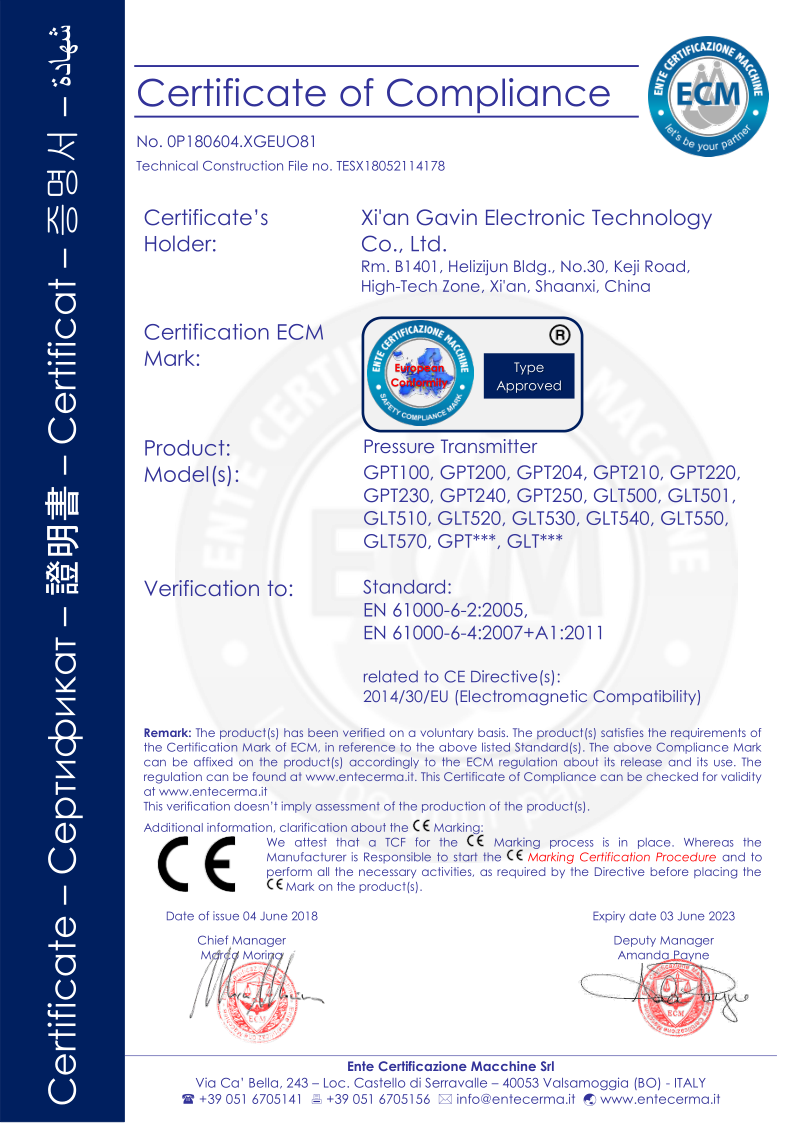
Strict quality control procedures and certifications from recognized metrology institutions ensure consistent product performance and reliability. Our global presence spans North America, Europe, Asia, Africa, and Oceania, providing local support and rapid response capabilities. Comprehensive after-sales service includes technical consultation, maintenance support, and prompt issue resolution to maximize equipment uptime and operational efficiency.
Conclusion
Selecting the appropriate water level transmitter requires careful evaluation of measurement requirements, environmental conditions, and integration capabilities. Understanding the available technologies, supplier capabilities, and implementation considerations enables informed decision-making that optimizes operational performance and cost-effectiveness. The investment in high-quality level measurement equipment provides long-term benefits through improved process control, enhanced safety, and reduced operational costs. Partnering with experienced suppliers who offer comprehensive support services and customization capabilities ensures successful implementation and ongoing operational excellence throughout the equipment lifecycle.
Frequently Asked Questions
How often should water level transmitters be calibrated for optimal accuracy?
Calibration frequency typically ranges from semi-annual to annual intervals, depending on application criticality and operating conditions. High-precision applications or aggressive environments may require more frequent calibration, while stable conditions allow extended intervals. Regular calibration maintains measurement accuracy and ensures compliance with quality standards.
What are the main differences between wireless and wired level transmitters?
Wireless transmitters offer installation flexibility and eliminate cable costs but require power management and signal reliability considerations. Wired transmitters provide continuous power and guaranteed communication but involve higher installation costs and physical constraints. Selection depends on application requirements, installation environment, and system architecture preferences.
Can level transmitters operate safely in hazardous or explosive environments?
Yes, transmitters with appropriate certifications (ATEX, IECEx, UL) are designed for safe operation in hazardous environments. These devices feature intrinsically safe designs, explosion-proof enclosures, or other protective measures that prevent ignition of flammable atmospheres. Proper certification selection based on specific hazard classifications ensures safe operation.
Partner with GAMICOS for Your Level Measurement Needs
GAMICOS stands ready to support your industrial-level measurement requirements with advanced technology, comprehensive customization services, and reliable global support. Our experienced engineering team provides personalized consultation to identify optimal solutions for your specific applications and operational conditions. As a trusted water level transmitter manufacturer, we combine innovative technology with proven reliability to deliver measurement solutions that exceed performance expectations. Contact us at info@gamicos.com to discuss your project requirements and receive detailed technical specifications tailored to your industrial needs. Experience the difference that quality engineering and dedicated customer support can make for your operational success.
References
1. Johnson, M. & Williams, R. (2023). Industrial Level Measurement Technologies: A Comprehensive Guide for Process Engineers. Process Control Engineering Journal, 45(3), 78-92.
2. Smith, A. et al. (2022). Pressure-Based Level Sensing in Chemical Processing Applications. Chemical Engineering & Technology Review, 38(7), 245-258.
3. Thompson, K. (2023). Wireless Communication Protocols for Industrial Instrumentation: Performance Analysis and Selection Criteria. Industrial Automation Quarterly, 29(2), 156-171.
4. Anderson, P. & Liu, H. (2022). Calibration Standards and Best Practices for Level Transmitters in Process Industries. Measurement Science International, 67(4), 423-437.
5. Garcia, C. (2023). Environmental Considerations in Level Sensor Selection for Harsh Industrial Applications. Industrial Equipment Review, 52(8), 89-104.
6. Brown, S. & Davis, J. (2022). Total Cost of Ownership Analysis for Industrial Level Measurement Systems. Plant Engineering Economics, 41(6), 312-326.
_1757930850792.jpg)